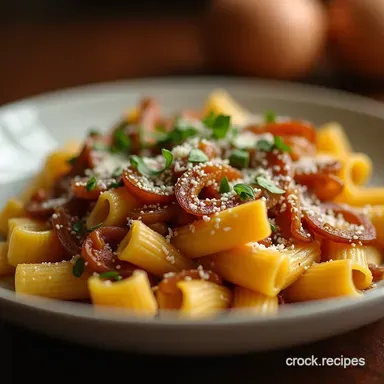
The French Connection Deeply Caramelized Onion Gruyère Pasta
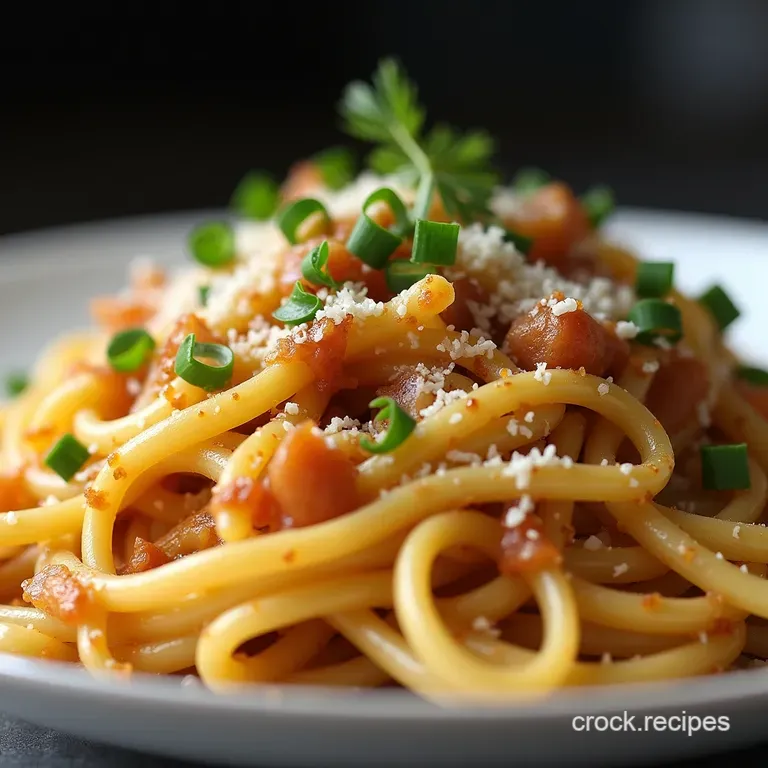
- Transcending Soup: Why This French Onion Pasta Steals the Show
- The Secret Sauce: Unlocking Umami in Your Weeknight Meal
- Sourcing the Stars: What Makes This French Onion Pasta Sing
- Mise en Place: Grouping Your Pantry Necessities
- Phase One: The Slow Art of Onion Alchemy
- Assembling the Saucy Foundation: Deglazing and Simmering
- Troubleshooting and Texture Tweaks
- Recipe FAQs
- 📝 Recipe Card
Transcending Soup: Why This French Onion Pasta Steals the Show
As a food enthusiast, I’ve always believed that the best comfort food recipes are those that take a familiar classic and give it a thrilling new vehicle. We all adore French Onion Soup, that deep, slow-simmered magic of caramelized onions bathing in savory broth, crowned with a molten cap of cheese.
But what if you could capture that soul-satisfying flavour profile and transform it into a robust main course that satisfies pasta cravings? Enter the French Onion Pasta Recipe .
This dish takes the essence of its soup inspiration and elevates it into something substantial, creamy, and utterly irresistible. It is a true masterpiece of Comfort Food Pasta Recipes , proving that deeply rich flavour doesn't have to mean complicated technique.
The Secret Sauce: Unlocking Umami in Your Weeknight Meal
The magic in this dish isn't merely the cheese; it’s the painstaking, transformative process applied to the humble onion. We are aiming for sweetness, depth, and that signature umami that only comes from patient cooking.
This French Onion Pasta is designed to deliver that profound flavour profile without requiring hours of traditional simmering, making it surprisingly accessible for a weekday meal, though its depth suggests otherwise.
From Broth to Bowl: A Comfort Food Revolution
When reimagining a soup as a pasta dish, the primary challenge is thickening the liquid base without losing the characteristic "brothy" quality. We achieve this not with heavy cream, but by creating a light roux with a touch of flour and then harnessing the starch from the pasta water.
This method creates a sauce that beautifully coats the French Onion Noodles without becoming heavy or gloopy, perfectly balancing the richness of the beef stock and sherry reduction.
Setting Expectations: Deep Flavour Without the Hours
While the final assembly moves quickly, the key differentiator for this recipe is the commitment to the onions. Achieving that deep mahogany colour, the visual proof of concentrated flavour, takes time. We are looking for onions that have caramelized into a savoury jam, not simply softened or browned.
This slow process of developing natural sugars is what separates truly great Onion Recipes from the mediocre.
Identifying the Essential Toolkit for Success
To ensure success in recreating this French Onion Pasta , a few pieces of equipment are non-negotiable. The most critical is a large, heavy-bottomed Dutch oven or deep skillet. This distributes heat evenly, which is vital for preventing scorching during the long, slow caramelization phase.
Next,, a box grater is essential for the Gruyère; pre-shredded cheese contains starches that inhibit the perfect, creamy melt we desire.
Sourcing the Stars: What Makes This French Onion Pasta Sing
The ingredient list for this dish appears simple, but quality matters immensely, especially when you are building flavour from just a few core components. Since we are skipping the traditional bread topping, the sauce must stand entirely on its own merit.
Related Recipes Worth Trying
- SunKissed Peach Burrata Pasta Salad with Basil Vinaigrette — The ultimate Summer Pasta Salad This Peach and Burrata Pasta Salad balances smoky grilled peaches with creamy burrata and a fresh basil dressing Get the...
- Sunshine Pasta Salad with Fresh Corn Tomato Easy Summer Recipe — Tired of heavy mayo salads This bright Pasta Salad with Fresh Corn and Tomato uses a zesty lemon vinaigrette The secret is lightly charred corn Get the recipe
- The SunDrenched Zesty GlutenFree Mediterranean Pasta Salad — Bright fresh and utterly foolproof This gluten free Mediterranean Pasta Salad recipe is packed with olives feta and zesty lemon A piece of cake to make
Mise en Place: Grouping Your Pantry Necessities
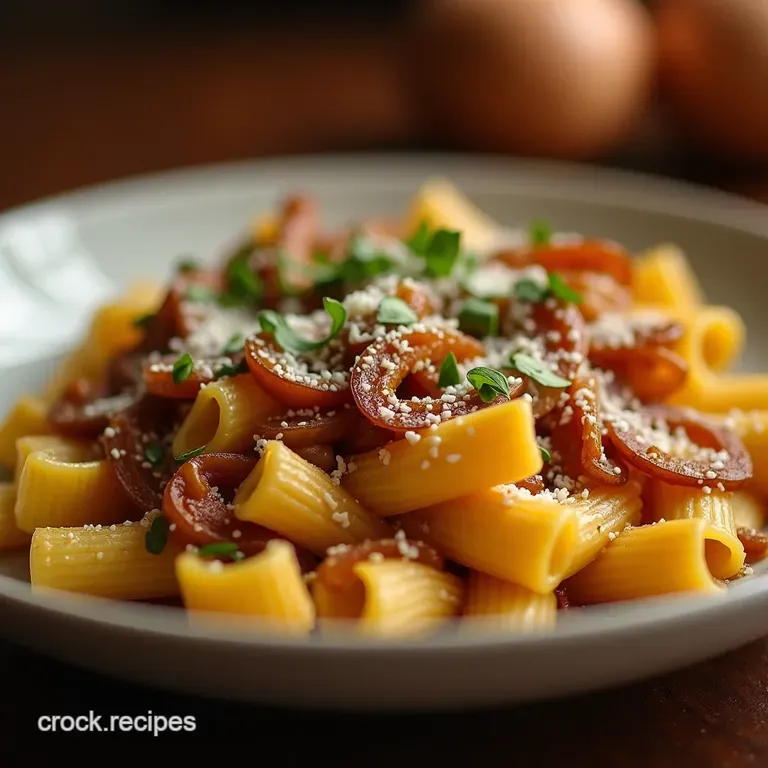
For a 1-hour 15-minute total cook time, preparation is key. You’ll need about 3 lbs of yellow onions, thinly sliced pole-to-pole. Gather 4 tablespoons of unsalted butter, 2 tablespoons of olive oil, 2 tablespoons of flour, 3 cups of high-quality beef broth, 4 sprigs of fresh thyme, 1 bay leaf, 1/4 cup of dry sherry (or dry white wine), 12 oz of your favourite sturdy pasta (like rigatoni or campanelle), and 6 oz of freshly grated Gruyère cheese.
The Caramelization Champions: Onion Selection Tips
Always opt for yellow onions for this recipe. They have the ideal sugar content to caramelize deeply without becoming overly bitter. Slicing them thinly, about 1/8 inch thick, ensures they break down evenly during the slow cooking period.
If you’re looking to streamline preparation time, note that many grocery stores offer pre-sliced onions, though slicing them yourself provides a cleaner, less bruised cut.
Choosing Your Cheese Cloud: Gruyère vs. Its Cousins
Gruyère is the undisputed champion here. Its nutty, earthy flavour profile melts into a glorious, slightly stretchy blanket that tastes exactly like the original soup. If Gruyère proves elusive, a high-quality Emmentaler offers a similar profile, or you can blend Emmentaler with a smaller amount of sharp Parmesan for added bite.
Building the Broth Base: Essential Liquid Components
The quality of your beef broth directly impacts the final outcome of this French Onion Pasta Recipe . Since we are reducing it significantly, avoid watery, low-flavour stocks. If you can only find low-sodium broth, that’s fine, but ensure it has a robust beef flavour.
The sherry or dry white wine is crucial for deglazing, it lifts the caramelized fond (the browned bits on the bottom) that holds concentrated flavour. If you must make this French Onion Pasta No Wine , substitute the sherry with 1 teaspoon of high-quality balsamic vinegar added right before the broth, which mimics the necessary acidic lift.
Phase One: The Slow Art of Onion Alchemy
This is where dedication pays off. In your Dutch oven, melt the butter and olive oil over medium-low heat. Add all those thinly sliced onions, the thyme sprigs, and the bay leaf, along with a light sprinkle of salt. Resist the urge to raise the heat!
Over the next 35 to 45 minutes, you must stir gently every 5 to 7 minutes. The goal is not frying; it’s a slow, sweet extraction of moisture and sugar. Watch them shrink, darken, and finally transform into that deeply satisfying, mahogany brown paste.
This patient step is what makes this Easy French Onion Pasta taste like it simmered all day.
Assembling the Saucy Foundation: Deglazing and Simmering
Once the onions reach that perfect jammy consistency, remove the woody thyme sprigs and bay leaf. Now, we introduce technique. Push the onions to one side of the pot. Add the 2 tablespoons of flour to the exposed hot surface and cook for one minute, this creates a quick roux to give the sauce body.
Stir the onions into the flour mixture thoroughly. Immediately deglaze the pot by pouring in the dry sherry, vigorously scraping up every trace of flavour stuck to the bottom. Let that liquid bubble and reduce for about two minutes. Finally, slowly whisk in the 3 cups of beef broth.
Bring this mixture to a gentle simmer and allow it to cook, uncovered, for about 10 minutes so the flavours can meld and the sauce thickens slightly.
Mastering the Low and Slow Caramelization Technique
Remember, consistency is crucial here. If the onions stick and start burning before they brown, add a tablespoon of water and scrape immediately. Burnt sugar is bitter; caramelized sugar is sweet and complex. This foundational step dictates the entire success of your French Onion Pasta .
Infusing Depth: The Role of Thyme and Wine in the Reduction
The herbs provide the classic savoury aroma, while the sherry/wine introduces a necessary acidity to balance the intense sweetness of the cooked onions and the richness of the beef stock. Reducing this mixture concentrates these crucial flavour notes before we introduce the starch of the pasta.
Toss and Achieve: Perfect Al Dente Integration
While the sauce is reducing, you should have a large pot of heavily salted water boiling. Cook your 12 oz of pasta until it is perfectly al dente —meaning it still has a slight, pleasant resistance when bitten.
Crucially, reserve at least one cup of that starchy cooking water before draining the pasta. Drain the noodles and immediately transfer them directly into the Dutch oven containing the simmering onion sauce.
The Gruyère Garnish: Achieving the Ultimate Melt
Toss the pasta vigorously in the sauce. Add the final tablespoon of butter and a generous splash of the reserved pasta water. Keep tossing! The starch in the water emulsifies with the butter and broth, creating a luxurious coating. Stir in half of your grated Gruyère until it melts seamlessly into the sauce.
Serve immediately in warm bowls, topping each serving with the remaining Gruyère so it melts beautifully under the residual heat. A final sprinkle of fresh parsley adds a necessary visual lift.
Troubleshooting and Texture Tweaks
Even the most seasoned cooks can run into minor sauce issues. Knowing how to adjust on the fly will save your dish.
When Things Go Wrong: Adjusting for Too Much or Too Little Sauce
If your sauce seems too thin after tossing the pasta, continue simmering gently with the heat on low, adding the reserved starchy water just a tablespoon at a time until the sauce clings perfectly.
Conversely, if the sauce has reduced too much and is clinging too tightly, stir in a splash or two more of the reserved pasta water until you reach a smooth, coating consistency. This method avoids the need for a heavy French Onion Pasta Bake , keeping the dish saucy rather than baked solid.
Freezing Forecast: Can This Dish Handle the Deep Freeze?
This is generally not a dish that freezes well in its finished state. The cheese and starch can separate or become grainy upon thawing and reheating. However, the caramelized onion base freezes beautifully!
Cook the onions through the broth reduction step (without the pasta), cool completely, and freeze in an airtight container for up to three months. When ready to serve, thaw the base, bring it to a simmer, add your freshly cooked pasta, and finish with cheese.
This is a great make-ahead strategy if you are planning on making French Onion Pasta with Chicken in the future.
Variations on the Theme: Swapping Meats and Herbs
While this recipe is spectacular on its own, adding protein is simple. Sautéing thinly sliced steak tips or shredded leftover roasted chicken breast and tossing them in with the pasta creates a hearty French Onion Pasta with Chicken or beef variation.
For herbs, a tiny pinch of dried rosemary or even a small grating of nutmeg can deepen the savoury notes during the broth simmer phase.
Serving Suggestions: The Perfect Wine Pairing
Due to the richness of the cheese and the deep umami of the beef broth, this dish calls for something capable of cutting through the richness. A dry, earthy red like a Beaujolais or a light Pinot Noir works wonders.
For white wine lovers, avoid anything too oaky; a crisp, dry cider or a Sauvignon Blanc provides a refreshing counterpoint.
This French Onion Pasta is more than just a meal; it's an experience, a deep dive into comfort, elevated by the alchemy of time and heat applied to humble onions. Enjoy every luxurious, cheesy, noodle-coated bite!
Recipe FAQs
Why do my onions seem to take forever to cook for the French Onion Pasta?
Ah, you've hit the crux of it, caramelization is where the magic happens, but it’s not a quick process! You need low heat and patience; aim for 35–45 minutes. If you turn the heat up too high, the sugars will burn before they deepen into that sweet, jammy flavour we want.
It’s worth the wait, trust me; it's the soul of the dish!
Can I make this French Onion Pasta recipe vegetarian?
Absolutely, you can ditch the beef stock! For a vegetarian version, swap the beef broth for a rich mushroom or dark vegetable stock. To compensate for the missing meaty depth, try stirring in a teaspoon of soy sauce or even a tiny bit of Marmite right when you add the stock for that essential savoury kick.
My sauce seems a bit thin; what’s the trick to getting it to cling to the pasta properly?
That's often down to the starchy pasta water, it’s liquid gold! Always reserve at least a cup before draining your noodles. Add the drained pasta directly to the sauce, and then drizzle in that starchy water, a splash at a time, while tossing vigorously.
The starch emulsifies with the fat to create a beautiful, glossy sauce that coats every piece.
Do I really need to grate the Gruyère myself, or can I use the pre-shredded bag?
For the best results, please grate it yourself! Pre-shredded cheese is coated in starches, usually potato or cellulose, to stop it clumping in the bag. These additives stop the cheese from melting smoothly, meaning you’ll end up with clumpy cheese instead of that gorgeous, uniform, stringy blanket.
How should I store leftovers of this rich pasta dish?
Pop any leftovers into an airtight container and keep them in the fridge for up to three days. When reheating, it’s best to do it gently on the stovetop with a splash of milk or broth, as the cheese can sometimes separate in the microwave. The onions might even taste deeper the next day!
What's the best type of pasta shape to use for this thick, rich sauce?
You need a shape that can really capture all those lovely bits of caramelized onion and thick sauce. Rigatoni, penne, or campanelle (those lovely bell-shaped ones) are brilliant choices because their tubes and ridges act like little scoops. Avoid long, thin strands like spaghetti, as the sauce is too heavy for them.
The Ultimate French Onion Pasta with Melted Gruyère