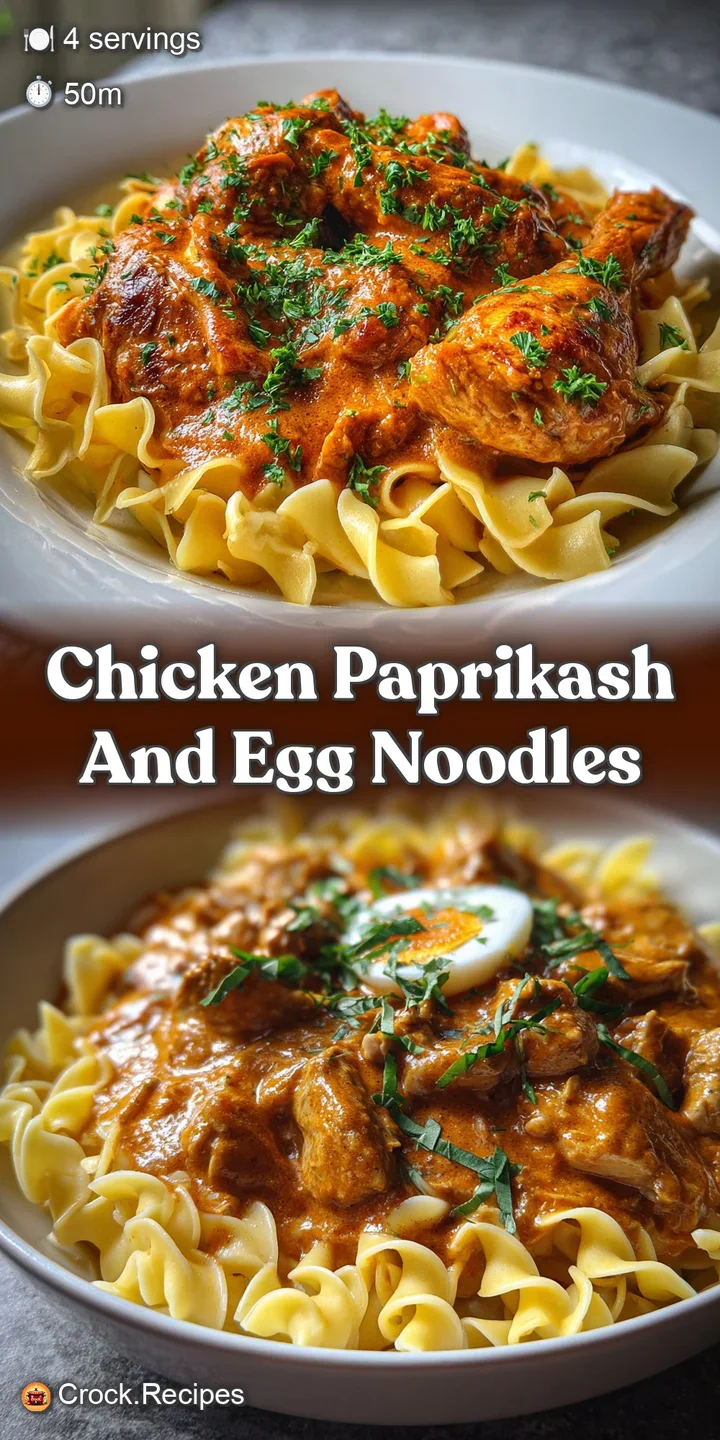
Chicken Paprikash and Egg Noodles
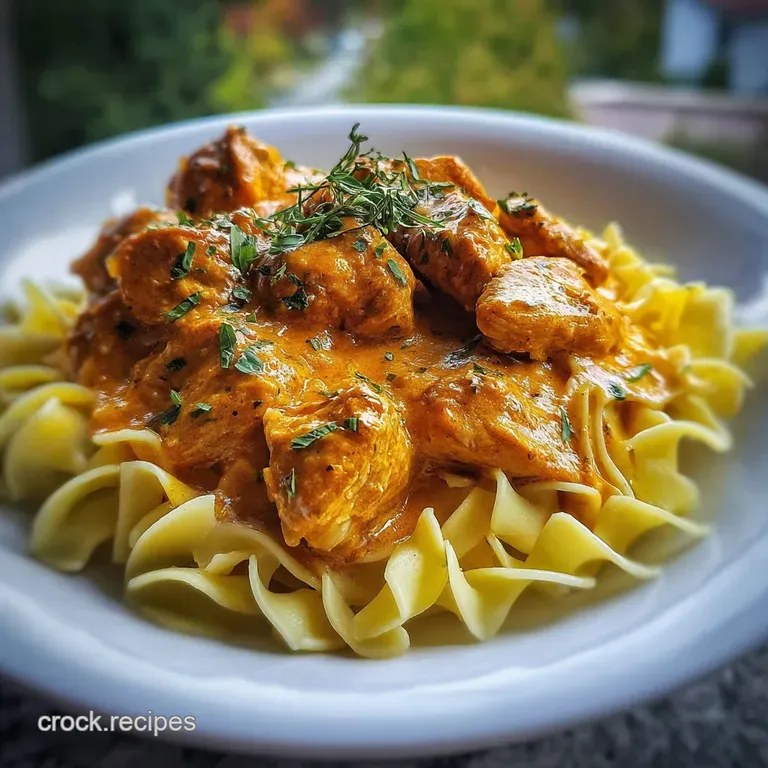
- Time: Active 15 minutes, Passive 35 minutes, Total 50 minutes
- Flavor/Texture Hook: Smoked sweet velvety sauce with succulent chicken
- Perfect for: Sunday family dinners or ultimate winter comfort
- Creating Chicken Paprikash and Egg Noodles for Cozy Evenings
- Science Behind Deeply Layered Hungarian Flavors
- Necessary Metrics for Success Every Time
- Essential Ingredients for Traditional Comfort Food
- Best Kitchen Tools for Perfect Braising
- Master Every Step from Sizzle to Plate
- Professional Secrets for Avoiding Common Mistakes
- Adaptable Options for Every Dietary Need
- Proper Methods for Storing Savory Leftovers
- Ideal Side Dishes for Satisfying Meals
- High in Sodium
- Recipe FAQs
- 📝 Recipe Card
Creating Chicken Paprikash and Egg Noodles for Cozy Evenings
Picture this: the kitchen is filled with the scent of sweet peppers and onions melting into lard, while the rhythmic sizzle of chicken skin hitting the pan sets the mood. This article shares a cozy recipe for Hungarian comfort food: creamy chicken paprikash served with egg noodles.
I remember the first time I tried making this; I didn't realize how delicate paprika is, and I ended up with a bitter sauce that was a total disaster. Since then, I've learned the secrets to making it truly hearty and satisfying, and I’m so excited to walk you through it.
It's all about that deep, brick red color and the way the chicken just falls away from the bone with nothing but a nudge from your fork. When you pair that with buttered noodles, it becomes more than just food with creamy chicken paprikash and egg noodles, it’s a bowl of pure, unadulterated comfort.
We aren't going for anything fancy or "modern" here, just the traditional, deep flavors that make you want to scrape the pot clean.
Trust me, once you see how the sour cream transforms the braising liquid into a silken gravy, you’ll never look at a chicken breast the same way again. We’re using bone in thighs because they stay juicy during the simmer, and they provide that essential collagen that gives the sauce its body.
Let's get into the nitty gritty of why this works so well so you can nail it on your first try.
Science Behind Deeply Layered Hungarian Flavors
The magic of this dish happens because we understand how flavor compounds interact with fat and heat. It isn't just about throwing things in a pot; it's about the chemistry of the ingredients.
- Carotenoid Extraction: Paprika contains oil soluble flavor compounds that only release their full potential when heated in fat (a process called blooming).
- Collagen Conversion: Simmering the chicken thighs at a steady temperature converts tough connective tissue into gelatin, providing a mouth coating silkiness.
- Casein Stability: Tempering the sour cream prevents the proteins from clumping together, ensuring the sauce remains velvety rather than curdled.
- Maillard Reaction: Searing the skin first creates hundreds of new flavor compounds that season the entire braise as it simmers.
| Chicken Thickness | Internal Temp | Rest Time | Visual Cue |
|---|---|---|---|
| 2.5 cm (Small Thigh) | 74°C | 5 minutes | Juices run clear |
| 4 cm (Large Thigh) | 74°C | 8 minutes | Meat pulls from bone |
| 5+ cm (Extra Large) | 74°C | 10 minutes | Skin is deep golden |
Choosing the right cut of meat is just as important as the spice itself when making this comfort food with creamy chicken paprikash and egg noodles. If you use breasts, they’ll dry out long before the onions have softened into the sauce.
Stick with the thighs, and you'll be rewarded with a texture that is simply incomparable.
Necessary Metrics for Success Every Time
Success in the kitchen often comes down to the details that aren't always in the headlines. For this recipe, the timing of the paprika and the temperature of the cream are your two biggest hurdles. If you master these, the rest is smooth sailing.
| Component | Science Role | Pro Secret |
|---|---|---|
| Lard | High smoke point | Carries the paprika flavor deeper than butter |
| Hungarian Paprika | Flavor base | Store in a cool, dark place to prevent oxidation |
| Sour Cream | Emulsifier | Use full fat for a stable, creamy emulsion |
When you're shopping for the peppers, look for ones that feel heavy for their size; this indicates high water content, which helps them melt into the sauce. I've found that using a mix of sweet and hot paprika gives the dish a complexity that a single spice just can't match.
Essential Ingredients for Traditional Comfort Food
To get that authentic, satisfying result, you need the right building blocks. Don't skimp on the quality of the paprika, as it is the undisputed star of the show.
- 1.3 kg chicken thighs: Bone in and skin on for maximum flavor and moisture.
- 2 tbsp lard or neutral oil: Lard provides the most traditional flavor profile.
- 2 large yellow onions: These should be finely diced so they disappear into the gravy.
- 3 tbsp Hungarian Sweet Paprika: This provides the iconic color and deep, earthy sweetness.
- 0.5 tsp Hot Hungarian Paprika: Just enough to give a tiny kick without overwhelming the palate.
- 2 cloves garlic: Freshly minced is non negotiable here.
- 250 ml low sodium chicken stock: Allows us to control the salt levels ourselves.
- 1 bell pepper: Finely diced to add a subtle vegetal sweetness.
- 1 tsp kosher salt: Essential for drawing out moisture from the onions.
- 0.5 tsp black pepper: Freshly cracked for the best aroma.
- 180 ml full fat sour cream: The key to that signature creamy finish.
- 1 tbsp all purpose flour: Used to thicken the sauce slightly before serving.
- 340g wide egg noodles: The classic vehicle for all that gorgeous sauce.
- 2 tbsp unsalted butter: To toss the noodles so they don't stick.
- 1 tbsp fresh parsley: For a hit of brightness at the very end.
| Original Ingredient | Substitute | Why It Works |
|---|---|---|
| Lard | Duck Fat | Similar high fat richness with a savory edge |
| Sour Cream | Greek Yogurt | Tangier flavor. Note: Lower fat makes it prone to curdling |
| Hungarian Paprika | Smoked Paprika | Adds a bold, wood fired aroma. Note: Changes the profile |
Using the right ingredients is what turns a basic dinner into a true Hungarian comfort food with creamy chicken paprikash and egg noodles experience. While I love experimenting, I really recommend sticking to the Hungarian sweet paprika specifically; Spanish paprika is great, but it has a different flavor profile that won't give you that authentic "Old World" taste.
Best Kitchen Tools for Perfect Braising
You don't need a professional kitchen to make this, but a few specific tools make the process much more enjoyable. A heavy bottomed pot is your best friend here because it distributes heat evenly and prevents those precious onions from scorching.
I personally use a large cast iron Dutch oven (like a Lodge or Le Creuset) because it holds heat so well. You'll also want a sturdy whisk for the sour cream mixture and a slotted spoon for removing the chicken.
If you have a digital thermometer, use it to check the chicken, though bone in thighs are quite forgiving if they go a few degrees over.
Master Every Step from Sizzle to Plate
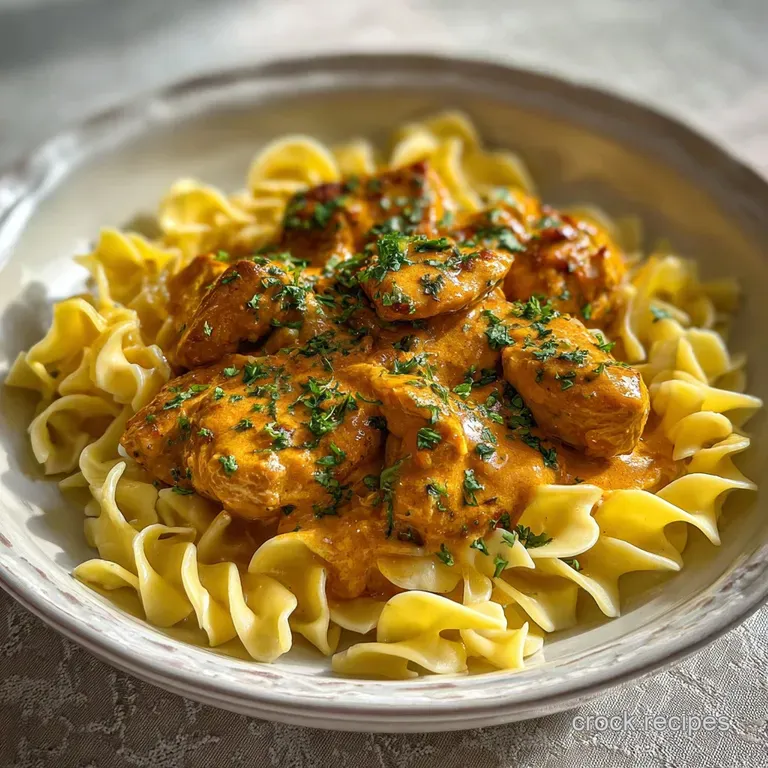
Let’s get cooking. This process is all about building layers of flavor, starting with the chicken fat and ending with the silken cream.
1. Searing for Flavor
Heat the lard in your large pot over medium high heat. Pat the 1.3 kg of chicken thighs dry with paper towels and season with half the salt. Place them in the pot, skin side down, and sear for 5 to 7 minutes until the skin is golden and shatters when pressed. Remove and set aside.
Note: Searing first renders the fat which will later carry the paprika flavor.
2. Building Aromatic Base
In the same fat, add the diced onions and bell pepper. Sauté over medium heat for about 10 minutes until they are translucent and just starting to brown. Add the minced garlic and cook for 1 more minute.
3. Blooming Paprika for Depth
Take the pot off the heat for a moment. Stir in the 3 tbsp of sweet paprika and 0.5 tsp of hot paprika. Note: This prevents the delicate spice from burning and turning bitter. Return to the heat and stir for 30 seconds until the oil turns a deep red and smells toasted.
4. Simmering to Succulence
Pour in the 250 ml of chicken stock and scrape the bottom of the pot to release any browned bits. Nestle the chicken thighs back into the liquid. Bring to a boil, then reduce heat to low.
Cover and simmer for 25 to 30 minutes until the chicken reaches an internal temp of 74°C.
5. Achieving Velvety Finish
In a small bowl, whisk the 180 ml of sour cream with the 1 tbsp of flour. Ladle a few spoonfuls of the hot braising liquid into the cream and whisk well. Note: This "tempering" prevents the cream from breaking in the hot pot. This technique is very similar to what I use in my Creamy Chicken Breast recipe to get that perfect consistency.
6. Final Sauce Thickening
Remove the chicken from the pot again. Stir the tempered cream mixture into the sauce. Simmer for 3 to 5 minutes until the sauce thickens and coats the back of a spoon. Taste and add the remaining salt and pepper.
7. Boiling the Noodles
While the sauce thickens, boil the 340g of egg noodles in salted water. Drain and immediately toss with the 2 tbsp of unsalted butter and half of the parsley until they are glossy and fragrant.
8. Serving the Masterpiece
Return the chicken to the sauce for a final minute to warm through. Serve the chicken and a generous ladle of sauce over the buttered noodles, garnished with the remaining fresh parsley.
Professional Secrets for Avoiding Common Mistakes
The most common heartbreak with this dish is a broken sauce or a bitter flavor. It's usually a simple fix, but knowing what to look for can save your dinner.
Preventing Bitter Base
If you let the paprika sit in the hot oil for too long without liquid, it will burn. If your sauce tastes acrid, the only solution is to start the onion and spice base over. Always have your stock ready to go before you add the paprika so you can stop the cooking process immediately after blooming.
Avoiding Watery Sauce
If the sauce feels too thin, it’s likely because the onions didn't cook down enough or the flour wasn't fully hydrated. You can let the sauce simmer uncovered for an extra few minutes after adding the cream, but be careful not to boil it too vigorously, or the cream might separate.
| Problem | Root Cause | Solution |
|---|---|---|
| Curdled Sauce | Added cold cream to hot liquid | Temper the cream with hot liquid first |
| Tough Chicken | Boiled too hard | Keep the simmer low and gentle |
| Dull Color | Old paprika or didn't bloom | Use fresh paprika and sizzle in fat briefly |
Common Mistakes Checklist:
- ✓ Don't skip the searing step; that rendered chicken fat is liquid gold for the flavor.
- ✓ Always dice the onions finely so they melt into a thick, uniform gravy.
- ✓ Never add cold sour cream directly to the boiling pot.
- ✓ Use a "sweet" Hungarian paprika, not a generic "chili powder" or "cayenne."
- ✓ Let the chicken rest for a few minutes before serving to keep the meat succulent.
Adaptable Options for Every Dietary Need
While the classic version is hard to beat, sometimes we need to make adjustments for guests or personal preferences.
Making it gluten-free
To make this dish gluten-free, swap the 1 tbsp of all purpose flour for cornstarch (use only 2 tsp of cornstarch mixed with cold water). For the noodles, use your favorite gluten-free egg noodle substitute or even serve it over mashed potatoes, which is actually quite common in some parts of Hungary.
Lightening Fat Content
If you want to reduce the fat, you can use 2% Greek yogurt instead of sour cream. However, you must be extremely careful with the temperature. Yogurt has less fat and more protein, meaning it curds almost instantly if it gets too hot. Add it at the very end with the heat turned completely off.
If you are looking for a completely different profile but still want that comforting soup like vibe, you might enjoy learning How to Make recipe for a savory miso chicken soup. It’s a different continent of flavor, but it hits that same "comfort" button.
Proper Methods for Storing Savory Leftovers
This dish is actually one of those rare gems that tastes even better the next day. The flavors in the sauce have time to meld, and the chicken absorbs even more of that paprika goodness.
Storage: Keep leftovers in an airtight container in the fridge for up to 3 days. When reheating, do it gently on the stovetop over low heat. If the sauce has thickened too much in the fridge, add a splash of chicken stock or water to loosen it back up.
Freezing: You can freeze the chicken and sauce for up to 2 months. I recommend freezing the sauce and chicken separately from the noodles, as egg noodles tend to get mushy when thawed. Thaw overnight in the fridge before reheating.
Zero Waste Tip: Don't throw away those parsley stems! Finely chop them and sauté them with the onions for extra flavor. If you have leftover sauce but no chicken, it makes an incredible base for a "Paprikash Mac and Cheese" the next day.
Ideal Side Dishes for Satisfying Meals
While the noodles are the traditional choice, you can definitely mix things up. A crisp, acidic side dish is the perfect foil for the rich, creamy sauce of this comfort food with creamy chicken paprikash and egg noodles.
In Hungary, it's very traditional to serve this with a cucumber salad (Uborkasaláta) made with thinly sliced cucumbers, vinegar, and a touch of sugar. The crunch and the tang cut right through the richness of the sour cream. If you're looking for something a bit more substantial but still fresh, our Bank Holiday Bliss recipe with peas and carrots offers a nice textural contrast.
- For more texture
- Serve over small dumplings called Nokedli instead of wide noodles.
- For a lower carb option
- Try it over steamed cauliflower or sautéed cabbage ribbons.
- For a party
- Serve it in a big pot in the center of the table with a loaf of crusty sourdough to mop up every drop of sauce.
Selecting Right Wine
If you’re a wine lover, reach for a dry Riesling or a Hungarian Furmint. You want something with high acidity to balance the fat of the cream, but enough fruitiness to stand up to the earthy paprika.
A light bodied red like a Pinot Noir can also work, but avoid anything with heavy tannins, as they can clash with the spice.
I hope you give this a try the next time it’s cold and gray outside. There is something truly magical about the way these simple ingredients come together to create such a deep, satisfying meal. It's proof that you don't need fancy techniques just a bit of patience and some really good paprika. Enjoy!
High in Sodium
875 mg mg of sodium per serving (38% % of daily value)
The American Heart Association recommends limiting sodium intake to about 2,300mg per day.
Sodium Reduction Tips for Your Chicken Paprikash
-
Broth Swap-30%
Use homemade or sodium free chicken stock. Standard chicken stock is a major sodium contributor. If you need to buy broth, make sure it is sodium free.
-
Salt Control-25%
Reduce the amount of added kosher salt by half, or eliminate it entirely and adjust to taste after cooking. Consider using a salt substitute.
-
Spice it Up-15%
Enhance the flavor profile with additional spices like smoked paprika, garlic powder, or onion powder instead of relying on salt. Experiment with different chili powders for heat.
-
Sour Cream Selection-5%
While sour cream itself isn't very high in sodium, ensure you're using plain, unflavored sour cream, as flavored versions may contain added salt.
-
Herb Power
Use a generous amount of fresh herbs like dill, chives, or more parsley to boost flavor without adding any sodium. Fresh herbs are sodium free!
Recipe FAQs
What is the best cut of chicken for Chicken Paprikash?
Chicken thighs are best. They stay juicy during the slow braising process and provide essential collagen for a rich sauce, unlike chicken breasts which can dry out quickly.
Why does my chicken paprikash sauce taste bitter?
Your paprika likely burned. Paprika is delicate and can turn bitter if cooked too long in hot fat without liquid. Bloom it briefly off the heat before adding stock.
How do I prevent the sour cream from curdling in the sauce?
Temper the sour cream. Whisk the sour cream with a small amount of the hot braising liquid before adding it to the pot. This gradually raises its temperature, preventing the proteins from clumping.
Can I use smoked paprika instead of sweet Hungarian paprika?
Yes, but it changes the flavor profile. Smoked paprika adds a bold, wood fired aroma that's delicious, but it won't yield the authentic "Old World" taste of traditional sweet Hungarian paprika. If you enjoy robust smoky notes, consider our How to Cook Chilli Chicken with Spicy Flavor: My Ultimate Family Recipe.
How can I make Chicken Paprikash gluten-free?
Use cornstarch and gluten-free noodles. Swap the flour for 2 teaspoons of cornstarch mixed with cold water to thicken the sauce, and serve over your favorite gluten-free egg noodles or even mashed potatoes.
How long should I simmer the chicken?
Simmer for 25 to 30 minutes. The chicken thighs should reach an internal temperature of 74°C (165°F) and be tender enough to pull away from the bone easily.
What are good side dishes for Chicken Paprikash?
Traditional sides include cucumber salad or dumplings. A crisp, acidic salad like Uborkasaláta (Hungarian cucumber salad) balances the rich sauce. For a similar comforting, yet distinct flavor, explore our Normandys Delight Classic French Chicken Casserole a la Normande.
Chicken Paprikash Egg Noodles
Ingredients:
Instructions:
Nutrition Facts:
| Calories | 1138 calories |
|---|---|
| Protein | 56g |
| Fat | 69g |
| Carbs | 73g |
| Fiber | 5g |
| Sugar | 7g |
| Sodium | 875mg |
