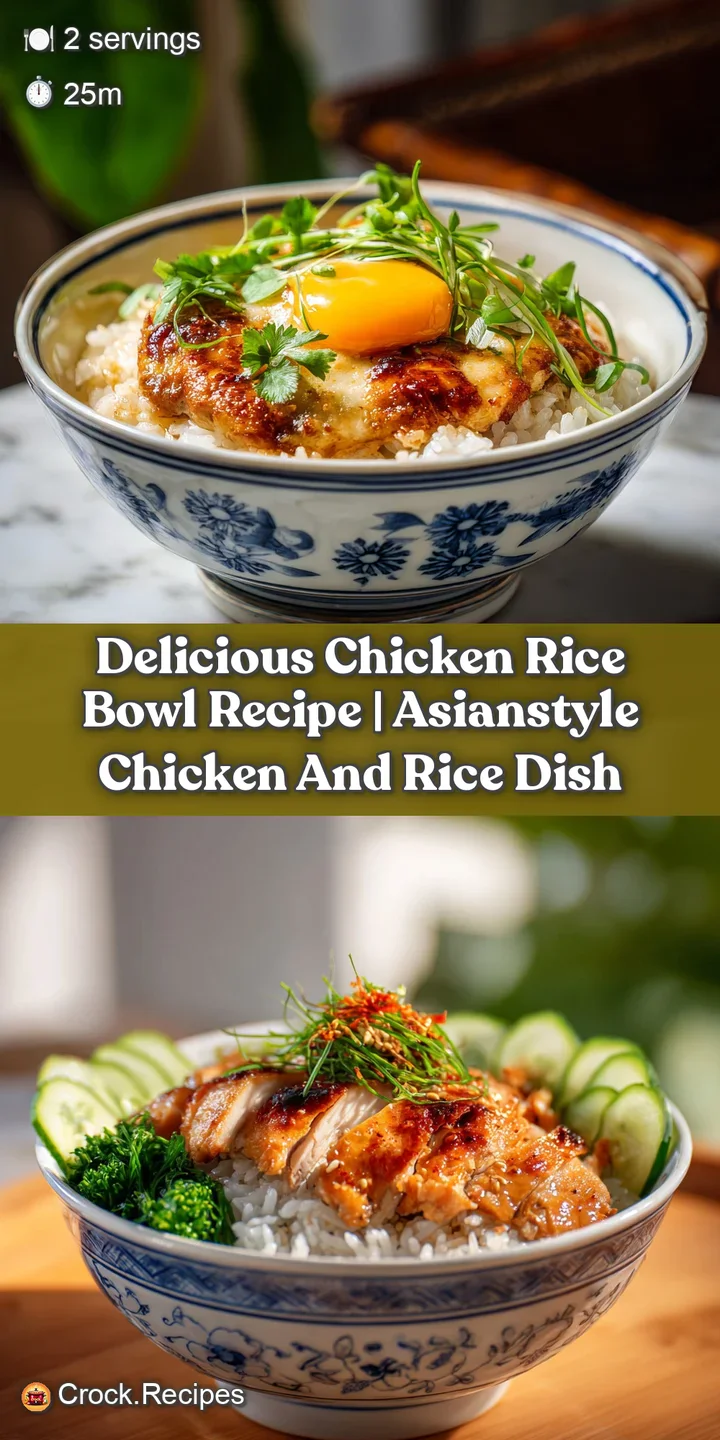
Delicious Chicken Rice Bowl: Savory and Quick
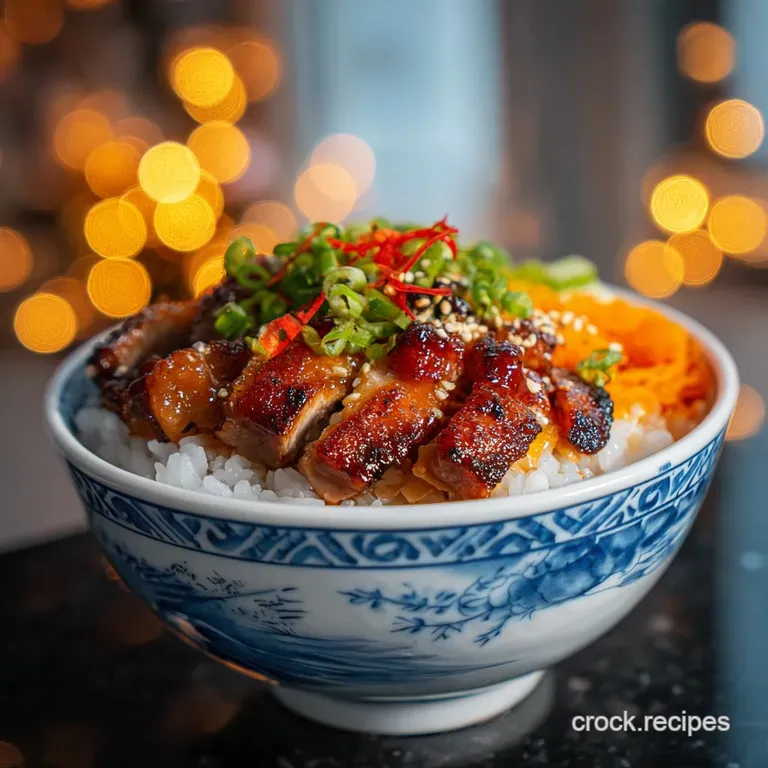
- Time: Active 10 minutes, Passive 15 minutes, Total 25 minutes
- Flavor/Texture Hook: Fluffy jasmine rice paired with velvety, honey glazed chicken
- Perfect for: High protein meal prep or a vibrant weeknight dinner
- Create a Vibrant and Delicious Chicken Rice Bowl Recipe
- Why This Vibrantly Balanced Bowl Actually Works
- Timing and Texture Checkpoints for Perfect Chicken
- The Essential Element Analysis for Every Component
- Gathering Your Elements and Smart Substitution Options
- The Heavy Duty Tools for Restaurant Results
- Executing the Perfect Sear and Fluffy Rice
- Mastering the Texture and Fixing Common Issues
- Adjusting the Volume for Any Crowd
- Comparing Fresh vs Shortcut Methods
- Adapting the Base for Global Flavor Profiles
- Strategic Storage and Smart Leftover Management
- Achieving Irresistible Visual Appeal for Every Serving
- Myths Regarding Rice and Searing
- Very High in Sodium
- Recipe FAQs
- 📝 Recipe Card
Create a Vibrant and Delicious Chicken Rice Bowl Recipe
Have you ever wondered why some rice bowls at that tiny street food spot just hit differently than the ones we throw together at home? It usually comes down to a single, surprising factor: the rice is never an afterthought.
Most of us treat rice like a blank canvas boring, white, and a bit flat but the secret to a truly irresistible bowl is infusing that grain with character before the chicken even touches the pan.
When you swap plain water for a rich chicken bone broth and throw in a smashed clove of garlic, the rice transforms from a side dish into a foundation that can actually stand on its own.
I remember a Tuesday night about three years ago when I was staring at a pack of chicken thighs and a half empty bag of jasmine rice. I was tired, I was hungry, and I almost just ordered takeout. Instead, I decided to stop treating my ingredients like chores and started treating them like layers.
I patted that chicken bone dry and I mean "paper towel obsession" dry and watched as it hit the hot avocado oil with a fierce sizzle. That sound is the first indicator of success. If it doesn't sizzle, it won't shatter when you bite into it.
This delicious chicken rice bowl recipe isn't about complex techniques; it’s about respecting the thermodynamics of your skillet and the hydration of your grains. We're going for a specific contrast here: fluffy, aromatic rice and chicken that's been seared until golden then lacquered in a ginger honey syrup.
It’s a global street food inspired dish that feels like a warm hug but looks like it belongs on a professional food photographer's grid. We’re going to get into the nitty gritty of why your rice might be sticky (and how to fix it) and why that mahogany glaze is the only sauce you’ll ever want to make again.
Why This Vibrantly Balanced Bowl Actually Works
Building a bowl that doesn't turn into a soggy mess by the time you reach the bottom requires a little bit of kitchen intuition. We're balancing fats, sugars, and starches in a way that keeps every bite distinct.
- The Moisture Barrier: Patting the chicken dry with paper towels removes surface moisture that would otherwise turn into steam. This allows the protein to undergo that beautiful browning process immediately upon contact with the hot oil, creating a crust that holds up even after the sauce is added.
- Starch Management: Rinsing the jasmine rice removes excess surface starch. If you skip this, those starches gelatinize into a sticky paste that clumps together; by washing it, we ensure each grain remains separate and velvety.
- Hydrolysis and Glazing: The honey in the sauce acts as an invert sugar, which provides a much glossier, more "clinging" texture than plain granulated sugar would. It creates that signature mahogany syrup that coats the meat without sliding off into a puddle.
- Aromatic Infusion: Simmering the rice with a smashed garlic clove and bone broth allows the grains to absorb savory compounds deep into their core, rather than just being seasoned on the surface.
Timing and Texture Checkpoints for Perfect Chicken
Knowing exactly when your chicken is ready to meet the sauce is the difference between a dry meal and a succulent one. Use these visual and thermal markers to guide your process.
| Chicken Thickness | Internal Temp | Rest Time | Visual Cue |
|---|---|---|---|
| 1 inch pieces | 165°F | 2 minutes | Opaque center, golden exterior |
| 0.5 inch strips | 165°F | 1 minute | Edges start to curl and crisp |
| 1.5 inch chunks | 165°F | 3 minutes | Firm to the touch, juice runs clear |
Getting the sear right is the most important part of this delicious chicken rice bowl recipe. If you move the chicken too early, you'll tear the proteins before they've had a chance to release naturally from the pan. Wait for that deep golden crust to form it's the foundation of the entire flavor profile. If you find yourself craving a deeper, slower cooked flavor profile on a chilly weekend, you might want to look at my Moroccan Chicken Stew which uses similar aromatics but in a completely different way.
The Essential Element Analysis for Every Component
Every ingredient in this bowl serves a specific functional purpose. We aren't just adding things for the sake of it; we are building a structure of flavor and texture.
| Component | Science Role | Pro Secret |
|---|---|---|
| Jasmine Rice | Starch Foundation | Use 1.5 parts broth to 1 part rice for the "fluff factor." |
| Chicken Thighs | Fat and Protein | Thighs stay juicy at high heat where breasts would dry out. |
| Honey | Glazing Agent | It prevents the soy sauce from becoming too salty as it reduces. |
| Fresh Ginger | Enzyme/Aromatic | Grate it directly into the sauce to keep the bright oils intact. |
Choosing the right rice is a big deal. Jasmine is a long grain variety that has a naturally floral aroma, which pairs perfectly with the ginger and sesame. If you swap it for a short grain rice, the bowl will feel much heavier and more like a risotto, which isn't what we’re aiming for here.
Gathering Your Elements and Smart Substitution Options
To make this delicious chicken rice bowl recipe, you'll need the following quantities exactly as listed. Don't eyeball the broth the ratio is the key to that fluffy rice.
- 1 lb boneless, skinless chicken thighs: Cut these into 1 inch pieces. Why this? Thighs have enough fat to handle the 3 minute sear without toughening up.
- 1 cup long grain jasmine rice: Why this? It provides a light, floral base that doesn't clump.
- 1.5 cups chicken bone broth: Why this? Adds collagen and deep savory notes compared to plain water.
- 1 tbsp neutral avocado oil: Why this? High smoke point means no burnt oil flavors during the sear.
- 2 tbsp low sodium soy sauce: Why this? Provides the salt and umami without overwhelming the dish.
- 1 tbsp honey: Why this? Creates the glossy, syrupy coating on the chicken.
- 1 tsp toasted sesame oil: Why this? A tiny bit adds a huge nutty aroma at the finish.
- 1 tsp freshly grated ginger: Why this? Cuts through the richness of the honey and chicken fat.
- 1 clove garlic: Smash it and leave it whole for the rice.
- 0.5 tsp kosher salt: For the initial chicken seasoning.
- 0.25 tsp cracked black pepper: For a hint of heat.
| Original Ingredient | Substitute | Why It Works |
|---|---|---|
| Chicken Thighs | Firm Tofu (pressed) | Absorbs the glaze well, though lacks the same fat content. |
| Jasmine Rice | Basmati Rice | Similar long grain structure; adds a more nutty flavor. |
| Honey | Maple Syrup | Same sugar concentration but adds a distinct woody sweetness. |
| Avocado Oil | Grapeseed Oil | Another high smoke point oil that won't burn at medium high heat. |
If you're out of bone broth, you can use a high-quality stock, but the bone broth really gives the rice a velvety mouthfeel that is hard to replicate. If you want to try a different take on rice altogether, check out my Saffron Rice Delight which uses a similar sautéing technique to build flavor.
The Heavy Duty Tools for Restaurant Results
You don't need a kitchen full of gadgets, but two specific items will make your life much easier. First, a heavy bottomed skillet is non negotiable. I personally love a 12 inch cast iron or a heavy stainless steel pan.
These materials hold heat much better than thin aluminum, meaning when you drop a pound of cold chicken into the pan, the temperature doesn't plummet. If the temp drops, the chicken steams instead of searing, and you lose that "shatter" texture we're looking for.
Second, a fine mesh strainer is essential for the rice. You want to be able to run cold water over the grains until the liquid coming out the bottom is crystal clear. This removes the surface starch that makes rice gummy.
A good rice bowl is defined by its grains; they should be separate and distinct, not a singular white mass. Also, keep a pair of tongs handy for the chicken they give you much more control for flipping each piece individually to ensure even browning.
Executing the Perfect Sear and Fluffy Rice
Ready to cook? Let's get that sizzle going. Follow these steps exactly for the best results.
- Rinse the jasmine rice under cold water in a fine mesh sieve until the water runs clear. Note: This prevents a "mushy" rice texture.
- Combine the rinsed rice, 1.5 cups chicken bone broth, and the smashed garlic clove in a medium saucepan.
- Bring to a boil, then immediately reduce heat to low, cover with a tight fitting lid, and simmer for 15 minutes.
- Pat the chicken pieces completely dry using paper towels. Note: Moisture is the enemy of a good sear!
- Season the chicken evenly with the kosher salt and cracked black pepper.
- Heat the avocado oil in your large skillet over medium high heat until it shimmers.
- Add chicken in a single layer and sear undisturbed for 3 minutes until a deep golden crust forms.
- Flip the chicken and continue cooking until it reaches an internal temperature of 165°F.
- Whisk the soy sauce, honey, grated ginger, and sesame oil in a small bowl while the chicken finishes.
- Pour the mixture into the skillet and stir constantly for 1-2 minutes until the sauce reduces into a thick, glossy syrup.
- Serve immediately by piling the glazed chicken over a generous bed of the garlic infused rice.
Mastering the Texture and Fixing Common Issues
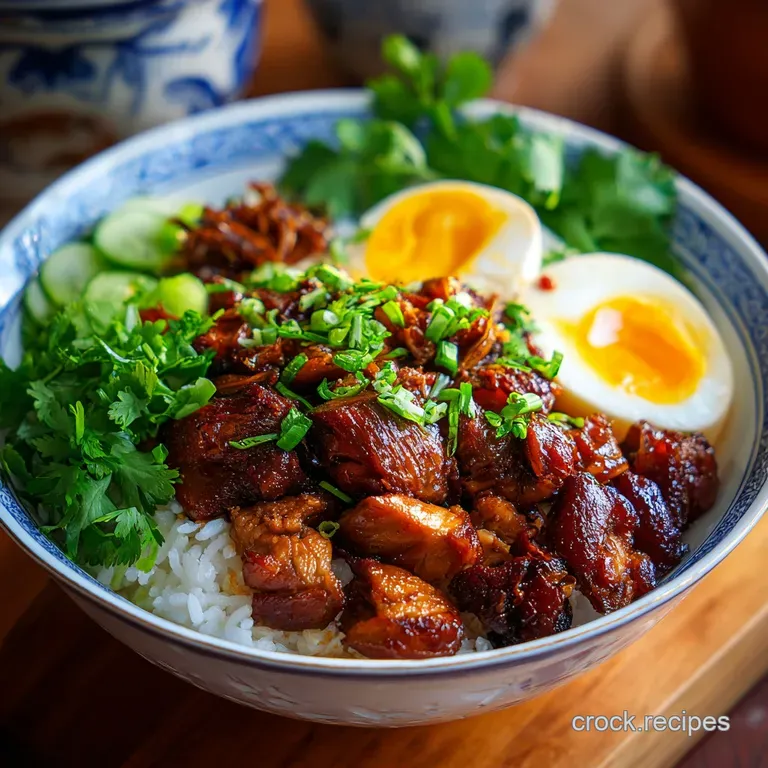
Even the best cooks run into trouble sometimes. The main issues with a bowl like this usually involve the texture of the rice or the thickness of the glaze.
Why Your Rice Is Gummy
If your rice feels more like paste than fluff, you likely had too much surface starch or too much liquid. Always measure your broth precisely. If you find the rice is done but there's still a puddle of liquid at the bottom, don't keep boiling it that will just overcook the grains.
Instead, turn off the heat, put the lid back on, and let it sit for 5 minutes. The residual heat will often finish the absorption without turning the grains to mush.
Why Your Glaze Is Thin
If you pour your sauce in and it stays watery, your pan might not have been hot enough, or you might have used too much soy sauce. The goal is "reduction." You want the water content in the soy sauce to evaporate, leaving behind the sugars and fats to create a syrup.
If it's not thickening, turn the heat up slightly and keep stirring. The honey will eventually reach a state where it bubbles vigorously and then suddenly turns thick and glossy.
| Problem | Root Cause | Solution |
|---|---|---|
| Chicken is rubbery | Overcooked or pan was too cold | Use a thermometer; sear fast at medium high heat. |
| Sauce is too salty | Soy sauce reduced too far | Add a splash of water or a squeeze of lime to balance. |
| Rice is crunchy | Not enough liquid or lid wasn't tight | Add 2 tbsp broth, cover tightly, and steam for 5 more mins. |
Common Mistakes Checklist:
- ✓ Never peek at the rice while it's simmering you’ll lose the steam needed for even cooking.
- ✓ Don't overcrowd the skillet; if the chicken pieces are touching, they will steam instead of sear.
- ✓ Always use fresh ginger the powdered stuff lacks the enzymatic "bite" that balances the honey.
- ✓ Make sure the avocado oil is shimmering (almost smoking) before the chicken goes in.
- ✓ Let the chicken rest for a minute before serving to allow the juices to redistribute.
Adjusting the Volume for Any Crowd
Whether you're cooking for one or hosting a small gathering, this delicious chicken rice bowl recipe scales beautifully if you follow a few simple rules.
Scaling Down (Single Serving): If you're just cooking for yourself, cut the recipe in half. You can still use a medium saucepan for the rice, but keep a close eye on the liquid levels as it may evaporate slightly faster in a larger pan.
For the chicken, a smaller 8 inch skillet will work perfectly and prevent the sauce from spreading too thin and burning.
Scaling Up (Parties of 4-8): When doubling or tripling the recipe, the biggest mistake is trying to cook all the chicken at once. Work in batches! If you dump 2 or 3 pounds of chicken into a single pan, the temperature will drop, the juices will release, and you'll end up with "gray" boiled chicken instead of golden brown nuggets.
Cook the chicken in two batches, then return it all to the pan at the very end to toss with the sauce. For the rice, use a large pot and remember that you may need to add an extra 2-3 minutes to the simmer time because of the increased thermal mass.
Comparing Fresh vs Shortcut Methods
Sometimes we have the time to do it all from scratch, and sometimes we need dinner on the table in ten minutes. Here is how the two approaches stack up.
| Feature | Fresh Method (This Recipe) | Shortcut Method |
|---|---|---|
| Rice Flavor | Deeply savory, garlic scented | Neutral, slightly dry |
| Chicken Texture | Crispy exterior, juicy interior | Soft, often lacks a crust |
| Sauce Quality | Bright, zingy, and glossy | Can be overly salty or chemical tasting |
The Shortcut Reality: Using pre cooked rotisserie chicken and microwave rice will get you fed in 5 minutes. However, you'll lose that beautiful mahogany glaze and the "shatter" of the seared chicken.
If you must use a shortcut, at least make the sauce from scratch it takes 30 seconds to whisk and makes a world of difference.
Adapting the Base for Global Flavor Profiles
This bowl is a fantastic template. Once you've mastered the basic technique of searing and glazing, you can swap the aromatics to travel around the world.
For a Teriyaki Chicken Rice Bowl
Swap the honey for brown sugar and add a splash of mirin to the sauce mixture. Garnish with plenty of toasted sesame seeds and sliced scallions. This version is a bit sweeter and has that classic Japanese inspired profile that everyone loves.
To Make a Mediterranean Chicken Rice Bowl
Ditch the soy and ginger. Season the chicken with dried oregano, lemon zest, and garlic. Instead of a honey glaze, finish the chicken with a squeeze of fresh lemon juice and a drizzle of high-quality olive oil. Serve over the rice with some crumbled feta and diced cucumbers.
To Make a Mexican Chicken Rice Bowl
Season the chicken with cumin, smoked paprika, and chili powder. Use lime juice instead of sesame oil in the finish. Stir some chopped cilantro and a squeeze of lime into the rice once it's finished cooking. Top with sliced avocado and a dollop of Greek yogurt or sour cream.
Strategic Storage and Smart Leftover Management
This dish is a meal prep superstar, but you have to be smart about how you store it to keep the textures from degrading.
- Fridge
- Store the chicken and rice in airtight containers for up to 3 days. I recommend storing them together so the rice can soak up any extra glaze from the chicken as it sits.
- Freezer
- The rice freezes surprisingly well! Place it in a freezer bag, press it flat, and it will keep for 2 months. The glazed chicken also freezes well, though the "crust" will soften significantly.
- Reheating
- Avoid the microwave if you have an extra five minutes. Reheat the chicken in a dry skillet over medium heat to try and revive some of the texture. For the rice, add a teaspoon of water and cover it to steam it back to life.
Zero Waste Tips: Don't toss that smashed garlic clove from the rice pot mash it into a paste and stir it back into the grains! Also, if you have leftover ginger, peel it and throw it in the freezer. It actually grates much easier when frozen, and it stays fresh for months.
If you have extra sauce left in the pan, toss in some leftover broccoli or snap peas for a quick side dish.
Achieving Irresistible Visual Appeal for Every Serving
We eat with our eyes first, and a "vibrant" bowl needs a little bit of styling to look as good as it tastes. The contrast between the white rice and the dark mahogany chicken is already beautiful, but you can take it further.
For Restaurant Quality Plating: Don't just dump the chicken on top of the rice. Place the rice in the bowl first, using a spoon to create a small "nest" or indentation in the center. Pile the chicken high in that nest.
This prevents the sauce from immediately running to the bottom and soaking all the rice at once.
The "Final Flourish": A sprinkle of sliced green onions (cut on a sharp bias) adds a pop of bright green that makes the mahogany chicken look even richer. A few chili flakes or a drizzle of sriracha adds heat and a bit of red contrast.
If you want that "glistening" look you see in photos, save a tiny bit of the sesame oil and brush it onto the chicken right before you bring the bowl to the table. It catches the light and makes the glaze look even more velvety.
Myths Regarding Rice and Searing
Let's clear up some common kitchen misconceptions that might be holding you back from the perfect bowl.
- Myth 1: Rinsing rice removes all the nutrients. While some surface vitamins are lost, the structural benefit of removing excess starch far outweighs it for this specific dish. If you want more nutrition, use bone broth like we do here it adds way more than the rice rinse takes away.
- Myth 2: Searing meat "seals in" the juices. This is one of those old school kitchen myths that just won't die. Searing doesn't create a moisture proof barrier; it creates flavor. The crust is all about the Maillard reaction (the browning of sugars and proteins), which gives us that deep, savory taste. The juiciness actually comes from not overcooking the meat once that crust is formed.
- Myth 3: You need a rice cooker for perfect grains. While rice cookers are great, a heavy bottomed pot with a tight lid is just as effective if you respect the ratios and the "no peeking" rule.
This delicious chicken rice bowl recipe is proof that you don't need a hundred ingredients to make something that feels special. It's all about the sizzle of the pan, the aroma of the ginger, and that final, glossy coat of honey and soy. Enjoy your cooking!
Very High in Sodium
1080 mg of sodium per serving (47% of daily value)
The American Heart Association recommends limiting sodium intake to no more than 2,300mg per day, with an ideal limit of less than 1,500mg per day for most adults.
Tips to Reduce Sodium
-
Swap Chicken Bone Broth-30%
Replace the 1.5 cups of regular chicken bone broth with low-sodium or no-salt added chicken broth. This is a significant source of sodium.
-
Reduce Added Salt-25%
Eliminate the 0.5 tsp of kosher salt entirely. You can compensate for flavor with other ingredients.
-
Use Low-Sodium Soy Sauce-10%
You are already using low-sodium soy sauce, which is great. Ensure it's the lowest sodium option available.
-
Boost Flavor with Aromatics and Spices
Increase the amounts of fresh ginger and garlic. Add other non-sodium seasonings like chili flakes, curry powder, or smoked paprika to enhance taste without salt.
-
Add Fresh Vegetables-5%
Incorporate a variety of fresh vegetables like bell peppers, onions, or broccoli. These add bulk and flavor without adding sodium.
Recipe FAQs
Is it true I need to wash the jasmine rice before cooking?
Yes, rinsing is essential. You must rinse the rice under cold water until it runs clear to remove excess surface starch, which ensures the grains remain fluffy and distinct rather than gummy.
How to ensure the chicken develops a deep golden crust?
Pat the chicken completely dry with paper towels before seasoning. Excess surface moisture prevents browning; by removing it, you allow the chicken to sear undisturbed in the hot avocado oil for exactly 3 minutes.
How to know exactly when the chicken is cooked through?
Use an instant read thermometer to verify an internal temperature of 165°F. Relying on this precise measurement ensures the chicken remains juicy rather than dry, a technique you can apply to achieve perfect results in our roast chicken recipe.
How to achieve the perfect mahogany glaze consistency?
Stir the chicken constantly in the sauce for 1-2 minutes. This process reduces the soy sauce, honey, ginger, and sesame oil mixture until it thickens into a glossy syrup that clings to the meat.
Can I prepare this meal in advance for busy weekdays?
Yes, the glazed chicken stores well for up to 3 days. For the best texture, keep the chicken stored separately from the rice and reheat gently before serving.
Is it necessary to use bone broth instead of water for the rice?
Yes, the broth adds significant depth. While water will hydrate the rice, simmering in chicken bone broth with a smashed garlic clove builds a savory foundation that elevates the entire bowl.
How to prevent the honey from burning in the skillet?
Wait until the chicken is fully cooked before adding the honey based glaze. Because honey has a low smoke point, it should only be added at the end for the final 1-2 minutes of rapid reduction.
Chicken Rice Bowl
Ingredients:
Instructions:
Nutrition Facts:
| Calories | 748 kcal |
|---|---|
| Protein | 55.8 g |
| Fat | 19.2 g |
| Carbs | 86.5 g |
| Fiber | 1.2 g |
| Sugar | 9.4 g |
| Sodium | 1080 mg |
