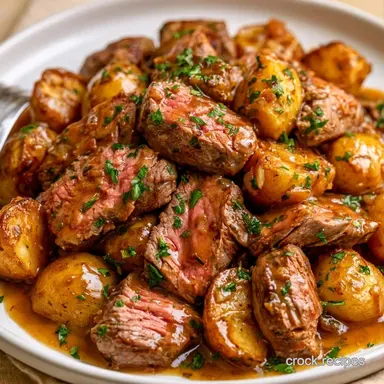
Chuck Roast Steak with Potatoes in 4 Hours
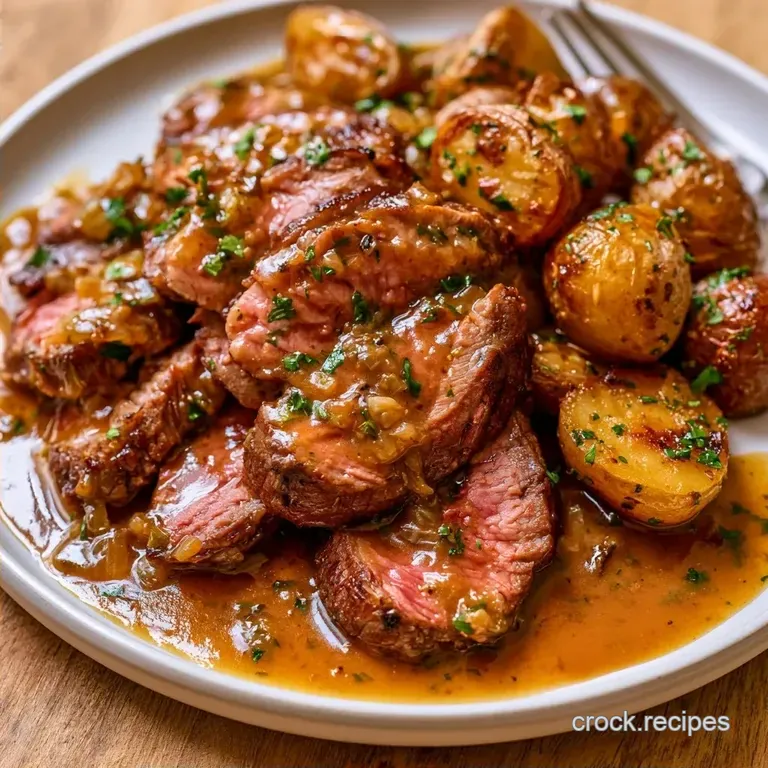
- Timing: 15 min active + 4 hours cooking
- Flavor/Texture Hook: A deep mahogany crust paired with herb-infused root vegetables
- Perfect for: Warm winter evenings or traditional family Sundays
The sound of the meat searing in hot oil is an absolute highlight. For a while, I fell for the misconception that chuck roast had to be cooked into a pulp to be palatable. I confused "tenderness" with "mushiness," which led me to overcook my beef for years until it had the consistency of soggy cardboard, simply because I feared it would remain tough.
I eventually learned that the aim is to evolve the meat rather than pulverize it. You're looking for a striking balance between a salty, charred exterior and a center that effortlessly splits with a fork. This makes the Chuck Roast Steak with Potatoes a guaranteed success.
It's a comforting, soulful dish that provides immense satisfaction without demanding your constant attention at the stove.
The result is a rich, savory gravy and vegetables that retain their structure. There is no flour roux in this recipe. Instead, we rely on the natural collagen and fats to thicken the sauce. This streamlined method delivers a purer, more concentrated beef essence.
Chuck Roast Steak with Potatoes
Wait, let's get a few things straight first. Most people think you need a fancy pressure cooker to get the meat tender. You don't. A standard Dutch oven and a bit of patience do the trick. The real magic happens when the meat is chuck roast steak and potatoes in the oven at a steady, low temperature.
The contrast here is what makes it. You have the bright, acidic hit from the apple cider vinegar cutting through the heavy, rich beef fat. Then you have the sweetness of the carrots against the salty, seared crust. It's a balance that keeps the dish from feeling too heavy.
I once tried to skip the searing step to save ten minutes. Big mistake. The meat looked grey and the sauce tasted thin. Now, I treat the sear like it's the most important part of the meal. If it doesn't look like mahogany, it's not ready.
Why the Beef Gets Tender
You might wonder why we don't just grill this like a ribeye. Chuck is full of collagen, which is a tough protein. When you cook it slowly in liquid, that collagen melts into gelatin. This is what gives the sauce its velvety feel and the meat its tenderness.
The Low Heat: Keeping the oven at 163°C prevents the muscle fibers from tightening up and squeezing out all the moisture.
Acidic Balance: The vinegar helps break down the connective tissues and brightens the heavy flavors of the chuck roast beef and potatoes.
If you enjoy this kind of slow cooked depth, you'll love my Classic beef bourguignon recipe, which uses a similar braising logic.
The Pantry List
When picking your meat, look for a piece with decent marbling. Those white streaks of fat are what keep the roast from drying out over four hours. For the roast beef with potatoes and carrots, the quality of the broth also matters. A low sodium version lets you control the salt.
| Ingredient | What It Does | Best Swap |
|---|---|---|
| Beef Chuck Roast | Main protein and gelatin source | Bottom round (leaner, tougher) |
| Tomato Paste | Adds umami and dark color | Concentrated tomato puree |
| Apple Cider Vinegar | Cuts through fat, tenderizes | Red wine vinegar |
| Beef Broth | Braising medium for moisture | Bone broth (richer flavor) |
Choosing the right potato is key. Baby potatoes are great because they don't fall apart as easily as Russets during a long braise.
Full Ingredient List:
- 3 lb beef chuck roast, trimmed of excess surface fat
- 2 tbsp olive oil
- 1 large yellow onion, coarsely chopped
- 4 cloves garlic, smashed
- 1 tbsp tomato paste
- 2 cups low sodium beef broth
- 1 tbsp apple cider vinegar
- 2 sprigs fresh rosemary
- 3 sprigs fresh thyme
- 2 bay leaves
- 1.5 lb baby potatoes, halvedWhy this? Holds shape during long braises
- 4 large carrots, cut into 2 inch chunksWhy this? Large cuts prevent them from turning to mush
- 1 tsp coarse sea salt
- 1 tsp cracked black pepper
Fresh vs. Shortcut Comparison
| Component | Fresh Method | Shortcut Method | Outcome |
|---|---|---|---|
| Aromatics | Fresh Onion & Garlic | Onion/Garlic Powder | Fresh provides layers of sweetness |
| Herbs | Fresh Rosemary/Thyme | Dried Herbs | Fresh is more aromatic and floral |
| Deglazing | Apple Cider Vinegar | Water or extra broth | Vinegar adds a necessary tang |
Tools for the Job
A heavy pot is essential for this recipe, though you don't need a professional setup. I recommend a cast iron Dutch oven for its consistent heat distribution, but any oven safe pot with a secure lid works well.
- Dutch Oven: A 5-7 quart capacity is ideal.
- Meat Thermometer: To ensure the meat is cooked to your preference.
- Tongs: For rotating the roast without piercing the surface.
- Paper Towels: Crucial for patting the beef dry before searing.
Chef's Note: If your pot's lid doesn't seal tightly, place a piece of foil or parchment paper over the top before closing it. This traps the steam and prevents the liquid from evaporating too quickly.
Cooking the Roast
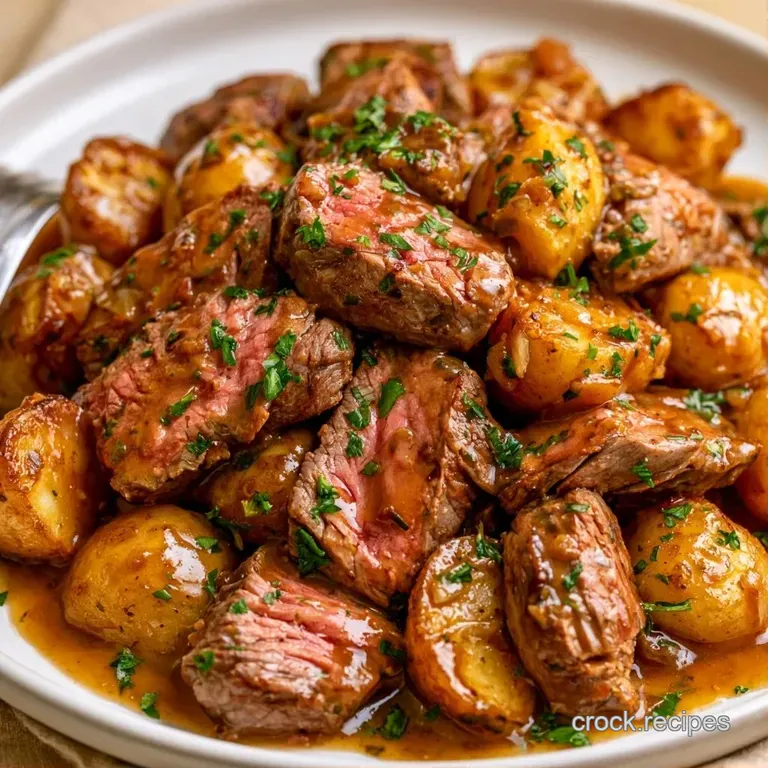
Let's begin the cooking process. Use your senses watch the color changes and smell the aromas to guide your timing. This is the most consistent method for preparing a chuck roast steak.
Phase 1: The Initial Sear
- Thoroughly pat the beef dry with paper towels and season all sides generously with salt and pepper. Note: Wet meat steams instead of searing
- Heat olive oil in the Dutch oven over medium high heat until it shimmers.
- Brown the meat for 5–7 minutes on each side until a rich, dark crust develops. Transfer the roast to a plate.
Phase 2: Building the Flavor Base
- Reduce the heat to medium. Sauté the chopped onions until translucent (about 4 minutes).
- Stir in the smashed garlic and tomato paste, cooking for another 2 minutes until the paste reaches a dark brick red hue.
- Deglaze the pan with apple cider vinegar, scraping up all the flavorful browned bits (fond) from the bottom.
Phase 3: The Slow Braise
- Place the seared roast back into the pot and pour in beef broth until the meat is half submerged.
- Arrange the rosemary, thyme, and bay leaves around the beef.
- Cover with a tight fitting lid and move the pot to a preheated oven at 325°F (163°C).
- Roast for 2 hours.
Phase 4: Adding the Roots
- Remove the pot from the oven and carefully stir in the halved baby potatoes and carrot chunks.
- Cover again and return to the oven for another 2 hours until the beef is fork tender and the carrots are soft.
Precision Checkpoints:
- Searing: 5-7 minutes per side for the crust.
- Oven Temp: 325°F (163°C).
- Total Braise: 4 hours total (split into two 2 hour phases).
Fixing Common Issues
Even with a strategy, things can go wrong. Here are some solutions for the most frequent issues you might encounter with this roast.
Meat remains tough
If the beef feels chewy or resists the fork, it hasn't cooked long enough. Collagen breakdown is a matter of time, not just temperature. Cover the pot and let it cook for another 30-45 minutes in the oven until it hits that "melting" point.
Potatoes turning to mush
This usually happens if the potatoes are too small or added too early. For this reason, I add them halfway through. If you are using very small new potatoes, wait until the final 90 minutes of cooking.
Sauce is too thin
Since no flour was used, the sauce may resemble a thin soup. Move the meat and vegetables to a platter. Place the pot on the stove over high heat and boil the liquid for 8-10 minutes to reduce it into a glossy glaze.
Meat is too dry
This typically occurs if the meat was completely submerged in liquid or the oven temperature was too high. Ensure the broth only reaches halfway up the roast so the top half steams instead of boiling.
Different Flavor Twists
You can easily tweak this recipe to fit your mood. If you want something a bit more "stew like," you can chop the beef into 2 inch cubes instead of leaving it as a roast. This creates a Chuck roast beef stew with potatoes that cooks slightly faster.
Decision Shortcuts:
- Thicker gravy? → Simmer sauce 10 mins on the stove.
- More zing? → Stir in 1 tsp lemon juice at the end.
- Extra color? → Sear the meat 2 mins longer per side.
For those who love the flavors of this roast but want a different format, you can use the leftovers to make Shredded Beef Enchiladas. The slow cooked tenderness is perfect for rolling into tortillas.
If you have a slow cooker, you can adapt this into a slow cooker chuck roast steak with potatoes. Sear the meat and sauté the aromatics in a pan first, then dump everything into the crockpot on LOW for 8 hours.
Saving Your Leftovers
The flavor actually improves overnight as the ingredients meld and the sauce sets in the refrigerator.
Keeping Your Leftovers: - Refrigerator: Keep in a tightly closed bowl for 3-4 days. - Freezer: The beef and potatoes can be kept in the sauce for 3 months in the freezer. Let it defrost in the fridge overnight prior to warming up.
How to Reheat: For the best results, warm the meal in a pan over medium heat, adding a bit of beef broth to keep the meat tender. I recommend skipping the microwave to ensure the beef doesn't become rubbery.
Sustainability Tips: Save any remaining braising liquid; it's an excellent foundation for a savory gravy for mashed potatoes or a French onion soup. Similarly, place your carrot peels and other vegetable trimmings in a freezer bag to create a home style stock.
While this oven baked steak and potatoes dish stores well, make sure the meat stays covered by the sauce while chilled to maintain its moisture.
Best Sides to Serve
Since the Chuck Roast Steak with Potatoes already has the meat and the starch covered, you just need something bright and fresh to cut through the richness.
The Low Carb Pairing: A side of steamed green beans with lemon zest or a crisp arugula salad with a sharp vinaigrette works well. The acidity cleans the palate between bites of the rich beef.
The Classic Comfort Pairing: If you're going all in on comfort food, serve this with a side of buttery mashed cauliflower or some crusty sourdough bread to soak up every drop of the sauce.
When serving this easy chuck roast steak with potatoes, I like to sprinkle a bit of fresh parsley over the top. The pop of green makes the mahogany colors of the beef and carrots look even better on the plate. Trust me, the presentation matters as much as the taste when you're serving this to guests.
Recipe FAQs
How to cook a chuck roast in the oven with potatoes and carrots?
Roast at 325°F (163°C) in a Dutch oven after searing the beef and sautéing aromatics.
Tip: Pat the beef completely dry before searing to ensure a mahogany crust.
Do you need a slow cooker to make this beef tender?
No, this is a common misconception. A Dutch oven provides steady, low heat that breaks down connective tissue perfectly.
Tip: Use a tight fitting lid to keep moisture trapped during the braise.
What can I use if I prefer a liquid based beef meal over a roast?
Simmer the meat with extra beef broth and root vegetables, similar to a classic beef stew.
Tip: Cut the beef into smaller cubes for faster cooking in stews.
Is chuck roast too tough to be served as a steak?
Actually, no. Slow braising transforms the collagen into gelatin, resulting in a tender, melt-in-your mouth texture.
Tip: Let the meat rest for 10 minutes before slicing to retain juices.
Chuck Roast Steak With Potatoes