The Golden Broth Emerald Greens Classic Homestyle Chinese Vegetable Soup
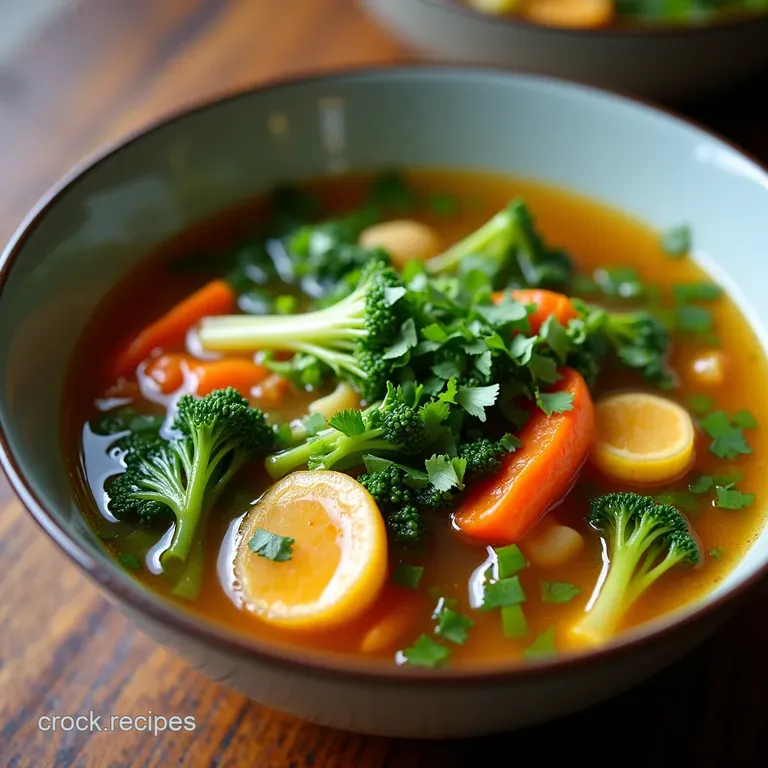
- Why This Chinese Vegetable Soup Recipe Deserves a Spot in Your Rotation
- The Soul of the Dish: Understanding Authentic Aromatics
- Sourcing the Emerald Harvest: Essential Components for Richness
- The Alchemy of Flavor: Building the Perfect Broth Base
- Step-by-Step Mastery: Creating Your Signature Chinese Vegetable Soup
- The Art of the Simmer: Developing Depth in Every Drop
- Transformations and Twists: Customizing Your Vegetable Soup
- Storage Secrets: Keeping Your Broth Brilliant for Days
- Recipe FAQs
- 📝 Recipe Card
Why This Chinese Vegetable Soup Recipe Deserves a Spot in Your Rotation
There is a profound simplicity in a well executed Chinese Vegetable Soup . It’s not a heavy stew or a creamy chowder; rather, it's a pure celebration of fresh produce suspended in an impossibly clear, fragrant broth.
This Chinese Vegetable Soup recipe transforms humble ingredients ginger, garlic, and a handful of crisp vegetables into something deeply restorative.
As an expert food writer, I can promise that once you master the art of building this foundational stock, you unlock the key to dozens of East Asian dishes. This particular approach focuses on achieving that signature umami depth without relying on heavy fats or extensive simmering times, making it an ideal candidate for weeknight cooking when flavour must be delivered quickly.
The Soul of the Dish: Understanding Authentic Aromatics
The flavour profile of a truly great healthy chinese vegetable soup hinges entirely on its aromatic base. We are seeking fragrance, not overwhelming spice. Unlike some robust Western soups where aromatics are sweated until deeply caramelized, here, we treat ginger and garlic with respect, gently waking up their essential oils.
This technique ensures that the finished soup remains transparent, light, and focused on the clean taste of the vegetables rather than a heavy, browned foundation.
More Than a Side: Elevating Simple Greens to Comfort Food Status
Often, these soups are relegated to the role of a starter, but with the right balance of components, this dish stands powerfully on its own. By including ingredients like firm tofu which provides substance and protein and utilizing varied textures from crisp carrots to tender bok choy, we create a complete textural experience.
The secret to making this a meal lies in ensuring every element, from the mushroom's earthiness to the snap of snow peas, contributes meaningfully to the overall comfort factor.
A Light Yet Satisfying Meal: Perfecting the Mid-Week Dinner
If you are looking for an easy chinese vegetable soup that fits seamlessly into a busy schedule, this recipe is your answer. With only 20 minutes of prep time and 30 minutes dedicated to cooking, you have a nutritious, soul soothing meal on the table in under an hour.
Its inherently light chinese vegetable soup nature means you won't feel weighed down, perfect for those evenings when you desire nourishment without heaviness.
Unlocking Restaurant Flavor Without a Reservation
Many home cooks struggle to replicate that crystalline clarity and layered flavour found in professional kitchens. We achieve this through two critical steps: using high-quality stock and respecting the shiitake mushroom soaking liquid. This liquid holds incredible depth.
By incorporating it while carefully straining out any sediment we inject a powerful, natural umami that mimics days of simmering stock, immediately elevating your bowl to restaurant quality.
Sourcing the Emerald Harvest: Essential Components for Richness
To create this signature dish, you’ll need a balanced approach to your chinese vegetable soup ingredients . Think about colour, crunch, and absorption. We use 6 cups of either vegetable or chicken stock as our canvas.
For structure, we rely on firm tofu, about 7 oz, pressed and cubed to hold its shape. The vegetables selected offer a spectrum of textures: hearty carrots, delicate bok choy, and quick cooking snow peas. We focus on using fresh aromatics ginger and garlic for the underpinning fragrance.
The Alchemy of Flavor: Building the Perfect Broth Base
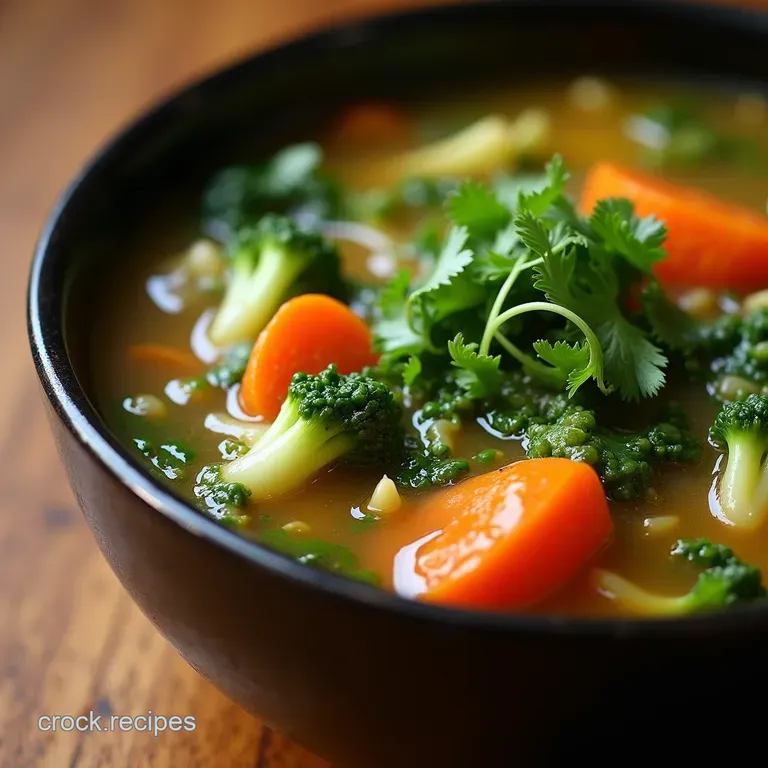
The foundation of any great soup is its liquid, and for a supreme chinese vegetable soup broth , we must treat this liquid with care. We begin by gently sautéing the fresh aromatics before adding the main volume of stock.
Crucially, we also integrate the liquid reserved from soaking our dried shiitake mushrooms. This nutrient dense, earthy liquor forms the bedrock of the flavor profile, adding significant complexity before any seasoning is added.
Your Must Have Vegetable Arsenal (And Smart Substitutions)
For this recipe, aim for at least four distinct vegetables to ensure visual appeal and textural interest. Essential additions include carrots (thinly sliced for quick cooking), bok choy (separating the stems from the leaves is key), and crisp snow peas.
If you can't find bok choy, Napa cabbage works beautifully; its structure softens nicely while still retaining a slight bite. For those seeking an even heartier bowl, adding thin egg noodles during the final stages transforms this into a delightful chinese vegetable soup with noodles .
A Culinary Toolkit: Essential Equipment for This Recipe
Fortunately, you don't need specialized gear for this preparation. A large stockpot or Dutch oven something that can comfortably hold 4 quarts is paramount for allowing the ingredients space to cook evenly.
You will also need a small bowl dedicated to creating your thickening slurry, which requires thorough whisking to eliminate lumps. A fine mesh sieve is highly recommended for carefully straining that precious mushroom soaking liquid.
Prep Strategy: Maximizing Flavor Through Proper Cutting Techniques
Precision in cutting is vital for even cooking times. Carrots should be sliced thinly or cut into fine matchsticks. The bok choy stems should be separated from the leaves and treated almost like a separate vegetable, as they require more time to soften than the delicate greens.
The ginger should be thinly sliced or grated, depending on how intense you prefer its presence in the final sip thin slices provide gentler flavour notes.
Related Recipes Worth Trying
- Hearty Chinese Vegetable Soup Recipe A Restorative Weeknight Dinner — Ditch the takeaway This easy Chinese Vegetable Soup recipe delivers a fragrant restorative broth packed with bok choy and ginger in under 45 minutes
- MapleThyme Roasted Root Vegetables Easy Vegetable Side Dishes — Transform humble roots into star Vegetable Side Dishes with this simple recipe Get tender vegetables coated in a sticky maplethyme glaze A delicious...
- The Ultimate Creamy Cheesy Vegetable Soup Recipe Velvety Easy — Forget watery broth This Creamy Cheesy Vegetable Soup uses a sharp CheddarGruyère blend for a truly velvety finish A comforting easy weeknight winner
step-by-step Mastery: Creating Your Signature Chinese Vegetable Soup
The creation of this soup follows a deliberate sequence designed to layer flavour effectively. We start by waking up the aromatics fresh ginger and the white parts of the green onions in a touch of neutral oil over medium heat, being cautious not to brown them, as this would darken the desirable clarity of our final product.
Once fragrant, we introduce the 6 cups of stock along with the rehydrated, sliced shiitake mushrooms and their reserved, strained soaking liquid. This mixture is brought to a gentle simmer.
The Art of the Simmer: Developing Depth in Every Drop
True depth of flavour in this Chinese Vegetable Soup comes from a controlled simmer rather than a rolling boil. This gentle heat allows the flavors to meld without aggressively evaporating the delicate aromatic notes.
Phase One: Activating the Aromatics for Maximum Impact
After the stock has been added, we follow with the carrots and the tougher white stems of the bok choy. These hardier components need about 5 to 7 minutes of simmering time to become tender crisp.
It is at this stage we introduce the primary seasonings: 2 tablespoons of light soy sauce (or Tamari) and half a teaspoon of white pepper. Always taste the broth before adding extra salt, as commercial stocks can vary widely in sodium content.
Layering Textures: Incorporating Hardy Versus Delicate Ingredients
Once the carrots have achieved the right level of tenderness, it’s time to introduce the softer textures. This includes the cubed, firm tofu —which should be patted dry beforehand to help it maintain its shape and the reserved, vibrant green leaves of the bok choy.
These only require about 2 minutes of simmering to wilt perfectly. If you are incorporating snow peas, they go in alongside the bok choy leaves to retain their bright green hue and satisfying crunch.
The Finishing Touch: Achieving That Silky, Restaurant Quality Mouthfeel
The signature silky texture associated with the best versions of Chinese Vegetable Soup with Tofu is achieved through a slurry. In a separate small bowl, whisk 2 tablespoons of cornstarch with 4 tablespoons of cold water until completely smooth.
With the soup simmering gently, slowly drizzle this slurry into the pot while stirring constantly. The soup will thicken almost instantly, transforming from watery to lightly glossy and coating the back of a spoon beautifully.
Remove the pot from the heat immediately before stirring in the final notes: a teaspoon of toasted sesame oil. This oil is best added off the heat to preserve its complex aroma.
Transformations and Twists: Customizing Your Vegetable Soup
While the base recipe is exquisite in its simplicity, customization is encouraged. For a heartier version, stir in 4 ounces of pre-cooked thin vermicelli or egg noodles right after thickening the broth.
If you prefer a protein boost beyond tofu, add 1 cup of shredded, poached chicken breast during the last 5 minutes of cooking. For those who favour a bit of heat, a swirl of chili oil or a pinch of dried red pepper flakes added with the initial stock can provide a pleasant warmth without altering the clean profile too much.
Storage Secrets: Keeping Your Broth Brilliant for Days
This Chinese Vegetable Soup stores exceptionally well. Transfer cooled leftovers to airtight containers. It will generally keep well in the refrigerator for up to four days. When reheating, do so gently on the stovetop over low heat, stirring occasionally.
If the soup has thinned slightly upon refrigeration, you can re-thicken it by preparing a very small additional slurry (1 teaspoon cornstarch to 2 teaspoons water) and whisking it in as the soup returns to a simmer.
Making It 'Made' Better: Optional Protein Additions
While tofu is featured prominently, this broth acts as a wonderful vehicle for other proteins. Small, peeled shrimp added during the last three minutes of simmering will cook quickly and delicately, offering a lovely sea flavour contrast to the earthy mushrooms.
Alternatively, 4 oz of shredded rotisserie chicken can be tossed in at the end simply to warm through.
Nutritional Snapshot: Why This Broth is Good For You
This soup is inherently low in fat and calories, making it a powerhouse of hydration and micronutrients derived from the variety of vegetables used. The shiitake mushrooms offer beneficial B vitamins, and the tofu contributes plant based protein, ensuring you feel satisfied.
It's a flavourful way to boost your daily vegetable intake without relying on heavy creams or excess sodium.
Troubleshooting Common Broth Mistakes and How to Fix Them
The most common issue is a cloudy broth. This typically results from stirring too vigorously while the aromatics sauté or by not properly straining the mushroom soaking liquid.
If your broth is cloudy, the only fix is to gently simmer it down longer uncovered to reduce and clarify the liquid slightly, or in extreme cases strain the entire batch through cheesecloth before reintroducing the solids.
If the soup tastes flat, a small splash of rice vinegar added right at the end brightens all the existing flavours immediately.

Recipe FAQs
How can I make this Chinese Vegetable Soup taste richer without using meat stock?
That’s a cracking question! The key to a rich vegetarian broth is those dried shiitake mushrooms make sure you use the soaking liquid, but strain it through a fine sieve first to get rid of any grit.
You can also add a tablespoon of white miso paste right at the end, off the heat, for a deep, savoury, umami backbone that rivals any chicken stock.
My Chinese Vegetable Soup turned out a bit watery; what went wrong with the thickening?
Ah, the classic slurry conundrum! It usually means you either didn't stir the soup enough when adding the cornstarch mixture, or the liquid wasn't at a low simmer. Remember to whisk your slurry really well before adding it, and pour it in a slow, steady stream while continuously stirring the soup to ensure it thickens evenly right through.
Can I use different vegetables in this Chinese Vegetable Soup, or am I stuck with what's listed?
Not at all, this recipe is a wonderful canvas! Feel free to swap in other sturdy veggies like thin slices of daikon radish or regular white cabbage, adding them at the same time as the carrots. Just avoid anything too delicate, like spinach, unless you add it right in the final 30 seconds, or it’ll turn to mush.
How long can I keep leftovers of this soup, and does it freeze well?
This soup keeps jolly well in the fridge for up to four days; just store it in an airtight container it’s often even better the next day when the flavours have had a proper mingle.
While it does freeze okay, the texture of the tofu and softer greens might degrade slightly upon thawing, so fresh is always best, but leftovers are perfectly fine for a quick lunch!
I’m trying to keep the sodium down; what’s the best way to season the Chinese Vegetable Soup?
The primary sodium comes from the soy sauce and stock, so start by using a low-sodium stock, which is the biggest saver. Use light soy sauce sparingly to start, and rely more heavily on the fresh ginger, garlic, and white pepper for flavour complexity.
You can always add salt right at the end, but you can’t take it out!
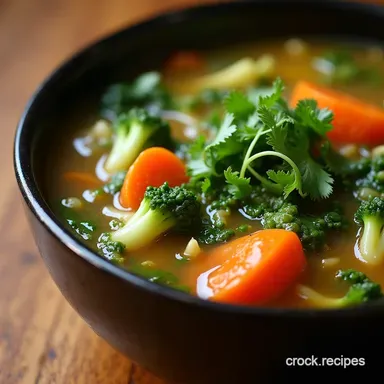
Classic Chinese Vegetable Soup
Ingredients:
Instructions:
Nutrition Facts:
| Calories | 2207 kcal |
|---|---|
| Protein | 19.4 g |
| Fat | 59.4 g |
| Carbs | 120.0 g |
| Fiber | 27.7 g |
| Sodium | 2070 mg |
