Treasured Hanukkah Tradition with Classic Potato Latkes
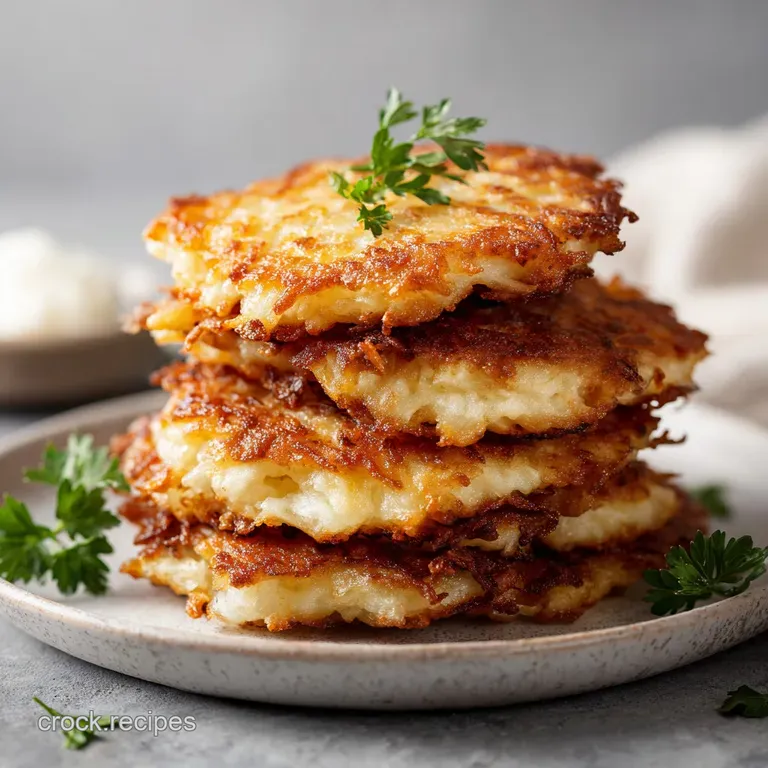
- Time: Active 30 mins, Passive 30 mins, Total 60 mins
- Flavor/Texture Hook: Shatteringly crisp edges with a tender, savory onion laced center
- Perfect for: Hanukkah celebrations or a hearty winter side dish
- Treasured Hanukkah Tradition with Classic Potato Latkes
- The Starch Secret for Shatteringly Crisp Latkes
- Component Analysis for Hearty Classic Latkes
- Choosing the Right Components and Substitutes
- Essential Tools for Grating and Frying
- Step-by-Step Guide to Frying Success
- Solving Sogginess and Common Frying Mistakes
- Adjusting the Batch for Any Crowd
- Debunking Common Frying Misconceptions
- Storing and Reheating Your Leftover Latkes Properly
- Traditional Pairings for Your Hanukkah Feast
- Recipe FAQs
- 📝 Recipe Card
Treasured Hanukkah Tradition with Classic Potato Latkes
There is a very specific sound that defines my December: the rhythmic, aggressive scraping of a Russet potato against a metal box grater. It’s a workout, honestly, and by the third pound, my forearms are usually screaming.
But then the first scoop of batter hits the hot avocado oil, and that sharp, salt and onion sizzle fills the kitchen. Suddenly, the sore muscles don't matter because that aroma is the literal scent of home.
Delight in a treasured Hanukkah tradition with this recipe for classic potato latkes. These aren't those thick, cakey patties you find in the frozen aisle. We’re talking about the real deal - lacey, browned edges that shatter when you bite them, and a center that’s soft without being mushy.
I’ve spent years ruining batches by leaving them too wet or crowding the pan, but I’ve finally dialed in the technique that works every single time.
Right then, let's talk about why this specific method produces such a satisfying result. Most people make the mistake of treating the potato liquid like trash, but that cloudy water at the bottom of your bowl is actually holding the secret to the best texture you've ever had.
We're going to use the science of starch to our advantage today.
The Starch Secret for Shatteringly Crisp Latkes
- Starch Gelatinization: The recovered potato starch acts as a natural binder that crisps up instantly when hitting hot fat, creating a structural lattice.
- Moisture Evaporation: Squeezing the potatoes to the point of "bone dry" ensures the heat goes toward browning rather than steaming the vegetable fibers.
- The Maillard Reaction: over High heat avocado oil reacts with the natural sugars in the onion and potato to create that deep, nutty crust.
- Egg Emulsification: The proteins in the lightly beaten eggs lock the matzo meal and potato strands together so they don't disintegrate in the oil.
| Method | Time | Texture | Best For |
|---|---|---|---|
| Stovetop Frying | 6-8 mins | Max crunch, lacey edges | Authentic holiday flavor |
| Oven Baking | 20-25 mins | Uniformly soft, less greasy | Large groups or meal prep |
| Air Fryer | 12-15 mins | Very dry, extra firm | Quick single servings |
While I'm a stovetop purist for the flavor, the oven method is a lifesaver if you're feeding twelve people at once. If you’re looking for more ways to use spuds, you might also enjoy my Cream of Potato recipe which uses a similar base for a velvety finish.
Component Analysis for Hearty Classic Latkes
| Ingredient | Science Role | Pro Secret |
|---|---|---|
| Russet Potatoes | High starch content | Never use waxy reds; they turn into gummy mashed potatoes. |
| Matzo Meal | Moisture absorber | It stays coarser than flour, providing a better "bite" and structure. |
| Avocado Oil | High smoke point | Using oil with a 500°F (260°C) limit prevents that bitter, burnt oil taste. |
| Kosher Salt | Moisture extractor | It draws out the liquid before frying so the centers stay firm. |
We need to be intentional with these ingredients because they are the foundation of everything. For example, the sulfur in the yellow onion doesn't just add flavor; it actually helps prevent the grated potatoes from turning an unappealing grey while they sit in the bowl.
Choosing the Right Components and Substitutes
- 2.5 lbs Russet potatoes: Peeled and kept in cold water. Why this? High starch is mandatory for that signature crispy exterior.
- 1 large yellow onion (250g): Grated into the potatoes. Why this? Yellow onions have the best balance of sugar and sharp bite.
- 2 large eggs: Lightly beaten. Why this? The "glue" that prevents the latke from shattering in the oil.
- 1/3 cup Matzo Meal: Found in the kosher aisle. Why this? Adds a distinct toasted grain flavor that flour lacks.
- 1.5 tsp Kosher salt: I prefer Diamond Crystal.
- 1/2 tsp black pepper: Freshly cracked is non negotiable.
- 1 cup Avocado oil: For frying.
| Original Ingredient | Substitute | Why It Works |
|---|---|---|
| Matzo Meal | Panko Breadcrumbs | Provides a similar dry crunch, though the flavor is less traditional. |
| Russet Potatoes | Yukon Gold | Creamier interior but slightly less crisp on the outer edges. |
| Avocado Oil | Grapeseed Oil | Similar high smoke point and neutral flavor profile for clean frying. |
Essential Tools for Grating and Frying
You don't need fancy gadgets, but a sturdy box grater is better than a food processor here. The food processor can sometimes "weep" the potatoes too much, making them mushy. You'll also want a heavy bottomed skillet, like a cast iron or a heavy stainless steel pan, to maintain a consistent temperature.
Chef Tip: Freeze your peeled potatoes for just 10 minutes before grating. It firms up the starch and makes the grating process much faster with fewer "mushy" bits.
I also highly recommend using a lint free kitchen towel or a few layers of cheesecloth. You're going to be twisting this with all your might to get every drop of liquid out. Trust me, the drier the potato, the better the latke. This reminds me of the prep work needed for a Classic Shepherd's Pie recipe where moisture control is also the name of the game.
step-by-step Guide to Frying Success

- Grate the potatoes. Use the large holes of a box grater to shred the 2.5 lbs of Russets into a large bowl of cold water. Note: This prevents oxidation and removes excess surface starch.
- Shred the onion. Grate the large yellow onion directly into the same bowl.
- Wring them dry. Drain the mixture and pile it into a clean kitchen towel. Squeeze until no more liquid comes out.
- Save the starch. Let the drained liquid sit in a bowl for 5 minutes. Carefully pour off the water, leaving the thick white paste (starch) at the bottom.
- Combine the base. Add the dried potatoes, onions, the 2 large eggs, 1/3 cup matzo meal, salt, and pepper to the bowl with the saved starch.
- Mix thoroughly. Use your hands to incorporate everything. Ensure the matzo meal is evenly distributed.
- Heat the oil. Pour 1 cup of avocado oil into a skillet over medium high heat until it reaches 350°F (180°C).
- Fry the latkes. Drop 2 tablespoon mounds into the oil, flattening slightly with a spatula. Cook 3-4 mins until the edges are dark golden.
- Flip carefully. Cook the second side for another 3 mins until browned and sizzling.
- Drain and salt. Place on a wire rack over paper towels and hit them with a tiny pinch of extra salt immediately.
Solving Sogginess and Common Frying Mistakes
Why Your Latkes Are Greasy
If the oil temperature drops too low, the potato strands absorb the fat rather than searing against it. This usually happens when you crowd the pan. I recommend frying only 4 or 5 at a time. If you see the oil stop bubbling vigorously, wait a minute before adding the next batch.
Why the Center is Raw
This happens if the heat is too high or the latkes are too thick. The outside burns before the heat can penetrate the middle. Keep your patties about 1 cm thick and maintain a steady medium high flame. If they're browning too fast, pull the pan off the heat for 30 seconds to reset.
| Problem | Root Cause | Solution |
|---|---|---|
| Falling apart | Not enough binder | Add one extra beaten egg to the remaining batter. |
| Turning grey | Oxidation | Grate the onion first and mix it immediately with the potatoes. |
| Soggy bottom | Steam trapped | Drain on a wire rack, never directly on a flat plate. |
✓ Pat the grated potatoes dry twice if they feel even slightly damp. ✓ Preheat the oil for a full 4 minutes before the first latke goes in. ✓ Use a metal spatula to press down firmly for maximum surface contact.
✓ Keep the finished latkes in a 200°F (95°C) oven to stay warm and crisp. ✓ Always scrape the bottom of the batter bowl to get that settled starch.
Adjusting the Batch for Any Crowd
If you need to scale down for a solo craving, use half the ingredients but keep the egg count at one large egg. The timing remains the same, but you’ll want to use a smaller skillet so the oil stays deep enough to submerge the bottom half of the latke.
When scaling up for a party (48 or more), don't double the salt immediately. Spices and salt can become overwhelming when doubled. Start with 1.5x the salt and adjust after frying a "test latke." Also, work in batches for the batter; if the mixture sits for an hour, the potatoes will release more liquid and become soggy.
| Servings | Potato Weight | Matzo Meal | Pan Size |
|---|---|---|---|
| 12 latkes | 1.25 lbs | 2.5 tbsp | 10 inch skillet |
| 24 latkes | 2.5 lbs | 1/3 cup | 12 inch skillet |
| 48 latkes | 5 lbs | 2/3 cup | Two 12 inch pans |
Debunking Common Frying Misconceptions
One big myth is that you must use flour for the "best" texture. In reality, flour creates a more doughy, pancake like interior. Matzo meal is the traditional choice because its coarse texture allows for better steam escape, resulting in a lighter latke.
Another misconception is that the oil needs to be deep frying depth. You only need about 1/4 inch of oil. As long as the bottom half of the latke is submerged and sizzles aggressively, you'll get those beautiful lacey edges without making the dish feel heavy or oily.
Storing and Reheating Your Leftover Latkes Properly
Latkes are best eaten within 20 minutes of frying, but they actually store surprisingly well. Keep them in the fridge for up to 3 days in an airtight container. To freeze, lay them in a single layer on a baking sheet until solid, then transfer to a freezer bag for up to 3 months.
Never, ever use a microwave to reheat them. It turns the starch into a rubbery mess. Instead, pop them into a 400°F (200°C) oven or air fryer for 5 minutes. This draws out the stored oils and recrisps the exterior perfectly.
For zero waste, save any leftover onion ends or potato peels to make a quick vegetable stock for later in the week.
Traditional Pairings for Your Hanukkah Feast
The classic debate is always "Applesauce vs. Sour Cream." Personally, I think a hearty dollop of cold sour cream against a scorching hot latke is the pinnacle of comfort food. The tanginess of the cream cuts right through the richness of the fried potato.
If you want to get a bit fancy, try topping them with smoked salmon and a sprig of fresh dill. It turns a humble side dish into a sophisticated appetizer. Some families even serve them with a sprinkle of sugar or a drizzle of honey, though I usually save that for the very last latke of the night.
Whatever you choose, make sure you serve them hot there is nothing quite like that first bite of a fresh, crispy latke.

Recipe FAQs
What is the tradition of latkes on Hanukkah?
Yes, they are central to the holiday observance. Latkes are traditionally fried in oil to commemorate the miracle of the cruse of oil that lasted eight days during the rededication of the Second Temple.
What is a potato pancake flipped during Hanukkah called?
A latke, which means "oily cake" in Yiddish. They are intentionally fried in oil to honor the miracle associated with the Temple’s menorah.
What are 5 traditional Hanukkah foods?
Latkes, sufganiyot (jelly donuts), brisket, applesauce, and sour cream are classic selections. Anything fried in oil or baked with oil is customary to commemorate the Hanukkah oil miracle.
What is the traditional way to serve latkes?
Serve them hot immediately after frying, traditionally topped with applesauce or sour cream. A dollop of cold sour cream balances the heat and richness beautifully.
Why must I squeeze all the liquid out of the grated potatoes?
To achieve maximum crispness by concentrating the starch. If excess moisture remains, the latke will steam rather than sear, resulting in a soggy, heavy pancake.
Is it true that using flour instead of matzo meal results in a better texture?
No, this is a common misconception. Matzo meal provides a coarser, lighter structure that absorbs less oil than flour, leading to a much crispier latke.
How do I reheat leftover latkes to restore crispness?
Bake them in a preheated oven or air fryer, never use the microwave. The dry heat draws out residual moisture and reactivates the crisp exterior, similar to how we crispen frozen hash browns in our Classic Amish Friendship recipe base.
Classic Potato Latkes Recipe

Ingredients:
Instructions:
Nutrition Facts:
| Calories | 82 kcal |
|---|---|
| Protein | 1.9 g |
| Fat | 3.1 g |
| Carbs | 11.2 g |
| Fiber | 1.1 g |
| Sugar | 0.5 g |
| Sodium | 148 mg |
