Mashed Potatoes: Velvety and Fluffy
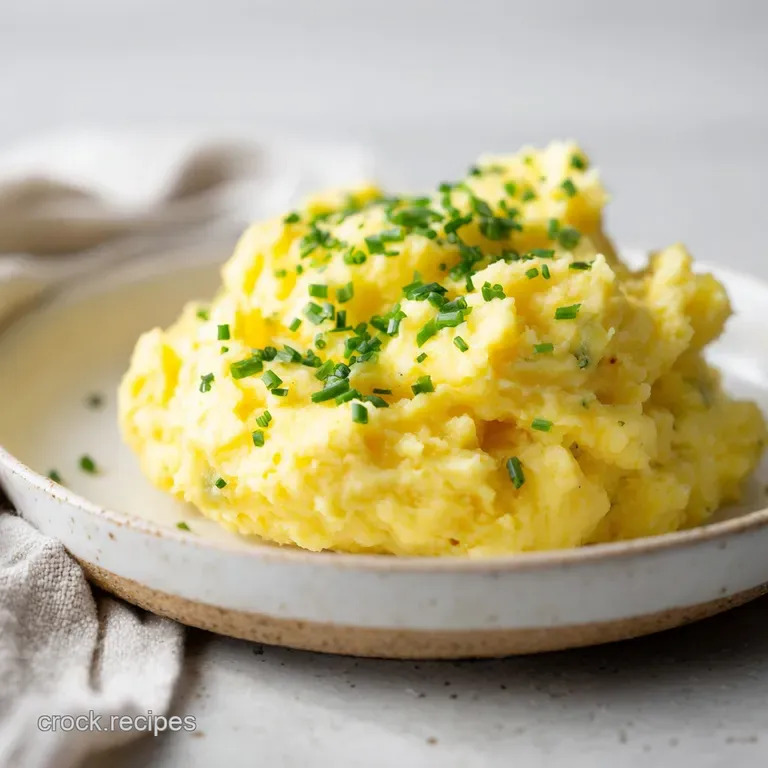
- Time: Active 15 minutes, Passive 20 minutes, Total 35 minutes
- Flavor/Texture Hook: Satin smooth texture with a tangy, garlic infused finish
- Perfect for: Holiday feasts, cozy Sunday roasts, or a comforting weeknight side
- Achieving the Velvet Texture of Mashed Potatoes
- Essential Metrics and Precise Timing
- Components for a Satisfying Base
- Tools for a Smooth Finish
- Crafting Layers of Rich Flavor
- Troubleshooting for a Perfect Result
- Creative Ways to Infuse Character
- Dispelling Household Kitchen Legends
- Storing Leftovers and Reducing Waste
- Finishing Touches and Presentation Tips
- Recipe FAQs
- 📝 Recipe Card
Achieving the Velvet Texture of Mashed Potatoes
Have you ever wondered why some spuds feel like a cloud while others lean closer to school glue? It is a question that haunted my kitchen for years until I stopped treating the humble potato like a boiling afterthought.
Most people think the magic happens during the mashing, but the real secret starts the moment those cubes hit the cold water. We are looking for that specific point where the starch granules are swollen but haven't burst into a sticky mess.
I remember one specific Thanksgiving when I tried to rush the process by boiling the water first. It was a disaster. The outsides turned into mush while the centers stayed crunchy, leading to a lumpy, frustrating bowl of disappointment.
That was the day I learned about the "cold start" and the beauty of a blended potato base. Combining the flaky, high starch Russet with the buttery, waxy Yukon Gold creates a satisfying contrast that you just cannot get from a single variety.
It is about building layers of hearty texture that hold up against a rich gravy.
This recipe is not about just crushing vegetables, it is about a controlled release of starch and a strategic infusion of fats. By the time we add the garlic steeped broth and the tangy yogurt, you will see exactly how those layers of flavor come together.
We are aiming for a dish that feels substantial and comforting, the kind of side that people end up eating straight out of the pot with a wooden spoon when no one is looking. Trust me, the extra minute spent steam drying the potatoes will change your kitchen game forever.
Essential Metrics and Precise Timing
Getting the consistency right requires more than just a vague "feel" for the pot. We need to respect the clock and the heat to ensure the starch behaves exactly how we want it. The transition from a hard cube to a tender morsel happens quickly, and catching it at the right moment is the difference between a grainy mash and a silky one.
Starch Management: Starting with cold water allows the potatoes to heat evenly from the outside in, preventing the exterior from disintegrating before the core is cooked. This step ensures a uniform texture across the entire batch without any hidden hard bits.
| Cook Method | Time | Texture | Best For |
|---|---|---|---|
| Stovetop Simmer | 20 minutes | Fluffy and light | Traditional smooth mash |
| oven-roasted | 45 minutes | Nutty and dense | Rustic, smashed styles |
| Pressure Cooker | 8 minutes | Very soft/wet | Quick weeknight meals |
The stovetop remains the gold standard for this specific recipe because it gives us total control over the moisture levels. By simmering rather than rolling at a violent boil, we keep the potato cubes intact.
This prevents them from absorbing too much water, which is the ultimate enemy of a concentrated, satisfying flavor profile.
| Component | Role | Pro Secret |
|---|---|---|
| Russet Potatoes | Structural Base | Provides the high starch "fluff" |
| Yukon Gold | Flavor/Fat | Adds a buttery color and creamy density |
| Bone Broth | Flavor Layer | Deepens the savory notes more than milk |
| Greek Yogurt | Tangy Finish | Provides acidity to cut through the heavy fats |
Using bone broth instead of just plain milk or cream adds a layer of complexity that makes the dish feel much more "grown up" and hearty. If you are looking for another way to use these techniques, you might find my Smashed Potatoes recipe helpful for those nights when you want a bit more crunch.
Components for a Satisfying Base
The ingredient list here is purposeful. We aren't just grabbing what is in the pantry, we are selecting specific textures to build a masterpiece. Using grass fed butter might seem like a small detail, but its higher fat content and vibrant yellow hue contribute significantly to the final velvety appearance of the dish.
For the Potato Base
- 1.5 lbs Russet Potatoes: Peeled and cubed into 1 inch pieces. Why this? Their high starch content creates the essential fluffy volume we need.
- Substitute: Idaho potatoes offer a nearly identical starch profile.
- 1.5 lbs Yukon Gold Potatoes: Peeled and cubed into 1 inch pieces. Why this? These bring a natural buttery flavor and a creamy, dense mouthfeel.
- Substitute: Yellow Finn potatoes are a great alternative for that creamy yellow color.
- 1 tbsp sea salt: Used for the boiling water. Why this? This is your only chance to season the potato from the inside out.
- Substitute: Kosher salt works perfectly, just use a slightly larger pinch.
For the Healthy Velvety Infusion
- 0.5 cup low sodium bone broth: Chicken or vegetable. Why this? It provides moisture and a savory backbone without excessive calories.
- Substitute: Whole milk if you prefer a more traditional, dairy forward profile.
- 0.5 cup plain non fat Greek yogurt: Why this? It adds a signature tang and a thick, velvety consistency.
- Substitute: Sour cream is the classic choice, though it is heavier.
- 3 tbsp grass fed butter: Why this? The rich fats carry the garlic flavor throughout the entire batch.
- Substitute: Ghee or a high-quality vegan butter block.
- 2 cloves garlic: Smashed. Why this? We infuse the butter rather than adding raw garlic bits for a smoother finish.
- Substitute: Half a teaspoon of garlic powder if you are in a massive rush.
- 1 tsp cracked black pepper: Why this? Adds a sharp, earthy heat to balance the creamy spuds.
- Substitute: White pepper for a cleaner look without the black specks.
- 2 tbsp fresh chives: Minced for garnish. Why this? A pop of freshness and color to round out the plate.
- Substitute: Green onion tops or a dusting of fresh parsley.
Tools for a Smooth Finish
To get that restaurant quality silkiness, the tools you use are just as important as the heat. A standard hand masher is fine for a rustic look, but if you want to truly impress, a potato ricer is your best friend. It pushes the cooked potato through tiny holes, breaking it down without overworking the starch.
Overworking is what leads to that gummy, glue like texture we all want to avoid.
If you don't have a ricer, a food mill is another fantastic option. Whatever you do, please stay away from the electric hand mixer or the food processor. Those blades spin so fast that they tear the starch molecules apart, turning your beautiful Mashed Potatoes into an elastic mess that tastes more like dough than vegetables.
A simple silicone spatula is all you need for the final folding process to keep things light and airy.
Crafting Layers of Rich Flavor
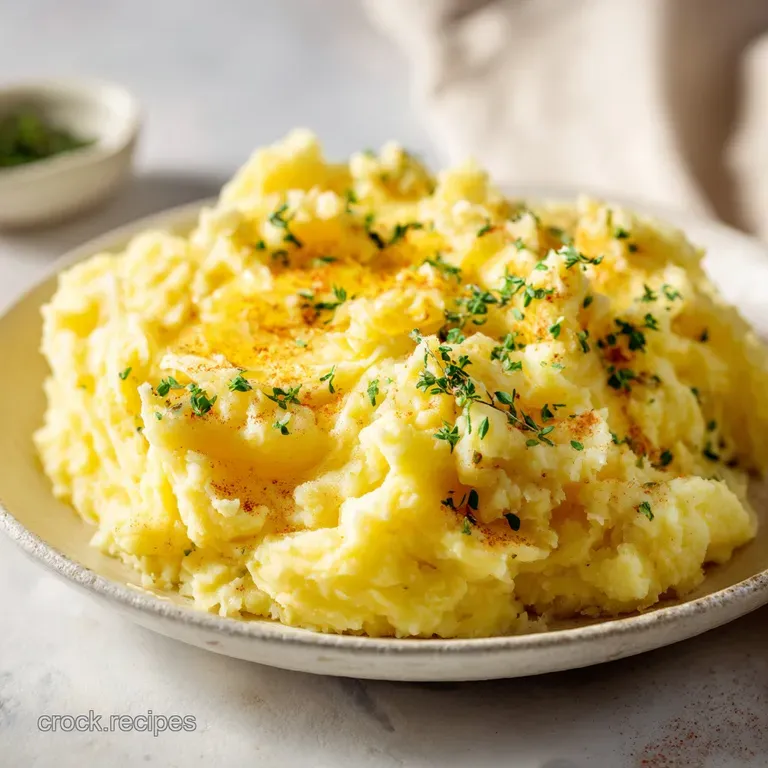
- Prep the spuds. Place 1.5 lbs of Russet and 1.5 lbs of Yukon Gold cubes into a large, heavy bottomed pot. Note: Keeping the cubes a uniform 1 inch size ensures they all finish cooking at the exact same time.
- Start with cold water. Cover the potatoes with cold water by at least one inch and add 1 tbsp of sea salt. Note: Starting cold prevents the outside from overcooking before the middle is soft.
- Simmer to perfection. Bring the water to a boil, then immediately turn the heat down. Cook for 15-20 minutes until a fork slides in with zero resistance.
- The steam dry trick. Drain the potatoes in a colander, then put them back into the still hot (but empty) pot over low heat for 60 seconds. Note: You should see steam rising and the potato surfaces looking matte and dry.
- Infuse the liquid. In a small saucepan, combine 0.5 cup bone broth, 3 tbsp grass fed butter, and 2 smashed garlic cloves over low heat. Heat until the butter is fully liquid and aromatic.
- Rice the potatoes. Press the hot, dry potatoes through a ricer or food mill back into the pot. Watch for the light, "snow like" fall of the potato strands.
- Combine the flavors. Remove the garlic from the warm broth. Slowly pour the infusion into the potatoes, folding gently with a spatula. Stir only until the liquid is just absorbed.
- Add the creamy finish. Fold in 0.5 cup Greek yogurt and 1 tsp black pepper. Keep your movements light to maintain the fluffy structure.
- Garnish and serve. Transfer to a warm bowl, top with 2 tbsp fresh chives, and serve immediately while the steam is still rising.
Troubleshooting for a Perfect Result
Even with the best intentions, potatoes can be finicky. The most common heartbreak in the kitchen is the dreaded "gluey" texture. This usually happens when the potatoes are beaten too vigorously or when they are processed while they are still full of excess water.
If you notice your mash becoming stretchy, stop stirring immediately. You can try to save it by spreading it in a baking dish, topping with cheese, and browning it in the oven to transform it into a casserole style.
Gluey Texture Causes
The primary culprit for gummy potatoes is the release of too much amylose. When starch granules are ruptured by high speed blades or excessive mashing, they leak this "glue" into the mix. This is why the ricer is so essential, it handles the spuds gently. If you are struggling with moisture, remember the steam drying step is non negotiable. For more tips on getting the right consistency with tubers, check out my guide on Roasted Sweet Potatoes where we talk about moisture management in detail.
| Problem | Root Cause | Solution |
|---|---|---|
| Watery Mash | Potatoes weren't dried enough | Use the 60 second stovetop steam dry method |
| Lumpy Result | Potatoes were undercooked in the center | Ensure fork tender consistency before draining |
| Cold Potatoes | Infusion liquid was cold | Always warm your broth and butter before mixing |
Common Mistakes Checklist
- ✓ Never start with boiling water; always begin with cold water for even cooking.
- ✓ Don't skip the "steam dry" step, or your mash will be bland and soggy.
- ✓ Avoid using a blender or food processor at all costs to prevent gumminess.
- ✓ Always warm your liquids (broth/butter) so they don't shock the potato starch.
- ✓ Pat the potatoes dry if you notice any visible water after draining.
Creative Ways to Infuse Character
If you want to move beyond the classic garlic and chive profile, there are dozens of ways to tweak this satisfying base. For a deeper, more rustic flavor, you can roast a whole head of garlic in the oven and squeeze the softened cloves directly into the mash.
This creates a sweet, caramelized undertone that pairs beautifully with a heavy beef stew or a roast chicken.
For those looking to keep things on the lighter side without sacrificing that hearty feel, try swapping half of the potatoes for boiled cauliflower. It reduces the overall carbohydrate count while maintaining a very similar texture when riced together.
If you find yourself needing to cook for a larger crowd, maybe for a holiday gathering, you can easily double the recipe. Just remember to work in batches when ricing so the potatoes don't get cold while they wait.
Serving Size Decision Matrix
| Servings | Potato Weight | Broth Amount | Pot Size |
|---|---|---|---|
| 2 People | 1 lb total | 3 tbsp | Small 2L pot |
| 6 People | 3 lbs total | 0.5 cup | Large 5L pot |
| 12 People | 6 lbs total | 1 cup | Stock pot |
Chef's Tip: If you are scaling up, only increase the salt and spices by about 1.5 times initially, then taste and adjust. Spices don't always scale linearly and can quickly become overpowering.
Dispelling Household Kitchen Legends
One of the biggest myths is that you need heavy cream for a "satisfying" mash. In reality, the combination of bone broth and Greek yogurt provides a much more complex flavor profile with a significantly more velvety finish.
The acidity in the yogurt actually helps to break down the perception of heaviness, making the dish feel more balanced.
Another common misconception is that you should peel potatoes after boiling to "save flavor." While this works for some salad recipes, for Mashed Potatoes, peeling and cubing before boiling allows the salt to penetrate the flesh deeply.
This results in a much more seasoned and hearty bite throughout the entire dish, rather than just on the surface.
Storing Leftovers and Reducing Waste
Mashed Potatoes are the gift that keeps on giving. If you have leftovers, they will stay perfectly satisfying in the fridge for up to 3 to 4 days in an airtight container. When reheating, add a splash of broth or a tiny knob of butter to loosen the starch back up, as it will naturally tighten as it cools.
Zero Waste Kitchen Tips
- Potato Peels: Don't toss them! Toss the peels with oil and salt, then bake at 200°C until crispy for a quick kitchen snack.
- Leftover Mash: Use cold leftovers to make potato pancakes or as a thickener for a hearty corn chowder.
- Freezing: You can freeze these for up to 2 months. Thaw them overnight in the fridge and reheat slowly on the stovetop, whisking in a little extra yogurt to restore the creamy texture.
Finishing Touches and Presentation Tips
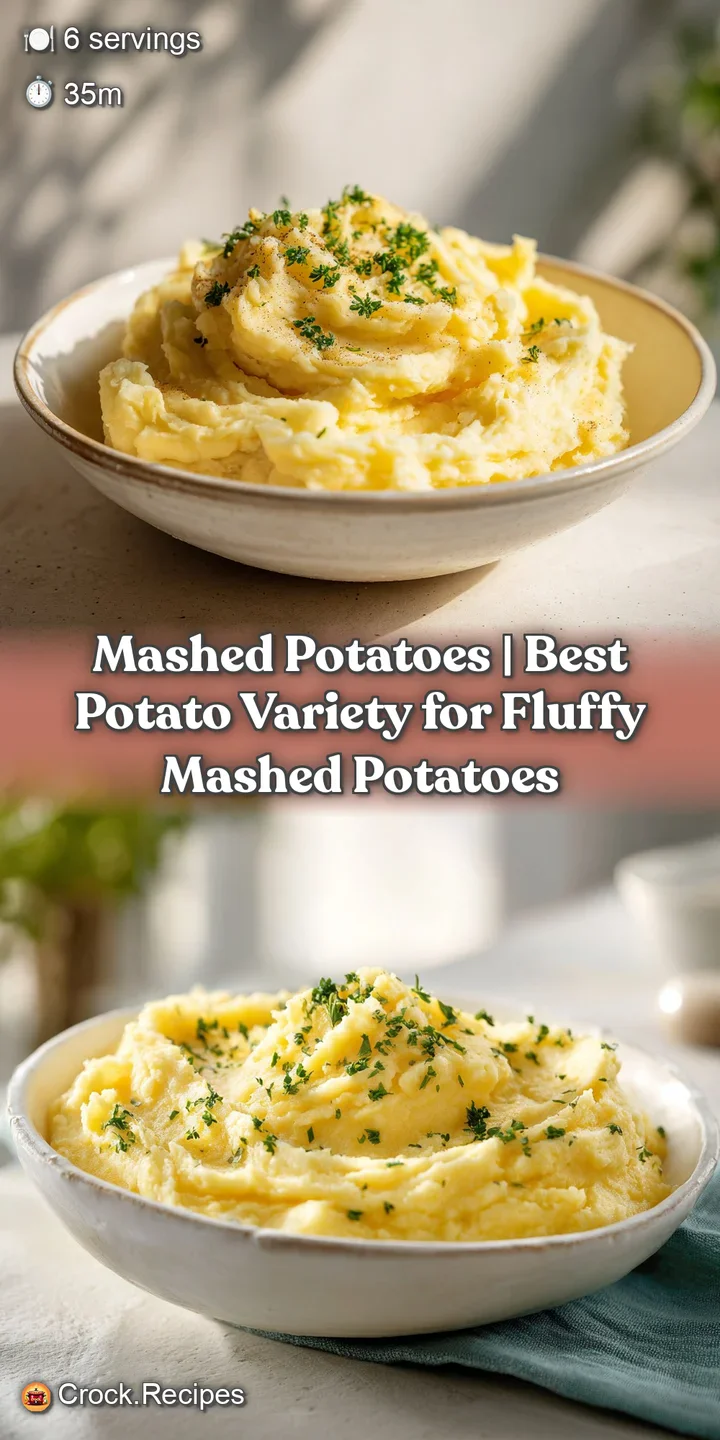
Presentation is the final layer of flavor. Before the bowl hits the table, use the back of a spoon to create deep swirls and "wells" in the top of the mash. This isn't just for looks; those valleys are the perfect place for a final drizzle of melted butter or a bit of extra gravy to pool.
Sprinkle the minced chives from a height to get an even distribution across the top. The vibrant green against the pale, buttery yellow makes the dish look as satisfying as it tastes.
If you are serving this for a special occasion, a final crack of fresh black pepper right at the table adds a wonderful aromatic touch that hits the nose just before the first bite. Hearty, comforting, and visually stunning, these are the spuds that will have everyone asking for your secret.
Recipe FAQs
Which potatoes are the best for mashed potatoes?
Use a combination of Russet and Yukon Gold potatoes. Russets provide a light, fluffy starch content, while Yukon Golds contribute a rich, buttery flavor and creamy consistency.
Which is better for mashed potatoes, Yukon Gold or Russet?
Neither is strictly better; they are best used together. Relying on only one type limits your texture and flavor profile, so blending them balances the fluffiness of the Russet with the creaminess of the Yukon Gold.
What potatoes does Gordon Ramsay use for mashed potatoes?
High starch varieties like Russets are his standard preference. These varieties break down easily, allowing for the smooth, airy texture required for a professional grade mash.
Are potatoes ok for heart patients?
Yes, they can be part of a heart healthy diet when prepared correctly. By using low-sodium bone broth and non-fat Greek yogurt instead of heavy cream, you maintain nutritional balance.
How to avoid gluey mashed potatoes?
Steam dry the potatoes after draining to remove excess water. If you enjoyed mastering the moisture control technique here, you will find it prevents the starches from becoming gummy when you fold in your broth and yogurt.
How to reheat leftover mashed potatoes?
Warm them gently with a splash of broth or a small knob of butter. Potatoes tighten as they cool, so adding liquid helps restore the intended creamy texture without overheating.
Is it true you must use a heavy duty mixer to get smooth potatoes?
No, this is a common misconception. Using a potato ricer or food mill is far superior because it breaks down the potato without activating the glutinous starches that cause a gluey consistency.
Creamy Yukon Russet Mash
Ingredients:
Instructions:
Nutrition Facts:
| Calories | 242 kcal |
|---|---|
| Protein | 6.8 g |
| Fat | 6.1 g |
| Carbs | 40.8 g |
| Fiber | 4.9 g |
| Sugar | 2.4 g |
| Sodium | 180 mg |
