Crispy Crab Rangoon the Ultimate Cream Cheese Crab Wonton Recipe
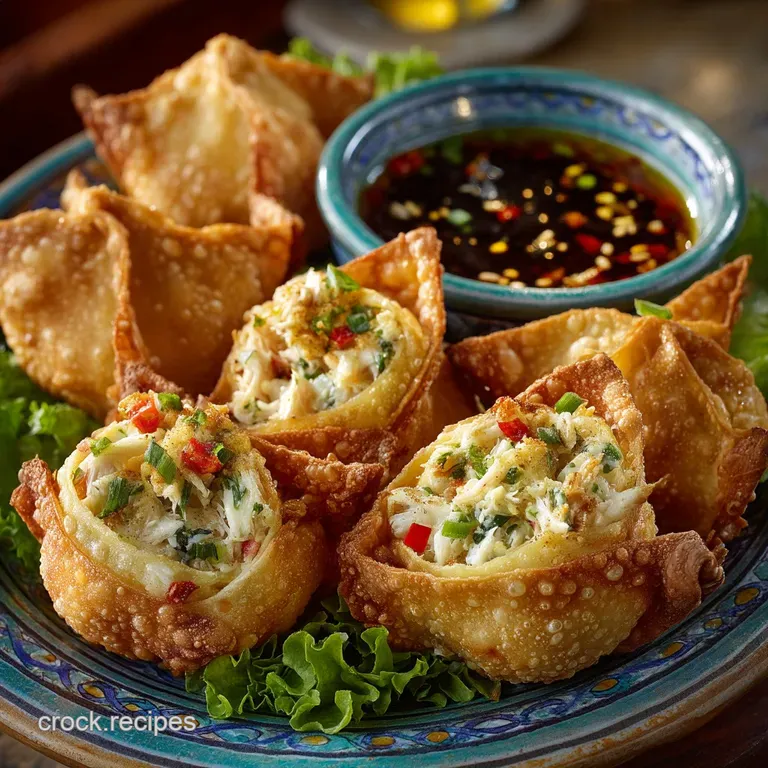
Mastering the Ultimate Crispy Crab Rangoon
There are few dishes that evoke the sheer delight of classic takeaway quite like the deep-fried, golden parcel of flavor known as the Crab Rangoon. Far from being simple fried cheese, a truly great rangoon is a study in culinary contrast, and mastering this Homemade Chinese Food staple elevates your kitchen prowess immediately.
We are aiming for perfection: a light, shattering exterior giving way to a warm, tangy, and savoury filling. This process turns a standard Seafood Appetizer into the star attraction of any meal or gathering, demonstrating why this crab rangoon recipe deserves precision and care.
The Essential Contrast: Creamy Filling Meets Shattering Wrapper
The magic of the Crab Rangoon lies entirely in the textural dichotomy. The core of the filling relies on an 8 oz block of full-fat cream cheese, which must be perfectly softened to room temperature before mixing.
This creamy base is balanced by a subtle sweetness provided by just $1/2$ tsp of granulated sugar, preventing the mixture from tasting too sharp or sour. This rich, tangy core is then encased in the thin, pliable wonton wrapper.
When fried correctly, the wrapper should blister and shatter upon biting, providing a satisfying counterpoint to the velvet-smooth filling, ensuring maximum enjoyment.
Preventing the Infamous "Rangoon Explosion"
The most common mistake when preparing Diy Food Recipes that involve deep-frying sealed parcels is failing to manage moisture and air. The "explosion" occurs when steam, generated from wet filling or trapped air, ruptures the wrapper seal in the hot oil.
To prevent this, two steps are paramount: first, ensure the 6 oz of lump crab meat is completely squeezed dry before incorporating it into the mixture. Second, never overfill the wrappers; restrict the portion size to a maximum of 1 teaspoon (5 ml) per wrapper.
A precise, tight seal, without trapped air pockets, is the single most important factor in ensuring structural integrity.
Why We Need Real Crab (The Flavor Difference)
While imitation crab (surimi) is a common and acceptable substitute, using real lump Crab Recipes meat provides a depth of flavour that elevates this appetizer from good to great.
Real crab offers natural sweetness and a beautiful, flaky texture that holds up better against the richness of the cream cheese. On top of that,, the inclusion of 1 tsp of Worcestershire sauce and fresh spring onions complements the natural crab flavour, adding an essential layer of savoury umami that transforms this into a complex and satisfying Seafood Appetizer .
Beyond the Basics: Elevating the Crab Rangoon Filling

The true mastery of this crab rangoon recipe comes down to the quality of the filling and the consistency of the coating. A smooth, well-seasoned mixture ensures a delightful flavour profile every single time, making these popular Wonton Recipes truly irresistible.
Choosing the Right Wonton Wrapper for Maximum Crisp
For the best results, you need square wonton wrappers, typically yielding 30 to 35 pieces per batch. Avoid thicker egg roll wrappers, as they become chewy rather than crisp. Wonton wrappers dry out rapidly, which causes them to crack when folded and prevents them from sealing properly.
Always keep the stack of wrappers covered with a slightly damp cloth while you work, ensuring the edges remain sticky and pliable enough to achieve a durable seal.
Essential Equipment for Deep-Frying Success (Oil & Temperature)
Successful deep-frying hinges entirely on temperature control. For safety and consistency, a deep-fry thermometer is a piece of non-negotiable equipment. Use a neutral oil with a high smoke point, such as vegetable or canola, heating it in a deep, heavy-bottomed pan or wok.
The target temperature is a steady 350°F (175° C) . Maintaining this precise temperature prevents the rangoon from soaking up excess oil (too cool) or burning the wrapper before the filling is heated through (too hot).
Navigating the Crab Options: Fresh vs. Canned Meat
While fresh-cooked, flaked crab is the gold standard for its superior texture, it is often impractical for large batches. high-quality canned or frozen lump crab meat is a perfectly suitable option for this Appetizers For Party dish, provided you follow the golden rule: thorough draining.
The 6 oz of crab meat must be pressed gently with paper towels or a clean cloth until absolutely no residual liquid remains. Moisture management here is vital for achieving the perfect, non-bursting, crispy parcel.
Related Recipes Worth Trying
- The Best Air Fryer Crab Cakes Recipe Crispy Light — Finally a foolproof Air Fryer Crab Cakes Recipe Get that perfect crisp without the grease Ready in under an hour for a proper weeknight treat
- My Ultimate Jumbo lump crab cake recipe Baltimore Style Barely Any Filler — Forget the fillers This is the authentic Maryland Jumbo lump crab cake recipe Packed with flavour Old Bay and minimum binder Perfect Sunday lunch treat
- Crab Rangoon Egg Rolls 5 My Familys Obsessed — Whip up these Crab Rangoon Egg Rolls 5 and watch them disappear Crispy creamy and ready in minutes A guaranteed crowdpleaser Get the recipe now
Achieving Structural Integrity: The Importance of a Tight Seal
The assembly phase is where finesse is required. A perfectly folded and sealed rangoon will not only look beautiful but will hold its structure throughout the intense frying process, preventing oil from seeping in and making the final product greasy.
Preparing the Ultra-Smooth, Lump-Free Filling
Start by combining the fully softened 8 oz cream cheese with the specified dry seasonings: $1/2$ tsp garlic powder, $1/4$ tsp salt, and $1/8$ tsp pepper. Mix these until they are entirely smooth before adding the dried crab meat and minced spring onions.
Mix only until just combined; avoid over-agitating the ingredients, which can turn the delicate crab flakes into a paste. The resulting filling should be thick, smooth, and easily spreadable.
Visual Guide to the Four Best Rangoon Folds (Pyramid vs. Purse)
While there are many folding methods, the "Purse" or four-point star method provides maximum seal security. Place 1 teaspoon of filling slightly off-centre. Moisten all four edges lightly with water or egg wash. Bring two opposite corners together to form a tight triangle, pressing out any air around the filling.
Then, lift the remaining two corners up toward the center point where the first two corners meet. Pinch all four points together and firmly press down all seams. This precise sealing process is paramount for mastering this crab rangoon recipe .
Frying Technique: Maintaining the Ideal Oil Temperature
As you approach frying, ensure your oil has returned to the required 350°F (175° C) between batches. It is essential to fry only 5 to 6 rangoon at a time to prevent overcrowding.
Overcrowding drops the oil temperature quickly, leading to soggy, oil-saturated results, a mistake easily avoided with patience. Fry for 2 to 4 minutes, turning the rangoon with a spider strainer until they achieve a uniform, deep golden brown hue.
Immediately transfer the finished parcels to a wire rack set over a baking sheet, allowing maximum air circulation to maintain that enviable crispness.
Prep Ahead and Storage: Maximizing Crab Rangoon Efficiency
One of the great features of this Diy Food Recipes favorite is its preparation flexibility, making it an excellent choice for batch cooking or Appetizers For Party menus.
Can I Bake or Air Fry Them? (Healthier Alternatives)
For those seeking a less indulgent option, this crab rangoon recipe air fryer variation is a fantastic alternative. Simply brush the assembled parcels lightly with oil spray. Preheat your air fryer to 375°F (190°C) and cook for 6 to 8 minutes, checking midway.
Alternatively, you can bake them at 400°F (200°C) for 10 to 14 minutes. While the texture will be slightly firmer than their deep-fried counterparts, they remain deliciously crisp and a worthwhile healthy swap.
Dipping Sauce Pairings That Complement the Filling
No Crab Rangoon experience is complete without the perfect accompaniment. The rich, creamy nature of the filling demands a dip with acidity and sweetness to cut through the richness. The classic choice is a sweet and sour sauce or a high-quality plum or duck sauce.
For a more sophisticated pairing that works wonderfully with Homemade Chinese Food , mix soy sauce, a touch of rice vinegar, a dash of sesame oil, and red pepper flakes for a spicy, savory counterpoint to the sweet crab.
How to Safely Freeze and Reheat Uncooked Parcels
To maximize efficiency, you can prepare the Wonton Recipes ahead of time. Once the rangoon are assembled and tightly sealed, arrange them in a single layer on a parchment-lined baking sheet. Place the tray in the freezer until the parcels are rock hard.
Transfer the frozen rangoon to a sealed, airtight container, where they will keep for up to three months. When ready to cook, drop them directly into the 350°F oil, do not thaw, adding only 1 to 2 minutes to the total frying time.
Recipe FAQs
I'm worried about them exploding in the oil! What's the trick to perfectly sealing my Crab Rangoon?
The secret to keeping your filling safely inside is two-fold: ensuring a dry filling and making the seal like Fort Knox. Excess moisture from the crab or cream cheese turns to steam and bursts the wrapper, so squeeze the crab thoroughly dry.
When sealing, firmly pinch the edges together to expel all air pockets around the filling; any trapped air will expand and cause an explosion.
Deep frying sounds a bit messy; can I bake or air-fry these instead?
Absolutely! If you're keen to avoid the deep-fry faff, baking or air-frying is a grand option, though the texture will be slightly firmer. For air-frying, preheat to 375°F (190°C) and cook for 6-8 minutes, or bake at 400°F (200°C) for 10-14 minutes.
Just remember to give them a light misting of neutral oil spray before cooking to help them crisp up and achieve that lovely golden colour.
My last batch was a bit greasy. What oil temperature should I aim for?
Greasy rangoon is nearly always a result of the oil being too cool, a definite culinary foul play! You must maintain a consistent temperature of 350°F (175°C) throughout the process.
Using a reliable deep-fry thermometer is non-negotiable here; if the oil drops below temperature, the wrappers simply soak up the fat instead of cooking quickly and crisping up.
I want to make a big batch for a party. Can I prep these ahead of time?
Yes, prepping ahead is highly encouraged for stress-free hosting! You can assemble the rangoon up to two hours in advance, keeping them covered and chilled in the fridge. For longer storage, freeze the prepared, sealed parcels on a parchment-lined tray until solid, then transfer them to an airtight container.
Cook them straight from frozen, adding about a minute or two to the overall cooking time.
Is real crab essential, or can I get away with using imitation crab meat (surimi)?
While the recipe champions authentic lump crab meat for that signature sweet and delicate flavour, using good quality imitation crab (surimi) is a perfectly acceptable substitution, especially if you’re looking to save a bit of money.
Just ensure the surimi is also finely flaked and thoroughly drained before mixing into your cream cheese filling, keeping the dry filling rule in mind.
Crispy Crab Rangoon Recipe Master the Ultimate Cream Cheese Wonton

