Crockpot French Onion Pot Roast: Tender Beef
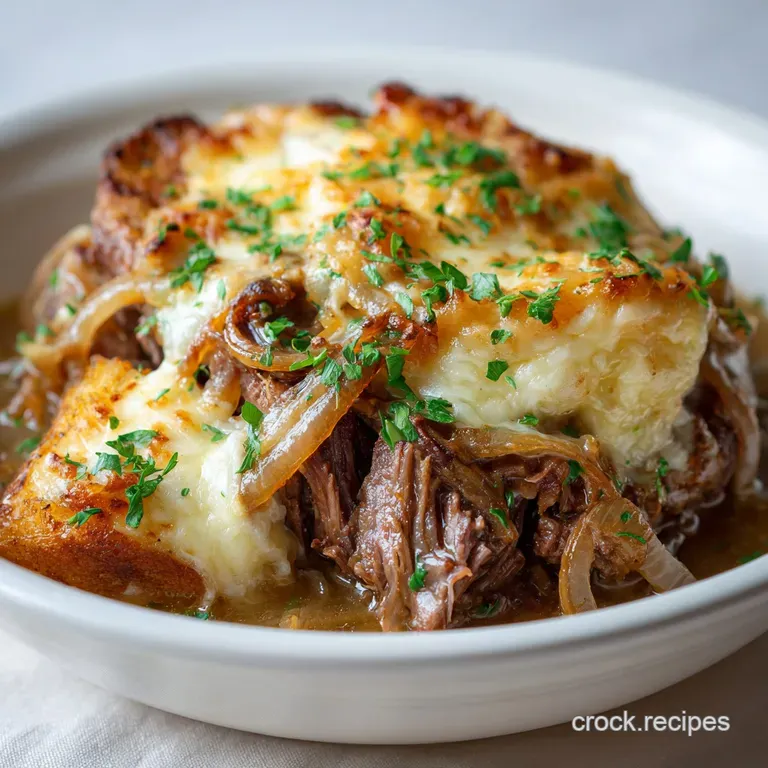
- Time: Active 20 minutes, Passive 8 hours, Total 8 hours 20 minutes
- Flavor/Texture Hook: Succulent beef paired with a velvety, onion rich gravy and a crusty, cheese covered finish.
- Perfect for: Sunday family dinners or hands off meal prep that tastes like a high end French restaurant.
- Creating the Ultimate Savory Crockpot French Onion Pot Roast
- Vital Statistics for Your Meal
- Choosing Your Deep Umami Ingredients
- Gear Needed for Slow Cooking
- Detailed Steps for Tender Beef
- Fixing Problems and Avoiding Mistakes
- Customizing Your Onion Beef Base
- Storage Guidelines and Waste Tips
- Serving Your Hearty Beef Dinner
- Very High in Sodium
- Recipe FAQs
- 📝 Recipe Card
Creating the Ultimate Savory Crockpot French Onion Pot Roast
Imagine walking through your front door after a long day and being hit with the scent of slow simmered beef and sweet, buttery onions. We have all dealt with pot roasts that turn out like shoe leather or, worse, taste like a bland salt lick. That stops today.
This recipe takes the soul warming essence of French onion soup and marries it with a heavy duty chuck roast, resulting in meat so tender it practically shreds if you look at it too hard.
The beauty of this dish lies in the contrast. You get that deep, savory beefiness paired with the natural sweetness of onions that have spent hours softening in the crockpot. By the time it is finished, the liquids have reduced into a silky sauce that coats every fiber of the meat.
We are not just tossing things in a pot and hoping for the best, we are building layers of flavor that make people think you spent all day hovering over the stove.
Right then, let's talk about why this method is superior to a standard roast. Most slow cooker recipes skip the searing step, which is a massive mistake. That initial sizzle in the pan is where the magic happens.
We're going to use a few pro tricks, like a quick hit of over high heat browning and a cheese topped finish, to turn a simple weeknight meal into something truly special. Trust me on this, your kitchen is about to smell like a Parisian bistro.
Vital Statistics for Your Meal
Collagen Transformation: The connective tissue in chuck roast, called collagen, requires a long time at low temperatures to convert into gelatin. This process is what creates that velvety, lip smacking texture in the gravy.
Maillard Reaction: Searing the meat at 150°C before slow cooking creates hundreds of new flavor compounds. Without this step, the beef tastes boiled rather than roasted, lacking the complex "browned" notes we crave.
Osmotic Balance: Salting the beef early draws moisture out, which then re absorbs as a seasoned brine. This ensures the center of your 1.6 kg roast is just as flavorful as the crusty exterior.
Before you start searing, it helps to know exactly what to look for at each stage. This quick guide ensures you don't overcook the meat or end up with a watery sauce.
| Roast Thickness | Internal Temperature | Rest Time | Visual Cue |
|---|---|---|---|
| 5 cm | 90°C - 95°C | 15 minutes | Meat pulls apart easily with a fork |
| 7 cm | 95°C - 98°C | 20 minutes | Connective tissue has completely dissolved |
| 10 cm | 98°C | 25 minutes | Bone (if present) slides out with zero resistance |
Using the right cut of meat is the foundation of any successful Crock Pot Dinners recipe. If you choose a lean cut like eye of round, it will become dry and stringy because it lacks the fat and collagen necessary for long cooking. Stick with chuck roast for the best results.
Choosing Your Deep Umami Ingredients
Selecting the right components makes the difference between a flat flavor and a multi dimensional meal. We are looking for high impact ingredients that work together to create a cohesive, hearty sauce.
| Ingredient | Science Role | Pro Secret |
|---|---|---|
| Beef Chuck Roast | High collagen content | Pat it bone dry with paper towels to get a darker, tastier sear. |
| Yellow Onions | Natural sugar source | Slice them against the grain so they melt into the sauce instead of staying stringy. |
| Beef Consommé | Concentrated protein | Use consommé instead of broth for a richer mouthfeel and more intense beef flavor. |
For this recipe, you will need to gather the following items. Each one plays a specific part in the flavor map of deep roasted beef, sweet onions, and nutty cheese.
- 1.6 kg beef chuck roast: Why this? The perfect balance of fat and tough fibers for slow cooking.
- 9 g kosher salt: Why this? Enhances every other flavor without being overly "salty" like table salt.
- 5 g cracked black pepper: Why this? Provides a subtle heat that cuts through the richness of the fat.
- 30 ml high smoke point oil: Why this? Essential for searing the beef without the oil burning and turning bitter.
- 600 g yellow onions (approx. 3 large): Why this? They provide the sweetness and bulk for the French onion base.
- 28 g unsalted butter: Why this? Adds a creamy finish to the onions during the initial sauté.
- 1 packet (28 g) French onion soup mix: Why this? Provides an instant boost of toasted onion flavor and seasoning.
- 240 ml beef consommé: Why this? Much more clarified and intense than standard beef broth.
- 15 ml Worcestershire sauce: Why this? The fermented anchovies add a hidden layer of umami complexity.
- 4 sprigs fresh thyme: Why this? Brings a woody, floral aroma that balances the heavy meat notes.
- 100 g shredded Gruyère cheese: Why this? Melts beautifully with a nutty, sophisticated flavor profile.
- 15 g cornstarch mixed with 30 ml water: Why this? Creates a slurry to thicken the juices into a glossy gravy.
| Original Ingredient | Substitute | Why It Works |
|---|---|---|
| Gruyère | Swiss Cheese | Similar melting point. Note: Slightly milder flavor than Gruyère. |
| Beef Consommé | Beef Bone Broth | High gelatin content. Adds a similar velvety texture to the sauce. |
| Fresh Thyme | Dried Thyme (1 tsp) | Concentrated flavor. Note: Add earlier in the cook to soften the herbs. |
Gear Needed for Slow Cooking
You don't need a kitchen full of gadgets, but a few specific tools will make your life much easier. First and foremost, a heavy bottomed skillet is non negotiable for the sear. A cast iron pan is my favorite because it holds heat so well that the meat doesn't drop the temperature when it hits the surface.
Next, you'll want a reliable slow cooker, ideally a 6 quart model. This size allows enough room for the 1.6 kg roast and all those onions without overcrowding, which ensures even heat distribution. A pair of sturdy tongs is also essential for flipping that heavy roast without splashing hot oil everywhere.
Chef's Tip: If your slow cooker has a "brown" function, I still recommend using a skillet on the stove. Most slow cookers don't get hot enough to create a truly deep, dark crust on the meat.
Detailed Steps for Tender Beef
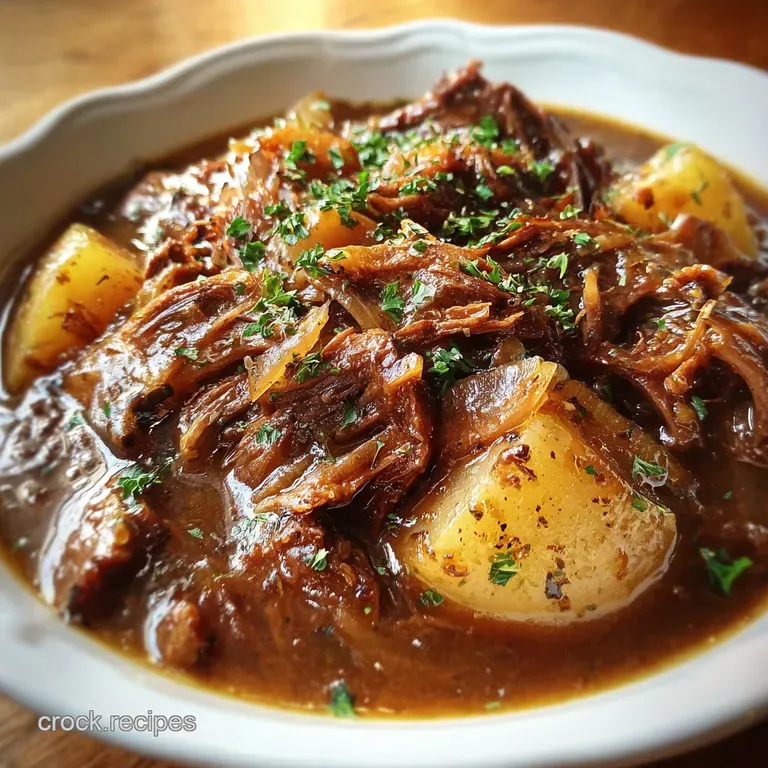
1. Achieving the Perfect Sear
Season your 1.6 kg roast generously with salt and pepper on all sides. Heat the oil in a large skillet over medium high heat until it starts to shimmer. Place the beef in the pan and sear for 5 minutes per side until a dark, mahogany crust forms.
Note: Do not move the meat too early or you will tear the surface.
2. Layering the Aromatics
Remove the meat and set it aside. In the same pan, melt the butter and toss in your sliced onions. Sauté for about 8 minutes until they are translucent and slightly golden. This picks up all the browned beef bits from the bottom of the pan.
3. Setting the Slow Cooker
Place half of the sautéed onions in the bottom of the crockpot. Sit the seared roast on top, then cover with the remaining onions. Sprinkle the French onion soup mix over everything.
4. Adding the Liquids
Pour the beef consommé and Worcestershire sauce around the sides of the meat so you don't wash off the seasoning. Tuck the fresh thyme sprigs into the liquid.
5. Managing the Heat
Cover and cook on Low for 8 hours. Wait until the meat is fork tender and falling apart before you even think about opening the lid. Opening it too often lets out the steam needed to break down the collagen.
6. Thickening the Velvety Gravy
Remove the roast and the thyme sprigs. Turn the crockpot to High. Whisk your cornstarch and water together, then stir it into the bubbling onion liquid. Cook for 10 minutes until the sauce is thick and glossy.
7. Mastering the Cheesy Finish
Shred the beef into large chunks and return it to the sauce. Sprinkle the shredded Gruyère over the top. Cover the pot for 5 minutes until the cheese is completely melted and gooey.
8. Final Flavor Check
Taste the sauce. If it needs more punch, add a tiny splash of Worcestershire or a pinch of salt. Serve immediately while the cheese is still stretchy.
Fixing Problems and Avoiding Mistakes
Even with a slow cooker, things can go sideways if you aren't careful. The most common issue is the meat feeling "dry" even though it is sitting in liquid. This usually means it hasn't cooked long enough for the fibers to relax, or it was cooked at too high a temperature too quickly.
Why Your Pot Roast Is Tough
If the meat is still rubbery after 8 hours, it likely needs another 30 to 60 minutes. Every roast is different, and some older cows have tougher connective tissue. If you used the "High" setting, the muscle fibers might have seized up.
Always stick to "Low" for the most succulent results.
Why Your Gravy Is Watery
A watery sauce happens if the onions release more moisture than expected. If your cornstarch slurry didn't do the trick, you can transfer the liquid to a saucepan and simmer it on the stove to reduce it by a third. This concentrates the flavors and creates a much more intense French Onion Soup recipe vibe.
| Problem | Root Cause | Solution |
|---|---|---|
| Greasy Sauce | Too much fat rendered from the roast | Skim the top with a wide spoon or use a fat separator before thickening. |
| Overly Salty | Soup mix and consommé combined | Add a splash of water or unsalted broth to dilute. Next time, use unsalted butter. |
| Bland Meat | No sear or under seasoned | Ensure you use the full amount of salt and get a dark sear on all sides. |
Common Mistakes Checklist
- ✓ Never put a frozen roast directly into the slow cooker; it stays in the "danger zone" for bacteria too long.
- ✓ Pat the meat completely dry before searing to prevent steaming instead of browning.
- ✓ Don't skip the butter when sautéing the onions it provides the fat needed for that silky mouthfeel.
- ✓ Keep the lid closed for the first 7 hours to maintain a consistent internal temperature.
- ✓ Let the meat rest for 15 minutes if you plan on slicing it rather than shredding it.
Customizing Your Onion Beef Base
If you want to change things up, there are a few ways to tweak this recipe without losing that classic comfort. If you are a fan of mushrooms, adding 200 g of sliced cremini mushrooms at the beginning adds an incredible earthy depth that complements the beef.
- If you want a deeper color, add 120 ml of dry red wine (like Cabernet) to deglaze the pan after searing the beef.
- If you want a punchier sauce, add a tablespoon of Dijon mustard to the liquid before cooking.
- If you want a shortcut, you can skip the fresh onions and use two bags of frozen pearl onions, though the texture will be softer.
Comparing fresh onions to the shortcut of just using dried mix is a common debate. While the mix provides that "classic" flavor we remember from childhood, the fresh onions provide the necessary body and sweetness.
| Method | Time | Texture | Best For |
|---|---|---|---|
| Fresh Onions Only | +15 mins prep | Sweet and jammy | Pure, natural flavor purists |
| Mix Only | 0 mins prep | Salty and thin | Extremely rushed weeknights |
| The Hybrid (This Recipe) | 10 mins prep | Rich, thick, and complex | The ultimate weekend dinner |
Storage Guidelines and Waste Tips
This roast actually tastes better the next day because the flavors have time to fully meld. Store any leftovers in an airtight container in the fridge for up to 4 days. When reheating, do it gently on the stove with a splash of water or beef broth to keep the meat from drying out.
For long term storage, you can freeze the shredded beef and gravy for up to 3 months. Just leave the cheese off until you are ready to serve. Defrost it overnight in the fridge before reheating.
Zero Waste Tips: Don't throw away those onion peels! Keep them in a bag in your freezer to make homemade beef stock later. If you have leftover gravy but no meat, use it as a base for a poutine or pour it over mashed potatoes for a quick lunch.
The leftover shredded beef also makes an incredible grilled cheese sandwich or a "French Dip" style taco.
Serving Your Hearty Beef Dinner
When it comes to serving, you want something that can soak up all that incredible onion gravy. Mashed potatoes are the traditional choice, but I personally love serving this over wide egg noodles or even a thick slice of toasted sourdough bread.
The contrast between the soft meat and the crusty bread is just brilliant. To really hit that French onion soup theme, you can even serve individual portions in ramekins, top them with a slice of baguette and extra cheese, and pop them under the broiler for 2 minutes until the cheese is bubbling and browned.
Honestly, don't even bother with low-fat cheese here. You want the full fat Gruyère for that iconic stretch and rich flavor. Garnish with a little extra fresh thyme or some chopped parsley to add a pop of color and brightness to the plate.
It is a heavy, satisfying meal, so a simple green salad with a sharp vinaigrette on the side is the perfect way to balance the richness. Enjoy every succulent bite!
Very High in Sodium
1185 mg mg of sodium per serving
(52% of daily value)
The American Heart Association recommends limiting sodium intake to about 2,300mg per day for overall cardiovascular health.
Sodium Reduction Strategies for French Onion Beef
-
Broth Swap-30%
Replace the beef consommé or strong beef bone broth with unsalted beef broth or homemade beef stock. This can significantly reduce the sodium content.
-
Salt Reduction-25%
Reduce the amount of kosher salt used initially. Start by using half the amount (4.5g) and add more to taste at the end, if needed. Remember you can't remove salt once it's added!
-
Omit Soup Mix-20%
Eliminate the French onion soup mix altogether. It's a major source of hidden sodium. Enhance the onion flavor naturally by caramelizing the onions slowly and deeply.
-
Cheese Choice-15%
Use a lower sodium cheese option. Gruyère is relatively high in sodium; consider using a small amount of Swiss cheese or making the dish without cheese, or reducing the quantity by half.
-
Worcestershire Watch-10%
Worcestershire sauce contributes a noticeable amount of sodium. Reduce the amount used by half or substitute with a small amount of balsamic vinegar for a similar umami flavor.
-
Herb Power
Enhance the flavor with fresh herbs like thyme, rosemary, and bay leaf. These add depth without adding any sodium.
Estimated Reduction: Up to 60% less sodium
(approximately 474 mg per serving)
Recipe FAQs
Can I use a leaner cut of beef for this French Onion Pot Roast?
No, it's best to stick with chuck roast. Leaner cuts like eye of round lack the fat and collagen needed for the long, slow cooking process, which can result in dry, stringy meat.
Why is searing the beef crucial for this recipe?
Searing creates essential flavor compounds through the Maillard reaction. Without this step, the beef would taste boiled rather than roasted, missing the complex "browned" notes that make this dish so savory.
How do I thicken the gravy if it turns out too watery?
Whisk a cornstarch slurry into the hot liquid. If it's still too thin after simmering for 10 minutes, you can transfer the liquid to a saucepan and reduce it further on the stove to concentrate the flavors, similar to how we achieve a rich sauce in our Classic beef bourguignon recipe: A hearty French hug in a bowl.
What is the best way to reheat leftovers?
Reheat gently on the stove with a splash of liquid. Add a little water or beef broth to the pot before warming to prevent the meat from drying out and ensure the flavors meld beautifully.
Can I make this recipe ahead of time?
Yes, caramelizing the onions up to 2 days in advance deepens their flavor. The entire dish can also be made ahead and tastes even better the next day as the flavors fully meld.
How long should I cook the pot roast on low?
Cook on Low for approximately 8 hours, or until fork tender. Tougher cuts of meat need this extended time at a low temperature for the collagen to break down into gelatin, ensuring succulent results.
What are some good side dishes for this pot roast?
Mashed potatoes, wide egg noodles, or toasted sourdough are excellent choices. These sides are perfect for soaking up the rich, onion infused gravy, much like how a crusty bread complements a well made French Onion Soup. If you enjoy a hearty, slow cooked meal, you might also like our Classic beef bourguignon recipe: A hearty French hug in a bowl.
Crockpot French Onion Pot Roast
Ingredients:
Instructions:
Nutrition Facts:
| Calories | 672 kcal |
|---|---|
| Protein | 49.4 g |
| Fat | 44.8 g |
| Carbs | 13.6 g |
| Fiber | 2.1 g |
| Sugar | 4.8 g |
| Sodium | 1185 mg |
