Easy Salad Dressing Recipe Made from Scratch with Lemon
- Time: Active 5 minutes, Passive 0 minutes, Total 5 minutes
- Flavor/Texture Hook: Tangy, zingy, and velvety
- Perfect for: Quick weeknight salads or nourishing meal prep bowls
- Molecular Magic Behind the Emulsion
- Precise Science of Key Components
- Sourcing Wholesome Fresh Ingredients
- Essential Kitchen Gear for Success
- Mastering the Manual Mixing Process
- Solving Common Preparation Mistakes
- Modifying for Specific Diets
- Optimal Storage and Shelf Life
- Perfect Dishes for This Vinaigrette
- Debunking Dressing Myths
- Efficiency and Practical Troubleshooting
- Recipe FAQs
- 📝 Recipe Card
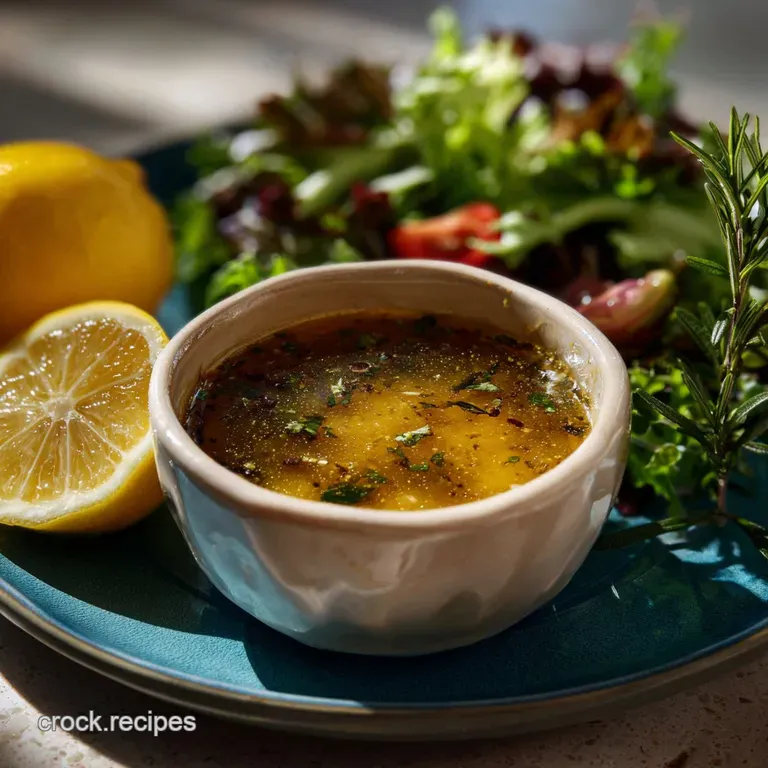
Imagine the first bite of a crisp garden salad, where the greens are lightly coated in a liquid that catches the light. You get that initial sharp hit of citrus, followed immediately by the smooth, velvety flow of high-quality oil.
It’s a contrast that makes your mouth water, far better than the gloopy, preservative heavy bottles hiding in the supermarket aisles. Discover the tastiest easy salad dressing recipe made from scratch with lemon and herbs right here.
I used to think that making my own vinaigrette was a chore, something reserved for fancy dinner parties or people with far too much time on their hands. Then I had a salad at a small cafe that changed my mind: the dressing was so simple yet so incredibly bright that it transformed a few simple leaves into a gourmet experience.
That’s the promise of this recipe. It’s fast, it’s fresh, and it uses ingredients you probably already have sitting in your pantry.
We are going to focus on building a stable emulsion that doesn't just sit on top of your vegetables like a puddle. By understanding a tiny bit of kitchen physics, you can ensure every bite is balanced.
We'll look at why Dijon is more than just a flavor booster and how the order of your ingredients can make or break the texture. Let's get into it.
Molecular Magic Behind the Emulsion
Lecithin Binding: The Dijon mustard contains lecithin, which acts as a bridge between the water based lemon juice and the fat based olive oil. This prevents the two liquids from repelling each other, resulting in a cohesive, silky texture that clings to the leaves.
Acid Denaturation: Lemon juice helps soften the harshness of the raw garlic by breaking down its pungent sulfur compounds. This process, similar to how lime "cooks" fish in ceviche, ensures the garlic provides a mellow undertone rather than an aggressive bite.
Precise Science of Key Components
| Component | Science Role | Pro Secret |
|---|---|---|
| Extra Virgin Olive Oil | Lipid Base | Use cold pressed oil for a peppery finish that adds complexity to the fat. |
| Fresh Lemon Juice | Acid Catalyst | Roll the lemon on the counter first to rupture the juice vesicles for maximum yield. |
| Dijon Mustard | Emulsifier | Never skip this, as it provides the molecular "glue" that keeps the oil suspended. |
| Fine Sea Salt | Flavor Enhancer | Salt dissolves better in the lemon juice before you add the oil. |
Sourcing Wholesome Fresh Ingredients
When we talk about an easy salad dressing recipe made from scratch with lemon, quality is everything because there is nowhere to hide. Since we aren't using artificial thickeners, we rely on the natural properties of our plants to provide the body and zing.
- 1/2 cup extra virgin olive oilWhy this? Provides the essential fatty acids and a smooth, silky mouthfeel.
- 1/4 cup freshly squeezed lemon juiceWhy this? High acidity provides the "bright" contrast to the savory fats.
- 1 tablespoon Dijon mustardWhy this? Acts as the stabilizer while adding a subtle, spicy back note.
- 1 teaspoon honey or maple syrupWhy this? Counteracts the sharp acid for a balanced, rounded flavor profile.
- 1 clove fresh garlic, minced into a fine pasteWhy this? Adds a savory depth that ground garlic powder simply cannot match.
- 2 tablespoons fresh herbs (parsley, basil, or oregano)Why this? Brings a garden fresh aroma and vibrant green specks to the dish.
- 1/2 teaspoon fine sea saltWhy this? Essential for drawing out the sweetness of the citrus.
- 1/4 teaspoon freshly cracked black pepperWhy this? Provides a gentle heat that lingers on the palate.
For a substitute, you could use avocado oil if you want a more neutral profile, though it lacks the characteristic peppery bite of olive oil. If you find yourself out of lemons, a high-quality white wine vinegar works, though the flavor will be more "vinegary" and less "fruity." Note that using maple syrup keeps this recipe strictly plant based and adds a lovely woody sweetness that pairs brilliantly with the herbs.
Essential Kitchen Gear for Success
You don't need a high end blender for this, but the right tools make the emulsification process much easier. I prefer using a small Mason jar because it doubles as a mixing bowl and a storage container. If you are a traditionalist, a stainless steel whisk and a glass bowl will give you more control over the thickness.
I always reach for my Microplane Zester to turn the garlic clove into a fine paste. This is a game changer because chunks of raw garlic can be quite overwhelming. By turning it into a paste, the flavor distributes evenly throughout the dressing.
A glass citrus juicer is also helpful to catch the seeds while ensuring you get every last drop of juice. If you are making a larger batch, a Vitamix immersion blender can create a super stable emulsion that stays unified for days.
Chef's Tip: Freeze your lemon for just 10 minutes before juicing. It firms up the membranes slightly, making it easier to extract the juice without the fruit slipping around your hands.
Also, try adding a pinch of lemon zest to the salt and rubbing them together with your fingers before mixing, this releases the volatile oils for a massive scent boost.
Mastering the Manual Mixing Process
- Prep the garlic. Mince the garlic clove until it is a fine paste. You can add a pinch of the sea salt to the cutting board to act as an abrasive.
- Combine the acids. Place the 1/4 cup lemon juice, 1 teaspoon honey, and 1 tablespoon Dijon mustard into your jar or bowl.
- Season the base. Add the garlic paste, 1/2 teaspoon salt, and 1/4 teaspoon pepper. Whisk these together until the honey and salt are fully dissolved.
- Incorporate herbs. Stir in the 2 tablespoons of chopped fresh herbs. I love using a mix of parsley and oregano for an earthy vibe.
- Start the oil. Slowly drizzle the 1/2 cup olive oil into the mixture. Whisk constantly for at least 45 seconds.
- Check the emulsion. Look for the liquid to turn opaque and slightly thickened. This is the sign your fats and acids have bonded.
- Taste and adjust. Dip a leaf of your salad green into the dressing. This is better than tasting it from a spoon as it shows you how it will actually taste on the food.
- Final shake. If using a jar, tighten the lid and give it one final, vigorous shake. You want to see a uniform, pale yellow color with no oil slicks on top.
This technique is much more reliable than the "fast" method of just throwing everything in at once. Much like the technique used in our Creamy Homemade Hummus recipe, the order of operations determines the final texture.
| Method | Speed | Stability | Texture Result |
|---|---|---|---|
| Fast (All in-one) | 1 minute | Low | Tends to separate within 10 minutes. |
| Classic (Step wise) | 5 minutes | High | Thick, creamy, and stays unified for hours. |
Solving Common Preparation Mistakes
The Dressing Separates Immediately
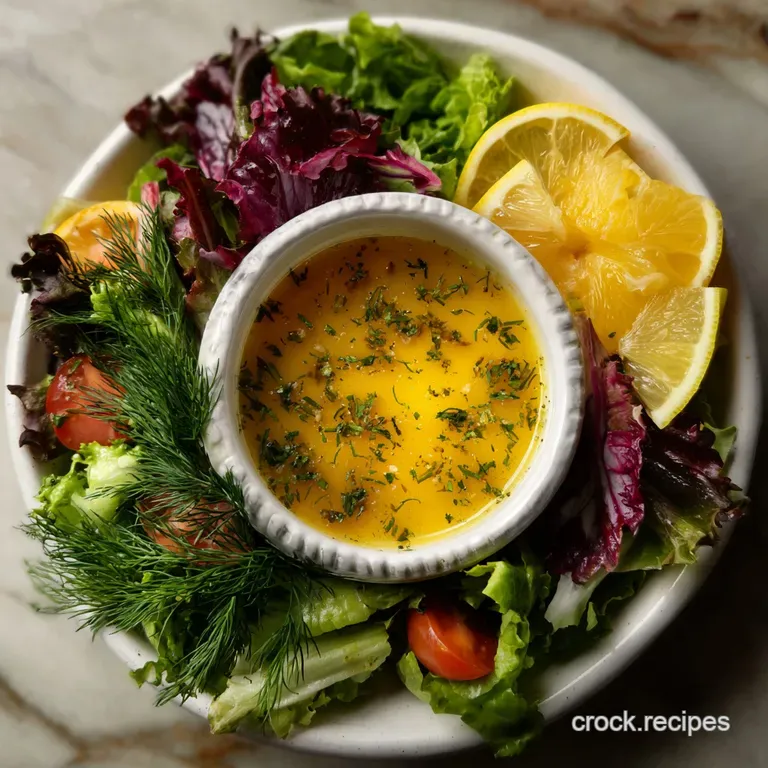
If your oil is floating on top of the lemon juice, the emulsion didn't take. This usually happens if the oil was added too quickly or if there wasn't enough mustard to act as a binder.
The Flavor is Too Sour
Sometimes lemons are extra tart. If the dressing makes you pucker uncomfortably, you need to balance the pH. Don't just add more oil, as that can make it greasy.
The Garlic is Overpowering
Raw garlic can be quite "hot" and spicy. If you find the garlic taste is lingering too long, it’s because the pieces were too large or it didn't sit in the acid long enough.
| Problem | Cause | Fix | Pro Tip |
|---|---|---|---|
| Broken Emulsion | Oil added too fast | Add 1 tsp warm water and whisk vigorously | Use a jar for better mechanical force |
| Too Acidic | Lemon was very tart | Add an extra 1/2 tsp of honey | Balance with a pinch more salt |
| Bitter Aftertaste | Low quality oil | Add a splash of orange juice | Never use "light" olive oil here |
Modifying for Specific Diets
If you want to keep this recipe keto friendly, simply swap the honey for a few drops of liquid stevia or just omit the sweetener entirely. The lemon provides enough fruitiness that you might not even miss the sugar. For those following a Whole30 protocol, ensure your Dijon mustard doesn't contain added sugars or wine.
Making this creamy without dairy is surprisingly easy. You can whisk in a tablespoon of tahini or almond butter. This creates a nutty, thick consistency that feels indulgent while remaining entirely plant based.
If you prefer a more herbaceous punch, increase the herbs to 4 tablespoons and pulse the whole thing in a small food processor until it turns bright green. This is a great way to use up the stems of parsley or cilantro, which hold tons of flavor.
- For a Creamy Texture: Add 1 tbsp of tahini.
- For a Spicy Kick: Add 1/2 tsp of red pepper flakes.
- For a Mediterranean Flare: Use dried oregano and add a teaspoon of caper brine.
Optimal Storage and Shelf Life
Because this recipe uses fresh garlic and herbs, it has a shorter shelf life than oil and vinegar only versions. I recommend keeping it in the fridge for no more than 3 to 4 days. After that, the garlic can start to develop an off flavor and the herbs will lose their vibrant green color.
What about the solidified oil? If you store this in the fridge, the extra virgin olive oil will likely solidify or turn cloudy. This is perfectly normal and a sign of high-quality, unrefined oil.
Simply take the jar out 15 minutes before you need it, or run the bottom of the jar under warm water for 30 seconds. Give it a good shake, and it will return to its silky state.
For zero waste, don't throw away the lemon rinds after juicing. You can toss them into a jar of white vinegar to create a natural kitchen cleaner, or zest them completely and mix with salt to make a citrus rub for roasted vegetables.
If you have leftover dressing that you won't use for salad, use it as a marinade for tofu or tempeh. The acidity helps break down the proteins and infuses them with incredible flavor.
Perfect Dishes for This Vinaigrette
This vinaigrette is a workhorse in the kitchen. It’s obviously great on a simple arugula salad, but it also shines when drizzled over roasted chickpeas or steamed broccoli. The bright citrus notes act as a highlight for the earthy flavors of legumes and brassicas.
If you're looking for a heavier meal, this dressing pairs beautifully with a grain bowl. Think quinoa, roasted sweet potatoes, and massaged kale. The acid in the lemon actually helps soften the tough fibers of the kale, making it much more pleasant to eat. For a different kind of creaminess in your meal, you might consider the richness found in our Homemade Heavy Cream recipe for other sauces, but for salads, the lemon oil balance is king.
- Quinoa Salad: Toss with cucumber, cherry tomatoes, and feta.
- Roasted Veggies: Drizzle over hot carrots or asparagus right out of the oven.
- Pasta Salad: Use as a light alternative to mayo based dressings with plenty of fresh peas.
Debunking Dressing Myths
A common misconception is that you need a 3 to-1 ratio of oil to acid for every dressing. While that is a standard culinary school starting point, lemon juice is often less aggressive than balsamic vinegar.
In this easy salad dressing recipe made from scratch with lemon, we use a 2 to-1 ratio to allow the citrus to really pop. Trust your taste buds over a rigid ratio.
Another myth is that you can't use dried herbs. While fresh is always better for that "garden" feel, dried herbs can work if you let the dressing sit for at least an hour. This allows the dried leaves to rehydrate in the lemon juice and release their oils.
Just remember to use about a third of the amount, as dried herbs are much more concentrated.
Efficiency and Practical Troubleshooting
Check your timing. You should spend about 30 seconds whisking the base and at least 45 seconds slowly incorporating the oil. If you rush this part, the emulsion will be weak.
- 1. Acidity
- The lemon juice should make up exactly 25% of the total volume.
- 2. Temperature
- Ingredients should be at room temperature for the best blending.
- 3. Stability
- A well made dressing should not show visible oil droplets for at least 2 hours.
If you are scaling this up for a party, don't just double the salt and pepper. Start with 1.5 times the seasoning and adjust. Spices don't always scale linearly and can quickly become overwhelming.
When making a large batch, using a blender is much more efficient and will give you a "tighter" emulsion that lasts longer in the fridge.
Right then, let's crack on and get that salad tossed. Once you realize how much better this tastes than the store-bought stuff, you'll never go back. Trust me on this, your greens deserve the best.

Recipe FAQs
What is the primary function of Dijon mustard in this lemon dressing?
It acts as a primary emulsifier. The mustard contains lecithin, which creates a molecular bridge between the oil and the lemon juice, preventing them from separating into layers.
Can I substitute bottled lemon juice for fresh lemon juice in this recipe?
No, fresh is strongly recommended. Bottled juice lacks the volatile oils found in fresh zest and has a duller, sometimes metallic flavor that compromises the dressing's vibrancy.
How long can I safely store this homemade lemon dressing?
Aim for 3 to 4 days maximum in the refrigerator. Since this recipe uses fresh garlic and herbs, the flavor quality declines rapidly after the fourth day.
My dressing separated after being in the fridge; is it ruined?
No, it is perfectly fine to save. The oil simply solidified; remove it from the fridge about 15 minutes before serving and whisk vigorously until the emulsion reforms.
What can I use instead of honey if I want this dressing to be strictly savory?
Use a teaspoon of warm water or pickle brine instead. The water helps dissolve the salt evenly, similar to how acid balances flavor in our Roux Recipe: Master the Foundation for Perfect Sauces, by mellowing the sharp notes.
How do I make this dressing thicker or creamier without adding dairy?
Whisk in one tablespoon of tahini or avocado oil. Tahini adds a nutty richness and its own natural emulsifiers, resulting in a dense, satisfying mouthfeel.
Is the 2:1 oil-to-acid ratio set in stone for this vinaigrette?
No, but it's a great starting point for lemon dressings. We use 2:1 here because lemon is sharper than balsamic, but always taste and adjust; if you prefer more tang, go to 1.5:1.
Easy Lemon Dressing From Scratch

Ingredients:
Instructions:
Nutrition Facts:
| Calories | 127 kcal |
|---|---|
| Protein | 0.1 g |
| Fat | 13.8 g |
| Carbs | 1.5 g |
| Fiber | 0.1 g |
| Sugar | 0.9 g |
| Sodium | 188 mg |
