The Golden Broth Simple Aromatic Chinese Vegetable Soup
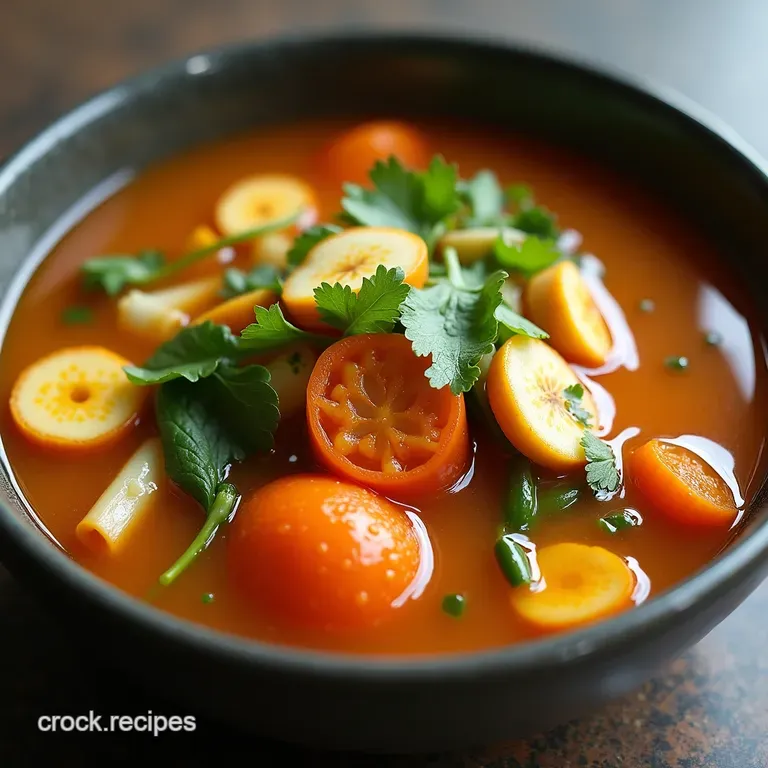
- Discovering Comfort: The Essence of Our Signature Chinese Vegetable Soup
- Why This Broth is Your New Weeknight Staple
- Assembling the Pantry: Essential Components for Vibrant Flavor
- The Step-by-Step Journey to Deliciousness
- Expert Tweaks and Customizations for Your Chinese Vegetable Soup
- Recipe FAQs
- 📝 Recipe Card
Discovering Comfort: The Essence of Our Signature Chinese Vegetable Soup
There is a specific kind of culinary magic that happens when simple, fresh ingredients meet a carefully coaxed broth. Our signature Chinese Vegetable Soup , which we affectionately call "The Golden Broth," encapsulates this perfectly.
It’s a dish deeply rooted in the comforting, light style found in traditional Cantonese cooking refreshingly clear yet undeniably savoury. This isn't the heavy, overly salted soup you might associate with takeout; this is vibrant, nourishing, and designed to showcase the delicate flavour profiles of fresh produce.
It’s the culinary equivalent of putting your feet up after a long week, requiring minimal technical skill yet delivering maximum reward.
Why This Broth is Your New Weeknight Staple
The beauty of this particular Chinese Vegetable Soup recipe lies in its accessibility and speed. While many traditional Chinese soups require hours of simmering bones or dried ingredients, this version prioritizes clean, bright flavour achieved rapidly.
It’s easily manageable for a busy Tuesday tea-time but possesses an elegant simplicity that serves beautifully as a starter for a more involved meal.
Setting the Scene: A Hug in a Bowl
When we talk about comfort food, we often think of heavy casseroles. However, this Chinese vegetarian soup offers a different kind of solace the warmth of a clear liquid that hydrates and satisfies without weighing you down.
The combination of tender shiitake mushrooms, crisp carrots, and silken Napa cabbage creates a delightful medley of textures in every spoonful. This lighter approach makes it perfect year round, whether you need a gentle boost on a cold day or a cleansing starter during warmer months.
The Secret to Aromatic Clarity in This Classic Recipe
Achieving that pristine, clear Chinese vegetable soup broth is paramount. We avoid heavy creams or opaque bases. Instead, the foundation relies on high-quality stock low sodium vegetable or chicken stock works wonderfully infused gently with aromatics.
The trick here is using fresh ginger, sliced rather than minced, which releases its perfume slowly into the liquid without clouding the final appearance.
Achieving Flavor Depth with Minimal Effort
The flavour layering in this soup is subtle but profound. We begin by awakening the aromatics in a neutral oil a mere 60 to 90 seconds of gentle sautéing is enough to unlock the best qualities of the garlic and ginger.
This bloom of flavour is then captured entirely by the stock as it heats, ensuring every drop is imbued with essence. A careful balance of light soy sauce and a splash of unseasoned rice vinegar provides the necessary umami and brightness to complete this beautifully balanced flavour profile.
Related Recipes Worth Trying
- The Golden Broth Easy Healthy Chinese Vegetable Soup Recipe — Whip up this aromatic Chinese Vegetable Soup with tofu and bok choy for a light comforting dinner The broth is everythingget my foolproof technique
- Hearty Chinese Vegetable Soup Recipe A Restorative Weeknight Dinner — Ditch the takeaway This easy Chinese Vegetable Soup recipe delivers a fragrant restorative broth packed with bok choy and ginger in under 45 minutes
- MapleThyme Roasted Root Vegetables Easy Vegetable Side Dishes — Transform humble roots into star Vegetable Side Dishes with this simple recipe Get tender vegetables coated in a sticky maplethyme glaze A delicious...
Assembling the Pantry: Essential Components for Vibrant Flavor
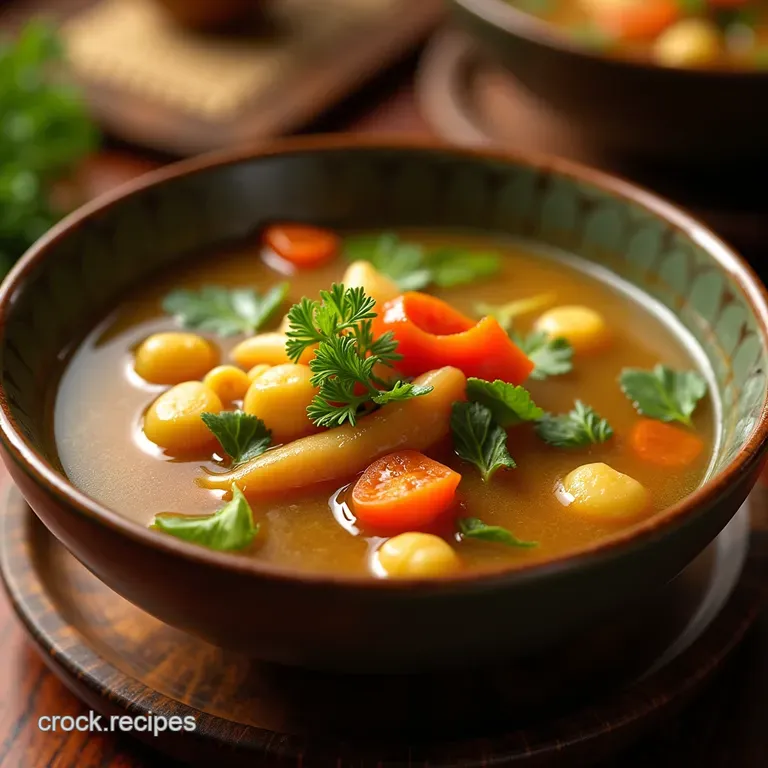
Before we start chopping, let's gather our Chinese Vegetable Soup ingredients . Success in Asian cooking often hinges on having the right components ready to go, as the cooking process moves quite quickly once the heat is on.
For four generous servings, your pantry should yield the following core items.
We rely on a standard 6 cups (approximately 1.4 litres) of low-sodium stock as our liquid base. For the aromatics, keep ready a 1 inch piece of fresh ginger, peeled and thinly sliced, alongside three medium cloves of garlic, minced.
The essential seasoning agents will include two tablespoons of light soy sauce, one teaspoon of unseasoned rice vinegar, and a delicate quarter teaspoon of white pepper for that characteristic subtle spice.
The Vegetable Lineup: Selecting Peak Freshness
What vegetables go in Chinese soup ? We aim for a mix of earthy flavour, vibrant colour, and varied texture. For this recipe, source about 4 ounces (115g) of shiitake mushrooms, ensuring their tough stems are removed before slicing them thinly.
Next, procure two medium carrots, which should be julienned cut into neat matchsticks to cook evenly alongside the mushrooms. The bulk of our greenery comes from coarse chopped Napa cabbage (about 4 cups packed) and two heads of baby Chinese Vegetable Soup with bok choy , where the leaves are separated from the thicker stems.
Finally, a half cup of shelled edamame, thawed, adds a delightful pop of colour and protein.
Building the Golden Base: Broth, Seasonings, and Aromatics
To ensure we achieve that signature toasted depth, we need just one tablespoon of neutral cooking oil (like canola or vegetable oil) for the initial sauté. The final flavour accent, which should never be cooked extensively, is one teaspoon of toasted sesame oil, added right at the end for pure fragrance.
Optional Enhancements for a Heartier Bowl
While this recipe focuses on being a light, vegetable forward dish, it’s easily adaptable. If you are aiming for a more substantial meal, consider incorporating firm tofu cubes or thin strips of pre-cooked chicken.
For those who enjoy a little heat in their Chinese vegetable soup , a small dash of chili garlic sauce added during the initial sauté stage works wonders.
The step-by-step Journey to Deliciousness
With our ingredients prepared and our stock warming, the active cooking time for this straightforward Chinese Vegetable Soup comes in at just about 25 minutes. We move systematically, ensuring each vegetable reaches its ideal tenderness before the next is introduced.
Prepping Your Produce: Cutting Techniques That Matter
The consistency of your cuts dictates the texture of the final soup. Remember, the carrots must be thin matchsticks, and the mushrooms sliced thinly. The Napa cabbage should be chopped coarsely enough to hold up in the simmer but small enough to eat easily.
Keep the bok choy stems separate from the delicate leaves; the stems require a few extra minutes of cooking time than the fragile leaves do.
Infusing the Stock: Activating Ginger and Scallions
In your large stockpot, heat the tablespoon of neutral oil over medium heat. Introduce the sliced ginger and minced garlic. Stir continuously for about 60 to 90 seconds until they become wonderfully fragrant.
This careful activation step is crucial for building the aromatic foundation without letting the garlic scorch, which would introduce bitterness. Immediately after this bloom, pour in the 6 cups of stock and bring the mixture up to a gentle simmer.
Sequence of Addition: Cooking Vegetables for Optimal Texture
Once simmering, add the firmer ingredients: the sliced shiitake mushrooms and the julienned carrots. Allow these to simmer for a full 8 minutes. This grants them enough time to soften slightly. Next, introduce the coarse cabbage and the thicker white/pale green stems of the bok choy.
Let these cook for another 3 minutes. Now is the time to stir in the soy sauce, rice vinegar, and white pepper. Taste the broth at this point; it should be clean, savoury, and appealingly light.
Final Flourishes: Thickening and Garnish Application
Many prefer a slightly viscous broth, which gives the soup more body. To achieve this, whisk one tablespoon of cornstarch with two tablespoons of cold water until perfectly smooth this is your slurry. While the soup is at a steady, low simmer, slowly drizzle this mixture into the pot while stirring constantly.
Stop adding when the broth just begins to lightly coat the back of a spoon. Finally, stir in the reserved bok choy leaves and the shelled edamame. Cook for just 1 to 2 minutes more you want the leaves wilted but still bright green.
Remove the pot from the heat entirely, then stir in the teaspoon of toasted sesame oil. Ladle into warm bowls and garnish generously with freshly sliced scallions.
Expert Tweaks and Customizations for Your Chinese Vegetable Soup
While the base Chinese Vegetable Soup recipe is excellent as written, expert cooks know that versatility is key. Don’t hesitate to play with additions and adjustments based on what you have available or your personal preference.
Vegan Swaps and Protein Boosts
If you are specifically making a Chinese vegetable soup with tofu , introduce 1/2 cup of firm or extra firm tofu, cubed, at the same time you add the mushrooms and carrots. Ensure the tofu is pressed if it is very wet.
For those avoiding gluten, the substitution is simple: use Tamari instead of standard soy sauce, and confirm your stock is certified gluten-free.
Troubleshooting Common Flavor Pitfalls
If your soup tastes too flat, it likely needs more acidity or salt. Add the rice vinegar a half teaspoon at a time until the flavour "lifts." If it tastes too salty, simply add a splash more water or stock to dilute the concentration.
Remember that the white pepper adds aromatic heat, not sharp spiciness; for true heat, add dried chili flakes early on.
Making This Recipe Ahead: Smart Storage Solutions
This soup stores beautifully. After cooling completely, transfer the soup to an airtight container. It will maintain its optimal flavour and texture for up to three days in the refrigerator. When reheating, do so gently on the stovetop.
Be aware that the greens will soften further upon reheating, so if you plan on eating leftovers the next day, consider reserving half the bok choy and adding it fresh during the final minute of reheating.
Pairing Suggestions: What Goes Well Beside This Soup?
Because this Chinese vegetable soup broth is so light and fragrant, it pairs wonderfully with items that provide textural contrast. A small bowl of steamed brown rice is a natural accompaniment, soaking up the seasoned liquid.
Alternatively, simple steamed noodles tossed lightly with a touch of sesame oil make this a complete, satisfying meal. For a sophisticated touch, a small dipping sauce of black vinegar mixed with slivers of fresh ginger makes an excellent condiment for anyone wanting an extra zing.

Recipe FAQs
Can I make this Chinese Vegetable Soup ahead of time, or does it go soggy?
It's best eaten fresh, but you can certainly prep components ahead of time! For best results, cook the soup up to Step 5 (before adding the final delicate greens). Store the broth mixture separately from the fresh scallions, and only add the bok choy leaves and sesame oil right before reheating and serving.
I’m not a fan of cabbage; what else can I use in this soup?
No worries, swapping greens is dead easy! If you’re after texture, use shredded Savoy cabbage or even thinly sliced kale, adding it slightly earlier than the Napa cabbage. For a quicker cook time, spinach or even thinly sliced zucchini work splendidly as a substitute.
How can I make this Chinese Vegetable Soup heartier for a main meal?
To turn this light dish into a proper supper, you'll want to bulk it up! Toss in some pre-cooked protein like shredded rotisserie chicken or cubes of firm tofu alongside the carrots in Step 2. Adding a nest of pre-cooked rice vermicelli noodles directly into the serving bowl also does the trick nicely.
My broth tastes a bit bland; what’s the secret to getting that deep, savoury flavour?
That 'umami' depth usually comes from quality stock and proper seasoning timing. Make sure you're using low-sodium stock so you can control the saltiness with soy sauce later. Also, don't skip sautéing the ginger and garlic properly in Step 1 that aromatic base is crucial for the "Golden Broth" flavour profile!
Is it possible to freeze leftovers, and if so, how do I stop the vegetables from getting mushy?
You absolutely can freeze it, but vegetables don't love being frozen and thawed! It’s best to freeze the soup before you add any of the delicate greens (cabbage, bok choy) or the final splash of sesame oil. When you reheat it, add fresh or frozen vegetables for the last five minutes of cooking.
Golden Broth Veg Soup
Ingredients:
Instructions:
Nutrition Facts:
| Calories | 2202 kcal |
|---|---|
| Protein | 14.5 g |
| Fat | 55.9 g |
| Carbs | 89.1 g |
| Fiber | 24.3 g |
| Sodium | 1090 mg |
