Greek Salad Pita Pockets Recipe: No-Soggy Lunch
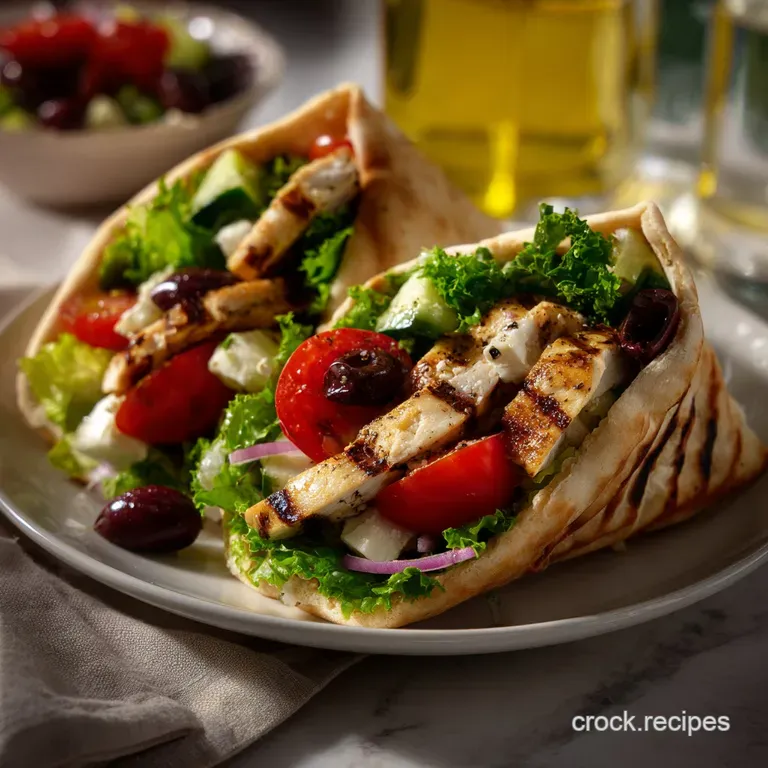
- Effort/Time: 30 minutes total (Active prep: 20 minutes)
- Flavor Hook: Sharp lactic tang of feta meets the Maillard-seared savory chicken and zesty lemon-oregano vinaigrette.
- Perfect for: High-performance meal prepping, grab-and-go office lunches, and refreshing weeknight dinners.
- The Ultimate Greek Salad Pita Pockets Recipe for a Fresh Lunch
- The Flavor Science: Why This Mediterranean Combination Works
- Ingredients and Substitutions for Success
- Step-by-Step Instructions for this Greek Salad Pita Pockets Recipe
- Expert Culinary Tips and Common Mistakes to Avoid
- Common Myths
- Storage and Freezing Guidelines for Meal Prep
- Recipe FAQs
- 📝 Recipe Card
The Ultimate Greek Salad Pita Pockets Recipe for a Fresh Lunch
Why You Need This Greek Salad Pita Pockets Recipe in Your Life
We’ve all been there: you pack a beautiful pita for lunch, only to find a waterlogged, tearing mess by noon. The culprit is usually the cucumber's cellular structure collapsing or a broken dressing emulsion soaking into the bread.
This Greek Salad Pita Pockets Recipe fixes that by treating the assembly like a culinary engineering project rather than just a salad in a bread sleeve.
I used to just toss everything together and hope for the best, but I ended up with pitas that had the structural integrity of a wet napkin. After testing different sequences, I realized the secret isn't just the ingredients it’s the physics of moisture management.
We’re going to use the romaine lettuce as a hydrophobic barrier and the tzatziki as a protective sealant.
Expect a crunch that shatters, a velvety finish from the feta, and the aromatic sizzle of chicken hit with 1 tsp (2 g) dried oregano. This isn't just another sandwich; it’s a masterclass in balancing acidity, fat, and texture within a handheld pocket.
Let's get into the mechanics of why this Greek Salad Pita Pockets Recipe actually works.
The Flavor Science: Why This Mediterranean Combination Works
- Osmotic Moisture Control: Salting the 1.5 cups (225 g) English cucumber early draws out excess water, preventing the liquid from leaching into the pita fibers later.
- Hydrophobic Layering: Using 2 cups (60 g) shredded romaine lettuce as the first layer creates a physical barrier that prevents the vinaigrette from reaching the bread.
- Acid Induced Tenderization: The 2 tbsp (30 ml) fresh lemon juice and 1 tsp (5 ml) red wine vinegar break down connective tissues in the chicken during the brief marination, ensuring every bite is tender rather than rubbery.
- Fat-Soluble Aromatics: Dissolving the dried oregano and minced garlic in 3 tbsp (45 ml) Bertolli Extra Virgin Olive Oil releases essential oils that are more potent than if they were added to a water based liquid.
The Science Behind 1 lb (454 g) Chicken Breast
- What It Does
- Provides the structural protein base and savory "umami" foundation for the pocket.
- The Chemistry
- Through the Maillard reaction, amino acids and reducing sugars rearrange under heat to create hundreds of different flavor compounds and a brown crust.
- Why This Matters
- Searing in a Lodge Cast Iron Skillet at high heat ensures the juices stay locked inside the protein fibers, preventing the chicken from becoming dry and chalky.
The Science Behind 2 tbsp (30 ml) Fresh Lemon Juice
- What It Does
- Acts as the primary acidulant and brightener for the entire Greek Salad Pita Pockets Recipe.
- The Chemistry
- Citric acid lowers the pH of the mixture, which brightens colors and denatures proteins on the surface of the chicken for better spice adhesion.
- Why This Matters
- It cuts through the heavy fat content of the 0.5 cup (75 g) crumbled feta cheese, cleaning the palate between every bite.
The Science Behind 0.5 cup (75 g) Feta Cheese
- What It Does
- Provides the creamy, salty "top notes" and a soft, crumbly texture.
- The Chemistry
- Feta is a brined curd cheese; the high salt concentration prevents bacterial growth while the lactic acid fermentation provides that signature tang.
- Why This Matters
- The salt in the feta acts as a natural flavor enhancer for the 1.5 cups (225 g) English cucumber, making the vegetables taste more "vegetal" and fresh.
Ingredients and Substitutions for Success
Getting the right balance in your Greek Salad Pita Pockets Recipe requires high-quality staples. I always reach for Diamond Crystal Kosher Salt because its hollow crystals dissolve faster in the vinaigrette than standard table salt.
| Original Ingredient | Substitute | Why It Works |
|---|---|---|
| 1 lb Chicken Breast | Chickpeas (15 oz can) | High protein and fiber; offers a nutty flavor and firm texture for vegetarians. |
| 0.5 cup Feta Cheese | Marinated Tofu Cubes | Mimics the crumbly texture and salty profile; use a brine of lemon and sea salt. |
| 2 large Pita Breads | Whole Wheat Tortillas | More flexible for wrapping, though you lose the "pocket" insulation. |
| 0.5 cup Tzatziki | Halal White Sauce: Best Easy Halal Béchamel Recipe | Adds a creamy, savory depth if you prefer a richer, dairy based sauce. |
| Red Wine Vinegar | Apple Cider Vinegar | Similar acidity levels (5 6%) but adds a fruitier, slightly sweeter finish. |
For those looking to experiment with the spice profile, substituting the oregano for a Baharat Spice Blend: Essential 10 Minute Homemade Recipe adds a smoky, warm dimension that pairs beautifully with the grilled chicken.
step-by-step Instructions for this Greek Salad Pita Pockets Recipe
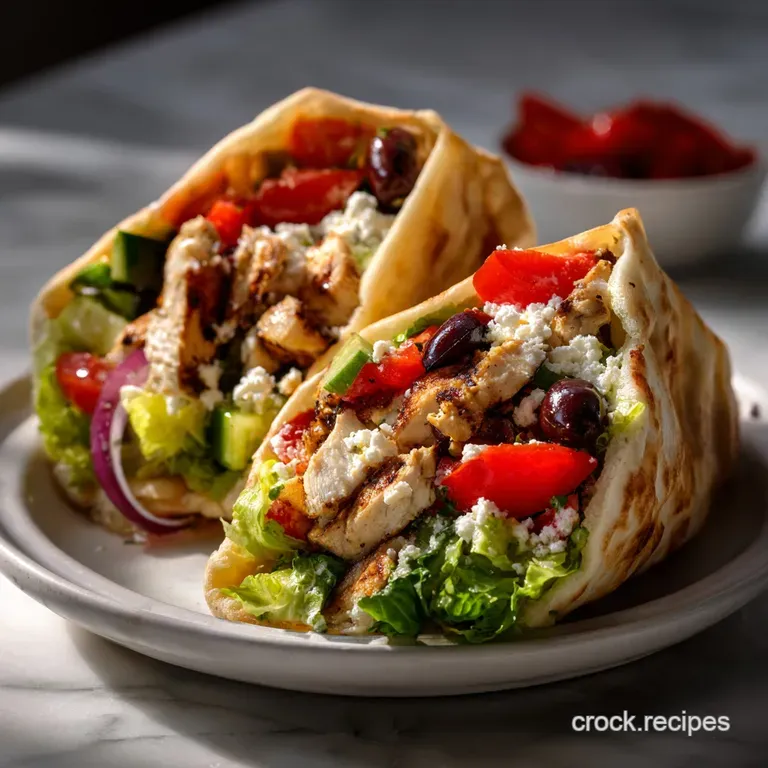
- Whisk the vinaigrette using 3 tbsp (45 ml) extra virgin olive oil, 2 tbsp (30 ml) lemon juice, 1 tsp (5 ml) red wine vinegar, 1 clove garlic, 1 tsp (2 g) dried oregano, 0.5 tsp salt, and 0.25 tsp black pepper. Note: Whisking creates a temporary emulsion where oil droplets are suspended in acid for uniform coating.
- Dice the vegetables including 1.5 cups (225 g) English cucumber, 1 cup (150 g) cherry tomatoes, 0.25 cup (40 g) red onion, and 0.25 cup (40 g) Kalamata olives. Note: Small 1/4 inch cubes increase the surface area for the dressing to cling to.
- Toss the salad by combining the vegetables and 0.5 cup (75 g) feta cheese with half of the prepared vinaigrette. Note: Letting this sit for 5 minutes allows the salt to initiate osmosis in the cucumbers.
- Sear the chicken by heating 1 tbsp (15 ml) olive oil in a Lodge Cast Iron Skillet and cooking 1 lb (454 g) chicken breast strips until golden brown (about 6 8 minutes). Note: High heat triggers protein denaturation and the Maillard reaction for a savory crust.
- Warm the pitas for 30 seconds in a dry pan or microwave until soft and pliable. Note: Heat relaxes the gluten network, making the pitas less likely to crack during stuffing.
- Apply the sealant by spreading 0.5 cup (120 g) tzatziki or hummus inside each of the 4 pita halves. Note: The fat in the spread creates a moisture resistant layer against the bread.
- Layer the greens by stuffing 2 cups (60 g) shredded romaine lettuce into the bottom of each pocket. Note: This acts as a structural "sponge" and barrier for any stray juices.
- Final assembly involves spooning the chicken and the dressed salad mixture into the pitas, finishing with the remaining vinaigrette if desired. Note: Packing tightly at the bottom prevents the pocket from becoming top-heavy and collapsing.
Expert Culinary Tips and Common Mistakes to Avoid
Mastering the Stovetop Grilled Chicken
Don't crowd the pan. If you put all 1 lb (454 g) of chicken in at once, the temperature of your skillet will drop, causing the chicken to steam in its own juices rather than sear. Work in batches to maintain that 375°F+ surface temperature.
A Thermapro Digital Meat Thermometer is your best friend here pull the chicken at 160°F; carry over cooking will bring it to the safe 165°F without drying it out.
Assembling the Pockets Without Tearing the Bread
Most store-bought pitas have a "weak seam." To avoid a blowout, never use a knife to saw the pita open. Use kitchen shears to snip the top edge, then gently use your fingers to steam release the inner pocket. If the pita is cold, it will shatter.
Wrap them in a damp paper towel and microwave for 15 seconds to restore elasticity.
How to Prevent Your Pita from Getting Soggy
- Dry
- The pita bread.
- Wet
- The tzatziki or hummus (the sealant).
- Dry
- The romaine lettuce.
- Wet
- The dressed salad.
| Problem | Why It Happens | The Fix | Pro Protocol |
|---|---|---|---|
| Pita collapses | Overstuffing with heavy tomatoes | Layer lettuce at the bottom and sides | Use a 2:1 ratio of greens to wet salad |
| Chicken is rubbery | Low heat or overcooking | Sear on high; use a thermometer | Use a Lodge Cast Iron Skillet for heat retention |
| Salad is watery | Cucumber juice leakage | Salt cucumbers and drain before mixing | Use an Oxo Salad Spinner for the romaine |
Common Myths
Myth: You should mix the lettuce into the salad bowl before stuffing. Truth: This is a recipe for disaster. The acid in the lemon juice and vinegar will wilt the 2 cups (60 g) romaine lettuce within 10 minutes, turning it slimy.
Always keep the greens separate until the very moment of assembly.
Myth: Pita bread doesn't need to be warmed if it's fresh. Truth: Even the freshest pita has undergone starch retrogradation (staling) since it left the oven.
Reheating for 30 seconds "gelatinizes" the starches again, making the bread soft and flexible enough to hold 1 lb (454 g) of chicken without snapping.
Storage and Freezing Guidelines for Meal Prep
Best Practices for Refrigerating Fresh Components
If you are meal prepping this Greek Salad Pita Pockets Recipe, keep the components separate. Store the seared chicken in an airtight Pyrex container for up to 4 days.
The vegetable mixture (cucumber, tomatoes, onions, olives) can be pre-chopped but should not be dressed until 30 minutes before eating. The 2 cups (60 g) shredded romaine should be stored in a bag with a dry paper towel to wick away moisture.
Can You Freeze Greek Pita Sandwiches?
No. Do not freeze the assembled pockets. The 1.5 cups (225 g) English cucumber and 1 cup (150 g) cherry tomatoes have high water content; freezing will cause the water to expand and rupture the cell walls. When thawed, the salad will turn into a mushy liquid.
However, you can freeze the seared chicken breast for up to 3 months. Wrap the 1 lb (454 g) of cooked strips in foil, then place in a heavy duty freezer bag.
Reheating for Best Results
To reheat the chicken, avoid the microwave if possible, as it can make the protein rubbery. Instead, flash sear the strips in a pan with a teaspoon of olive oil for 2 minutes. This restores the Maillard crust and ensures the chicken is hot enough to contrast with the cold salad components.
Warm the pita separately to ensure it stays soft.
Transforming Leftovers into a Deconstructed Salad Bowl
If you run out of pita bread, don't worry. The remaining chicken and salad components make a world class deconstructed bowl. Simply double the romaine base and toss everything together. If you need more bulk, this pairs excellently with a side of Easy Homemade Focaccia Recipe No Knead Focaccia Br: Ultra Crispy Results to scoop up the remaining tzatziki and vinaigrette.
This Greek Salad Pita Pockets Recipe is all about the balance of textures and the chemistry of fresh ingredients. By following these technical steps and understanding the "why" behind the layering, you'll never settle for a soggy office lunch again.
Trust me, once you hear that first crunch of the romaine against the warm, oregano scented chicken, you'll realize this is the only way to make a pita pocket. Let's crack on and get cooking!
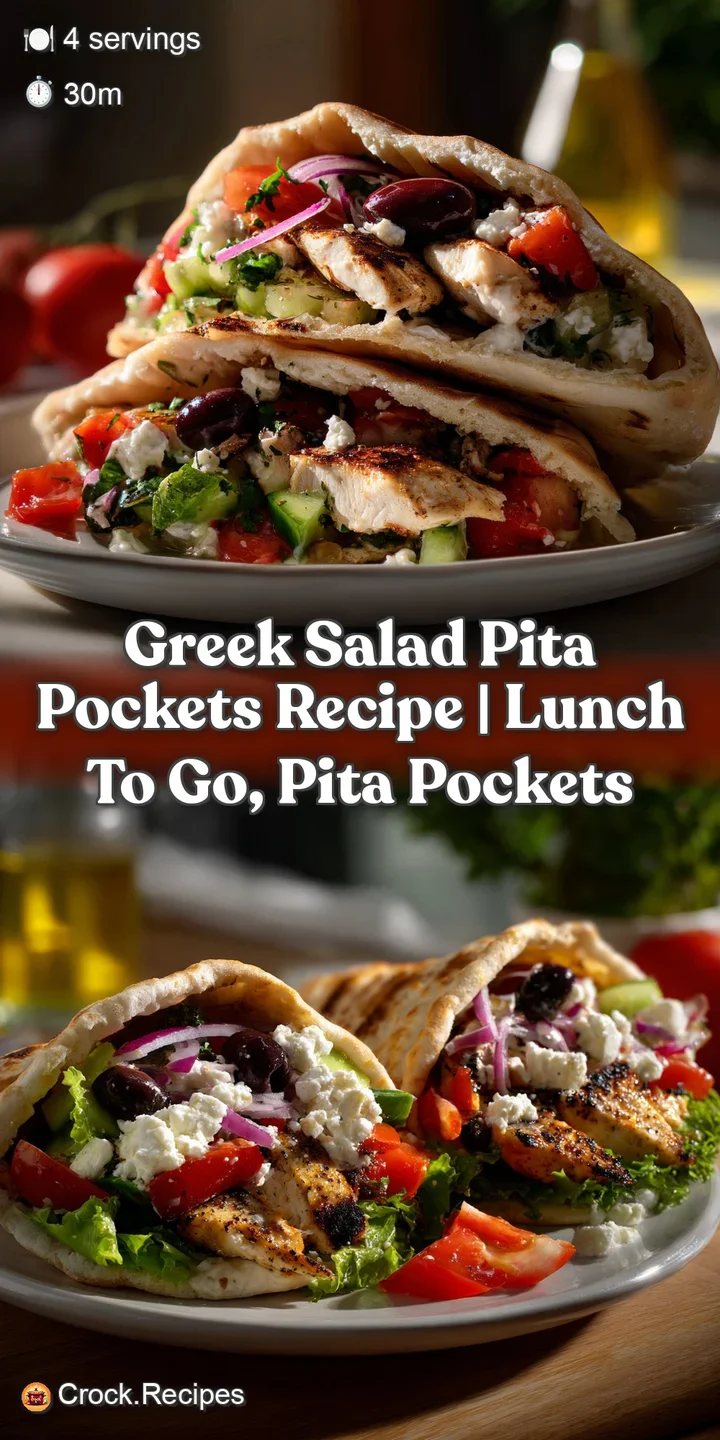
Recipe FAQs
How do I prevent the pita bread from getting soggy?
Layer ingredients strategically to control moisture migration. Creating a lipid or cheese barrier between wet vegetables (tomato/cucumber) and the pita lining prevents capillary action saturation.
- Spread hummus first on both sides
- Place feta near the center fold
- Drain all brined ingredients thoroughly
Is it necessary to toast the pita bread?
Yes, warming enhances pliability. Toasting slightly opens the pita pocket and firms the crumb structure, making it less prone to tearing when stuffed. This minimal heat application aids in creating a better seal.
Can I use pre-sliced black olives instead of Kalamata?
Generally, yes, but flavor varies significantly. Kalamata olives offer a richer, fruitier brine essential to authentic Greek profiles, unlike common canned black olives which are milder and often saltier. For a richer slow cooked flavor base in other recipes, review our guide on Homemade Spaghetti Sauce: The Ultimate Sunday Marinara Recipe for curing comparisons.
What is the best substitute for Greek yogurt in the dressing?
Alternative: Crème fraîche offers similar body. Crème fraîche contains higher fat content, yielding a slightly richer mouthfeel than Greek yogurt, which is strained for higher protein concentration. Use 1:1 replacement ratio for texture equivalence.
Can I make the filling mixture ahead of time?
Myth: Marinating the vegetables enhances flavor absorption. Reality: Salting tomatoes or cucumbers prematurely draws out moisture, leading to a less crisp filling when assembled later. Keep components separate until assembly.
Can I use chicken breast or thighs for added protein?
Chicken thigh offers superior moisture retention. Chicken breast dries out faster when chilled or reheated, while thigh meat’s higher intramuscular fat content buffers against temperature fluctuations. For low-and-slow cooking methods that maximize thigh tenderness, consult guides similar to those for our Instant Pot Yogurt: Silky Smooth Homemade Yogurt Recipe for temperature control principles.
What oil should I use for the vinaigrette?
Extra Virgin Olive Oil is mandatory for authenticity. EVOO possesses low smoke point, which is irrelevant for cold dressings, but it provides the necessary polyphenols and distinct peppery flavor profile central to Mediterranean cuisine. Virgin olive oil lacks this signature robust character.
Greek Salad Pita Pockets
Ingredients:
Instructions:
Nutrition Facts:
| Calories | 468 kcal |
|---|---|
| Protein | 42.5 g |
| Fat | 25.2 g |
| Carbs | 23.8 g |
| Fiber | 3.4 g |
| Sugar | 4.2 g |
| Sodium | 795 mg |
