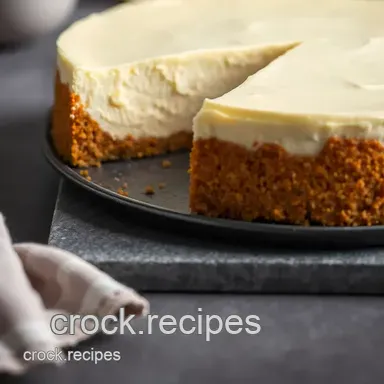
Light Greek Yogurt Cheesecake with Lemon Honey

- Time: 15 min active + 50 min baking + 30 min oven cool-down + 4 hours chilling
- Flavor & Texture: Tangy, creamy, and zesty
- Perfect for: Summer brunch or a refreshing dinner party finale
A Refreshing Summer Dessert
Imagine a warm August afternoon where a heavy, sugary cake feels like too much. You want something that tastes like a treat but leaves you feeling energized. This is where a chilled, citrusy cake fits right in.
The scent of warm honey and fresh lemon zest fills the kitchen as the crust bakes. It's a satisfying combination that feels bright and clean. Because it uses Greek yogurt, the result is a hearty yet balanced dessert.
This recipe balances the richness of honey with the sharp tang of lemon. It's a great choice for anyone who wants a more refreshing take on a classic baked dessert.
The Trick Behind the Texture
- Strained Yogurt: Removing excess whey prevents the cake from becoming mushy. If you make your own homemade yogurt, just ensure it's thick and concentrated before starting.
- The Oven Cool-Down: Cracking the oven door prevents a sudden temperature drop. This keeps the cake from shrinking too fast and cracking on top.
- Cornstarch Stability: A small amount of starch binds the moisture from the yogurt and lemon juice. It helps the cake hold its shape once chilled.
Ingredients and Swaps
- 180g graham cracker crumbs
- 55g unsalted butter, melted
- 42g honey Why this? Binds the crumbs better than sugar
- 470g plain Greek yogurt, full fat and strained Why this? Provides the essential creamy structure
- 3 large eggs
- 170g honey
- 12g cornstarch
- 4g lemon zest
- 30ml fresh lemon juice
- 5ml vanilla extract
- 63g honey
- 15ml fresh lemon juice
Chef: Use a microplane for the zest. You want only the yellow part, as the white pith tastes bitter.
Bringing It Together
Phase 1: Preparing the Base
- Set the oven to 325°F (160°C). Grease a 9-inch springform pan and line the bottom with parchment paper.
- Combine 180g graham cracker crumbs, 55g melted unsalted butter, and 42g honey in a bowl until the texture resembles wet sand.

- Press the crumbs firmly into the base of the pan to create an even layer.
- Bake the crust for 8–10 minutes until it smells toasted and deep golden brown, then set aside to cool.
Phase 2: Mixing the Filling
- In a large bowl, beat 470g strained Greek yogurt and 170g honey until the mixture is smooth and aerated.
- Add 3 large eggs one by one, mixing on low speed just until combined.
- Fold in 12g cornstarch, 4g lemon zest, 30ml fresh lemon juice, and 5ml vanilla extract until the batter is silky.

Phase 3: The Gentle Bake
- Pour the filling over the pre-baked crust, smoothing the top with a spatula.
- Bake for 40–45 minutes until the edges are set and slightly golden, but the center still has a slight, gelatinous jiggle.

- Turn off the oven and prop the door open slightly, letting the cake cool inside for 30 minutes to avoid surface cracks.
Phase 4: The Finishing Touch
- Take the cake out of the oven and let it set in the fridge for a minimum of 4 hours to allow the structure to firm up.
- Whisk 63g honey and 15ml fresh lemon juice together in a small bowl.
- Drizzle the glaze over the cold cake just before slicing.

If Something Goes Wrong
Preventing Top Cracks
If a crack appears despite the slow cool-down, don't sweat it. The lemon honey glaze is thick enough to fill small gaps. You can also top the cake with fresh blueberries or raspberries to cover any imperfections.
Fixing Soft Slices
A cake that feels too soft usually needs more time in the fridge. The structure relies on the fats in the yogurt and butter to solidify. Give it another 2 hours of chilling before trying to slice it again.
To Fix a Soggy Crust
This usually happens if the filling is added to a hot crust. Always let the base cool completely after its 10-minute bake. If it happens, you can bake the cake slightly longer on the edges to set the boundary.
Yogurt Base Comparison
| Base Choice | Texture Result | Flavor Profile |
|---|---|---|
| Strained Greek Yogurt | Dense and creamy | Tangy and bright |
| Standard Yogurt | Softer, potentially runny | Milder and sweeter |
Cheesecake Myths
Many people think you need a water bath for every baked cheesecake. While it helps with extreme creaminess, the higher protein content in Greek yogurt makes it more stable. A slow oven cool-down helps reduce cracks here.
Another common belief is that honey makes a cake too moist to set. In this recipe, the honey actually works with the cornstarch to create a satisfying, dense crumb.
Keeping It Fresh
Keep the cake in the springform pan or move it to a cake stand, covering it with cling film and refrigerating for up to 5 days.
To freeze, slice the cake first. Wrap each piece individually in parchment and foil, then store in the freezer for up to 2 weeks. Thaw a slice in the refrigerator for 4 hours before serving to ensure the texture remains consistent.
Flavor Twists to Try
Raspberry Swirl
Drop small dollops of raspberry jam into the batter before baking. Use a toothpick to swirl the jam into the yogurt for a colorful look.
Almond Crunch
Add 30g of finely ground almonds to the graham cracker crust. This adds a nutty depth that pairs well with the honey.
Low-Sugar Alternative
Replacing the honey in the filling with a sugar substitute has not been tested for this recipe. Note that this may slightly change the binding property, so the cake might feel a bit lighter.
Serving Suggestions

I enjoy serving this with a dollop of whipped cream and a few fresh mint leaves. The chilled cream balances the sweetness of the honey. For a more substantial pairing, serve it alongside a bowl of fresh mixed berries.
Questions Readers Ask
How do I make the lemon honey syrup for this cheesecake?
Whisk 63g honey and 15ml fresh lemon juice together in a small bowl.
Tip: apply the glaze just before serving to keep it glossy.
Where should I store the finished cake?
Keep the cake in the refrigerator.
Tip: cover it with a lid to prevent it from absorbing other smells.
Why does the top crack during baking?
Sudden temperature drops during cooling often cause the surface to split.
Tip: use the oven cool-down method to keep the top smooth.
Can I use unstrained yogurt instead?
Unstrained yogurt contains excess whey that can make the filling too loose.
Tip: strain your yogurt through a cheesecloth to achieve the right thickness.
Does the oven cool-down step really matter?
Cracking the door prevents the cake from shrinking too quickly.
Tip: leave the oven door slightly open for 30 minutes after turning off the heat.
Is it possible to skip the honey in the crust?
You can omit it, although honey binds the crumbs better than other options.
Tip: press the crumbs firmly into the pan to ensure the base stays intact.
When should the lemon zest be added?
Fold the zest into the batter along with the cornstarch and vanilla.
Tip: use a microplane for a fine zest that blends smoothly into the mixture.
Greek Yogurt Cheesecake with Lemon Honey