One Pot Ground Beef Orzo Dinner
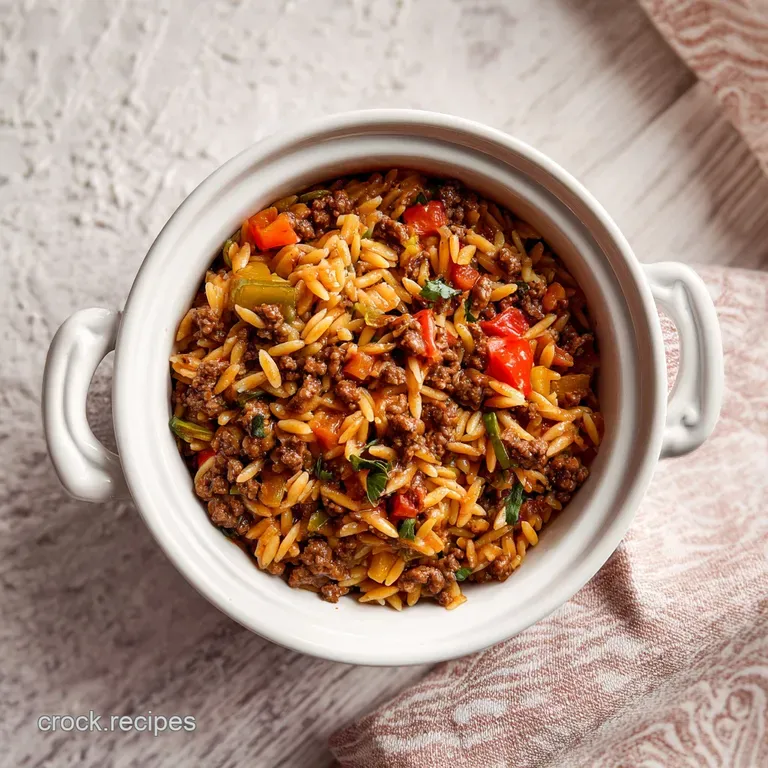
- Time: Active 10 minutes, Passive 20 minutes, Total 30 minutes
- Flavor/Texture Hook: Velvety, nutty, and deeply savory
- Perfect for: Busy weeknight dinners or cozy meal prep sessions
- The Secret to Savory Success with Ground Beef Orzo
- Timing and Precision for the Best Beef Orzo
- Gathering the Essentials for Your Creamy Beef Dinner
- The Only Tools You Need for This One Pan Meal
- Step by Step to a Perfectly Toasted Orzo Finish
- Solving Common Texture and Flavor Issues with Pasta
- Creative Ways to Customize Your Beef and Orzo
- Strategies for Adjusting the Batch Size
- Debunking Common One Pot Pasta Myths
- How to Store and Reheat Your Ground Beef Dinner
- The Best Sides to Pair with Your Orzo Meal
- Recipe FAQs
- 📝 Recipe Card
The Secret to Savory Success with Ground Beef Orzo
The first time I made this, it was a complete accident born from a rainy Tuesday and a half empty box of pasta. I had a pound of beef thawing on the counter and was about to go for the usual spaghetti, but the sight of those little rice shaped grains changed everything.
I remember the exact moment the kitchen transformed. As the dry orzo hit the hot beef fat in the pan, it didn't just sit there; it started to smell like toasted popcorn and brown butter. That was the "aha" moment for me.
You see, most people just boil orzo in water like regular pasta, but that is a missed opportunity for flavor. By toasting the grains directly with the aromatics and the beef, you create a complex, nutty foundation that water just can't provide.
When I finally added the broth and watched it bubble away into a silky sauce, I knew I’d never go back to the old way. This isn't just a meat sauce with pasta; it is a unified, cohesive dish where every single grain is infused with the essence of garlic, onion, and beef.
We’ve all had those nights where we want something that tastes like it took hours but really only took thirty minutes. This is that recipe. It’s hearty without being heavy, and because everything happens in one pan, you won't be standing over the sink scrubbing pots until midnight.
Trust me, once you hear that first sizzle of the beef hitting the pan and smell the garlic softening, you’ll understand why this has become my most requested "emergency" dinner.
Timing and Precision for the Best Beef Orzo
Before we jump into the heat of the kitchen, let's talk about the mechanics of a great one pot meal. The beauty of this dish lies in the timing. We want the beef browned, the onions translucent, and the pasta cooked exactly to the point where it still has a slight bite.
If you rush the browning, you lose out on the deep, savory notes that only high heat can provide. If you overcook the pasta, it turns into porridge. Balance is everything.
Maillard Reaction: High heat creates a chemical reaction between amino acids and reducing sugars, resulting in the deep brown crust on the beef and a richer flavor profile.
Starch Gelatinization: As the orzo simmers in the broth, it releases starches that naturally thicken the liquid into a velvety sauce without needing heavy cream.
Carryover Cooking: The pasta continues to absorb moisture even after the heat is off, so stopping a minute early prevents a mushy texture.
Aromatic Infusion: Fat carries flavor; by sautéing the Italian seasonings in the olive oil and beef renderings, you unlock oil soluble flavor compounds that would otherwise stay trapped.
| Thickness of Beef Layer | Target Internal Temp | Rest Time | Visual Cue |
|---|---|---|---|
| 0.5 inch (crumbled) | 160°F (71°C) | 2 minutes | No traces of pink remain |
| 1 inch (patty style) | 160°F (71°C) | 5 minutes | Clear juices run from meat |
| Fine crumbles | 165°F (74°C) | 1 minute | Deep brown with crispy edges |
A quick note on the meat: I prefer using 90/10 lean ground beef because it provides enough fat to toast the orzo without making the final dish feel greasy. If you go with a higher fat content, like 80/20, you might want to spoon out a tablespoon or two of the rendered fat before adding the pasta to keep things balanced.
Ingredient Deep Dive
| Ingredient | Science Role | Pro Secret |
|---|---|---|
| Dry Orzo Pasta | Starch Provider | Toasting the dry grains prevents them from becoming "gummy" during the simmer. |
| Tomato Paste | Umami Concentrator | Sauté the paste until it turns brick red to remove the raw, metallic tinned taste. |
| Parmesan Cheese | Emulsifier & Salt | Use freshly grated; pre shredded cheese is coated in potato starch and won't melt smoothly. |
| Beef Broth | Flavor Solvent | Use low sodium so you can control the salt level as the liquid reduces and intensifies. |
Gathering the Essentials for Your Creamy Beef Dinner
Having everything measured out before you turn on the stove is the best gift you can give yourself. This recipe moves fast once the pan is hot. While this version focuses on the classic savory profile, feel free to adapt based on what’s in your pantry. Much like the technique I use in my Nonnas Secret Classic recipe, the quality of your aromatics will define the final result.
- 1 lb lean ground beef (90/10):Why this? Provides enough fat for flavor without being overly oily.Substitute: Ground turkey or lamb.
- 1 medium yellow onion, finely diced:Why this? Provides a sweet, foundational base of flavor.Substitute: Shallots for a milder, more refined taste.
- 3 cloves garlic, minced:Why this? Adds essential pungent depth.Substitute: 1 tsp garlic powder in a pinch.
- 1.5 cups dry orzo pasta:Why this? The shape holds onto the sauce better than longer pastas.Substitute: Acini di pepe or ditalini.
- 3 cups low sodium beef broth:Why this? Controls the seasoning while adding meaty richness.Substitute: Chicken or vegetable broth.
- 1/2 cup tomato sauce:Why this? Adds body and a slight acidic lift to the sauce.Substitute: Crushed tomatoes for a chunkier texture.
- 1 tbsp tomato paste:Why this? Provides concentrated color and deep umami.Substitute: 1 tbsp sun dried tomato pesto.
- 1/2 cup freshly grated parmesan cheese:Why this? Adds saltiness and helps emulsify the sauce.Substitute: Pecorino Romano for a sharper bite.
- 2 cups fresh baby spinach:Why this? Adds color and a nutritional boost with zero effort.Substitute: Chopped kale (sauté it longer).
- 1 tbsp olive oil:Why this? Prevents the beef from sticking and adds healthy fats.Substitute: Avocado oil or butter.
- 1 tsp dried Italian seasoning:Why this? A quick way to add herb complexity.Substitute: Fresh basil and oregano.
- 1/2 tsp red pepper flakes:Why this? Adds a subtle background hum of heat.Substitute: A pinch of cayenne.
| Original Ingredient | Substitute | Why It Works |
|---|---|---|
| Lean Ground Beef | Ground Lamb | Adds a gamey, rich flavor. Note: Lamb is fattier; drain excess oil. |
| Beef Broth | Mushroom Broth | Keeps the deep savory profile but makes it lighter. |
| Parmesan Cheese | Nutritional Yeast | Provides a cheesy, nutty flavor for a dairy-free version. |
If you are looking for something even more substantial, you might notice that the broth to pasta ratio here is similar to what you'd find in a Hearty PubStyle Beef recipe, though our cook time is significantly shorter. The goal is a thick, spoonable consistency rather than a thin soup.
The Only Tools You Need for This One Pan Meal
You don't need a kitchen full of gadgets for this Ground Beef Orzo. A wide, deep skillet is your best friend here. I recommend something like a 12 inch cast iron skillet or a stainless steel sauté pan with high sides.
The wide surface area allows the beef to sear properly rather than steaming in its own juices.
- 12 inch Sauté Pan: Essential for even heat distribution and enough room for the broth.
- Wooden Spoon: Perfect for scraping up those "fond" bits (the brown bits) from the bottom of the pan.
- Fine Mesh Grater: For that cloud like parmesan that melts instantly.
- Chef's Knife: A sharp blade makes dicing the onion a breeze rather than a chore.
Chef's Tip: If you find your pasta sticking to the bottom, it usually means your heat is a hair too high or you aren't stirring occasionally. A heavy bottomed pan like a Dutch oven is excellent for preventing those "hot spots" that lead to scorching.
step-by-step to a Perfectly Toasted Orzo Finish
1. The over High heat Sear
Heat the olive oil in your skillet over medium high heat. Add the 1 lb lean ground beef, breaking it apart with your wooden spoon. Cook for 5-7 minutesuntil the meat is browned and starts to sizzle.
Don't be afraid to let it get a little crispy in spots; that’s where the flavor lives.
2. The Aromatic Foundation
Reduce the heat to medium and stir in the diced onion. Sauté for 4 minutes until the onion is translucent and soft. Add the minced garlic and the 1 tsp dried Italian seasoning, stirring constantly for 1 minute until the kitchen smells like an Italian trattoria.
3. The Tomato Toast
Push the meat and onion mixture to the edges of the pan, clearing a space in the center. Add the 1 tbsp tomato paste to the clearing. Cook for 2 minutes until the paste darkens to a deep rust color. This removes the raw edge and sweetens the tomato.
4. The Starch Lock Technique
Add the 1.5 cups dry orzo directly into the pan with the beef and aromatics. Stir for 2-3 minutesuntil the grains are coated in fat and smell nutty. You should see some of the orzo grains turning a light golden brown.
5. The Precision Simmer
Pour in the 3 cups beef broth, 1/2 cup tomato sauce, and 1/2 tsp red pepper flakes. Use your spoon to scrape any browned bits off the bottom. Bring to a boil, then reduce to a simmer. Note: This deglazing step incorporates all that stuck on flavor back into the sauce.
6. The Absorption Phase
Cover the pan and cook for 10-12 minutes, stirring once or twice to prevent sticking. Cook until the orzo is tender but still has a slight resistance. You want most of the liquid absorbed, leaving behind a thick, glossy sauce.
7. The Green Wilt
Remove the lid and stir in the 2 cups baby spinach. Stir for 1 minuteuntil the leaves are wilted and bright green. The residual heat is more than enough to cook the spinach without turning it to mush.
8. The Silky Finish
Turn off the heat and fold in the 1/2 cup parmesan cheese. Stir until the cheese is fully melted and the sauce looks velvety. Taste and add salt or black pepper as needed. Garnish with fresh parsley before serving.
Solving Common Texture and Flavor Issues with Pasta
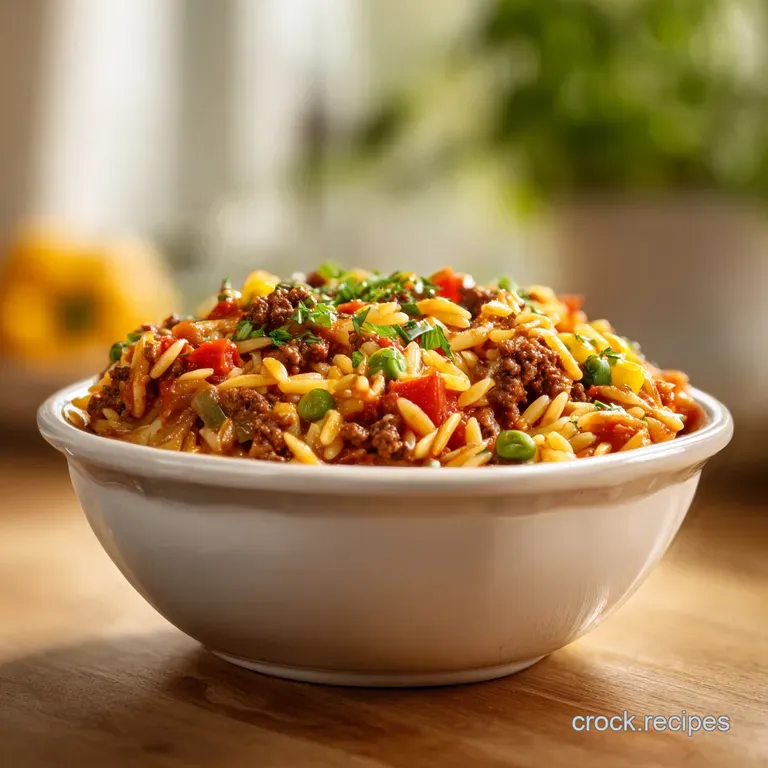
Making Ground Beef Orzo is generally straightforward, but pasta can be temperamental. If things don't look right, it’s usually a simple fix involving the liquid to starch ratio.
Why Your Orzo Is Mushy
The most common culprit is overcooking or using too much liquid. Orzo is small and cooks much faster than larger shapes like penne. If the pasta has lost its shape and feels soft, it has absorbed too much water.
Why Your Orzo Is Stuck Together
If you skip the toasting step or don't stir during the simmering phase, the starches can cause the grains to glue themselves together. The fat from the beef helps coat each grain, but a few stirs during the cook time are essential.
| Problem | Root Cause | Solution |
|---|---|---|
| Sauce is too thin | Excess broth or lid left off | Simmer uncovered for 2 more minutes to reduce the liquid. |
| Pasta is crunchy | Not enough liquid or heat too high | Add 1/4 cup extra broth and cover for 3 minutes. |
| Dish is too salty | Broth reduced too much | Stir in a splash of water or a squeeze of lemon juice. |
Common Mistakes Checklist
- ✓ Never rinse your orzo before cooking; you need those starches to thicken the sauce.
- ✓ Don't walk away during the toasting phase; the pasta can go from golden to burnt in seconds.
- ✓ Use a lid that fits tightly to ensure the steam stays in the pan to cook the pasta evenly.
- ✓ Always taste for salt after adding the parmesan, as the cheese adds significant saltiness.
- ✓ Pat the spinach dry if it's very wet from washing to avoid thinning out your sauce.
Creative Ways to Customize Your Beef and Orzo
This recipe is a canvas. While I love the classic profile, you can easily shift the flavors toward different cuisines. It’s a very forgiving dish that welcomes experimentation.
1. The Greek Manestra Variation
Swap the Italian seasoning for dried oregano and a pinch of cinnamon. Instead of parmesan, top the finished dish with crumbled feta cheese and a handful of kalamata olives. This turns your Ground Beef Orzo into a traditional Greek comfort dish that pairs beautifully with a squeeze of fresh lemon.
2. The One Pot Ground Beef Orzo Soup Transformation
If you prefer a more liquid heavy meal, simply increase the beef broth to 5 cups. Add a diced carrot and a stalk of celery during the onion sautéing phase. This creates a comforting ground beef orzo soup that is perfect for cold winter nights.
3. Healthy Ground Beef Orzo Swaps
For a lighter version, use 95% lean ground beef or ground chicken. You can also double the spinach or add finely diced zucchini to the mix. If you are watching carbs, you can find chickpea based orzo in many grocery stores now; just be sure to check the cooking time as it usually cooks faster than wheat pasta.
- If you want it creamier: Stir in 2 tablespoons of heavy cream or mascarpone at the very end.
- If you want it spicier: Double the red pepper flakes and add a diced jalapeño with the onions.
- If you want more texture: Top with toasted breadcrumbs or pine nuts just before serving.
Strategies for Adjusting the Batch Size
Scaling this recipe is simple as long as you keep the ratios in mind. Since the orzo absorbs the liquid, you can't just double everything without considering the pan size and evaporation rates.
- Scaling Down (1/2 Batch): Use a smaller 8 inch skillet. Reduce the broth to 1.5 cups and the orzo to 3/4 cup. The cooking time remains roughly the same, but check the pasta at the 8 minute mark.
- Scaling Up (2x Batch): Use a large Dutch oven or a very deep 14 inch pan. Use 3 cups of orzo and 5.5 cups of broth (slightly less than double to account for less evaporation in a larger volume). Increase the spices to 1.5x the original amount to avoid overpowering the dish with salt.
- Adjusting for Altitude: If you are at a high altitude, the broth will boil at a lower temperature. You may need to add an extra 1/4 cup of broth and increase the simmer time by 3-5 minutes.
Debunking Common One Pot Pasta Myths
There are a lot of old wives' tales about cooking pasta in the same pan as meat. Let's set the record straight so you can cook with confidence.
Myth: You must boil pasta in a large pot of salted water first. Truth: While traditional for long noodles, one pot methods allow the pasta to absorb the actual flavor of the sauce rather than just water. This creates a more cohesive flavor profile.
Myth: Rinsing pasta prevents it from sticking. Truth: Rinsing actually removes the surface starch that helps the sauce cling to the pasta. In a one pot meal, that starch is your best friend for creating a "creamy" texture without dairy.
Myth: Meat needs to be boiled to be healthy. Truth: Searing meat (browning it) doesn't add significant fat if you drain the excess, but it adds a massive amount of flavor through the Maillard reaction. Boiling meat results in a grey, rubbery texture and bland flavor.
How to Store and Reheat Your Ground Beef Dinner
Orzo is a starch, which means it will continue to drink up any available liquid as it sits in the fridge. This makes leftovers a bit tricky, but with a few tricks, they can be just as good the next day.
Storage: Store leftovers in an airtight container in the refrigerator for up to 4 days. If you plan to freeze it, do so as soon as it cools. It will stay good in the freezer for up to 3 months.
Zero Waste Tip: If you have leftover spinach that's starting to look a little sad, blend it with a bit of olive oil and garlic to make a quick "green sauce" that you can stir into the orzo when reheating. Also, don't toss the parmesan rind!
Drop it into the pot while the orzo simmers next time for an extra hit of umami.
Reheating: To revive the velvety texture, add a splash of beef broth or water (about 1-2 tablespoons per serving) before microwaving or reheating on the stovetop. This replaces the moisture the pasta absorbed while sitting. Stir well to re emulsify the cheese and sauce.
The Best Sides to Pair with Your Orzo Meal
Because this Ground Beef Orzo is so rich and savory, it pairs best with things that offer a bit of crunch or acidity to cut through the heartiness.
I almost always serve this with a crisp green salad tossed in a sharp lemon vinaigrette. The brightness of the citrus balances the deep beefy notes perfectly. If you want to keep with the comfort theme, a thick slice of garlic bread is never a bad idea you'll want it to soak up any remaining sauce at the bottom of the bowl.
If you are looking for a vegetable side, roasted broccoli with a sprinkle of red pepper flakes or some honey glazed carrots provide a nice textural contrast. Since the main dish is soft and creamy, anything with a "snap" or a "crunch" will make the meal feel more complete.
Honestly though, because it has the beef, the pasta, and the spinach all in one go, it's a perfectly satisfying meal all on its own. It's the kind of dinner that makes you want to curl up on the couch, forget about the dishes for a while, and just enjoy the warmth of a home cooked meal.
Trust me, once you try the toasting method, you'll see why this has become a permanent fixture in my kitchen.

Recipe FAQs
Should I cook the orzo separately or in the pan with the beef?
Cook it directly in the pan with the beef. Toasting the dry orzo in the fat and aromatics creates a deep, nutty base flavor that boiling in water cannot replicate.
How do I prevent the orzo from turning mushy during the simmer?
Reduce the heat to a gentle simmer and stir only once or twice. Orzo releases starch quickly; stopping the cooking process just before it is fully done ensures carryover heat finishes it without dissolving its structure.
Can I substitute the ground beef with another protein?
Yes, ground turkey or Italian sausage work well as substitutes. If you use a leaner protein like turkey, add an extra tablespoon of olive oil before toasting the pasta to ensure enough fat remains to coat the grains.
How do I deepen the savory flavor of the sauce beyond just the beef?
Caramelize the tomato paste until it turns brick red. Cooking the paste separately for a couple of minutes concentrates its sweetness and removes any raw, metallic taste, adding serious umami depth.
What is the best way to ensure the final dish is creamy, not watery?
Finish the dish off the heat by vigorously stirring in freshly grated Parmesan. The starch released by the orzo combines with the fat and cheese, creating a stable, velvety emulsion, much like the technique needed for a smooth Crock Pot Dinners recipe.
Is it true that I must use low sodium broth for this recipe?
No, but using low sodium is highly recommended for better control. Since the liquid reduces and concentrates flavor, using standard broth often results in an overly salty final product; add salt at the end if needed.
How long can I safely store leftovers and what is the best reheating method?
Leftovers keep well in the fridge for up to four days. When reheating, add a splash of broth or water per serving, as the orzo continues to absorb moisture upon cooling.
Ground Beef Orzo Recipe
Ingredients:
Instructions:
Nutrition Facts:
| Calories | 571 kcal |
|---|---|
| Protein | 37g |
| Fat | 16.3g |
| Carbs | 61.8g |
| Fiber | 3.2g |
| Sugar | 3.9g |
| Sodium | 740mg |
