Healthy Turkey Soup Leftovers Made Delicious
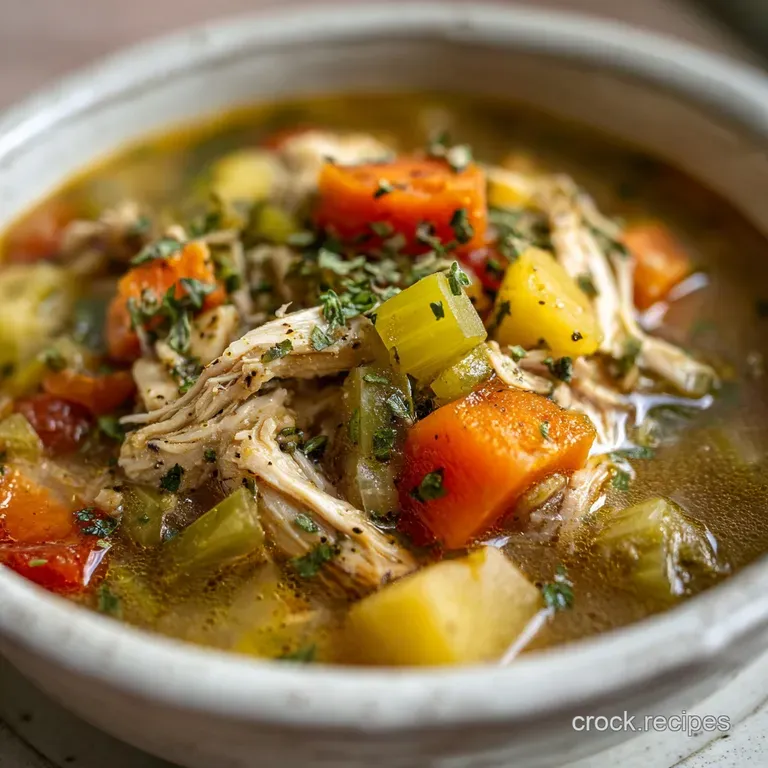
- Time: Active 15 minutes, Passive 45 minutes, Total 1 hours
- Flavor/Texture Hook: Silky, savory broth with tender shredded protein and bright citrus notes
- Perfect for: Post holiday recovery, cold weather comfort, or zero waste meal prep
- Healthy Turkey Soup Leftovers Made Delicious
- The Science of Flavor Extraction
- Component Analysis of Your Soup
- Fresh Elements and Smart Swaps
- Step by Step Process
- Solving Common Soup Issues
- Timing and Yield Statistics
- Debunking Kitchen Myths
- Storage and Reheating Tips
- Serving and Pairing Suggestions
- Recipe FAQs
- 📝 Recipe Card
Healthy Turkey Soup Leftovers Made Delicious
The day after a big feast, the last thing you want is a dry sandwich. We've all been there, staring at a picked over bird and wondering if it's worth the effort. Trust me, the real prize isn't the roast itself, it's the liquid gold you can pull from those bones.
This recipe is my favorite way to turn scraps into a meal that feels intentional rather than just a way to clear out the fridge.
We're moving away from the heavy, cream laden versions of the past. Instead, we're building a base that is light yet deeply satisfying. By using a few pantry staples and some fresh herbs, the result is a broth that coats the back of your spoon without feeling greasy.
It's the kind of cooking that makes your kitchen smell like home and leaves you feeling genuinely nourished.
I used to just throw everything in a pot and hope for the best, but that usually led to mushy vegetables and a cloudy, muddy tasting liquid. After a few failed attempts, I realized that the order of operations is everything.
We are going to treat the stock and the soup as two distinct phases to ensure the carrots keep their snap and the turkey stays tender.
The Science of Flavor Extraction
The secret to a body healing broth lies in the breakdown of connective tissues. When we simmer the carcass with a touch of acid, we initiate a process that turns tough bits into silky gelatin.
- Acidic Extraction: The apple cider vinegar lowers the pH of the water, which helps dissolve calcium and minerals from the bones into the liquid.
- Protein Denaturation: Gentle heat slowly unfolds the protein strands in the leftover meat, preventing it from becoming rubbery or stringy.
- Cold Water Start: Starting with cold water allows soluble proteins to dissolve slowly, which prevents them from clumping and turning the broth cloudy.
- Maillard Integration: Using skin on onions adds a natural amber hue and deepens the savory profile through residual toasted sugars.
Cook Method Comparison
| Method | Time | Texture | Best For |
|---|---|---|---|
| Stovetop | 1 hours | Clear, controlled | Precision cooking |
| Crockpot | 6-8 hours | Very deep, dark | Set it and forget it |
| Pressure Cook | 45 minutes | Velvety, rich | Maximum speed |
Using a stovetop method gives us the most control over the clarity of our Healthy Turkey Soup. If you want to see how this compares to a more concentrated base, you can check out my Turkey Stock recipe for a deeper dive into long simmered bone broth.
Component Analysis of Your Soup
| Ingredient | Science Role | Pro Secret |
|---|---|---|
| Apple Cider Vinegar | Mineral extractor | Use raw vinegar with the "mother" for better mineral pull. |
| Leeks | Sulfur aromatics | Sauté until translucent but not brown to keep the broth sweet. |
| Lemon Juice | pH Balancing | Add at the very end to brighten fats without becoming bitter. |
| Wild Rice | Complex Starch | Cook it separately to prevent it from soaking up all your liquid. |
This specific combination ensures that we are hitting every part of the palate. The vinegar acts as a silent worker in the background, while the leeks provide a more sophisticated sweetness than standard onions. It is a calculated balance that makes the final bowl feel professional.
Fresh Elements and Smart Swaps
For this recipe, we are using specific quantities to ensure the balance of liquid to solid is just right. You'll need:
- 1 leftover turkey carcass: All meat removed and saved for later.
- 2.8 liters filtered water: Cold water is non negotiable for a clear result.
- 2 stalks celery: Cut these into large chunks for the stock phase. Why this? Larger pieces are easier to strain out later.
- 1 large yellow onion: Keep the skin on for a golden color.
- 1 head garlic: Halved crosswise to expose the cloves.
- 1 tbsp apple cider vinegar: This is the key to mineral extraction.
- 2 tbsp extra virgin olive oil: For sautéing the fresh aromatics.
- 200g carrots: Sliced into thin rounds.
- 150g celery: Diced finely for the final soup.
- 1 large leek: Use the white and light green parts only. Why this? The dark green parts can be too fibrous and bitter.
- 2 tsp fresh thyme: Minced finely.
- 1 tsp fresh rosemary: Finely chopped.
- 1.5 tsp sea salt: Adjust to your preference at the end.
- 0.5 tsp cracked black pepper: Freshly cracked makes a massive difference.
- 450g leftover turkey meat: Shredded or cubed.
- 150g frozen sweet peas: Added at the last second for a pop of color.
- 200g cooked wild rice: Provides a nutty, chewy texture.
- 0.5 lemon: Just the juice for brightness.
- 30g fresh flat leaf parsley: Chopped for garnish.
Ingredient Substitution Table
| Original Ingredient | Substitute | Why It Works |
|---|---|---|
| Wild Rice | Quinoa | High protein and cooks quickly. Note: Texture will be softer. |
| Leeks | Shallots | Provides a similar delicate onion flavor without the bulk. |
| Fresh Rosemary | Dried Rosemary | Use 1/3 the amount. Note: Can be slightly woody in texture. |
| Extra Virgin Olive Oil | Ghee | Adds a buttery richness while remaining lactose friendly. |
step-by-step Process
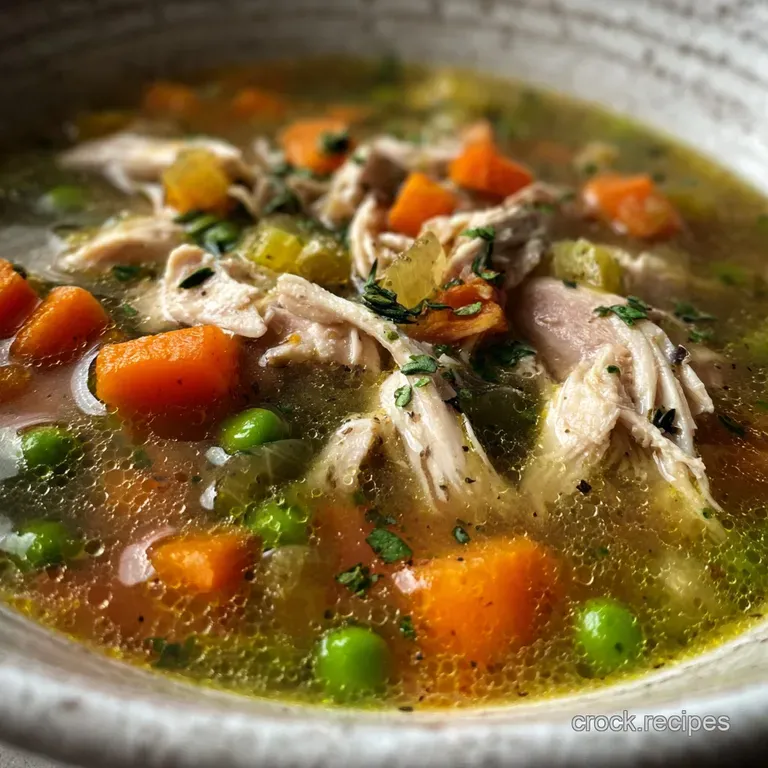
- Place the carcass, 2.8 liters water, large celery chunks, halved onion, garlic, and apple cider vinegar into a large pot. Note: This is the extraction phase where we build the foundation.
- Bring the liquid to a simmer over medium heat, then drop to low. Cook 45 minutes until the liquid turns a pale golden straw color.
- Strain the liquid through a fine mesh sieve into a clean bowl and discard the solids. Wipe the pot clean.
- Heat 2 tbsp olive oil in the same pot over medium heat. Add the leeks, 150g diced celery, and 200g carrots.
- Sauté the vegetables for about 5 minutes until the leeks are soft and fragrant.
- Pour the strained broth back into the pot and add the thyme, rosemary, salt, and pepper.
- Simmer for 10 minutes until the carrots are tender but still hold their shape.
- Stir in the 450g shredded turkey, 200g cooked wild rice, and 150g frozen peas. Note: We add these last so they don't overcook.
- Heat for 2 to 3 minutes until the turkey is warmed through and the peas are bright green.
- Remove from heat and stir in the lemon juice and parsley. Taste and add more salt if needed.
Solving Common Soup Issues
Sometimes things don't go exactly as planned. The most common heartbreak with Healthy Turkey Soup is a lack of depth. If your broth tastes like plain water, you likely didn't simmer the bones long enough or you didn't use enough salt. Salt doesn't just make things salty, it unlocks the flavors that are already there.
Another frequent complaint is "mushy" ingredients. This happens when the rice is cooked directly in the broth. The starch bleeds out, turning the soup into a thick porridge. By cooking the rice separately, you keep the liquid clear and the grains distinct.
| Problem | Root Cause | Solution |
|---|---|---|
| Cloudy Broth | Hard boiling | Keep the heat at a bare simmer; never let it roll. |
| Bitter Aftertaste | Overcooked herbs | Add fresh herbs in the last 15 minutes of cooking. |
| Dry Turkey | Overheating | Only simmer the meat long enough to warm it through. |
Common Mistakes Checklist
- ✓ Never discard the onion skins; they provide the essential golden color.
- ✓ Don't skip the straining step; small bone shards are a safety hazard.
- ✓ Avoid adding the lemon juice while the soup is boiling; it can turn bitter.
- ✓ Do not over salt at the beginning; the broth concentrates as it simmers.
- ✓ Pat the fresh herbs dry before chopping to prevent them from bruising.
Timing and Yield Statistics
This recipe yields approximately 6 generous servings. If you are feeding a larger crowd or want to prep for the week, scaling is straightforward.
- Scaling Down (½ batch): Use a smaller pot and reduce the water to 1.4 liters. You can still use the whole carcass if it fits, as it will just result in a richer broth.
- Scaling Up (2x batch): You will need two carcasses or additional turkey wings. Increase the water to 5.6 liters but only increase the salt and spices by 1.5x to start. You can always add more, but you can't take it out.
- Baking Adaptation: If you want to turn this into a casserole later, reduce the liquid by half and mix with a bit of flour to create a sauce, similar to the method in this How to Bake recipe.
Fresh vs Shortcut Comparison
| Feature | Homemade Stock | store-bought Broth |
|---|---|---|
| Texture | Gelatin rich, velvety | Thin, watery |
| Sodium | Controlled by you | Often very high |
| Cost | Free (using scraps) | $3-$5 per carton |
Debunking Kitchen Myths
One big myth is that you need to simmer bones for 24 hours to get the benefits. While a long simmer extracts more, a 45 minute focused simmer with acid (the ACV) still pulls significant collagen and flavor for a standard soup. You don't need to lose a whole day to get a "Made Delicious" result.
Another misconception is that you should "sear" the leftover meat before adding it to the soup. Since the turkey is already cooked, searing it again will only make it tougher and drier. The goal is to gently rehydrate the protein in the warm liquid, not to cook it a second time.
Storage and Reheating Tips
Storage: This soup stays fresh in the fridge for up to 4 days. If you find the rice has absorbed some liquid overnight, just add a splash of water when reheating. For long term storage, this freezes beautifully for up to 3 months.
I recommend freezing it in individual portions so you can grab a quick lunch whenever you need one.
Zero Waste: Don't throw away the scraps from your fresh veggies! The carrot peels and leek tops can be frozen in a bag and used for your next batch of broth. If you have extra parsley stems, chop them finely and add them to the stock phase for an extra layer of earthy flavor.
Even the garlic skins can go into the stock pot.
Serving and Pairing Suggestions
When serving this, I love to provide a bit of crunch on the side. A thick slice of sourdough or some whole grain crackers works wonders. If you are looking for a more vegetable forward meal, this pairs perfectly with a side of roasted root vegetables or a crisp green salad with a mustard vinaigrette.
For those who enjoy a variety of soups during the week, this recipe fits right into a rotation alongside a Homemade Vegetable Soup recipe or a Hearty Vegetable Beef recipe. It provides a lighter, leaner alternative to red meat based stews while still being incredibly filling. Whatever you do, make sure you serve it piping hot with a final squeeze of fresh lemon to wake up all those savory notes.

Recipe FAQs
How to use up turkey leftovers?
Transform them into soup. Leftover turkey carcass provides an excellent base for a rich, flavorful broth, turning what might be dry meat into a tender, satisfying soup. You can also shred or cube cooked turkey meat to add back into the finished soup.
How to make turkey soup more tasty?
Build a flavorful broth and season well. Start with a good quality stock made from the turkey carcass, simmer aromatics like leeks and celery, and don't be afraid to use salt and fresh herbs like thyme and rosemary. A squeeze of lemon juice at the end brightens everything up.
How to make turkey soup using leftovers?
Utilize the carcass for broth and cooked meat for texture. Simmer the turkey carcass for at least 45 minutes with water and a touch of apple cider vinegar to extract flavor and minerals. Then, add sautéed fresh vegetables and the shredded or cubed leftover turkey meat to this flavorful base.
How to make leftover soup taste better?
Reintroduce fresh aromatics and adjust seasoning. Sauté fresh leeks and celery until fragrant before adding your leftover soup. Taste and add more salt, pepper, or fresh herbs, and consider a splash of lemon juice or apple cider vinegar to lift the flavors.
Can I add other vegetables to turkey soup?
Yes, but add them strategically. Heartier vegetables like carrots and celery can be simmered with the broth, while delicate greens like spinach or peas should be added in the last few minutes to prevent overcooking. For a different texture, consider adding pre-cooked grains like wild rice.
What is the best way to reheat leftover turkey soup?
Gently on the stovetop. Heat the soup over medium low heat, stirring occasionally, until warmed through. Avoid boiling, which can make the turkey tough and the broth cloudy. If the soup seems too thick, add a splash of water or extra broth.
How long does leftover turkey soup last?
Up to 4 days in the refrigerator. Ensure the soup is cooled completely before storing it in an airtight container. For longer storage, it freezes well for up to 3 months; divide into portions for easy reheating.
Healthy Turkey Soup Leftovers
Ingredients:
Instructions:
Nutrition Facts:
| Calories | 259 kcal |
|---|---|
| Protein | 25.4 g |
| Fat | 9.2 g |
| Carbs | 18.5 g |
| Fiber | 3.2 g |
| Sugar | 4.1 g |
| Sodium | 668 mg |
