Italian Sausage Stew: Hearty White Bean Comfort

- Unlocking Deep Flavor in This Hearty Winter Stew
- The Science of Sapore: Why These Ingredients Sing Together
- Essential Components for Your Italian Sausage Stew
- Detailed Directions: Cooking Your Italian Sausage and Bean Stew
- Elevating Your Stew: Expert Tips and Troubleshooting
- Making the Most of Leftovers: Storage and Reheating
- Perfect Pairings: What to Serve Alongside This Comfort Dish
- Recipe FAQs
- 📝 Recipe Card
Unlocking Deep Flavor in This Hearty Winter Stew
The first whiff of this rich, savoury Italian Sausage Stew hitting the air is just everything . It promises warmth, it promises deep, complex flavour, and frankly, it promises a huge, satisfying bowl of comfort.
The kind of aroma that makes anyone walking in the door demand to know what’s cooking right now.
I get it: life is busy, and sometimes the thought of making a complex dinner feels exhausting. But this Italian Sausage Stew is a true culinary lifesaver; it relies on pantry staples and minimal active effort, giving you maximum flavour return.
It’s cheap, incredibly filling, and easily doubles to feed a crowd or fill your freezer for those frantic weekday nights.
Forget those watery, bland excuses for soup you’ve seen online. This is the authentic, rustic deal, built on layers of flavour that ensure every single spoonful of this Italian Sausage Stew delivers. Ready to ditch the takeout menu and dive into a Dutch oven full of joy?
Let's crack on with the best Italian Sausage Stew recipe you'll ever make.
The Science of Sapore: Why These Ingredients Sing Together
You might think stew is just a throw-it-all-in-the-pot kind of situation, but trust me, understanding why we do things in a certain order transforms a decent dinner into a phenomenal one.
When crafting a robust dish like this Italian White Bean and Sausage Stew , we are building flavour from the ground up, starting with fat and caramelisation.
The Magic of Low and Slow Simmering
This dish isn't meant to be fast tracked; the secret to deeply flavoured Italian Sausage Stew is patience. Simmering the stew for a prolonged period (around 40- 60 minutes) allows the proteins in the sausage and the starch from the crushed tomatoes to break down and melt into the liquid.
This process naturally thickens the stew and integrates the herbal notes. It’s what gives the final sauce that velvety, 'clinging' texture that is so satisfying.
Why the Soffritto Base is Essential
A proper Italian soffritto (the combination of onion, carrot, and celery) is absolutely non-negotiable for the best Italian Sausage Stew . These three humble vegetables, when cooked gently until translucent not browned create the sweet, aromatic foundation of the entire dish.
They melt into the stew as it simmers, providing an essential savory sweetness that balances the rich sausage and acidic tomatoes.
A Nonna's Secret to Rich, Savoury Comfort
My first attempt at Italian Sausage Stew was watery and tasted flat because I skimped on the seasoning and the herbs. A true Nonna knows that depth comes from specific aromatics.
We use dried oregano and thyme early on to bloom their flavours in the warm fat, and then finish it with fresh rosemary and parsley. That combination of dried, cooked herbs and fresh, bright garnish is the secret handshake of great Italian cooking.
Rendering the Sausage Fat: The Foundation of Flavor
This is arguably the most crucial step for a rich Italian Sausage Stew Recipe . When you sear the sausage chunks, you aren't just browning them; you are rendering out the highly flavoured fat.
That fat is then used to cook the soffritto , infusing the vegetable base with immediate, deep pork flavour. Those beautiful brown bits left on the bottom of the pot the fond —are pure magic and will be lifted later when we deglaze.
Achieving Creaminess Without Heavy Cream
How do we get that luscious, slightly creamy mouthfeel in this Italian Sausage and Tomato Stew ? It’s two-fold: starch and reduction. The crushed tomatoes provide inherent thickness, but the real secret is the cannellini beans .
We add them late and simmer briefly, allowing a tiny bit of their starch to release into the liquid. You can even smash a few beans against the side of the pot to naturally thicken your Italian White Bean and Sausage Stew without adding dairy.
The Role of Acidity in Balancing Richness
Rich, fatty Italian Sausage Stew needs a counterpoint. If you find your finished stew tastes a bit heavy or muddy, it's missing acidity. We introduce acid twice: first, via the dry red wine in the deglazing step (optional, but amazing), and second, with a tiny splash of red wine vinegar or lemon juice right before serving.
This brightens the whole dish, waking up every single flavour.
Essential Components for Your Italian Sausage Stew
Choosing the right ingredients is 80% of the battle, especially when making a simple, rustic dish where every component shines. Don't cheap out on the quality here; it truly makes a difference in your final bowl of Italian Sausage Stew .
Selecting the Perfect Italian Sausage (Mild vs. Hot)
I almost always lean toward mild or sweet Italian sausage when making Italian Sausage Stew . It contains fennel seed, which is the foundational aromatic spice, giving that unmistakable Italian flavour without overpowering the beans and tomatoes.
| Ingredient | My Recommendation | Substitution / Variation |
|---|---|---|
| Italian Sausage | Mild or Sweet Pork Sausage | Hot Italian Sausage (if you love heat), or use ground turkey/chicken plus 1 tsp fennel seed. |
| Cannellini Beans | Canned (drained and rinsed) | Great Northern beans or small navy beans. If using dried, they must be pre-cooked fully. |
| Crushed Tomatoes | San Marzano (or high-quality imported) | Diced tomatoes (for a chunkier texture) or whole peeled tomatoes (crushed by hand). |
| Red Wine | Dry Red (Chianti, Merlot) | Omit entirely, or substitute with balsamic vinegar and stock (see instructions). |
| Stock | Low-Sodium Chicken Broth | Vegetable broth works fine, but chicken offers a bit more body. Avoid high sodium stock. |
The Difference Between Dried and Canned Cannellini Beans
If you want this Italian White Bean and Sausage Stew ready in under 90 minutes, stick to canned beans. They are already cooked and just need warming and stirring.
If you use dried beans, you must cook them completely separately until tender before adding them to the stew otherwise, the acidity in the tomatoes will prevent them from softening properly.
Trust me, I learned that the hard way when I ended up with rock hard beans in my first Sausage Stew for the Instant Pot or Slow Cooker attempt!
Building the Aromatic Base: Proper Soffritto Ratios
The ratio for soffritto is traditionally flexible, but for this specific Italian Sausage Stew , I find a higher ratio of onion to carrot and celery works best. Onion provides sweetness and volume, while carrot adds sweetness and colour.
We want the celery to be subtle, offering just enough earthiness without making the stew taste green. Always dice everything finely and evenly so it cooks down at the same rate.
Stock Choices: Water, Chicken, or Vegetable Broth?
Use a low-sodium chicken stock, period. Water adds nothing, and while vegetable broth is acceptable, the collagen and light fat content in chicken stock provide depth and body that enhance the rich flavour profile of the sausage.
If you only have vegetable stock, maybe add a teaspoon of tomato paste during the soffritto stage to boost the umami.
Chef's Note: If you are trying to minimize dirty dishes, you can actually brown your sausage ahead of time and keep it warm. You lose zero flavour. If you wanted to adapt this to a [Slow Cooker Italian Sausage Stew], you would still need to execute the browning and soffritto steps on the stovetop first.
Detailed Directions: Cooking Your Italian Sausage and Bean Stew
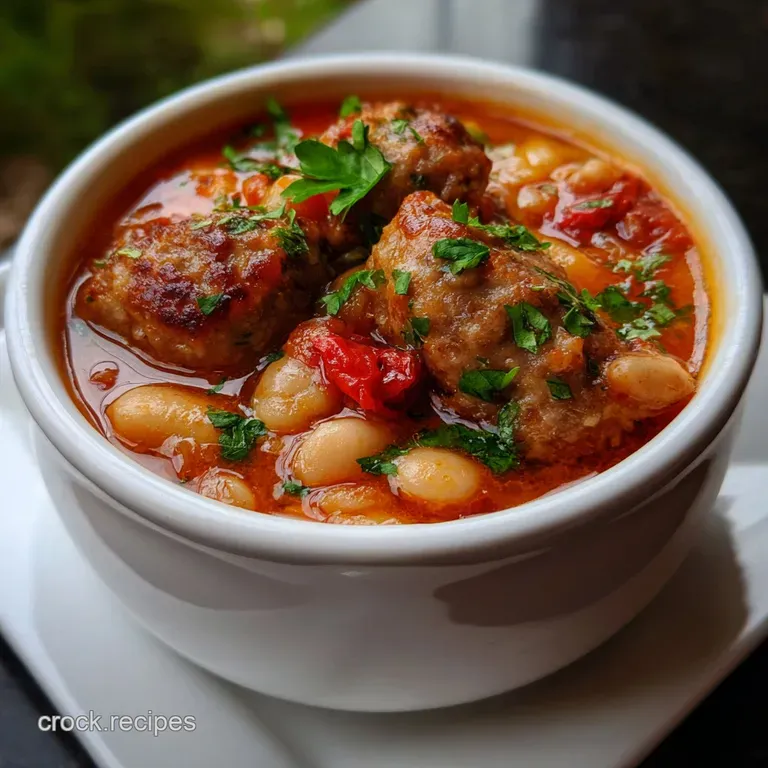
Don't panic about the detailed steps. It’s simple layering, but attention to the initial searing phases is what truly elevates this Italian Sausage Stew above the average weeknight meal.
Phase I: Browning and Developing the Fond
- Prep and Preheat: Remove the sausage from its casings and tear into rough 1 inch chunks. Pat them slightly dry if they look wet. Heat the olive oil in a heavy Dutch oven over medium high heat until shimmering.
- Sear the Sausage: Add the sausage chunks. DO NOT MOVE THEM for the first 3 minutes. Allow them to form a dark crust on the bottom. Flip and continue searing until deep golden brown on all sides (8– 10 minutes total). This creates the fond —the flavour base for this incredible Italian Sausage Stew .
- Reserve: Use a slotted spoon to transfer the beautifully seared sausage to a plate, leaving the fat and brown bits behind.
Phase II: Sweating the Soffritto and Deglazing
- Soffritto: Reduce the heat to medium. Add the diced onion, carrots, and celery to the residual sausage fat. Cook gently for 8– 10 minutes, scraping the bottom of the pot often, until the vegetables are very soft and translucent. The sound should be a gentle hiss, not a violent sizzle. Season lightly here.
- Aromatics: Stir in the minced garlic, dried oregano, and thyme. Cook for just 60 seconds until fragrant don't let the garlic burn!
- Deglaze: Pour in the red wine. Turn the heat up slightly and use a wooden spoon to vigorously scrape all the beautiful brown bits ( fond ) off the bottom of the pot. Let the wine simmer rapidly until it has reduced by about half (3– 4 minutes). This step is critical for depth in your Italian Sausage Stew.
Phase III: Simmering for Depth and Tenderizing the Beans
- Add Liquids: Stir in the crushed tomatoes, the warm chicken stock, and the sprig of fresh rosemary. Bring the liquid to a gentle boil, then reduce the heat to the lowest simmer possible.
- Simmer: Return the seared sausage and any accumulated plate juices to the pot. Cover loosely and cook for 40 minutes. This allows the flavours to meld and the sausage to fully cook through. Stir every 15 minutes to prevent sticking.
- Beans: Remove and discard the rosemary sprig. Stir in the thoroughly rinsed and drained cannellini beans. Simmer, uncovered, for another 10– 15 minutes until the stew has thickened slightly. If you prefer a thicker consistency in your Italian White Bean and Sausage Stew , gently smash about 1/4 cup of the beans against the side of the pot with your spoon.
The Final Adjustment: Seasoning and Resting
- Seasoning Check: Taste the stew. Does it need salt? Does it taste flat? This is where that secret acidity comes in. Stir in 1/2 teaspoon of red wine vinegar or a small squeeze of lemon juice, then taste again. The difference is remarkable!
- Rest: Turn off the heat and let the Italian Sausage Stew rest for 10 minutes. This resting period allows the heat to redistribute and the residual cooking to fully marry the flavours. Trust me, it tastes better rested.
- Serve: Ladle the stew into bowls, garnishing generously with fresh parsley and grated Parmesan cheese. If you have some leftover [One Pot Sausage Pasta: Creamy, Quick, and the Best Midweek Meal] ingredients, you could even mix a little parm into the stew itself.
Elevating Your Stew: Expert Tips and Troubleshooting
Even the simplest recipes have potential pitfalls. Here are the things I learned over years of making this Italian Sausage Stew that will save you time and guarantee success.
Why You Mustn't Skip Scraping the Pot
The act of scraping the pot after adding the wine is called deglazing, and it’s the single most powerful technique for building robust flavour in this type of Sausage Stew . Those brown bits the fond —are pure caramelized protein and sugars.
Leaving them behind means missing 50% of your flavour. Scrape aggressively!
How to Fix an Overly Thin or Watery Stew
If your Italian Sausage Stew seems watery even after the 15 minute uncovered simmer, you have a few options:
- The Smash Method: Smash more of the cannellini beans against the side of the pot; their starch is your natural thickener.
- The Paste Method: Mix 1 teaspoon of flour or cornstarch with 2 tablespoons of cold water to form a smooth slurry. Stir this into the simmering stew and cook for 2– 3 minutes. It will thicken almost immediately.
The Critical Importance of Pre-Seasoning the Sausage
While Italian sausage is seasoned, once you add the tomatoes, stock, and beans, that seasoning gets diluted. Always season lightly at every stage the sausage, the soffritto , and again right before serving. Never rely on the sausage to carry all the salt.
This method ensures every layer of your Hearty Italian Sausage Stew for the Instant Pot or Slow Cooker is perfectly balanced.
Making the Most of Leftovers: Storage and Reheating
This Italian Sausage Stew is actually one of those rare dishes that tastes better the next day, as the seasonings continue to permeate the beans and the sauce thickens further.
Refrigeration Best Practices for Cooked Sausage Stew
Once the stew is cooled slightly, transfer it to an airtight container. It will keep beautifully in the refrigerator for up to 4 days. If the stew is very thick upon reheating, you might need to add a splash of stock or water to loosen it up.
This Italian Sausage Stew holds its texture incredibly well.
The Best Way to Freeze Bean Based Stews
Yes, you can absolutely freeze this Italian Sausage Stew for the Instant Pot or Slow Cooker ! Bean based stews freeze perfectly. Cool the stew completely before transferring it to freezer safe containers, leaving about 1 inch of headspace, as liquids expand.
It will maintain peak quality for 3 4 months. Thaw overnight in the refrigerator before reheating.
Reheating Tips to Preserve Texture
To reheat, the stovetop is always your best bet. Place the stew in a pot over medium low heat. Reheat slowly, stirring frequently. If you zap it too fast in the microwave, the beans can sometimes burst or the stew might separate slightly.
Low and slow heating maintains that creamy, rich texture of your beautiful Italian Sausage Stew .
Perfect Pairings: What to Serve Alongside This Comfort Dish
While some people love pairing Italian Sausage Stew with Potatoes in the stew itself, I prefer to keep the potatoes separate to allow the richness of the tomato and sausage to shine.
We need something robust enough to stand up to the deep flavours of the Italian Sausage Stew . A rustic crust of bread is essential for mopping up that rich, savoury sauce don't even think about skipping that step!
If you're looking for other ways to use this fantastic ingredient, you might love this [sheet pan sweet potato sausage broccoli roasted sw Recipe] for something completely different.
For a fuller meal experience, serve the Italian White Bean and Sausage Stew with a side of simple polenta or a large salad of bitter greens dressed with a sharp vinaigrette to cut through the richness of the sausage fat.
This Italian Sausage Stew is honestly so filling, though, that sometimes a bowl and a fork is all you need. Enjoy every single bite!

Recipe FAQs
Can I freeze this Italian Sausage Stew, and how long will it last?
Yes, this stew freezes beautifully and is an excellent meal prep option. Allow the stew to cool completely before transferring it to freezer safe, airtight containers, leaving a small amount of headspace for expansion. It will maintain its quality for up to three months.
Why did my stew turn out greasy or too watery?
Greasy stew usually means the fat from the sausage was not properly drained after browning; you can skim the excess fat off the surface once the stew cools down. If the stew is too watery, simply simmer it uncovered for an additional 15 to 20 minutes near the end of the cooking time to allow for natural reduction and thickening.
What is the best way to prevent the white beans from becoming mushy during the long simmer?
The key to perfect beans is adding them at the correct time. If you are using canned beans, rinse them well and only add them during the final 30 minutes of simmering. This allows them to absorb the rich flavor without breaking down their structural integrity.
I don't have cannellini beans. What are good substitutes for this stew?
Great Northern beans or Navy beans are the best alternatives as they offer a similar creamy texture and subtle flavor profile that works well with the sausage. If you prefer a bean that holds its shape even better, consider using Borlotti or even chickpeas (garbanzo beans).
Can I substitute the Italian sausage for a different type of protein?
Certainly. While Italian sausage provides key fennel and spice notes, you can substitute it with cooked, diced chicken thigh or pork shoulder for a leaner option. If substituting, ensure you add extra seasonings like dried oregano, fennel seeds, and red pepper flakes to maintain the Italian flavor profile.
How do I make this stew suitable for a dairy-free diet?
This recipe is naturally dairy-free unless you finish it with heavy cream or grated Parmesan cheese. If you enjoy a creamy texture, consider finishing the stew with a swirl of unsweetened canned coconut milk, which will add richness without dairy flavor. Always check the labels on your stock to ensure it is dairy-free.
What is the recommended method for reheating leftover stew?
The stove top is the superior method for reheating as it allows for gentle, even temperature control, preserving the bean and vegetable texture. Use medium low heat and stir occasionally until heated through.
If the stew has thickened significantly overnight, add a small splash of stock or water to restore the consistency.
Hearty Italian Sausage Stew

Ingredients:
Instructions:
Nutrition Facts:
| Calories | 1444 kcal |
|---|---|
| Protein | 85.0 g |
| Fat | 52.6 g |
| Carbs | 147.5 g |
