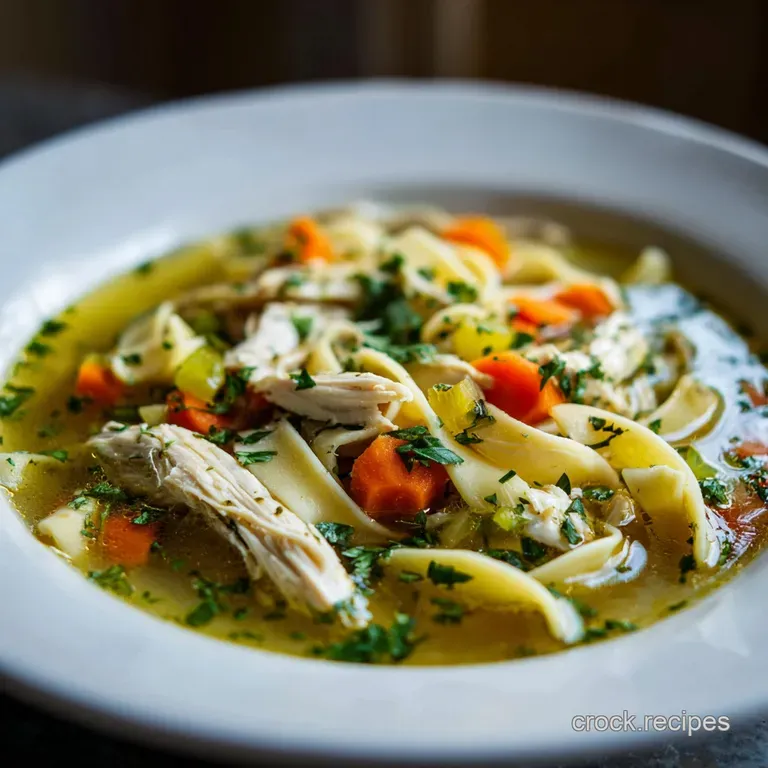
Homemade Chicken Noodle Soup: Velvety Broth
- Time: Active 15 mins, Passive 30 mins, Total 45 mins
- Flavor/Texture Hook: Velvety broth and silky wide egg noodles
- Perfect for: Cold winter nights or when you need some serious comfort
- Create the Ultimate Hearty Homemade Chicken Noodle Soup
- The Science of the Silky Broth
- Analyzing the Essential Soup Components
- Selecting Your Ingredients and Substitutes
- Essential Tools for Best Results
- Simmering Your Way to Liquid Gold
- Solving Common Broth and Noodle Blunders
- Creative Ways to Customize Your Bowl
- Storing and Refreshing Your Leftover Soup
- Finishing Touches for the Perfect Bowl
- Kitchen Myths Debunked
- High in Sodium ⚠️
- Recipe FAQs
- 📝 Recipe Card
Create the Ultimate Hearty Homemade Chicken Noodle Soup
The sizzle of butter hitting a heavy bottomed pot is the first signal that something healing is happening in the kitchen. I remember the first time I tried to make this from scratch, I basically just boiled chicken in water and wondered why it tasted like wet paper. It was a disaster, honestly.
I’d skipped the sautéing, ignored the herbs, and the noodles ended up as a mushy mess that absorbed every drop of liquid. I ended up eating a bowl of salty paste, which wasn't exactly the "soul soothing" experience I’d promised my roommate.
But that failure taught me everything. Now, the aroma of fresh thyme and sizzling onions filling my house is a promise of what's to come. You want that specific scent, the one that tells you the mirepoix is softening and the flavors are actually developing.
We're going for a broth that has body and a golden hue, not a thin, transparent liquid. This is about building layers, starting with the fat and ending with a bright splash of lemon that wakes everything up.
We’ve all been there, staring at a can of soup and wishing it had more "stuff" in it. This homemade chicken noodle soup is the answer. It’s thick with carrots, loaded with chicken that actually tastes like chicken, and uses wide egg noodles that hold onto the broth.
You're going to learn how to keep those noodles from getting bloated and how to ensure your chicken stays incredibly tender. Trust me, once you nail the order of operations, you'll never look at a red and white can the same way again.
The Science of the Silky Broth
Gelatin Extraction: Using chicken thighs instead of breasts provides connective tissue that breaks down into gelatin, giving the broth a velvety mouthfeel.
Starch Management: Cooking noodles directly in the pot releases just enough starch to thicken the liquid slightly, creating a cohesive, hearty texture.
Maillard Foundation: Sautéing the mirepoix in butter creates a flavor base through caramelization, which adds a deep, savory sweetness that raw vegetables can't provide.
Acid Balance: Adding lemon juice at the very end breaks the surface tension of the fat, brightening the heavy savory notes and making the flavors "pop."
| Chicken Cut | Cook Time | Texture | Best For |
|---|---|---|---|
| Thighs (Skinless) | 20-25 mins | Juicy, tender | Deep flavor and rich broth |
| Breast Meat | 12-15 mins | Lean, firm | Lower calorie, quick cooking |
| Bone in Thighs | 35-40 mins | Silky, gelatinous | Maximum flavor but more prep |
Choosing the right protein changes the entire soul of the dish. While breasts are lean, they often turn into dry strings if simmered too long, whereas thighs are much more forgiving. If you have extra time, using a Homemade Vegetable Soup recipe as a base for your stock can take the vegetable depth even further.
Analyzing the Essential Soup Components
Understanding why we use specific items helps you become a better cook, not just a recipe follower. For instance, using low sodium stock isn't just a health choice; it's a control choice. It allows you to season the soup to your exact preference without the salt becoming overwhelming as the liquid reduces.
| Component | Science Role | Pro Secret |
|---|---|---|
| Unsalted Butter | Fat carrier for aromatics | Use grass fed for a richer, yellow broth color |
| Yellow Onion | Provides sulfurous depth | Dice finely so it melts into the background |
| Wide Egg Noodles | Structural "bulk" | Don't overcook; they continue softening in the bowl |
| Fresh Thyme | Volatile oil infusion | Rub the leaves between your palms to release oils |
The combination of these elements creates a balanced profile. The butter carries the scent of the thyme, while the onion provides a foundation that supports the chicken. If you're interested in how different noodles behave in liquid, you might want to look at a Chicken Noodle Soup Noodles recipe for a deep dive into dough ratios.
Selecting Your Ingredients and Substitutes
To make this right, you need 2 tbsp unsalted butter and 1 large yellow onion, finely diced. Don't rush the dicing; uniform pieces mean even softening. You'll also need 3 large carrots, peeled and sliced into 1/4 inch rounds, and 3 stalks celery, sliced into 1/4 inch crescents.
This is your mirepoix, the "holy trinity" of soup making.
For the aromatics, gather 4 cloves garlic, minced, and 1 tsp fresh thyme, minced. The star of the show is 1.5 lbs boneless, skinless chicken thighs Why this? Thighs remain juicy and tender even after simmering, unlike breasts. You'll also need 8 cups low sodium chicken stock, 2 bay leaves, 1 tsp kosher salt, and 1/2 tsp cracked black pepper.
To finish, have 6 oz wide egg noodles, 1/4 cup fresh parsley, and 1 tbsp fresh lemon juice ready.
| Original Ingredient | Substitute | Why It Works |
|---|---|---|
| Unsalted Butter | Olive Oil | Lacks the creamy finish but adds a fruity, healthy fat profile |
| Fresh Thyme | Dried Thyme (1/3 tsp) | More concentrated flavor; add it earlier to soften the herbs |
| Chicken Thighs | Leftover Rotisserie | Fast and convenient. Note: Add at the very end just to warm through |
| Wide Egg Noodles | Rotini or Fusilli | Holds broth well in the ridges. Note: Increases cook time by 3-4 mins |
| Lemon Juice | Apple Cider Vinegar | Provides the necessary acid hit with a slightly fruitier undertone |
Essential Tools for Best Results
You don't need a professional kitchen, but a heavy bottomed pot, like a 6 quart Dutch oven, is a game changer. It distributes heat evenly, so your onions don't burn while your carrots are still crunchy. A sharp chef’s knife is also vital for getting those vegetable slices uniform.
A good pair of tongs makes removing the hot chicken thighs for shredding much easier than chasing them with a fork. Finally,, keep a fat separator or a large metal spoon handy. Even with skinless thighs, you might want to skim a little bit of the "scum" or excess fat that rises to the top during the simmer to keep the broth clear and clean.
Simmering Your Way to Liquid Gold
1. Building the Foundation
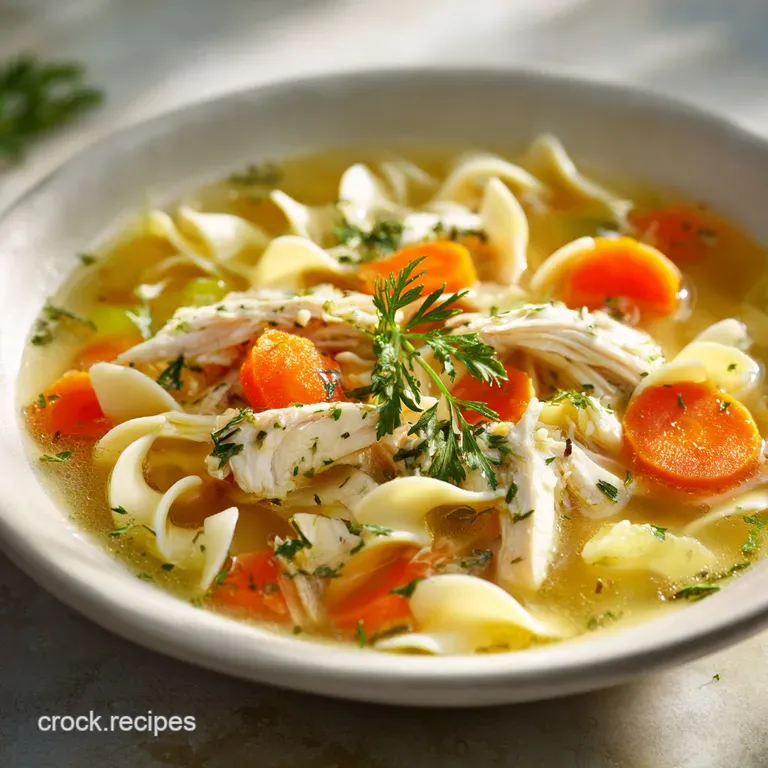
In your large pot, melt the 2 tbsp unsalted butter over medium heat. Add the diced onion, sliced carrots, and celery. Sauté for about 5-6 minutes until the onions are translucent and the carrots look slightly glazed. Don't let them brown; we want sweetness, not toasted flavors.
2. Scenting the Base
Stir in the 4 cloves minced garlic and 1 tsp fresh thyme. Cook for just 1 minute until the garlic smells fragrant and the thyme oils release. Adding them too early leads to burnt garlic, which turns bitter and ruins the whole pot.
3. The Golden Simmer
Pour in the 8 cups chicken stock and add the 2 bay leaves, 1 tsp kosher salt, and 1/2 tsp black pepper. Submerge the 1.5 lbs chicken thighs into the liquid. Bring the mixture to a gentle boil, then immediately reduce the heat to low.
Cover and simmer for 20 minutes until the chicken is opaque and pulls apart easily.
4. Shredding the Protein
Use tongs to remove the chicken thighs and place them on a cutting board. Let them rest for 2 minutes, then shred them into bite sized pieces using two forks. Note: Resting the meat prevents the juices from running out, keeping the chicken moist.
5. Perfecting the Noodles
Return the shredded chicken to the pot and bring the liquid back to a simmer. Add the 6 oz wide egg noodles. Cook for 6-8 minutes until the noodles are tender but still have a slight bite (al dente). They will continue to cook in the residual heat, so don't overdo it.
6. The Final Infusion
Turn off the heat. Remove and discard the bay leaves. Stir in the 1/4 cup fresh parsley and 1 tbsp fresh lemon juice. Taste the broth. If it needs more "zing," add a pinch more salt or another squeeze of lemon.
Chef's Tip: If you're planning on having leftovers, cook the noodles separately in salted water and add them to individual bowls. This prevents the noodles from soaking up all the broth in the fridge!
Solving Common Broth and Noodle Blunders
Why Your Soup Is Cloudy
Cloudiness usually happens when the soup is boiled too vigorously. This emulsifies the fats and proteins into the water. To keep a crystal clear broth, never let it go past a gentle simmer.
Another culprit is the starch from the noodles; if you want a very clear soup, boil the noodles in a separate pot and rinse them before adding to the bowl.
Why Your Chicken Feels Dry
Even thighs can dry out if they are boiled at high temperatures for too long. If you find your chicken is "stringy," it’s likely because the heat was too high. Keep the bubbles small and infrequent.
Also, ensure you are using a low sodium stock so you don't accidentally cure the meat while it cooks, which can affect the texture.
| Problem | Root Cause | Solution |
|---|---|---|
| Mushy Noodles | Overcooking or sitting in hot broth | Cook 1 min less than package directions; store noodles separately |
| Bland Flavor | Lack of salt or acidity | Add salt in small increments and finish with lemon juice |
| Greasy Surface | Too much fat from chicken | Skim the surface with a cold metal spoon to collect fat |
Common Mistakes Checklist
- ✓ Don't skip the sauté step - it's where the flavor starts.
- ✓ Use fresh herbs whenever possible for a more vibrant aroma.
- ✓ Avoid boiling the soup once the chicken is back in; keep it at a simmer.
- ✓ Always taste for salt right before serving, as the broth concentrates.
- ✓ Remove the bay leaves before serving to avoid a bitter surprise.
Creative Ways to Customize Your Bowl
If you're looking for a quick homemade chicken noodle soup, you can use a pre cooked rotisserie chicken. Just skip the chicken simmering step, sauté your veggies, add the stock, and throw the shredded rotisserie meat in at the end with the noodles.
It cuts the time down significantly without sacrificing too much quality.
For a healthy homemade chicken noodle soup, you can double the amount of celery and carrots, or even add chopped kale or spinach in the last 2 minutes of cooking. If you're avoiding grains, swap the egg noodles for zoodles or cauliflower florets.
If you love a bit of heat, a pinch of red pepper flakes added with the garlic creates a lovely back of-the throat warmth.
For those who want to try a different flavor profile entirely, the technique of simmering aromatics is very similar to The Chefs Secret recipe, which uses ginger and soy for a different kind of comfort.
Storing and Refreshing Your Leftover Soup
This soup stays fresh in the fridge for up to 4 days. However, the noodles will act like little sponges, soaking up the broth until you're left with a thick stew. When reheating, you'll likely need to add an extra splash of stock or water to loosen it up.
If you're making a big batch specifically for meal prep, I highly recommend storing the noodles in a separate container.
You can freeze the broth and chicken (without noodles) for up to 3 months. To reheat from frozen, let it thaw in the fridge overnight, then bring it to a simmer on the stove. Once it's bubbling, drop in fresh noodles.
To reduce waste, save your onion skins and celery ends in a bag in the freezer; once the bag is full, boil them with some peppercorns to make your own "scrap stock" for the next round.
Finishing Touches for the Perfect Bowl
When you're ready to eat, the presentation matters almost as much as the taste. Ladle the soup into deep, warmed bowls to keep it hot longer. A final sprinkle of fresh parsley adds a pop of green that makes the dish look as good as it tastes.
I also love serving this with a piece of crusty sourdough bread to soak up every last drop of the golden liquid.
If you find the soup is a bit too rich, a tiny extra squeeze of lemon juice right in the bowl can cut through the fat perfectly. It’s those little adjustments the salt, the acid, the fresh herbs that turn a simple meal into something memorable.
This is a recipe meant to be shared, so make a big pot, call a friend, and enjoy the comfort that only a truly great bowl of soup can provide.
Kitchen Myths Debunked
Myth: You must boil the chicken to "clean" it. Actually, boiling chicken aggressively just toughens the fibers and makes the broth cloudy. A gentle simmer is all you need to cook it safely while keeping it tender.
Myth: Adding oil to the pasta water prevents the noodles from sticking in the soup. In a soup, the noodles won't stick together because they are submerged in liquid. Adding oil just makes the noodles slippery, preventing the delicious broth from clinging to them.
Myth: Searing the chicken "seals in the juices." Juiciness is about internal temperature and fiber structure, not a "seal." While browning chicken adds flavor (the Maillard reaction), it's not strictly necessary for a traditional clear noodle soup, and sometimes it can make the broth too dark.

High in Sodium ⚠️
1040 mg 1040mg of sodium per serving (45% 45% of daily value)
The American Heart Association recommends limiting sodium intake to about 2,300mg per day for overall cardiovascular health.
Tips to Reduce Sodium in Your Chicken Noodle Soup
-
Broth Swap-30%
Opt for no-sodium or ultra low sodium chicken broth. This can significantly reduce the overall sodium content of the soup without sacrificing flavor.
-
Salt Reduction-25%
Reduce or eliminate the added kosher salt (1 tsp). Taste the soup before adding any salt and adjust accordingly. You may find it needs very little, if any.
-
Boost Flavor Base-15%
Enhance the flavor of the soup with more onion, carrots, celery, garlic, thyme, parsley and lemon juice. This will create a richer, more satisfying flavor profile without relying on salt.
-
Acidic Boost-10%
Increase the amount of fresh lemon juice (1 tbsp) added at the end of cooking. Acidity brightens the flavors and can help offset the need for salt.
-
Spice It Up
Experiment with sodium free herbs and spices like garlic powder, onion powder, paprika, or a pinch of red pepper flakes to boost the flavor of your soup.
Recipe FAQs
What ingredients are usually in chicken noodle soup?
Chicken, broth, aromatics, and noodles. Typically this involves bone-in or skinless chicken thighs, low sodium chicken stock, a mirepoix (onion, carrot, celery), fresh thyme, and wide egg noodles.
What ingredients do you put in chicken soup?
Chicken thighs, chicken stock, mirepoix, garlic, thyme, bay leaves, salt, pepper, wide egg noodles, parsley, and lemon juice. The lemon juice is crucial at the end to brighten the overall savory flavor profile.
What common mistakes when making chicken soup?
Boiling too hard, overcooking noodles, and under developing the base. Vigorous boiling clouds the broth, and noodles absorb all liquid if left sitting; make sure to sauté the vegetables first for flavor depth.
What is the secret ingredient in secret ingredient soup?
Fresh lemon juice added right at the end. This is not a true secret but a critical technique that acts as an acid balance to cut through the richness of the gelatinized broth. If you enjoyed controlling the flavor balance here, see how the same principle applies to achieving brightness in the Blazing Black Pepper recipe.
How do I keep my chicken from getting stringy and dry?
Simmer the chicken thighs gently for 20 minutes until just cooked through. High, rolling heat toughens the meat fibers quickly. Using fattier cuts like thighs also helps maintain moisture far better than lean breasts.
How do I stop my noodles from turning into mush?
Cook the noodles al dente (1 minute less than suggested) or cook them separately. Noodles continue to absorb liquid even after the heat is off; for best leftovers, boil them in salted water, drain, and add them directly to individual serving bowls.
Is it true I must use chicken breasts for a low-fat soup?
No, this is a common misconception if you want body in the broth. Chicken thighs provide connective tissue that melts into gelatin, giving the broth a luxurious, velvety mouthfeel that breasts cannot replicate. If you must use lean meat, look at recipes like the Marry Me Chicken recipe for alternative methods of ensuring tenderness.
Homemade Chicken Noodle Soup
Ingredients:
Instructions:
Nutrition Facts:
| Calories | 324 kcal |
|---|---|
| Protein | 30 g |
| Fat | 11 g |
| Carbs | 27 g |
| Fiber | 2.5 g |
| Sugar | 4 g |
| Sodium | 1040 mg |
