Juicy Pork Tenderloin Recipe with Dijon
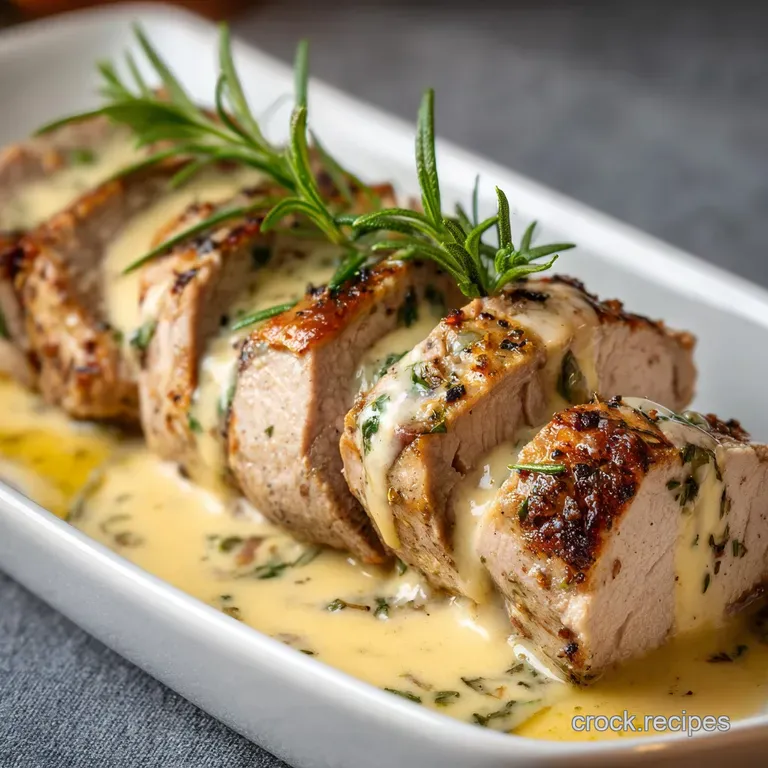
- Time: Active 15 minutes, Passive 20 minutes, Total 35 minutes
- Flavor/Texture Hook: A mahogany seared crust meets a velvety, tangy cream sauce with herbal notes of tarragon.
- Perfect for: A weeknight dinner that feels like a weekend celebration or a cozy dinner party.
- Perfecting Juicy Pork Tenderloin Recipe with Dijon
- The Science Behind Perfect Results
- Recipe Specifications and Yields
- Essential Ingredient Deep Dive
- Necessary Cooking Equipment Needed
- Mastering the Key Steps
- Solving What Can Go Wrong
- Flexible Dietary Adaptations
- Storing and Keeping It Fresh
- Professional Presentation Tips
- Recipe FAQs
- 📝 Recipe Card
Perfecting Juicy Pork Tenderloin Recipe with Dijon
I still remember the first time I served pork tenderloin to my in laws. I was so worried about food safety that I cooked it until it had the texture of an old sneaker. It was gray, dry, and honestly quite embarrassing.
That meal taught me that lean pork is unforgiving, but it also started my obsession with finding a way to keep it succulent every single time.
This article shares one incredibly flavorful juicy pork tenderloin recipe with Dijon cream sauce. We aren't just putting sauce on top of meat here, we are building layers of flavor starting from the inside out.
By using a quick brine method, we ensure the meat stays hearty and satisfying without losing its moisture to the high heat of the pan.
The magic happens when the sharp, nasal punch of Dijon mustard meets the rich silkiness of heavy cream. It creates a contrast that keeps you coming back for another bite. You get the sweetness from the apple cider brine, the savory sizzle of the seared crust, and that bright finish from the tarragon.
It’s a classic for a reason, but we’ve refined the steps to make it foolproof even on a busy Tuesday night.
The Science Behind Perfect Results
The Brine and Sear Physics
Osmotic Hydration: The salt in the brine breaks down tightly wound muscle proteins, allowing the apple cider to enter the fibers and stay trapped there even during the roasting process. This creates a buffer against overcooking, ensuring the meat stays plump and tender.
Maillard Complexity: Grapeseed oil has a high smoke point, allowing us to achieve a hard sear that triggers a chemical reaction between amino acids and reducing sugars. This doesn't "seal in juices" but it does create hundreds of new flavor compounds that define a savory, satisfying crust.
| Thickness | Internal Temp | Rest Time | Visual Cue |
|---|---|---|---|
| 1.5 inches | 145°F (63°C) | 5 minutes | Slight blush pink in the center |
| 2 inches | 145°F (63°C) | 8 minutes | Juices run clear when sliced |
| 1 inch | 145°F (63°C) | 3 minutes | Firm to the touch but yielding |
Getting the temperature right is the difference between a meal people talk about for weeks and something you just chew through. If you love this flavor profile, you might also enjoy the technique used in my Sticky Balsamic Pork recipe, which uses a similar balance of acid and heat to create a stunning glaze.
Recipe Specifications and Yields
When you are planning a meal, knowing exactly how much you'll end up with is half the battle. This recipe is designed for 4 people, assuming a standard 4 ounce serving of protein per person.
Because pork tenderloin usually comes in 1 pound packages, it's the perfect size for a family of four or a couple that loves leftovers for lunch.
| Component | Science Role | Pro Secret |
|---|---|---|
| Apple Cider | Acidic Tenderizer | Use unfiltered cider for more natural sugars to help the sear. |
| Dijon Mustard | Emulsifier | Mustard contains lecithin, which helps the cream and broth bond without separating. |
| Kosher Salt | Protein Denaturant | Use Diamond Crystal for a gentler saltiness that penetrates deeper into the meat. |
| Grapeseed Oil | Thermal Conductor | It stays stable at high heat, preventing a bitter, burnt oil taste on your pork. |
The cook time is relatively short, which means you need to have all your ingredients measured out before you start. This isn't the kind of recipe where you can chop shallots while the meat is in the pan.
The transition from the sear to the oven finish happens fast, and the sauce builds in just a few minutes while the meat rests.
Essential Ingredient Deep Dive
- 1 lb pork tenderloin: Make sure to remove the silver skin (that shiny, tough membrane) so the meat doesn't curl or get chewy. Why this? Lean, tender, and quick cooking for a weeknight.
- 1 cup unsweetened apple cider: This provides a subtle sweetness and acidity that balances the rich cream later. Why this? The malic acid tenderizes meat better than plain water.
- 2 tbsp Dijon mustard: Use a high-quality French Dijon for that signature bite. Why this? Adds tang and acts as a sauce thickener.
- 1 tbsp whole grain mustard: This adds texture and little pops of flavor throughout the sauce. Why this? Provides visual appeal and rustic texture.
- 0.5 cup heavy cream: Don't swap this for milk; you need the fat for a velvety finish. Why this? Creates the luxurious mouthfeel of a restaurant sauce.
- 1 tsp fresh tarragon: Tarragon has a slight anise or licorice flavor that pairs beautifully with mustard. Why this? It cuts through the richness of the cream.
| Original Ingredient | Substitute | Why It Works |
|---|---|---|
| Heavy Cream | Full fat Coconut Milk | Similar fat content. Note: Adds a slight tropical note to the sauce. |
| Apple Cider | White Grape Juice | High sugar and acidity. Note: Slightly sweeter, so add a dash of vinegar. |
| Shallot | Yellow Onion | Allium flavor base. Note: Mince very finely as onions are more pungent. |
If you find yourself out of tenderloin but still craving that mustard punch, this sauce works brilliantly with other cuts too. I’ve actually used a very similar base for my Smothered Pork Chops Recipe when I wanted something even more hearty and traditional for a Sunday lunch.
Necessary Cooking Equipment Needed
You don't need a kitchen full of gadgets for this, but two specific items will change your life. First, a heavy bottomed skillet ideally cast iron or stainless steel is non negotiable. You want something that holds heat so that when you drop that cold meat into the pan, the temperature doesn't plummet.
A flimsy pan will steam your meat rather than searing it, and we want that golden crust.
The second tool is a reliable digital meat thermometer. Trusting your thumb or a timer is a recipe for disaster with pork. Since we are aiming for exactly 145°F, being off by even 5 degrees can result in dry meat.
A thermometer takes the guesswork out and ensures every slice is as juicy as the last.
Finally, a sharp boning knife or chef's knife is essential for removing the silver skin. If you leave that membrane on, it will shrink during cooking and pull the meat into a crescent shape, making it impossible to get an even sear.
Taking two minutes to trim the meat properly is the hallmark of a cook who cares about the details.
Mastering the Key Steps
- Prep the meat. Remove the silver skin from the 1 lb pork tenderloin using a sharp knife. Note: This prevents the meat from toughening and curling.
- Brine the pork. Whisk 1 cup apple cider and 2 tbsp kosher salt until dissolved, then add 1 cup ice water. Submerge the pork for 15 minutes. Note: This is the secret to moisture retention.
- Dry thoroughly. Remove the pork from the brine and pat it completely dry with paper towels. Wait for the surface to look matte. Note: Moisture on the surface prevents a good sear.
- Sear the exterior. Heat 1 tbsp grapeseed oil in a skillet over medium high heat until it shimmers. Brown the pork on all sides until a deep golden crust forms (about 5-6 minutes total).
- Oven finish. Place the skillet in a 400°F oven for 10-12 minutes until the internal temperature hits 145°F.
- Rest the meat. Move the pork to a cutting board and tent loosely with foil. Let it rest for 5-8 minutes. Note: This allows juices to redistribute.
- Sauté aromatics. In the same skillet, melt 1 tbsp butter and add the minced shallot. Cook 2 minutes until translucent and fragrant.
- Deglaze the pan. Pour in 0.5 cup bone broth, scraping the bottom until all the brown bits (fond) dissolve.
- Build the sauce. Whisk in 0.5 cup heavy cream, 2 tbsp Dijon, and 1 tbsp whole grain mustard. Simmer for 3 minutes until the sauce thickens and coats a spoon.
- Final touch. Stir in 1 tsp chopped tarragon and 0.5 tsp black pepper. Slice the pork into medallions and spoon the velvety sauce over the top.
Solving What Can Go Wrong
Why Your Pork Is Dry
Even with a brine, you can still end up with dry meat if you don't account for carryover cooking. Meat continues to rise in temperature by about 5 degrees after you take it out of the heat.
If you pull it out at 150°F, it will end up at 155°F, which is starting to enter the "dry zone" for tenderloin.
Why Your Sauce Separated
If your sauce looks oily or broken, it’s usually because the heat was too high when you added the cream or mustard. Mustard is a great stabilizer, but it can’t perform miracles if the liquid is at a rolling boil. Keep it at a gentle simmer to maintain that smooth, velvety texture.
| Problem | Root Cause | Solution |
|---|---|---|
| Gray, steamed meat | Pan wasn't hot enough | Wait for oil to shimmer and smoke slightly before adding meat. |
| Bitter sauce | Burnt shallots or fond | Lower heat before adding shallots; deglaze quickly if pan is too hot. |
| Thin, runny sauce | Not reduced enough | Simmer for an extra 2 minutes or whisk in a cold butter knob at the end. |
Common Mistakes Checklist ✓ Pat the pork bone dry after brining (prevents steaming). ✓ Don't skip the rest period (prevents juices from leaking on the board). ✓ Use room temperature cream to prevent the sauce from curdling.
✓ Always slice against the grain for the most tender bite. ✓ Scrape every bit of fond from the pan that is where the flavor lives!
Flexible Dietary Adaptations
If you are looking to keep things a bit lighter or have specific dietary needs, this recipe is incredibly adaptable. For a lower carb or keto version, the recipe as written is already quite friendly, but you can swap the apple cider brine for a simple salt and water brine with a splash of apple cider vinegar to reduce the sugar content.
For a dairy-free version, you can replace the heavy cream with full fat coconut milk or a cashew based cream. The Dijon mustard is so powerful that it will mask most of the coconut flavor, leaving you with a rich sauce that still feels indulgent.
Just be sure to use an unsweetened version to keep the savory balance intact.
If you're cooking for a larger crowd, scaling this recipe is simple. Since pork tenderloins are usually uniform in size, you can easily sear two at once in a large 12 inch skillet. Just make sure not to crowd the pan, or you'll lose that beautiful sizzle and the meat will steam.
If the pan is too full, sear them one at a time and then finish them in the oven together.
Storing and Keeping It Fresh
Storage: You can keep leftover pork in the fridge for up to 3 days. I recommend storing the sauce in a separate container if possible, as it helps when reheating. To keep the meat from drying out, don't slice the entire tenderloin at once only slice what you plan to eat immediately.
Freezing: This dish doesn't freeze particularly well once the cream sauce is applied, as the emulsion can break and become grainy when thawed. However, you can freeze the seared and cooked pork on its own for up to 2 months. Just wrap it tightly in plastic wrap and then foil to prevent freezer burn.
Reheating: This is where people usually ruin leftovers. Do not microwave the pork on high power! Instead, slice it and warm it gently in a skillet with a splash of broth or a little extra cream over low heat. This "steams" the meat back to life without overcooking the center.
Zero Waste Tip: Don't throw away the trimmings or the silver skin. While they aren't great to eat, you can toss them into a bag in the freezer with onion skins and carrot ends to make a hearty homemade pork stock later.
Professional Presentation Tips
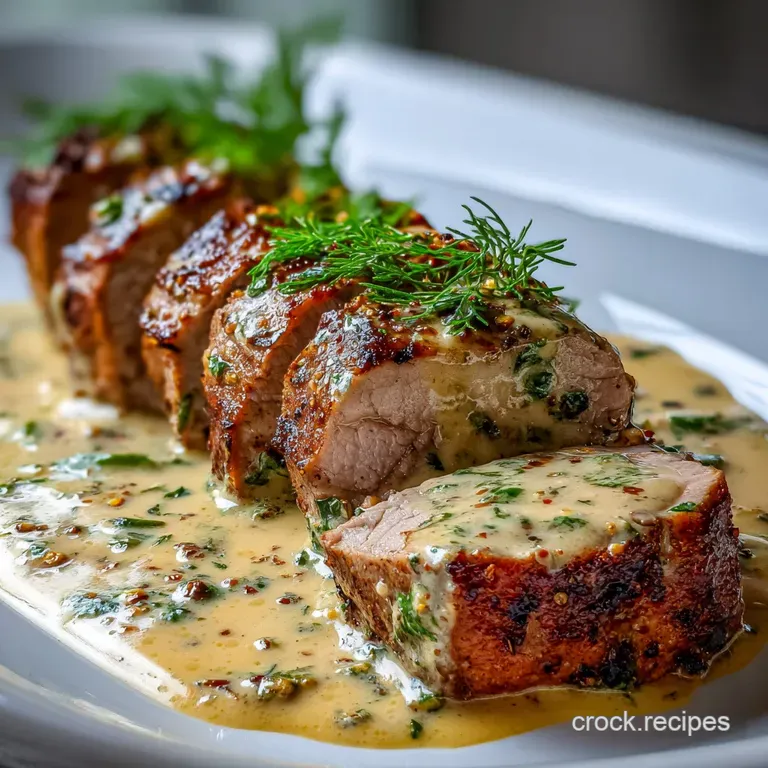
To get that restaurant quality look, slice the pork into thick medallions, about 1 inch wide. Arrange them in a "shingled" pattern on a warmed platter, slightly overlapping each piece. This shows off the perfectly cooked, slightly pink center while keeping the meat warm.
Drizzle the sauce over only half of each medallion. This creates a beautiful contrast between the dark, mahogany crust of the sear and the pale, flecked gold of the Dijon cream. A final sprinkle of fresh, bright green tarragon right before serving adds a pop of color that makes the whole dish look vibrant.
For a side dish that completes the plate, something that can soak up that extra sauce is key. Mashed potatoes are a classic, but a wild rice pilaf or even some crusty sourdough bread works perfectly to ensure not a single drop of that velvety mustard sauce goes to waste. If you're looking for an effortless way to prep the meat ahead of time, you might check out the Slow Cooker Pork recipe which offers a different but equally satisfying approach to tender pork.

Recipe FAQs
Can I use a different type of mustard besides Dijon?
Yes, but it will change the flavor profile significantly. Whole grain mustard adds texture and a milder bite, while a spicy brown mustard will provide more heat. For a similar tangy flavor, consider using a good quality grainy Dijon if you're out of smooth. If you find yourself out of tenderloin but still craving that mustard punch, this sauce works brilliantly with other cuts too, similar to our Smothered Pork Chops Recipe.
How do I prevent pork tenderloin from drying out?
A quick brine and accurate internal temperature are key. The apple cider brine helps retain moisture, and pulling the pork from the heat when it reaches 145°F (63°C) prevents overcooking. Remember that carryover cooking will raise the temperature a few degrees as it rests.
What's the best way to sear pork tenderloin?
Get your pan smoking hot and don't crowd it. A heavy bottomed skillet, like cast iron, is ideal for achieving a deep, golden brown crust. This Maillard reaction creates hundreds of new flavor compounds, enhancing the savory profile of the meat.
How long should I let the pork tenderloin rest after cooking?
Rest it for at least 5-8 minutes. Tent it loosely with foil. This crucial step allows the juices to redistribute throughout the meat, ensuring every slice is tender and moist, rather than escaping onto your cutting board.
Can I make the Dijon sauce ahead of time?
Yes, but it's best to reheat it gently. The cream and mustard emulsion can sometimes separate if reheated too aggressively. Gently warming it on the stovetop over low heat will maintain its velvety texture. If you love this sauce's richness, you might enjoy the creamy elements in our Dijon Chicken with Mushrooms.
What is the role of apple cider in the brine?
It acts as a tenderizer and adds subtle sweetness. The malic acid in the cider helps to break down muscle fibers, making the pork more tender, while the natural sugars contribute to browning during searing.
Can I use pork loin instead of pork tenderloin?
Yes, but adjust your cooking time and temperature. Pork loin is a larger, fattier cut and will require a longer cooking time to reach the same internal temperature.
Be sure to use a thermometer to ensure it reaches 145°F (63°C) for optimal juiciness, similar to how you'd manage temperature for other roasts.
Juicy Pork Tenderloin Dijon
Ingredients:
Instructions:
Nutrition Facts:
| Calories | 318 kcal |
|---|---|
| Protein | 24.6 g |
| Fat | 22.3 g |
| Carbs | 3.8 g |
| Fiber | 0.4 g |
| Sugar | 2.1 g |
| Sodium | 680 mg |
