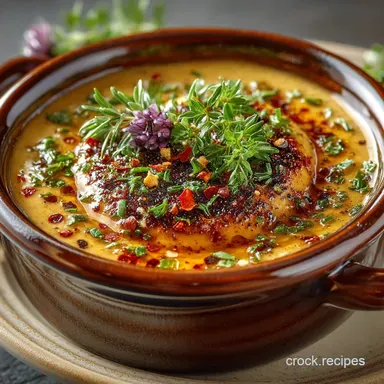
Chefs Classic Homemade Mellow Dijon Mustard the Burgundy Way
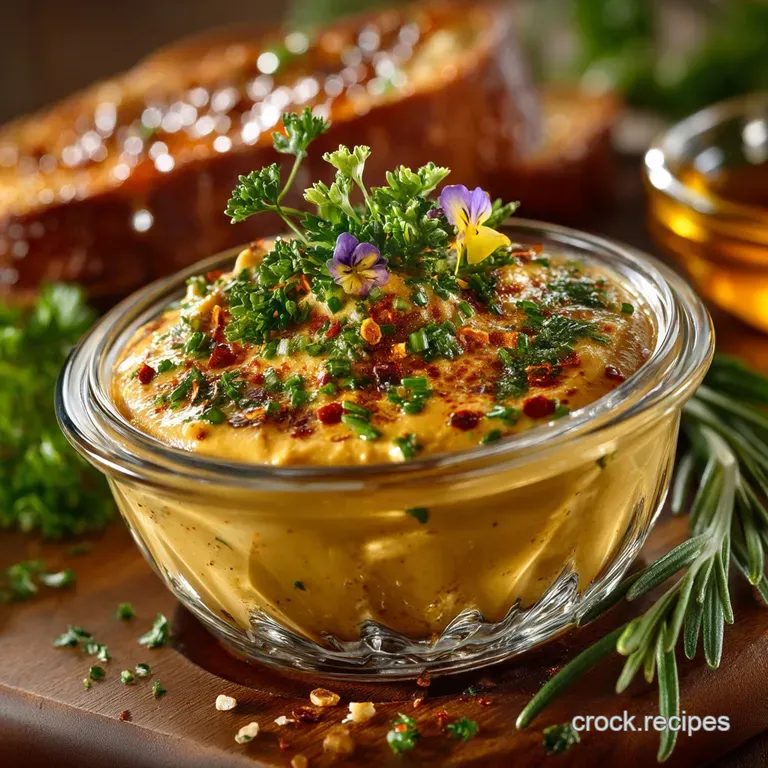
Moving Beyond Yellow: Why Homemade Dijon Mustard Changes Everything
If your experience with dijon mustard is limited to the squeeze bottle lurking in the back of the fridge, prepare for a revelation. Making this classic condiment at home transforms it from a simple pantry staple into a vibrant, complex, and intensely aromatic foundation for modern cooking.
The difference lies in process control: while industrial producers use aggressive methods to stabilize flavor, our homemade approach utilizes the slow, gentle marriage of high-quality white wine and mustard seeds, capturing the true, mellow essence of Burgundy.
This control over the dijon mustard ingredients allows us to dictate the exact balance of heat and tang that will elevate every dish it touches.
The Secret Weapon of French Vinaigrettes
In French cuisine, Dijon is not merely a topping; it is a critical structural agent. The seeds contain natural gums which, when pulverized and blended with an acid base, possess powerful emulsifying properties. A truly authentic dijon mustard salad dressing relies on this binding capacity.
Just one teaspoon whisked vigorously with oil and vinegar stabilizes the emulsion, ensuring a silky-smooth, cohesive dressing that coats lettuce beautifully without separating. This ability to integrate oil and acid makes it indispensable far beyond the boundaries of greens, extending its use to creamy pan sauces and marinades.
Decoding the Burgundy Mellow: Acidity vs. Heat
The defining characteristic that sets true dijon mustard vs regular mustard is its acidity base. Traditional American yellow mustard typically relies on distilled vinegar for a sharp, one-dimensional tang.
Classic Dijon, however, historically used verjus (unripe grape juice) or, as in our modern dijon mustard recipe , dry white wine. The crucial culinary science here is temperature control. The sharp, volatile heat (or pungency) in mustard seeds is due to a compound called allylisothiocyanate.
By gently simmering the mixture, never allowing it to reach a rolling boil, we intentionally mellow that initial, aggressive heat while preserving the sophisticated aromatic oils infused by the shallots and wine, resulting in a smooth, deeply tangy condiment rather than a jarringly spicy one.
The Industrial Bottling Difference Explained
The process outlined here is fundamentally different from mass-produced condiments. Large-scale operations often utilize higher temperatures and rapid processing, which require the addition of stabilizers and gums to ensure shelf life and consistent texture.
When you prepare dijon mustard at home, you eliminate the need for these additives entirely. The slow soak and simmer allow the mustard’s natural starches and oils to create a rich, velvety body.
On top of that,, the fresh infusion of diced shallots and high-quality white wine vinegar contributes layers of complexity and brightness that are simply absent in shelf-stable, industrial variations, making the slight extra effort entirely worthwhile.
Sourcing Your Spice: Essential Components for Authentic Dijon
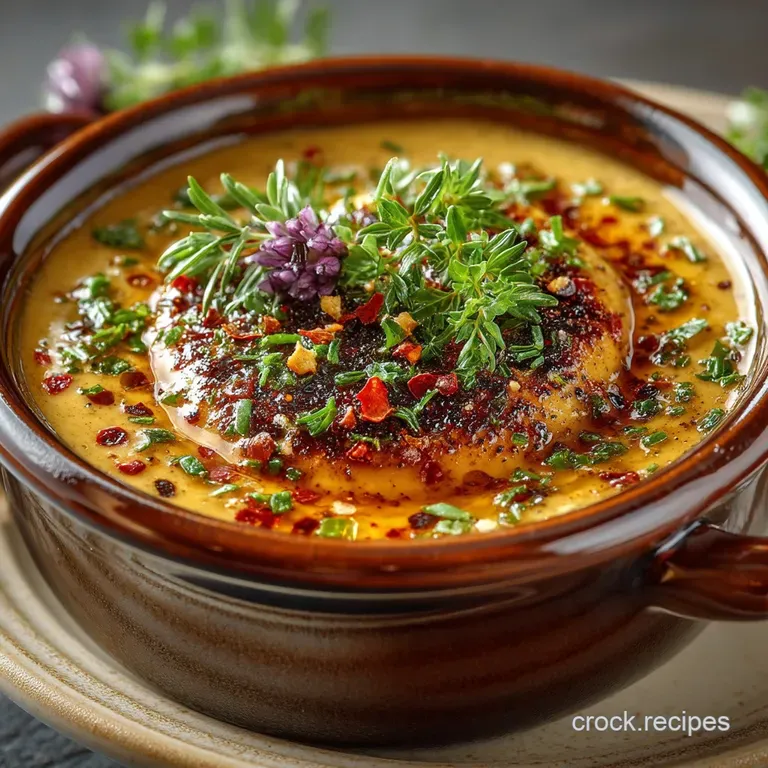
The success of your dijon mustard recipe hinges less on complex technique and more on the quality and preparation of the core ingredients. We are aiming for flavor depth, and that starts long before the saucepan hits the burner.
Choosing Your Liquid Base: The Crucial White Wine Requirement
The Burgundy region is celebrated for its wines, and it is fitting that a dry, high-acid white wine, like a crisp Sauvignon Blanc or unoaked Chardonnay, forms the heart of the liquid base (240 ml) for our dijon mustard .
Unlike water or cider, wine contributes essential fruit acids and subtle tannic notes that elevate the final profile. It acts as the primary solvent during the soaking stage, beginning the slow process of extracting the flavor from the seeds.
Since this component remains highly concentrated in the final product, it’s imperative to choose a wine you genuinely enjoy drinking; its character will define your batch.
Brown vs. Yellow Seeds: Achieving the Right Pungency
To achieve the nuanced heat profile characteristic of classic French dijon mustard , we combine both brown and yellow (sometimes called white) seeds in equal measure (100g each).
The yellow seeds provide the necessary bulk, softening easily during the soaking phase and contributing a milder, earthier foundation. Conversely, the smaller brown seeds contain a higher concentration of the volatile oils responsible for the sharp, initial kick.
By blending the two, we ensure the final result is both deeply savory and pleasantly pungent, hitting the palate with complexity rather than just pure heat.
Tools of the Trade: Mortar, Pestle, and Immersion Blender
While a classic French moutarde may have been pounded laboriously with a mortar and pestle, achieving the modern, creamy texture requires serious mechanical assistance.
A high-speed blender (like a Vitamix) or a powerful immersion blender is essential for creating the signature silky smoothness expected of dijon mustard . Traditional mustard only requires partial grinding, leaving some grains visible ( moutarde à l’ancienne ), but for true Dijon creaminess, you need to shear the husks completely.
The initial crushing or blending should run for several minutes to fully incorporate the seeds and liquids, ensuring no gritty texture remains.
Related Recipes Worth Trying
- Foolproof HoneyMustard Glazed Baked Ham Perfect for Christmas Dinner — Our best baked ham recipe guarantees a moist spectacular centrepiece Learn exactly how to cook a ham in the oven with our trick for a sticky lacquered...
- Foolproof Crispy Honey Mustard Potatoes Sticky Tangy Oven Roasties — The best Honey Mustard Potatoes recipe Achieve shatteringly crisp oven edges with our chuffing secret then toss them in a sweet and tangy glaze Perfect...
- The Ultimate Bacon Lovers Pasta Salad with Maple Dijon Dressing — Forget sad leftovers This Bacon Lovers Pasta Salad combines crispy bacon cheddar and pecans in a tangy mapledijon dressing Perfect for any Summer Pasta...
Mastering the Mill: step-by-step Mustard Creation
The dijon mustard recipe follows a predictable yet critical timeline, demanding patience in the initial stages to ensure optimal flavor development.
The Crucial Overnight Soak (Activation Phase)
The first step, the passive soaking phase, is non-negotiable. Combining the brown and yellow seeds with the white wine and water, and allowing them to rest at room temperature for 12 to 24 hours, is essential.
This is the activation phase, where the seeds absorb the liquids, plump up, and soften their tough outer husks. More importantly, this process initiates the enzyme reaction that creates the mustard's characteristic flavor compounds, preparing the grains for gentle cooking and ultimate flavor integration.
Skipping this stage will result in tough, chalky, and less flavorful mustard.
Grinding the Grains for the Perfect Texture
Once the soaked seeds, aromatics (shallots, garlic), and spices have undergone a gentle 25–30 minute simmer to thicken the mixture and mellow the heat, the focus shifts to texture. After cooling for ten to fifteen minutes, the entire warm paste is transferred to the high-speed blender.
This step should be thorough, often requiring several minutes of continuous blending. For the creamiest classic dijon mustard , you want to process the mixture until it is utterly smooth.
If necessary, a small amount of liquid can be added, or the mixture can be pushed through a fine mesh sieve afterwards to remove any lingering, coarse seed fragments, guaranteeing that velvety finish.
Tempering the Heat: The Final Acidity Adjustment
The control of the mustard’s final flavor, balancing the savory depth of the simmered seeds against the desired sharpness, occurs during the final stage. The bulk of the initial pungency is lost during the gentle cooking process.
However, to reintroduce a clean, sharp tang and stabilize the flavor, high-quality white wine vinegar (120 ml) is added after the mustard base has come off the heat.
Adding this final acid and any optional sweetener (like honey) just before bottling prevents these delicate notes from evaporating during the simmer, allowing you to perfectly temper the heat and adjust the final tanginess of your homemade dijon mustard sauce .
The Slow Mellow: Resting Your Dijon Mustard Batch
Perhaps the hardest instruction of the entire dijon mustard recipe is the waiting game. Once blended, adjusted, and transferred to sterilized jars, the mustard must undergo a maturation period in the refrigerator for a minimum of 48 hours.
Freshly made mustard, even after the careful simmering process, will still possess a sharp, often overwhelming heat that masks the subtlety of the wine and shallots. The slow mellowing process allows the flavors to fully integrate and the volatile sulfur compounds to stabilize, resulting in the smooth, balanced, and complex taste profile that truly defines quality Dijon.
Elevating Your Spread: Storage, Pairing, and Troubleshooting
Having mastered the technique, understanding how to maintain, modify, and utilize your spectacular homemade batch ensures its long life and maximum culinary impact.
Troubleshooting: Why Is My Mustard Too Bitter?
If you find that your freshly made dijon mustard has an undesirable bitter edge, the issue is often related to temperature abuse during the cooking stage or the use of sub-par ingredients.
High heat (a vigorous boil) can scorch the seeds and destroy the desirable volatile oils, releasing bitter undertones instead of the intended mellow pungency. Ensure you keep the heat at a gentle simmer for the 25–30 minutes required.
On top of that,, using stale mustard seeds or low-quality wine can also introduce unwanted harsh notes; fresh, good-quality dijon mustard ingredients are paramount.
Shelf Life and Safe Long-Term Preservation Methods
Because this dijon mustard recipe relies on fresh aromatics (shallots and garlic) and avoids the heavy chemical stabilizers often found in commercial products, it must be treated as a fresh condiment.
When stored in sealed, sterilized jars and kept consistently refrigerated, your mustard will maintain peak quality and safety for two to three months. The high acid content from the wine and vinegar acts as a powerful natural preservative, but vigilance regarding refrigeration is necessary to ensure its long-term integrity.
Creative Variations: Infusing Your Homemade Dijon
One of the great joys of crafting your own dijon mustard is the freedom to infuse it with signature flavors. For instance, incorporating finely chopped tarragon during the blending phase yields a classic French Dijon à l’Estragon , perfect for accompanying fish.
Alternatively, blending in a tablespoon of maple syrup alongside a pinch of smoked paprika creates a deeply flavored sweet-and-sour profile, transforming it into a versatile dipping dijon mustard sauce ideal for pretzels or chicken tenders.
Beyond Sandwiches: Best Culinary Uses for This Condiment
While superb on a sandwich, homemade dijon mustard truly shines when incorporated into cooked dishes. Use it as a flavorful binder for oven-roasted meats: a generous coating mixed with herbs and breadcrumbs forms a fantastic crust on a rack of lamb or pork loin.
It is essential in building flavor complexity for protein dishes like pan-seared dijon mustard chicken or oven-baked dijon mustard salmon , where its sharp acidity cuts beautifully through the richness of the fat.
On top of that,, stirring a teaspoon into mashed potatoes, mac and cheese, or simple gravies adds an undetectable layer of depth that professional chefs rely upon daily.
Recipe FAQs
Blimey, my mustard tastes like it’s trying to kill me! How do I make it milder?
Mustard heat is controlled by temperature during the cooking process. High, prolonged heat mellows the enzyme (myrosinase) that creates the fiery pungency. If your finished batch is too aggressive, gently reheat the entire mustard base for another 5–10 minutes on a very low simmer before the final blend, ensuring it never boils vigorously.
Also, give it a chance to have a good sit down; the mustard will naturally mellow significantly after 48 hours of refrigeration.
I love that smooth, glossy texture. How do I make sure my homemade Dijon mustard comes out properly creamy?
Achieving that truly smooth, velvety finish requires a decent piece of kit, specifically, a high-speed blender is your best friend here. Blend for several minutes, allowing the high friction to help break down the tough seed husks.
For true perfection (a mustard fit for the Queen, even), push the finished paste through a fine mesh sieve afterwards; it's a bit of faff, but that action removes any remaining gritty husks and yields a wonderfully polished result.
I'm in a rush, is the 12-hour soak really necessary, or can I just crack on with it?
Absolutely, old bean, the soak is crucial! Soaking the brown and yellow seeds in the liquid base hydrates them fully and activates the essential enzymes that start developing the complex, signature Dijon flavour profile.
Skipping this step means the seeds won't swell or fully release their aromatic oils during simmering, resulting in a gritty, dry, and fundamentally underdeveloped mustard. Best to plan ahead for this one!
Is there a decent alternative to using white wine in my Dijon mustard if I'm not keen on cooking with alcohol?
The white wine is key to achieving that Burgundy acidity and complexity, but a substitution is perfectly doable. For an alcohol-free version, use a blend of half high-quality apple cider vinegar and half neutral stock (either chicken or vegetable).
This mix will retain the necessary tang required to stabilize the mustard’s flavour, though the final depth of the traditional homemade Dijon mustard might be slightly different, but still jolly tasty!
Once I've bottled this liquid gold, how long will it last in the fridge before it goes off?
Since this mustard contains fresh ingredients (shallots, garlic) and hasn't been chemically preserved, it should be treated like a fresh condiment once opened. Stored correctly in a sterilized, airtight jar in the refrigerator, it will maintain its peak flavour and safety for 2 to 3 months.
Always use sterilized jars to ensure maximum shelf life, it's worth the extra few minutes of effort!
Chefs Classic Homemade Dijon Mustard The Mellow Burgundy Method