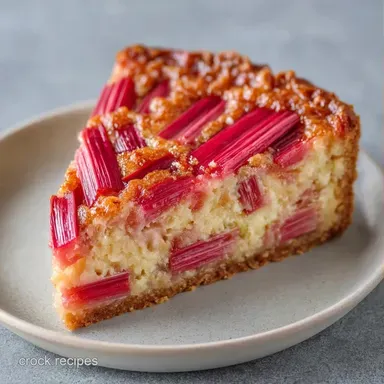
Homemade Rhubarb Tart: Jammy and Crisp
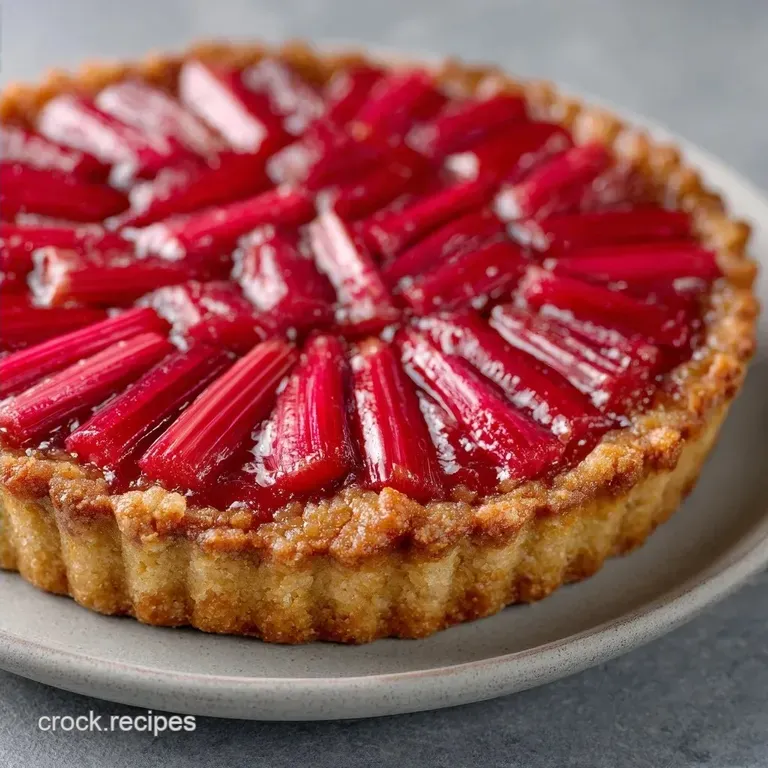
- Time: 15 min active + 30 min bake + 20 min resting
- Flavor/Texture Hook: Tangy, jammy center with a mahogany, sugary crunch
- Perfect for: Spring brunches or a satisfying weekend treat
- A Better Rhubarb Tart Guide
- The Secret To Better Tarts
- Ingredient Deep Dive
- The Must Have Ingredients
- Essential Kitchen Tools
- Step By Step Process
- Fixing Common Tart Issues
- Troubleshooting Common Issues
- Easy Flavor Variations
- Adjusting the Size
- Dispelling Tart Myths
- Storage And Reheating
- Serving Your Tart
- Recipe FAQs
- 📝 Recipe Card
A Better Rhubarb Tart Guide
The smell of bubbling rhubarb is something you can't mistake. It's sharp, slightly floral, and hits you the moment it hits the heat. I remember the first time I tried making this for my family; I just tossed the stalks in and hoped for the best.
I ended up with a swimming pool of pink liquid and a crust that felt like wet cardboard. It was a disaster, but it taught me that rhubarb is a thirsty, temperamental vegetable that needs a bit of discipline before it goes into the oven.
The secret is in the wait. Letting the rhubarb sit with the sugar transforms it from a woody stalk into something velvety and concentrated. When you pull this Rhubarb Tart out of the oven, the aroma is a mix of toasted butter and caramelized fruit that fills the whole house.
It's not a delicate dessert; it's a hearty, punchy treat that actually tastes like the season.
You can expect a tart that doesn't collapse the moment you slice it. We're aiming for a deep mahogany edge on the pastry and a filling that's thickened just enough to hold its shape but still feels lush. This is the kind of dish that makes people ask for the recipe before they've even finished their first slice.
The Secret To Better Tarts
When you're working with high moisture fruits, you're fighting a battle against gravity and steam. Most people just dump the fruit in and wonder why the bottom is soggy. Here is what's actually happening under the hood.
Sugar Osmosis: Sugar draws water out of the rhubarb cells. By doing this before baking, we control the liquid and create a syrup that thickens rather than a raw juice that soaks the dough.
Starch Gelatinization: The cornstarch doesn't just "thicken"; it binds with the released juices at a specific temperature. This turns the liquid into a stable gel that keeps the Rhubarb Tart from leaking.
Steam Venting: Pricking the puff pastry allows steam to escape from the butter layers. Without these little holes, the pastry can puff up unevenly or create a giant air pocket under the fruit.
Acid Balance: The lemon zest adds a bright note that cuts through the sugar. It highlights the natural tartness of the rhubarb without making the dish taste like a lemon tart.
| Method | Prep Time | Texture | Best For |
|---|---|---|---|
| Oven Bake | 15 mins | Shatteringly crisp | Classic presentation |
| Stovetop Pre cook | 25 mins | Jammy & dense | Guaranteed no soggy bottom |
Ingredient Deep Dive
Understanding the role of each component helps you make better decisions if you're missing something in the pantry.
| Ingredient | Science Role | Pro Secret |
|---|---|---|
| Puff Pastry | Structural lift | Keep it cold until the last second to ensure maximum flakes |
| Rhubarb | Primary acid/body | Slice into 1/2 inch pieces for consistent cooking |
| Cornstarch | Moisture binder | Toss thoroughly to avoid white clumps in the filling |
| Turbinado Sugar | Textural crunch | The larger crystals don't melt fully, creating a "crack" |
The Must Have Ingredients
For this Rhubarb Tart, we're sticking to the basics. Don't bother with low-fat alternatives here; the fat in the pastry is what carries the flavor of the fruit.
- 1 sheet (480g) frozen puff pastry, thawed Why this? Provides those buttery, airy layers without making dough from scratch.
- 1 large (50g) egg, beaten Why this? Acts as the glue for the sugar and browns the crust.
- 1 tbsp (12g) coarse turbinado sugar Why this? Adds a professional, sparkly crunch to the edges.
- 1 lb (450g) fresh rhubarb, sliced into 1/2 inch pieces Why this? The classic tart sweet balance of spring.
- 1/2 cup (100g) granulated sugar Why this? Balances the acidity and helps the fruit break down.
- 1 tbsp (8g) cornstarch Why this? Prevents the filling from becoming a soup.
- 1 tsp (5ml) vanilla extract Why this? Rounds out the sharp edges of the rhubarb.
- 1 tsp (2g) lemon zest Why this? Adds a citrusy aromatic lift.
Substitution Options
| Original Ingredient | Substitute | Why It Works |
|---|---|---|
| Turbinado Sugar | Sanding Sugar | Similar crunch, though slightly less molasses flavor |
| Cornstarch | Arrowroot Powder | Similar thickening power. Note: May be slightly less stable when freezing |
| Lemon Zest | Orange Zest | Adds a sweeter, floral citrus note, works great with rhubarb |
Essential Kitchen Tools
You don't need a professional setup, but a few specific tools make the process smoother. A 9 inch tart pan with a removable bottom is non negotiable if you want to actually serve this without it falling apart.
I usually use a standard baking sheet to catch any drips, as the turbinado sugar can occasionally pop over the edge and burn on your oven floor.
For the pastry, a fork is your best friend for docking (pricking the bottom). If you're feeling fancy, a pastry brush for the egg wash is great, but the back of a spoon works in a pinch. Just make sure your bowl for macerating is large enough to toss the rhubarb without bruising the stalks.
Step by step Process
Right then, let's get into the actual build. Pay attention to the smells and colors; they're your best indicators of doneness.
Phase 1: Prepping the Ruby Red Filling
- Toss the sliced rhubarb with granulated sugar, cornstarch, vanilla extract, and lemon zest in a large bowl. Note: Use a gentle folding motion so you don't crush the stalks.
- Let the mixture sit for 15–20 minutes. Wait until you see a pool of pink syrup forming at the bottom of the bowl. This is the maceration process doing its work.
Phase 2: Assembling the Tart
- Roll out your thawed puff pastry on a lightly floured surface. Gently press it into your 9 inch tart pan. Note: Don't stretch the dough, or it will shrink during baking.
- Trim the excess edges, leaving just a tiny bit of overhang.
- Prick the bottom of the pastry with a fork. This stops the center from bulging up like a balloon.
- Pour the rhubarb and all those collected juices into the shell. Fold the edges slightly inward to create a rustic, pleated border.
- Brush the pastry edges with the beaten egg and sprinkle with the coarse turbinado sugar.
Phase 3: The Golden Bake
- Place the pan on a baking sheet. Bake at 200°C (400°F) for 30 minutes. Cook until the crust is a deep mahogany color and the filling is bubbling vigorously.
- Remove from the oven. Let it cool for 10 minutes. Do not skip this; the filling needs to set, or it'll run everywhere when you cut it.
Chef's Note: If you love a more complex fruit profile, you can swap some of the rhubarb for sliced strawberries. If you're in the mood for something different entirely, my Peach Frangipane Tart uses a similar pastry base but adds a nutty almond cream.
Fixing Common Tart Issues
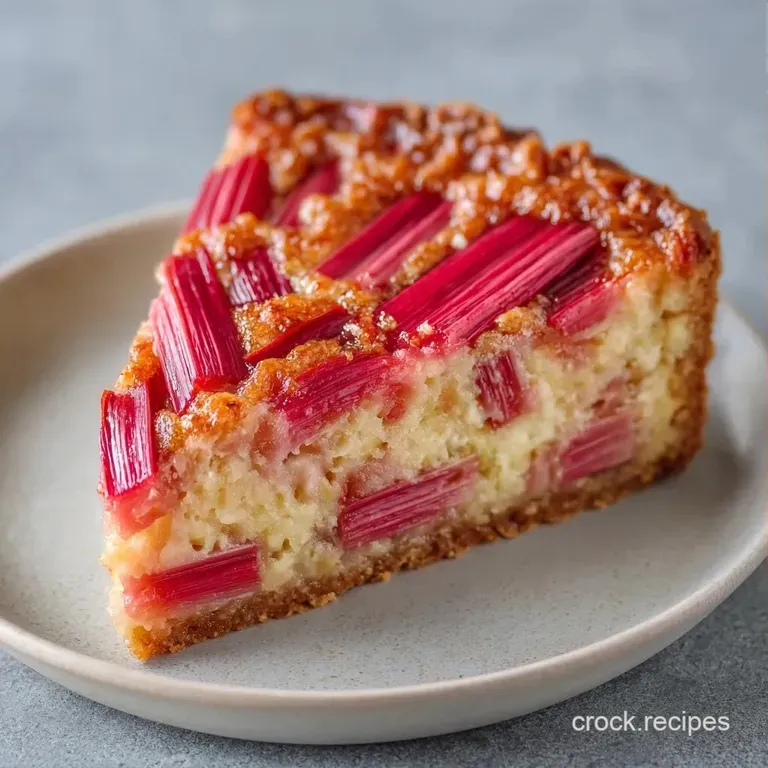
Even the best of us hit a snag. Usually, it comes down to moisture or temperature.
Troubleshooting Common Issues
| Issue | Solution |
|---|---|
| Why is the bottom soggy | This usually happens if the rhubarb wasn't macerated long enough or if the oven temp was too low. The juices seep into the dough before the pastry has a chance to set and crisp up. |
| Why is the filling too runny | You might have used "over ripe" rhubarb that had too much water, or the cornstarch wasn't distributed evenly. Ensure every piece of fruit is coated in the starch mixture. |
| Why did the edges burn | Puff pastry can be temperamental. If your oven runs hot, the turbinado sugar can caramelize too quickly. |
Quick Success Checklist
- ✓ Pastry remained cold until assembly
- ✓ Rhubarb released visible syrup before baking
- ✓ Bottom was pricked thoroughly with a fork
- ✓ Tart cooled for 10 full minutes before slicing
Easy Flavor Variations
If you want to switch things up, this Rhubarb Tart is a great canvas. For a more "Old Fashioned" vibe, add a pinch of cinnamon or ground ginger to the sugar mixture. The warmth of the ginger pairs beautifully with the tartness of the fruit.
For those who want a bit more indulgence, you can sprinkle a handful of sliced almonds on top of the filling before baking. This adds a toasted, nutty element that balances the acidity. If you're looking for a creamy contrast, serve a dollop of mascarpone cheese or a scoop of vanilla bean ice cream on the side.
If you're craving something equally comforting but completely different, you might enjoy a bowl of Old Fashioned Rice Pudding for a cozy night in.
Pro Tips for Better Results:
- Freeze your butter if you're making your own crust to ensure maximum flakiness.
- Use a sharp knife to slice rhubarb; dull blades crush the fibers and release too much juice too early.
- According to King Arthur Baking, handling puff pastry gently is the key to maintaining the thousands of layers that create the lift.
Adjusting the Size
If you're not feeding a crowd of ten, you can easily scale this Rhubarb Tart down.
Scaling Down (Half Batch) Use a 6 inch tart pan. Reduce the baking time by about 20% (check it at 22-24 minutes). Since you can't easily halve an egg, beat one egg in a small bowl and use exactly half of the liquid for the wash.
Scaling Up (Double Batch) Work in batches. Do not try to put double the filling into one pan, or the center will never cook through, leaving you with a soggy mess.
If you're baking two tarts at once, lower the oven temp to 175°C (350°F) and extend the time by 5-10 minutes to ensure even heat distribution.
| If you want... | Do this... |
|---|---|
| More crunch | Increase turbinado sugar to 2 tbsp |
| Less tartness | Add 2 tbsp of brown sugar to the mix |
| Extra zest | Add a teaspoon of orange zest |
Dispelling Tart Myths
You'll hear a lot of "rules" about baking fruit tarts, but some of them are just noise.
Myth: You must use homemade pastry for the best taste. Truth: high-quality store-bought puff pastry is often more consistent than home-made versions because it's produced with industrial precision. As long as it's all-butter, it's fantastic.
Myth: Frozen rhubarb is a poor substitute. Truth: Frozen rhubarb can actually work better in some cases because the freezing process breaks down the cell walls, making it macerate even faster. Just thaw and pat dry first.
Storage And Reheating
To keep your Rhubarb Tart fresh, let it cool completely before covering it with foil or placing it in an airtight container. It stays great in the fridge for up to 4 days.
Freezing Guidelines You can freeze slices of the tart individually. Wrap them tightly in plastic wrap and then foil. They'll last up to 2 months. To reheat, don't use a microwave, it will make the pastry chewy.
Instead, pop a slice in a 175°C (350°F) oven for about 8-10 minutes until the edges sizzle again.
Zero Waste Tips Don't throw away the rhubarb leaves, they are toxic! But the ends of the stalks that are too woody for the tart can be simmered with sugar and water to make a simple rhubarb syrup for cocktails or pancakes.
If you have leftover puff pastry scraps, sprinkle them with cinnamon sugar and bake them into "cheat" palmiers.
Serving Your Tart
The best way to serve this Rhubarb Tart is slightly warm. When the filling is still a bit soft, the contrast between the mahogany crust and the bright pink center is stunning. Slice it with a serrated knife to avoid crushing the flaky layers.
Pair it with a dollop of unsweetened whipped cream. The fat in the cream mellows out the sharp acidity of the rhubarb, creating a balanced bite. If you're serving this at a brunch, a side of fresh berries and a strong cup of coffee make it a complete experience.
Trust me, once you see that bubbling, jammy center, you'll never go back to bland fruit pies.
Recipe FAQs
How to make a classic homemade rhubarb tart?
Roll out puff pastry into a 9-inch pan and fill with macerated rhubarb. Bake at 400°F (200°C) until the crust is mahogany and the filling bubbles vigorously.
What makes the rhubarb taste sweet in this tart?
The granulated sugar and vanilla extract balance the fruit's natural acidity. Letting the mixture macerate for 15–20 minutes ensures the sweetness is fully absorbed into the rhubarb slices.
What can I make with rhubarb besides a tart?
Try making a crumble or a traditional deep-dish pie. If you enjoyed balancing the tartness of the fruit here, the same principle applies to our fresh rhubarb pie.
How to achieve an old fashioned rustic look for a rhubarb tart?
Fold the overhanging pastry edges slightly inward. This creates a pleated border that holds the filling in and gives the tart a homemade, artisanal appearance.
Is it true that rhubarb tarts always have a soggy bottom?
No, this is a common misconception. Pricking the pastry with a fork and allowing the rhubarb to macerate properly prevents excess juice from soaking the crust before it sets.
Why is my rhubarb tart filling too runny?
Ensure cornstarch is distributed evenly across all fruit pieces. Runny filling is typically caused by uneven starch coating or using over-ripe rhubarb with excessive water content.
Can I freeze slices of rhubarb tart?
Yes, wrap slices tightly in plastic wrap and then foil. They last up to 2 months; reheat in a 350°F (175°C) oven for 8-10 minutes to restore the crispness of the pastry.
Rhubarb Tart with Puff Pastry