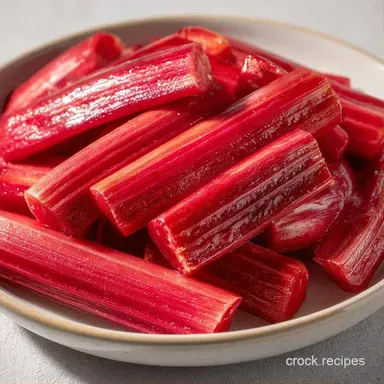
Easy Rhubarb Custard Pie: Silky and Tart
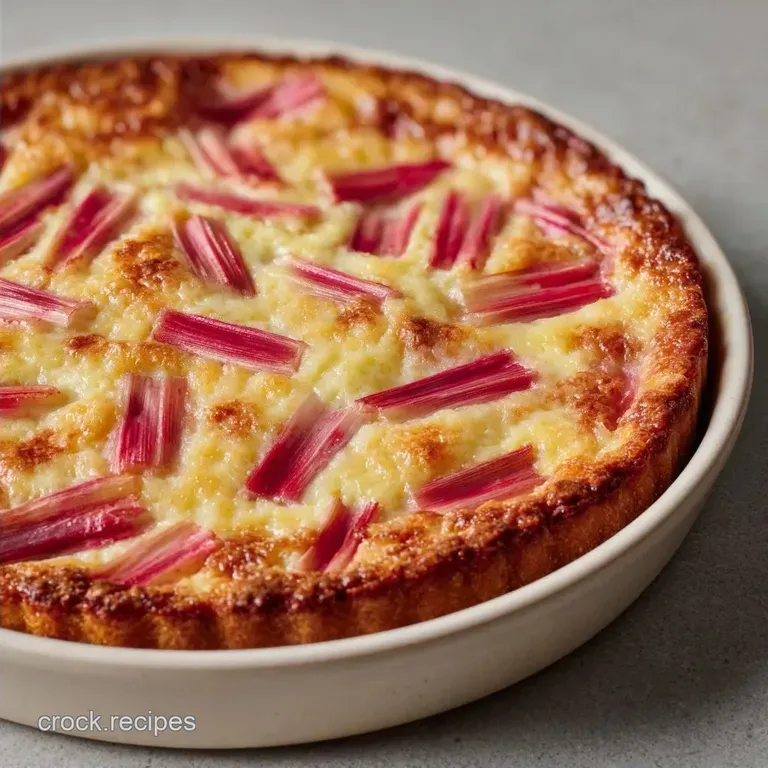
- Time: 25 min active + 55 min baking
- Flavor/Texture Hook: Tart, jammy rhubarb under a silky, wobbly custard
- Perfect for: Spring potlucks or a comforting weekend dessert
- Secrets for a Silky Filling
- The Component Breakdown
- Ingredients and Smart Swaps
- The Necessary Kitchen Tools
- Step by Step Baking Guide
- Fixing Common Custard Issues
- Troubleshooting Common Issues
- Variations for Every Taste
- Adjusting the Batch Size
- Debunking Pie Myths
- Storage and Reheating Tips
- What to Serve Alongside
- Recipe FAQs
- 📝 Recipe Card
The smell of warm cinnamon and tart rhubarb hitting a hot oven is honestly one of my favorite scents in the world. It's that specific "grandma's kitchen" aroma that makes the whole house feel cozy before you even take a bite.
But if you've tried making custard pies before, you know the horror of the "rubbery egg" situation. You pull it out, and instead of a silky cream, you have something that feels more like a sponge.
I spent a lot of time fighting with soggy crusts and fillings that just wouldn't set. The problem is usually too much moisture from the fruit or using the wrong kind of milk. For this Easy Rhubarb Custard Pie, the fix is actually pretty simple: evaporated milk and a very specific slicing technique for the rhubarb.
When you get this right, the rhubarb breaks down into these jammy, tart pockets that cut right through the richness of the custard. It's a satisfying contrast that doesn't feel too heavy. Trust me on this, once you stop using standard milk and switch to the evaporated stuff, you'll never go back.
Secrets for a Silky Filling
The magic here isn't about fancy technique, but about how the ingredients interact. Most people struggle with "weeping" pies, where a layer of water forms between the fruit and the custard. By using a small amount of flour and evaporated milk, we create a stable structure that holds the moisture in place.
Water Reduction: Evaporated milk has about 60% of the water removed, meaning the custard is denser and less likely to separate.
Starch Bind: The flour doesn't thicken the pie like a pudding, but it binds the fruit juices to the custard.
Egg Protein: Beating the eggs and sugar until pale creates a stable foam that helps the custard feel light rather than dense.
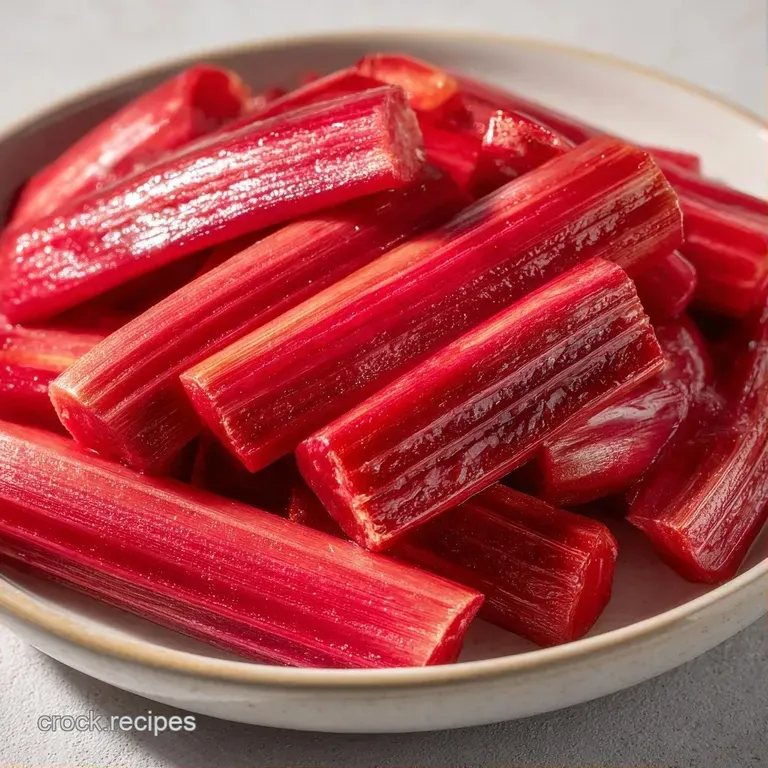
Fruit Geometry: Slicing the rhubarb into exactly 1/2 inch pieces ensures they cook through at the same rate the custard sets.
But what about the crust? If you're making your own, I highly recommend checking out the crust guides at King Arthur Baking to make sure your dough is flaky and chilled. A cold crust is the only way to avoid that dreaded shrink back in the oven.
| Method | Prep Effort | Texture | Best For |
|---|---|---|---|
| Fresh Rhubarb | Medium | Jammy & Tart | Traditional taste |
| Frozen Rhubarb | Low | Softer/Juicier | Quick winter bakes |
| Canned Rhubarb | Very Low | Syrupy | Maximum sweetness |
Right then, before we get into the tools, let's look at what's actually happening inside the filling.
The Component Breakdown
| Ingredient | Science Role | Pro Secret |
|---|---|---|
| Evaporated Milk | Stability | Prevents the custard from breaking or "leaking" |
| All Purpose Flour | Binding | Keeps the rhubarb from sinking to the very bottom |
| Eggs | Structure | Provides the lift and the velvety mouthfeel |
| Rhubarb | Acidity | Cuts through the sugar and fat of the milk |
Ingredients and Smart Swaps
You'll need a few specific things for this to work. Don't bother with low-fat milk or egg substitutes, as the fat is what gives this its hearty, comforting feel.
- 1 (9 inch) unbaked pie crust (450g) Why this? Provides a buttery, flaky base to hold the custard
- 3 cups fresh rhubarb, sliced into 1/2 inch pieces (450g) Why this? Fresh stalks have the best tart snap
- 1 cup granulated sugar (200g) Why this? Balances the natural acidity of the rhubarb
- 3 large eggs Why this? Essential for the custard to set properly
- 1 can (12 oz) evaporated milk (354ml) Why this? More concentrated than regular milk, prevents weeping
- 3 tbsp all purpose flour (42g) Why this? Thickens the fruit juices slightly
- 1 tsp vanilla extract (5ml) Why this? Rounds out the tartness with warmth
- 1/4 tsp salt (1.25g) Why this? Enhances all the other flavors
- 1/2 tsp ground cinnamon (2.5g) Why this? Adds that classic autumnal aroma
- 1 tbsp melted butter (15g) Why this? Gives the crust a professional, golden sheen
If you're out of something, here's how to handle it:
| Original Ingredient | Substitute | Why It Works |
|---|---|---|
| Evaporated Milk | Whole Milk + 1 tbsp cornstarch | Similar fat, but less stable. Note: May be slightly softer |
| Granulated Sugar | Maple Syrup (1/2 cup) | Adds a deep, woody flavor. Note: Makes the custard thinner |
| Fresh Rhubarb | Frozen Rhubarb (thawed/drained) | Same flavor. Note: Squeeze out excess water first |
| All Purpose Flour | Cornstarch (1 tbsp) | Stronger binder. Note: Can make the texture slightly more "gel like" |
The Necessary Kitchen Tools
You don't need a professional kitchen for an Easy Rhubarb Custard Pie, but a few things make it way easier. I use a standard 9 inch pie plate, but a glass one is better so you can see if the bottom crust is browning too fast.
For the mixing, a large bowl and a whisk are non negotiable. I've tried using a fork, but you'll end up with flour lumps that are a nightmare to get out once the milk is in. A rubber spatula is also great for smoothing the custard over the fruit.
Finally, grab a baking sheet. I always place my pie plate on a rimmed sheet. If the buttered crust bubbles over or the custard splatters, you won't be scrubbing your oven floor for an hour.
Step by step Baking Guide
Let's crack on. Follow these steps and pay attention to the sensory cues, especially that "wobble" at the end.
- Wash and dry the rhubarb stalks thoroughly. Slice them into uniform 1/2 inch pieces and spread them evenly across the bottom of the unbaked pie shell. Note: Uniform slices prevent some pieces from being mushy while others are raw.
- In a large bowl, beat the eggs and sugar until pale. Whisk for about 2-3 minutes until the mixture looks creamy and light.
- Stir in the flour, cinnamon, and salt until no lumps remain. Note: Mixing the flour into the egg sugar paste first prevents clumping.
- Slowly pour in the evaporated milk and vanilla extract, whisking until the mixture is smooth and cohesive.
- Pour the custard mixture over the rhubarb, smoothing the top with a spatula.
- Place the pie plate on a baking sheet and bake at 350°F (175°C) for 45–55 minutes.
- Watch for the edges to become golden brown. The center should have a slight wobble when you gently shake the pan, but it shouldn't look liquid.
- Remove from the oven. Brush the crust with melted butter if desired. Note: This adds a final layer of richness and a beautiful shine.
- Let the pie cool completely on a wire rack before slicing.
Chef's Tip: For an even more velvety finish, strain your custard mixture through a fine mesh sieve before pouring it over the rhubarb. This catches any tiny bits of unmixed flour or egg white.
Fixing Common Custard Issues
The most frustrating thing about this recipe is when the custard doesn't behave. Usually, it's a temperature or moisture issue. If your pie feels too soft, you likely pulled it out too early. The "wobble" is key, but it should be a slow, heavy jiggle, not a splash.
Troubleshooting Common Issues
| Issue | Solution |
|---|---|
| Why Your Custard Is Rubbery | This happens when the eggs are overcooked. If the oven is too hot or you bake it past the 55 minute mark, the egg proteins tighten too much. The result is a texture more like a frittata than a cream. |
| Why Your Crust Is Soggy | Soggy bottoms usually come from too much moisture at the base. |
| Why Your Filling Cracked | Cracks on top usually happen from over beating the eggs (incorporating too much air) or cooling the pie too quickly in a cold draft. |
Common Mistakes Checklist:
- ✓ Did you dry the rhubarb after washing?
- ✓ Did you whisk the eggs and sugar until pale?
- ✓ Is the oven actually at 350°F?
- ✓ Did you let it cool completely before cutting?
- ✓ Did you use evaporated milk instead of regular milk?
Variations for Every Taste
Once you've mastered the Easy Rhubarb Custard Pie, you can start playing with the flavors. If you find the rhubarb a bit too tart, you can create a Strawberry Rhubarb Custard Pie by swapping one cup of rhubarb for one cup of sliced strawberries. The berries add a mellow sweetness that balances the zing.
For those who want to avoid the dough, a Crustless Rhubarb Custard Pie is totally doable. Just grease a pie dish heavily with butter or use a parchment liner. It'll be more like a baked custard tart, but just as satisfying.
If you love the creamy texture of this dish, you might also enjoy a Classic Rice Pudding for another hearty, comforting dessert. Or, for something totally different but equally cinnamon forward, try Cinnamon Applesauce Muffins for a morning treat.
Adding a Citrus Twist
A pinch of lemon zest stirred into the custard adds a bright, high note that makes the rhubarb pop. If you're feeling bold, replace the vanilla extract with almond extract for a more "bakery style" flavor.
Switching the Milk Base
While evaporated milk is the gold standard here, you can use heavy cream for a much richer, denser pie. Just be aware that it will be significantly more filling and less "bright" than the original version.
Adjusting the Batch Size
Scaling a custard is a bit trickier than scaling a cake because the bake time doesn't always double just because the ingredients do.
Scaling Down (Half Batch): If you're using a smaller 6 inch pan, cut everything in half. Since you can't easily halve an egg, beat one egg in a cup and use half of the liquid. Reduce the bake time by about 20%, starting to check for the wobble around 35-40 minutes.
Scaling Up (Double Batch): If you're making two pies, don't just double the cinnamon and salt, increase those by about 1.5x instead, as spices can become overpowering in large volumes. Bake the pies on two different racks, but swap their positions halfway through to ensure even browning.
Baking Large Quantities: If you're cramming multiple pies into one oven, the temperature might drop. Lower the heat to 325°F (160°C) and extend the bake time by 10-15 minutes. This prevents the edges from burning before the centers are set.
Debunking Pie Myths
You'll hear a lot of "rules" about rhubarb pies, but some of them are just noise.
Myth: You need to pre cook rhubarb to prevent a soggy crust. Truth: You don't need to. If you slice the rhubarb to 1/2 inch and use a binder like flour in your custard, the fruit will cook perfectly in the oven without releasing a flood of juice.
Myth: Using a "blind bake" is mandatory for custard pies. Truth: While blind baking helps, it's not necessary for this specific recipe. The custard is thick enough that it doesn't soak the crust instantly, and the 55 minute bake time is plenty to cook the bottom dough.
Myth: Condensed milk is the same as evaporated milk. Truth: They are completely different. Condensed milk is sweetened and thick; evaporated milk is unsweetened and concentrated. Using condensed milk here would make the pie cloyingly sweet and likely ruin the set.
Storage and Reheating Tips
An Easy Rhubarb Custard Pie is best served slightly chilled or at room temperature. Because of the high moisture content in the custard, you need to be careful with how you store it.
Fridge Storage: Keep the pie in the refrigerator covered with a loose piece of foil or a cake dome. It'll stay fresh for about 3 to 4 days. Any longer and the crust will start to absorb moisture from the filling and lose its crunch.
Freezing: You can freeze this pie, but it's not ideal. The custard can sometimes separate slightly upon thawing. If you must, freeze it for up to 2 months. Thaw it slowly in the fridge overnight before eating.
Reheating: To bring back some of that oven fresh warmth, pop a slice in the oven at 300°F (150°C) for 5-8 minutes. Avoid the microwave, as it will make the custard rubbery and the crust soggy.
Zero Waste Tip: Don't throw away the ends of your rhubarb stalks! While the leaves are toxic (containing oxalic acid) and must be discarded, the woody ends of the stalks can be simmered in a small pot with water and sugar to make a simple syrup for cocktails or pancakes.
What to Serve Alongside
This pie is rich and tart, so it needs something to balance it out. I always recommend a dollop of Homemade Whipped Cream on top. The cool, airy sweetness of the cream is the perfect foil for the warm, jammy rhubarb.
If you want something a bit more substantial, a scoop of high-quality vanilla bean ice cream is the classic choice. The way the ice cream melts into the warm custard creates a velvety sauce that's honestly a bit addictive.
For a less sugary option, a handful of fresh berries on the side can add a bit of brightness. Just keep it simple, the pie is the star of the show here, so don't overcomplicate the plate.
Recipe FAQs
What is the secret to a smooth custard pie?
Beat the eggs and sugar until pale and avoid overbaking. Whisking for 2-3 minutes creates a light texture, while removing the pie when the center still has a slight wobble prevents the eggs from becoming rubbery.
What is a good pie for diabetics?
Try a sugar-free alternative. Since this recipe uses granulated sugar, a keto pumpkin pie is a much better option for those managing blood sugar.
How do I make a rhubarb custard pie?
Wash and dry the rhubarb stalks thoroughly. Slice them into 1/2 inch pieces in an unbaked crust, pour over a whisked mixture of eggs, sugar, flour, and evaporated milk, then bake at 350°F for 45–55 minutes.
How do you keep a rhubarb pie from being runny?
Dry the sliced rhubarb completely before adding it to the crust. Removing surface moisture prevents the bottom from becoming soggy, while the flour in the custard helps bind the juices during baking.
What's your best recipe for rhubarb pie?
The custard-based version is the gold standard. Using evaporated milk and eggs creates a creamy barrier that mellows the intense tartness of the rhubarb better than a traditional fruit-only filling.
What makes rhubarb taste sweet in a rhubarb pie?
Granulated sugar balances the natural acidity. The sugar neutralizes the sharp tartness of the rhubarb stalks as they soften in the oven.
What can I make with rhubarb besides pie?
Simmer the stalks into a compote or jam. Cooking rhubarb with sugar over medium heat creates a versatile topping for yogurt, oatmeal, or pancakes.
Easy Rhubarb Custard Pie for 8 Servings