Baked Shrimp Scampi: the 25-Minute Lemon Garlic Crowd-Pleaser
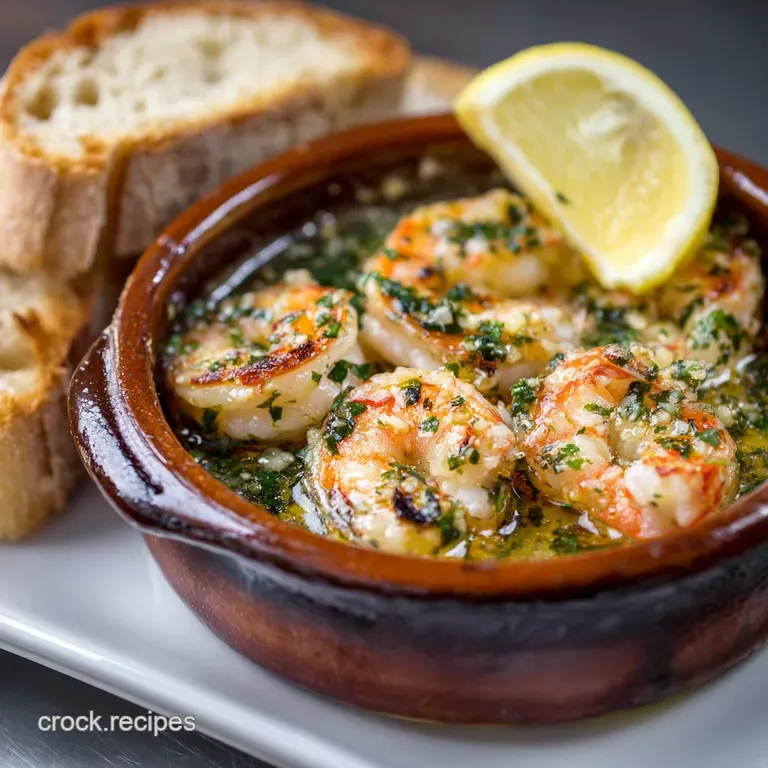
- The Ultimate 20 Minute Lemon-Garlic Baked Shrimp
- Achieving Succulent Texture: The Science of over High heat Shrimp Baking
- Essential Components: Ingredients for Perfect Baked Shrimp and Smart Swaps
- How to Bake Shrimp: The Chef's Step-by-Step Method
- Chef’s Troubleshooting: Avoiding Common Baked Shrimp Mistakes
- Storage and Longevity: Keeping Your Cooked Shrimp Fresh
- The Best Accompaniments for Lemon-Garlic Baked Shrimp
- Recipe FAQs
- 📝 Recipe Card
The Ultimate 20 Minute Lemon Garlic Baked Shrimp
The smell alone is enough to stop traffic, seriously. Imagine that intense, garlicky butter hitting the high heat of the oven. When these jumbo shrimp start baking, the aroma fills every single corner of your house, promising an incredibly succulent and vibrant dish.
This [Easy Baked Shrimp] recipe is my absolute weeknight lifesaver. It honestly takes less than 25 minutes, start to finish, which is often faster than deciding what to order for delivery.
Plus, it’s perfectly aligned with [Healthy Low Carb Dinners], making it a guilt free powerhouse of flavor that costs way less than the restaurant version.
I’ve tried every method out there, from quick sautés to slow simmers, but nothing beats the oven for consistency and ease. Trust me when I say this technique guarantees plump, tender, restaurant quality results every single time. Let's crack on and nail the perfect [Baked Shrimp] tonight.
Achieving Succulent Texture: The Science of over High heat Shrimp Baking
Effortless Dinner vs. Fancy Appetizer: Why This Recipe Works for Both
The beauty of baking is its hands off approach. You toss everything, spread it out, and the oven does all the heavy lifting for you while you set the table. This simplicity means it works beautifully for a casual family meal or as an elegant appetizer like a sophisticated [Baked Shrimp Scampi] served with crusty bread for dipping.
It's flavor without the fuss.
Why Baking is Superior to Sautéing for Large Batches
When you try to sauté a large quantity of shrimp in a pan, the temperature instantly drops, and the liquid the shrimp releases turns the whole process into steaming. You end up with grey, watery shrimp.
Baking, however, allows you to spread the shrimp in a single, glorious layer where the heat can surround each piece evenly. This prevents steaming and guarantees a perfect, fast cook.
Navigating the 'Jumbo vs. Large' Shrimp Debate
Go big, friend. Using Colossal or Jumbo shrimp (16/20 count per pound) is non-negotiable here. Smaller shrimp cook incredibly fast, making them much easier to accidentally overcook and turn rubbery. The larger size gives you a wider window of perfect tenderness and a more satisfying bite.
The Maillard Reaction and Shrimp: Getting that Perfect Surface Pink
The high heat of 400°F (200°C) is key because it promotes rapid surface browning, even on delicate proteins like shrimp. We aren't looking for dark caramelization, but the quick, intense heat helps set the surface protein structures quickly, giving you that beautiful opaque pink color and a firm, pleasant texture.
Always make sure your shrimp are patted bone dry before mixing.
The Role of Acid (Lemon) in Flavor Brightness and Marinade Time
Lemon juice provides the essential brightness needed to balance the richness of the butter and garlic. However, acid is tricky with delicate seafood. I once marinated raw shrimp for 30 minutes, thinking it would be awesome; instead, the edges turned mealy and weird.
The solution is to toss the shrimp immediately before baking. The lemon brightens the flavor without denaturing the proteins prematurely.
Mastering the Garlic Butter Emulsion for Maximum Coating
We melt the butter just enough to liquefy it, then whisk in the lemon juice and zest. The tiny bit of moisture helps hold the minced garlic and seasonings in a light emulsion that clings to the shrimp instead of running right off. You get that amazing flavor coating on every single piece.
Essential Components: Ingredients for Perfect Baked Shrimp and Smart Swaps
This recipe relies on a few high impact ingredients. Don't be tempted to skimp on the fresh stuff; it makes all the difference.
Selecting the Best Shrimp: P&D vs. Shell-On for Baking
For this specific [Baked Shrimp Recipe], I recommend peeled and deveined (P&D) shrimp, but I insist on tail-on . Leaving the tail makes the presentation look fantastic, and it actually gives you a little handle for dipping!
If you use shell-on shrimp, the sauce won't fully penetrate the meat, but they will stay marginally more juicy if you tend to overbake.
The Ideal Fat: Clarified Butter vs. Ghee vs. Olive Oil
I prefer unsalted butter because it delivers that classic scampi richness. If you are aiming for a purely [Ketogenic Recipes] friendly dish, clarified butter (ghee) is even better because it has a higher smoke point, leading to less chance of burning the solids.
You can absolutely use olive oil, just use slightly less (3 Tbsp total) for a lighter, dairy-free version.
Fresh vs. Jarred Garlic: Maximizing Aroma and Preventing Burning
Please, use fresh garlic. Jarred stuff tastes harsh and can easily burn at 400°F (200°C), turning bitter. Finely mince four big cloves; the aroma is essential for this recipe. If you must use powder, use 1 teaspoon of garlic powder stirred into the butter instead.
Zest, Juice, and Parsley: Understanding the Freshness Trifecta
The zest contains the concentrated lemon oils and flavor don't skip it! The juice provides the balancing acidity. The fresh parsley tossed on at the end isn't just decoration; its bright, slightly grassy flavor cuts through the fat beautifully.
| If you don't have... | Try using... | Notes |
|---|---|---|
| Unsalted Butter | Olive Oil or Ghee | Use 3 Tbsp (45ml) of oil for a dairy-free version. |
| Fresh Garlic | 1 tsp Garlic Powder | Use the powder sparingly; it is much stronger. |
| Fresh Parsley | Fresh Chives or Cilantro | Chives offer a milder, oniony kick. |
How to Bake Shrimp: The Chef's step-by-step Method
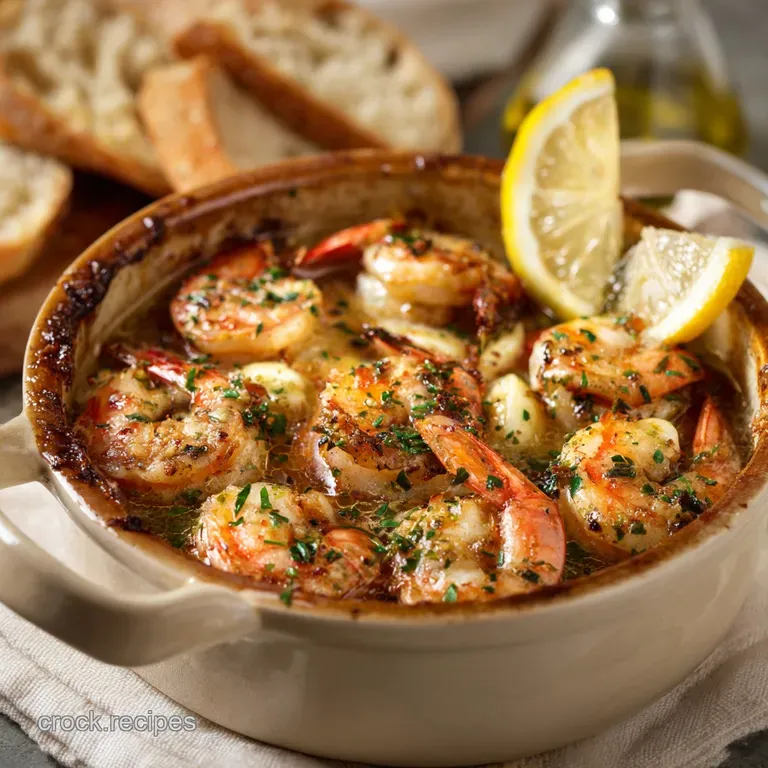
Preparing the Zesty Garlic Butter Marinade
First, preheat that oven to 400°F (200°C) and line your baking sheet with foil for a true kitchen game changer clean-up. Next, melt your butter gently. Whisk in the minced garlic, lemon zest, lemon juice, salt, pepper, and dried oregano.
In a large bowl, place your 1 lb of thawed, very dry shrimp. Pour the entire butter mixture over the shrimp and toss gently until they are shimmering and fully coated.
Chef's Note: Tossing the shrimp in the marinade immediately before baking prevents the lemon juice from prematurely cooking or hardening the delicate seafood proteins. Timing is everything here!
Optimal Tray Arrangement for Even Cooking and Browning
Spread the marinated shrimp in a single layer across the prepared baking sheet. This part is crucial! If the shrimp are piled up or overlapping, they will steam instead of bake, resulting in that dreaded watery texture. Give them space to breathe and brown.
What Temperature and How Long to Bake Shrimp for Ideal Tenderness?
Bake the shrimp on the middle rack for 10 to 12 minutes exactly. You will start checking at the 10 minute mark. The shrimp is perfectly cooked when it has curled into a gentle 'C' shape and the flesh is uniformly opaque pink. Pull them out immediately; they carry over cook slightly.
The Final Garnish: Why Fresh Parsley Matters
Remove the tray from the oven. Spoon any remaining garlic lemon butter sauce from the pan right back over the shrimp. Garnish generously with the fresh chopped parsley. The fresh herb adds color and a beautiful pop of clean flavor that balances the richness.
Chef’s Troubleshooting: Avoiding Common Baked Shrimp Mistakes
Preventing Rubberiness: The Danger of Overbaking
Shrimp goes from perfectly tender to tough and rubbery in less than a minute. If your shrimp curls tightly into an "O" shape, it’s overcooked; the shape should be a loose "C." Set a timer and hover near the oven around the 9 minute mark, just to be safe.
Peeling vs. Not Peeling: A Texture and Flavor Comparison
We already agreed on P&D (peeled and deveined) for maximum flavor absorption. While cooking with the shell on does provide an extra layer of moisture protection, peeling them beforehand ensures that the glorious lemon garlic butter actually touches the meat you are going to eat.
The Salt Strategy: When to Season for Maximum Flavor
Season with salt during the marinade mixing phase. Shrimp benefit from salt early on to enhance their natural sweetness. Don't wait until the end; the salt needs a few minutes to dissolve into that butter and really penetrate the flesh during the baking process.
Storage and Longevity: Keeping Your Cooked Shrimp Fresh
Safely Storing Leftover Baked Shrimp
If you miraculously have leftovers, transfer the cooked shrimp and the remaining pan sauce into an airtight container. Refrigerate immediately. Cooked shrimp keeps safely in the fridge for up to three days.
Best Practices for Reheating Without Drying Out
Do not microwave! That is a one-way ticket to rubber city. Reheat leftovers gently in a sauté pan over low heat for 2- 3 minutes, stirring constantly until just warmed through, or place them in a 300°F (150°C) oven for about 5 minutes.
The low and slow method preserves the tenderness.
Freezing Raw Marinated Shrimp (The Prep Ahead Trick)
You can freeze the raw shrimp after they have been tossed with the marinade for up to one month! Place the coated shrimp flat on a baking sheet, freeze for two hours, then transfer them to a freezer bag. Thaw them completely in the fridge and bake as directed. This makes weeknight cooking even easier.
The Best Accompaniments for Lemon Garlic Baked Shrimp
This dish is a versatile star, ready to anchor any meal. Serve it simply with rice to soak up that beautiful pan sauce, or pair it with a crisp green salad.
If you are craving some baked comfort to serve alongside this, my recipe for Ham Loaf Recipe: Classic Baked Comfort with Tangy Brown Sugar Glaze offers a savory, sweet contrast. Alternatively, for a different high impact weeknight dish, check out the pure cheesy bliss of my Chicken Parmesan Meatballs: Baked, Bubbly, and Gloriously Cheesy .
Finally, because every great meal needs a finish, why not try something unexpected but still delightfully baked? My recipe for Raspberry Thumbprint Donuts: Baked Cake Recipe with Lemon Glaze uses a bright lemon glaze that echoes the citrus flavors of the shrimp. It's the perfect light, zesty dessert.
Recipe FAQs
Why did my baked shrimp turn out tough or rubbery?
Shrimp cooks very quickly, especially at the high temperatures used for baking. Overcooking is the primary cause of a rubbery texture; shrimp should only cook until they curl and turn fully opaque pink, which usually takes 10 to 12 minutes maximum.
Use a reliable oven thermometer and check your shrimp promptly to avoid this common mistake.
Can I use oil instead of butter in this Lemon Garlic recipe?
Yes, you can substitute high-quality olive oil or clarified butter (ghee) for the melted butter for a dairy-free alternative. While the substitution works well, note that butter provides a unique richness and depth of flavor that complements the lemon and garlic especially well.
For the best of both worlds, use a half butter, half oil mixture.
Do I need to thaw frozen shrimp before baking?
While you technically can bake frozen shrimp, it will release excess water during cooking, diluting the intensity of the lemon garlic butter sauce. For the absolute best flavor and texture, it is highly recommended to fully thaw the shrimp and pat them completely dry with paper towels before marinating and baking.
What size of shrimp works best for this baked recipe?
We highly recommend using jumbo or extra large shrimp (counts typically U/15 or 16/20 per pound) as they stand up better to the heat. Smaller shrimp will cook much faster and risk drying out before the butter sauce has sufficiently infused the flavors. Always adjust the baking time down if you use a smaller size.
How long should I marinate the shrimp before baking?
Marinate the shrimp for at least 15 minutes to ensure they absorb the zesty flavor profile, but absolutely no longer than 30 minutes. The acidity in the fresh lemon juice will start to chemically "cook" the delicate shrimp proteins if left too long, resulting in a slightly mushy or grainy texture after baking.
My baked shrimp tasted a little bland. How can I boost the flavor?
Blandness usually stems from insufficient seasoning or a weak marinade. Ensure you use plenty of high-quality salt and pepper before baking, and always use fresh lemon juice rather than bottled concentrate.
For a stronger garlic presence, mince or press the cloves rather than slicing them, allowing more flavor to release into the butter.
What is the best way to store and reheat leftover baked shrimp?
Store cooled leftovers in an airtight container in the refrigerator for up to 3 days. To reheat, gently warm them in a skillet over medium low heat or quickly in the oven until just heated through. Avoid using the microwave, as it tends to make the pre-cooked shrimp very chewy and rubbery.
Lemon Garlic Baked Shrimp
Ingredients:
Instructions:
Nutrition Facts:
| Calories | 485 kcal |
|---|---|
| Protein | 31.5 g |
| Fat | 26.7 g |
| Carbs | 26.2 g |
