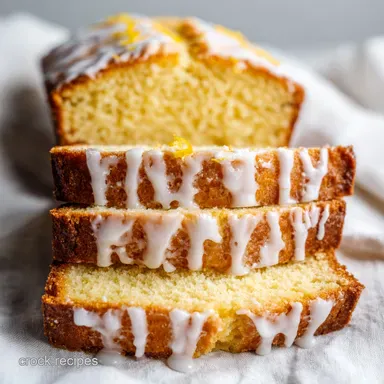
Lemon Pound Cake: Foolproof and Moist
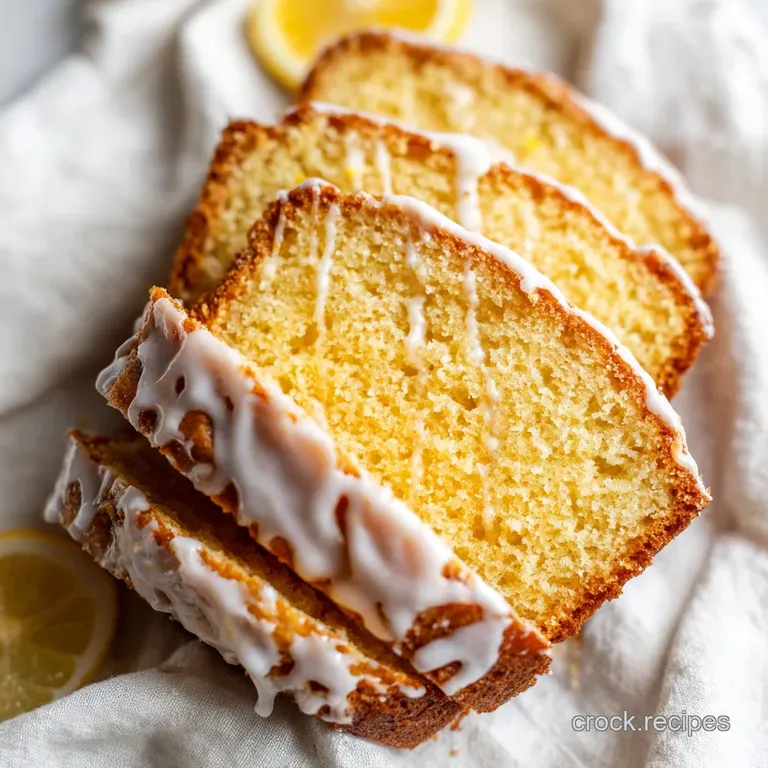
- Time:20 minutes active + 75 minutes bake = Total 95 minutes
- Flavor/Texture Hook: Zesty, buttery, and velvety with a shatter thin glaze
- Perfect for: Sunday brunch, spring showers, or a satisfying afternoon treat
- Baking the Best Lemon Pound Cake
- The Secret to Velvety Crumbs
- Choosing Your Best Ingredients
- Essential Tools for Baking
- Creating the Zesty Batter
- Fixing Common Baking Errors
- Troubleshooting Common Issues
- Simple Dietary Changes
- Keeping Your Cake Fresh
- Perfect Pairings for Dessert
- Debunking Baking Myths
- Recipe FAQs
- 📝 Recipe Card
Baking the Best Lemon Pound Cake
The moment you rub fresh lemon zest into granulated sugar, something magic happens. That sharp, citrusy aroma fills the kitchen, smelling like a sunny morning in a grove. It's a scent that immediately tells everyone in the house that something special is happening in the oven.
I remember making this for a family reunion where the humidity was so high the air felt like a wet blanket, but this cake stayed moist and bright, cutting right through the heaviness of the day.
Most people treat this as just another dessert, but it's really more of an occasion. Whether it's a quiet tea time or a big holiday spread, a Lemon Pound Cake has this way of grounding a table. It's not trying to be fancy with complicated layers or foams, just a hearty, satisfying slice of citrus heaven.
You can expect a cake that feels substantial in your hand but melts the moment it hits your tongue. We're going for a tight, velvety crumb and a punchy glaze that makes your mouth water. Trust me, once you add the cream cheese and sour cream, you'll never go back to the basic butter and flour versions.
The Secret to Velvety Crumbs
Right then, let's talk about why this actually works. A lot of cakes are just "fluffy," but a true pound cake should be satisfyingly dense without feeling like a brick.
- Zest Infusion: Rubbing zest into sugar releases essential oils that would otherwise just float in the batter, intensifying the citrus punch.
- Fat Stability: Using both butter and cream cheese creates a more stable structure, preventing the cake from collapsing.
- Acidic Tenderizing: Sour cream adds acidity which breaks down some of the gluten, ensuring the crumb stays velvety rather than chewy.
- Emulsion Control: Adding eggs one by one prevents the batter from breaking, keeping the air bubbles evenly distributed.
Since you might be deciding between different pan styles, I've put together a quick guide to help you pick the right vibe for your bake.
| Method | Time | Texture | Best For |
|---|---|---|---|
| Bundt Pan | 75 min | Classic crusty edges | Centerpiece parties |
| Loaf Pan | 65-75 min | Higher ratio of crust | Casual slices |
| Mini Loaves | 40-50 min | Extra crispy exterior | Gift giving |
It's all about how much surface area you want exposed to the heat. A Bundt pan gives you those beautiful ridges that catch the glaze, while a loaf is just easier for a quick Tuesday treat.
Choosing Your Best Ingredients
I've learned the hard way that "room temperature" isn't a suggestion, it's a requirement. If your butter is too cold, it won't trap air; if it's melted, your cake will be flat. According to King Arthur Baking, the temperature of your fats directly impacts the aeration of the batter.
| Ingredient | Science Role | Pro Secret |
|---|---|---|
| Unsalted Butter | Structural Fat | Use European style butter for more richness |
| Cream Cheese | Stability/Tang | Soften it exactly like the butter to avoid lumps |
| All Purpose Flour | Framework | Sift it twice for a lighter, more professional feel |
| Sour Cream | Moisture/Acid | Full fat only - low fat will make the cake gummy |
For the Cake Batter
For the butter and cream cheese, I recommend leaving them on the counter for about two hours. If you're in a rush, you can microwave them for 5-10 seconds, but be careful not to let them melt. The goal is a texture that feels like soft clay when you press it.
For the Zesty Glaze
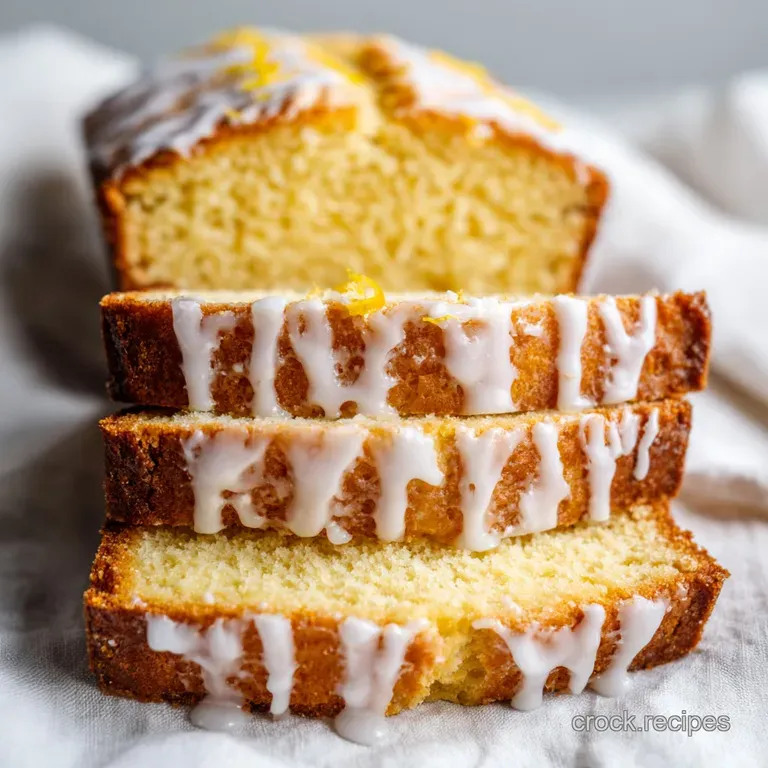
The glaze is where we add that final hit of brightness. Using powdered sugar creates a smooth, velvety coating that sets quickly. I always add a pinch of extra zest at the very end to give it those beautiful little yellow specks that look great in photos.
Essential Tools for Baking
You don't need a professional kitchen, but a few specific tools make this a breeze. I use a stand mixer such as KitchenAid for the creaming stage because it's much more consistent than hand mixing. If you don't have one, a hand mixer works, just be ready to do a bit more arm work.
For the pan, a heavy duty aluminum Bundt pan is the gold standard. It distributes heat more evenly than thin steel, which prevents the edges from burning before the middle is set. I also highly suggest a fine mesh sieve for the flour, as clumps are the enemy of a smooth crumb.
Finally, grab a digital thermometer if you have one. While the toothpick test is classic, knowing your cake has hit that internal sweet spot is a real confidence booster.
Creating the Zesty Batter
Let's crack on with the actual process. Pay attention to the smells here, as they are your best cues that you're on the right track.
Phase 1: The Flavor Base
- Preheat oven to 325°F (160°C). Grease and flour a 10 cup Bundt pan or 9x5 inch loaf pan thoroughly. Note: Use a pastry brush to get into every ridge of a Bundt pan.
- In a large bowl, combine the granulated sugar and lemon zest. Use your fingertips to rub the zest into the sugar until it smells intensely citrusy and looks slightly damp.
- Cream in the softened butter and cream cheese. Beat on medium high until the mixture is pale, fluffy, and looks like whipped cream.
Phase 2: The Batter Build
- Add eggs one at a time. Beat well after each addition until the egg is fully incorporated and no streaks remain. Note: This prevents the batter from curdling.
- Stir in the sour cream, vanilla extract, and lemon juice. Mix on low until just combined and velvety.
- In a separate bowl, whisk together the sifted all purpose flour, baking powder, and salt.
- Gradually add the dry ingredients to the wet ingredients. Mix on low speed until the streaks of flour just disappear. Note: Stop immediately; overmixing makes the cake tough.
Phase 3: The Bake & Glaze
- Pour the batter into the prepared pan and smooth the top. Bake for 65-75 minutes until a toothpick inserted into the center comes out with a few moist crumbs.
- Cool the cake in the pan for 10 minutes. This allows the structure to set so it doesn't break when you flip it.
- Invert onto a wire cooling rack. While the cake is still slightly warm, whisk together powdered sugar, lemon juice, and lemon zest. Drizzle the glaze evenly over the top until it drips down the sides in thick, white ribbons.
Chef's Tip: For an even more intense flavor, try freezing your butter for 10 minutes before grating it into the mixer. It creates smaller fat particles and a more uniform crumb.
Fixing Common Baking Errors
Even the best of us have cakes that don't go as planned. Usually, it comes down to temperature or timing. If your cake comes out a bit off, don't panic, it's usually an easy fix for next time.
Troubleshooting Common Issues
| Issue | Solution | ||
|---|---|---|---|
| Why Your Cake Sinks in the Middle | This usually happens because the oven door was opened too early, letting out the heat, or the baking powder was expired. It can also be a sign of over creaming the butter, which traps too much air tha | ||
| Why Your Crumb Feels Dry | Dryness is almost always a result of over baking. Even five extra minutes in a 325°F oven can strip the moisture from a pound cake. Always trust the toothpick over the timer. | ||
| Why the Cake Sticks to the Pan | If you didn't grease the pan enough or if you tried to flip it while it was piping hot (or completely cold), it might cling. The 10 minute window is the "magic zone" for releasing. | Problem | Root Ca |
Simple Dietary Changes
I've had a few friends ask if they can tweak this for different needs. While the cream cheese is what makes this a "luxury" cake, you can still get great results with a few swaps. If you're looking for something a bit different, you might enjoy my lemon zucchini cake recipe which adds a nice vegetable boost.
| Original Ingredient | Substitute | Why It Works |
|---|---|---|
| Sour Cream (1/2 cup) | Greek Yogurt (plain, full fat) | Similar acidity and thickness. Note: Slightly tangier flavor |
| All Purpose Flour | 1:1 gluten-free Flour Blend | Mimics structure. Note: Crumb will be slightly more fragile |
| Unsalted Butter | Vegan Butter Sticks | Similar fat content. Note: Ensure it's a stick version, not tub |
For a "Ritz Carlton" Luxury Finish
To get that high end hotel feel, brush the warm cake with a simple syrup made of equal parts lemon juice and sugar before adding the glaze. It locks in moisture and adds a professional sheen to the crust.
For a Lighter Loaf Style
If you want a less dense cake, you can replace the cream cheese with an extra 1/2 cup of sour cream. It'll be less "sturdy" but a bit more tender.
Keeping Your Cake Fresh
A Lemon Pound Cake actually tastes better on day two because the citrus flavors have time to meld. But you have to store it right, or the crust will get sticky.
- Fridge
- Wrap the cake tightly in plastic wrap and store for up to 5 days. Let it come to room temperature before serving for the best texture.
- Freezer
- Slice the cake first, then wrap each slice in parchment paper and place them in a freezer bag. They'll stay fresh for 3 months.
- Reheating
- Pop a frozen slice in the microwave for 10-15 seconds or toast it lightly in a pan with a tiny bit of butter for a "dessert toast" vibe.
As for zero waste, don't throw away the leftover lemon rinds after zesting! You can toss them into a jar of white vinegar for two weeks to make a powerful, natural citrus cleaner for your countertops. If you have leftover glaze, it makes a great dip for fresh strawberries.
Perfect Pairings for Dessert
Because this cake is so rich, it needs something to cut through the butter. I love serving a slice with a dollop of unsweetened whipped cream and a handful of fresh raspberries. The tartness of the berries plays perfectly with the sweetness of the glaze.
For a drink, a strong Earl Grey tea is the classic choice. The bergamot in the tea echoes the citrus in the cake. If you're in the mood for another treat, my English tea cakes recipe is a great companion for a lighter afternoon snack.
Honestly, if you're feeling really indulgent, serve it warm with a scoop of high-quality vanilla bean ice cream. The way the ice cream melts into the warm, zesty crumb is just pure comfort food.
Debunking Baking Myths
There's a lot of noise out there about pound cakes, so let's clear a few things up.
Myth: You must use a specific "pound" of every ingredient. The original recipes used a pound of butter, sugar, eggs, and flour. But modern baking is about ratios, not weights. Adding cream cheese and sour cream improves the texture without ruining the "pound cake" identity.
Myth: Sifting flour is just for show. In a cake this dense, sifting is vital. It removes lumps and incorporates air, which prevents the cake from becoming a heavy block. It's the difference between a velvety crumb and a grainy one.
Myth: Room temperature eggs don't matter. They actually matter a lot. Cold eggs can cause the creamed butter to seize up, breaking your emulsion. If your emulsion breaks, you'll see little beads of fat in your batter, and your cake won't rise evenly.
Recipe FAQs
What is the secret to making a good pound cake?
Use room temperature ingredients. This ensures the butter, eggs, and sour cream emulsify properly, which prevents the batter from breaking and ensures a smooth texture.
What is the secret to a good lemon cake?
Rub the lemon zest into the sugar. This releases the aromatic oils for a much more intense citrus flavor. If you love this bright flavor balance, see how we use similar acidity in our lemon chicken gnocchi.
What are some common mistakes to avoid when making pound cake?
Avoid opening the oven door too early. This lets out critical heat and can cause the center to collapse. You should also avoid over-mixing the flour to prevent a tough, bread-like crumb.
Why add sour cream to a pound cake?
It adds moisture and a slight tang. The fat in the sour cream creates a tender crumb, while the acidity helps balance the sweetness of the granulated sugar.
How to store the cake to keep it moist?
Wrap the cooled cake tightly in plastic wrap. Store it at room temperature for up to three days to keep the slices from drying out.
Is it true that I must cream the butter for 10 minutes to get a high rise?
No, this is a common misconception. Over-creaming the butter incorporates too much air, which often leads to the cake sinking in the middle during baking.
Why did my lemon pound cake sink in the middle?
Check your baking powder for freshness. Expired leavening agents or opening the oven door too early are the primary reasons the structure fails and the center drops.
Lemon Pound Cake with Cream Cheese