Oatmeal Cookie Pie Crust: Chewy Brown Sugar No-Fuss Foundation
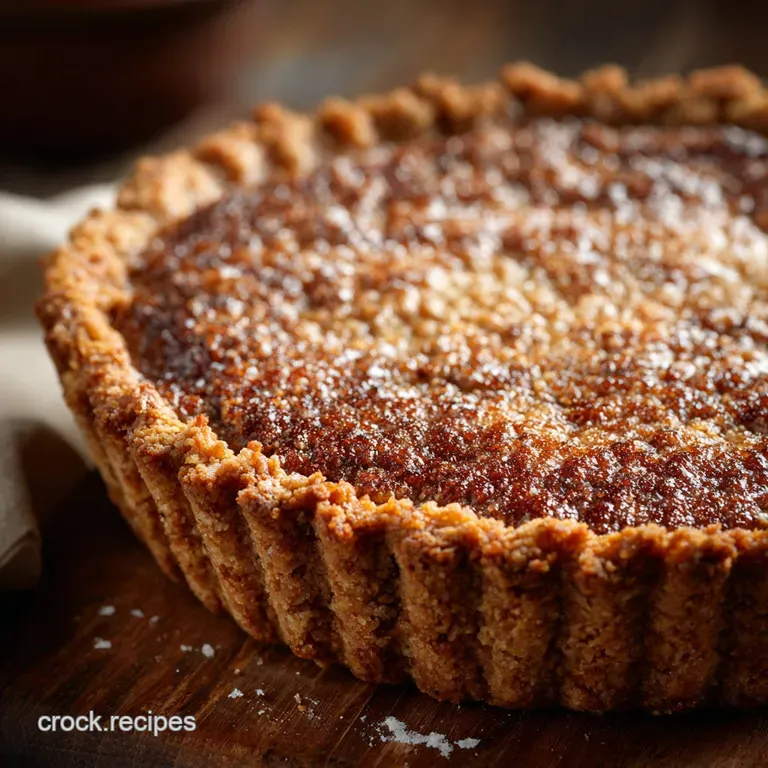
- Moving Beyond Pastry: Why This Chewy Oatmeal Cookie Pie Crust Is Essential
- Assembling Your Foundation: Essential Ingredients and Substitutions
- Mixing and Pressing the Oatmeal Cookie Pie Crust Dough
- Baking Times and Temperature: Achieving the Perfect Golden Base
- Mastering the Crust: Troubleshooting, Storage, and Variations
- Serving Suggestions and Dietary Notes for This Brown Sugar Base
- Recipe FAQs
- 📝 Recipe Card
Moving Beyond Pastry: Why This Chewy Oatmeal Cookie Pie Crust Is Essential
Listen, I’ve spent years fussing with shortcrust pastry. All that chilling, rolling, blind and baking with weights, only for the edges to shrink or the base to get soggy. Honestly? I’m over it. I mean, sometimes you just need a sturdy, flavourful foundation that practically makes itself.
That’s where this Oatmeal Cookie Pie Crust comes in. It is everything traditional pastry is not: forgiving, intensely flavourful, and requires zero finesse.
It tastes like the best parts of a classic oatmeal cookie warm cinnamon, deep molasses notes, and that satisfying chew but baked into a sturdy shell. This isn't just a shortcut. This is an upgrade.
The Culinary Advantage of a Chewy, Press and In Base
The main reason I adore this press and in style is the texture. Flaky pastry is great for a fruit lattice, sure, but if you’re making a creamy pudding pie, or anything with serious weight and moisture, you need something robust.
This crust stays chewy and firm, even when holding something notoriously wet, like, say, a custard filling. It resists that heartbreaking sogginess better than almost any flour and based crust because the oats and the melted butter create a dense, protective barrier.
It’s the perfect foil for sweet and creamy fillings. Sturdy, reliable, delicious. What more could you ask for?
Achieving Deep Molasses Flavour with Dark Brown Sugar
We are aiming for a classic oatmeal cookie flavour here, and that means we are ditching the white granulated sugar (mostly). Why? Because brown sugar is the secret ingredient for depth.
I specify light brown sugar in the recipe, but if you want to dial up that chewy, molasses note, swap it for dark brown sugar. That deep, caramel-y complexity just complements the cinnamon and toasted oats so beautifully.
It’s what transforms this from a basic crumb base into a true Oatmeal Pie Crust Recipe . Trust me, that extra little bit of molasses moisture makes a difference in both flavour and chewiness. If I’m making this for a holiday bake, I go dark brown every single time.
It just makes everything better.
Pairing the Crust: Sweet Fillings That Shine
Since this Oatmeal Cookie Pie Crust is already rich and flavourful, you need a filling that can hold its own.
Think creamy, tart, or super rich. It’s a spectacular base for anything from a classic Banoffee Pie to a rich chocolate mousse. But my absolute favourite use? Anything involving cream cheese.
Crucial Tip: If you are looking to make an incredibly smooth and sturdy Oatmeal Cheesecake Crust , this recipe works perfectly. Just blind bake it fully, let it cool, and pour your cheesecake batter right in.
The brown sugar and oats provide such a wonderful flavour counterpoint to the rich tang of the cheese.
Assembling Your Foundation: Essential Ingredients and Substitutions
Right then, let's crack on with the building blocks. You only need a few pantry staples, but paying attention to the type of oats you choose is non and negotiable for success.
Choosing the Right Oats for Optimal Crust Texture
I’m talking about quick and cooking oats here, not the old and fashioned, thick and cut rolled oats. Why? Texture, texture, texture.
If you use chunky rolled oats without processing them, your crust will look rustic (fine) but it might crumble more easily (not fine). The quick oats, or a mix where you’ve processed half the rolled oats into a coarse flour, ensure the fat binds properly.
When I first tried to figure out How To Make Oatmeal Pie Crust that held up, I used thick oats and the whole thing fell apart when sliced. Huge mistake. Stick to the quick oats for maximum success. They give you that essential fine grain while still tasting wonderfully oaty.
Balancing Fats and Sweeteners for Perfect Cookie Consistency
Unlike traditional flaky pastry, where the butter must be ice cold, this recipe requires melted butter. This is key. The melted fat coats the starch and sugar, allowing us to press the mixture into a solid block.
We use just enough flour to absorb the excess moisture and provide some structure, but the oats do most of the heavy lifting. The salt, meanwhile, is absolutely essential. Don't skimp on the salt, even if you're using salted butter (I still add a pinch more).
It cuts through the sweetness of the brown sugar, making the entire No and fuss Pie Crust Recipe taste balanced, not just sugary.
Necessary Tools for Dough Preparation (No Rolling Pin Required)
The best part about this whole process? You don't need fancy gear. You’re working mostly with a mixing bowl.
| Tool | Purpose |
|---|---|
| Large Mixing Bowl | Combining everything quickly. |
| Spatula/Wooden Spoon | Mixing until just combined. |
| 9 inch Pie Dish | The stage for the crust. |
| Flat and Bottomed Glass | The secret weapon for pressing. |
That's it. No dough bench. No pastry cutter. No fuss.
Mixing and Pressing the Oatmeal Cookie Pie Crust Dough
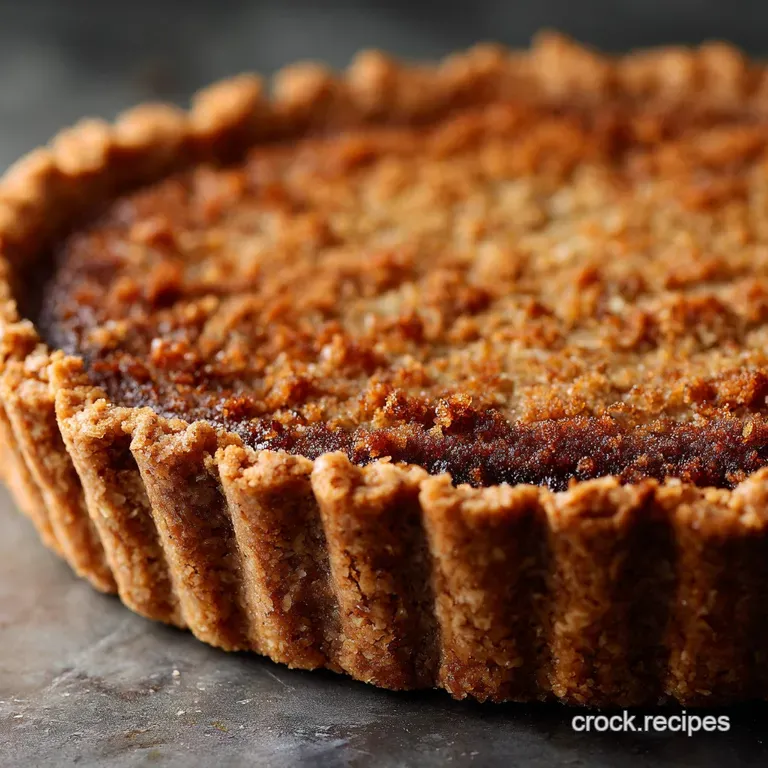
Seriously, this part takes ten minutes, tops. Once you’ve whisked the dry ingredients (the oats, flour, sugar, and spices), you simply pour in the melted butter and vanilla. Stir it until every dry bit is moistened. It should look like damp sand.
Now comes the most important part: pressing.
You absolutely must press this crust firmly . Don's just gently sprinkle it in. You are packing a foundation for a building here. Start with the sides, using your thumb and the curved back of a spoon to drive the mixture upwards and keep the height consistent. Then, attack the base.
Use that flat and bottomed glass or measuring cup to apply real, honest pressure. If you skip the pressure, your crust will be fragile and crumbly later.
Related Recipes Worth Trying
- Keto Cowboy Cookies Recipe Truly Decadent Chewy Low Carb Treat — Keto Cowboy Cookies are here Master this easy keto cookie recipe for a chewy nutty low carb treat Forget dry bakesthese are the best Keto Cowboy Cookies...
- Keto Maple Cookies Easy SugarFree Pecan Crunch Recipe — Keto Maple Cookies are the perfect low carb sweet treat These chewy sugarfree cookies feature rich caramel notes and satisfying pecan crunch Easy keto baking
- Cream Cheese Lime Pie The UltraCreamy NoBake Summer Dessert — This Cream Cheese Lime Pie is gloriously simple and utterly decadent Enjoy this nobake cream cheese key lime pie recipethe perfect easy summer dessert
Baking Times and Temperature: Achieving the Perfect Golden Base
Creaming the Sugar and Butter for Airy Dough Structure
Okay, since we are using melted butter here, we aren't "creaming" in the traditional sense, but we are looking for a perfectly homogenous mix. The key is to mix the melted butter into the dry ingredients quickly but thoroughly. Stop mixing as soon as everything is combined.
Overmixing the flour and liquid components can activate too much gluten, resulting in a slightly tough crust, and we want chewy, not tough.
Achieving an Even Thickness in the Pie Dish
This is where many press and in crusts go wrong. They are thick on the bottom and thin on the sides, or vice versa.
- Tip 1: Start High: Dump about two and thirds of the mixture into the dish first. Immediately use that to establish the sides, creating a defined edge that is uniform in height.
- Tip 2: Fill the Gap: Use the remaining crust mixture to fill the base evenly.
- Tip 3: The Rolling Motion: When using the glass to press the base, rock it slightly up the inner curve where the side meets the base. This seals the join and prevents structural cracks.
Pre and Baking Preparation: Chilling vs. Freezing the Base
I mentioned this in the instructions, but I need to yell it from the rooftops: CHILL YOUR CRUST.
Thirty minutes in the fridge is mandatory. If you pop this warm, butter and coated dough straight into the oven, the fat will melt immediately, and the crust will slump down the sides of the pie plate. It will shrink.
Chilling solidifies the butter, allowing the crust to set before the heat hits it, giving you perfectly defined edges. Freezing for 15 minutes works just as well if you’re short on time.
Understanding Blind Baking vs. Full Baking Cycles
Are you making a no and bake filling (like a French silk pie or a chilled Oatmeal Cheesecake Crust )? Bake the crust for the full 15 minutes until it's deeply golden and smells incredible. This ensures it's completely crisp and ready to hold moisture.
If you are putting in a wet filling that requires another 45 minutes of oven time (like pumpkin or pecan pie), blind bake for only 8 to 10 minutes. This partially sets the crust without letting it burn during the subsequent full bake.
Mastering the Crust: Troubleshooting, Storage, and Variations
How Long Does Oatmeal Cookie Pie Crust Last? (Unfilled and Filled)
The longevity of your pie depends heavily on whether you’ve filled it yet.
| State | Storage Method | Estimated Shelf Life |
|---|---|---|
| Unfilled Crust (Baked) | Wrapped tightly, room temp/fridge | 3 4 days |
| Unfilled Crust (Frozen) | Baked, cooled, double and wrapped | Up to 3 months |
| Filled Pie (Cream/Pudding) | Tightly covered, refrigerator | 2 3 days (max) |
Why Your Crust Might Crumble (And How to Fix It)
Crumbling is almost always due to one of two things:
- Not enough fat/binder. Did you use level measurements for the butter? If you live in a very dry climate, sometimes you need an extra tablespoon of melted butter to bring everything together.
- Not enough pressure. You must really press it. If you find your crust is still too crumbly after baking, drizzle a little melted butter mixed with a teaspoon of brown sugar over the problem areas, and bake for another 3 minutes until set. That’s the ticket.
Creative Flavour Twists: Spices, Extracts, and Add and ins
This Oatmeal Pie Crust is a blank canvas for fun additions! Here are some I’ve tried:
- Make it an Oatmeal Cream Pie Crust: Before pressing, stir in 1/4 cup of mini dehydrated marshmallows (or crushed Golden Grahams cereal, for a similar flavour profile).
- Warm Spices: Use 1/2 teaspoon each of nutmeg, cardamom, and ground ginger for a complex winter bake.
- Extracts: Swap the vanilla for almond extract, or use a tiny bit of dark rum extract if you’re pairing it with a rich chocolate filling.
- Citrus Zest: Add the zest of one lemon or orange to brighten the heavy molasses flavour, especially if you plan on using a tart filling.
Serving Suggestions and Dietary Notes for This Brown Sugar Base
Making This Recipe Gluten and Free or Vegan Friendly
Good news: making this GF is incredibly easy. Just swap the all and purpose flour for a cup and for-cup gluten and free blend that includes xanthan gum. The oats themselves are naturally gluten-free, but just ensure you’re buying certified GF oats to avoid cross and contamination if that’s a concern.
For a vegan Oats Pie Crust , simply replace the melted butter with an equal amount of melted refined coconut oil or a quality vegan butter stick. The binding and flavour profile will stay essentially the same. That’s another reason I love this recipe. It’s so adaptable!
Recipe FAQs
I always worry about press-in crusts slumping! What’s the secret to making this Chewy Brown Sugar Oatmeal Cookie Pie Crust stand up straight?
The secret sauce is pressure and patience! Ensure you press the crust very firmly into the dish, particularly the sides, using the back of a glass, and absolutely let it chill for the full 30 minutes; this chilling sets the melted butter, preventing the dreaded slump during baking.
Can I prepare this crust ahead of time, like a proper Sunday prep session?
Absolutely, yes! You can press the crust into the dish, wrap it tightly (like a meticulous picnic basket), and keep it refrigerated for up to 2 days before baking, or freeze the unbaked crust for up to 3 months for ultimate convenience.
Is it really necessary to blitz some of the oats, or can I just use standard porridge oats?
While quick oats work fine on their own, blitzing about half of them into a coarse flour gives the crust much better binding power and a refined, uniform texture; this small step prevents the finished product from being too crumbly when sliced.
My nephew is vegan; can I swap the butter out without everything going pear shaped?
You certainly can! This recipe is remarkably forgiving, so simply swap the melted butter for an equal quantity of refined coconut oil or a high-quality vegan butter block, and the resulting crust will remain sturdy and delicious.
How long should I bake the crust if I’m using a no-bake filling versus a baked pie filling?
It depends on the subsequent bake: for fully baked pies (like pumpkin), blind bake for a shorter 8 10 minutes to prevent over browning; if the filling is no-bake (like a cream pie), bake for the full 15 minutes to achieve peak crispness and stability.
No Fuss Oatmeal Cookie Pie Crust
Ingredients:
Instructions:
Nutrition Facts:
| Calories | 261 kcal |
|---|---|
| Protein | 5.0 g |
| Fat | 17.2 g |
| Carbs | 24.1 g |
