Martha Stewart's One Pan Pasta with Tomatoes and Basil
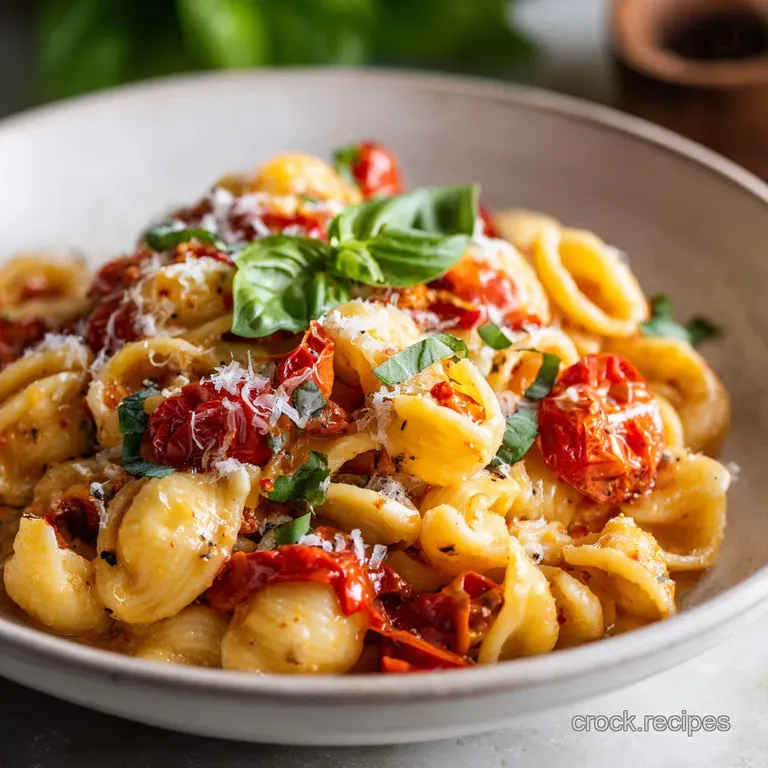
- Time: Active 10 minutes, Passive 9 minutes, Total 19 minutes
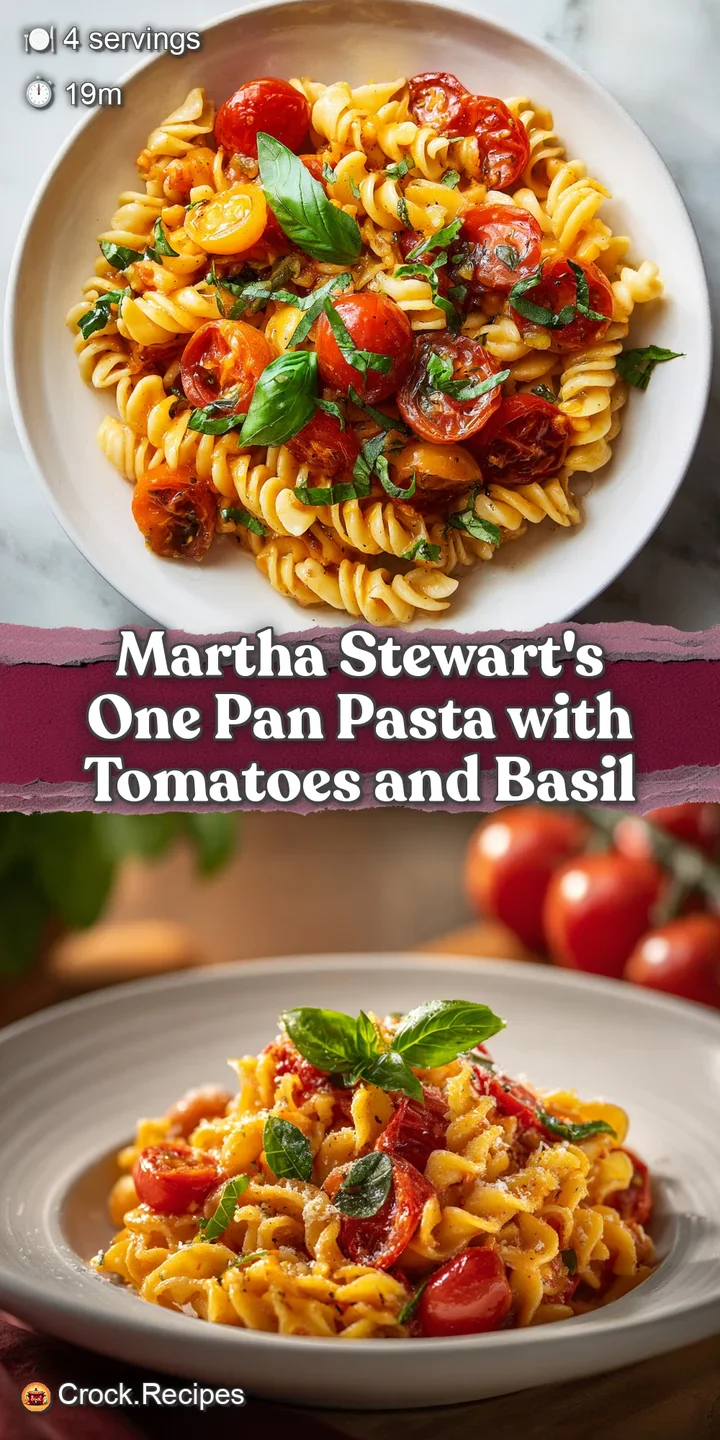
- Flavor/Texture Hook: Bright, burst tomatoes with a silky, starch thickened finish
- Perfect for: Busy weeknights, minimalist cooks, and beginner friendly entertaining
- Martha Stewart's One Pan Pasta with Tomatoes and Basil
- The Secret of Starch Emulsification
- Cooking Times and Serving Sizes
- Component Analysis Deep Dive
- Fresh Ingredients for Best Results
- The Only Pan You Need
- Easy Steps for Perfect Pasta
- Troubleshooting Your One Pot Meal
- Ingredient Substitutions and Flavor Variations
- Storage and Reheating Advice
- The Best Ways to Enjoy
- Very High in Sodium
- Recipe FAQs
- 📝 Recipe Card
Martha Stewart's One Pan Pasta with Tomatoes and Basil
The first time I tried this, I was standing in my kitchen at 8:00 PM on a Tuesday, staring at a skillet full of dry noodles and cold water. I honestly thought it was going to be a gummy, soggy mess.
There is something about throwing everything into one pan at once that feels like you're breaking every rule of Italian cooking. But as the water started to bubble and the tomatoes began to pop, the kitchen filled with this incredible scent of fresh basil and sweet garlic.
When the timer went off 9 minutes later, the water had disappeared, replaced by a glossy, velvety sauce that coated every single strand of linguine. I didn't even use a colander. I just grabbed a fork and ate it straight from the pan. It's one of those recipes that changes how you think about cooking.
No fancy techniques, just fresh ingredients doing all the heavy lifting for you. Try Martha Stewart's one pan pasta with tomatoes and basil for a simple, flavorful meal.
If you are a fan of that deep, concentrated tomato flavor, you might also love my Roasted Tomato Sauce recipe which uses a similar "set it and forget it" mindset. But for tonight, we're sticking to the 19 minute miracle. You'll love how the thinly sliced garlic practically melts into the sauce, leaving behind a subtle zing instead of sharp bites.
The Secret of Starch Emulsification
The Starch Water Symbiosis: By boiling the pasta in a small amount of water, you saturate the liquid with starch that would normally be rinsed away. This concentrated starch acts as a natural emulsifier, binding the olive oil and tomato juices into a thick, clingy sauce.
Chef's Tip: Freeze your Parmesan rind and toss it into the pan while the pasta simmers to add a massive hit of savory depth without extra effort.
Another trick I've learned is to rub the red pepper flakes between your palms right before dropping them in. This friction releases the capsaicin oils instantly, giving you a more even heat throughout the dish.
Also, make sure your garlic is sliced paper thin - if it's too chunky, it won't soften enough in the 9 minute cook time.
Cooking Times and Serving Sizes
| Method | Time | Texture | Best For |
|---|---|---|---|
| Stovetop | 9 minutes | Al dente, silky sauce | Quick weeknight dinner |
| Oven Bake | 25 minutes | Softer pasta, bubbly | Casserole style prep |
While the stovetop method is the classic way to handle this recipe, some people like to toss it in a baking dish. Personally, I stick to the stove because the constant stirring is what actually helps that starch come off the pasta and thicken the sauce.
If you just let it sit in the oven, you miss out on that specific creamy texture.
If you find yourself needing more than 4 servings, don't just double the water blindly. You'll want to use a wider pan rather than a deeper one so the water evaporates at the right rate. If the pan is too deep, the noodles will overcook before the liquid reduces.
Component Analysis Deep Dive
| Ingredient | Science Role | Pro Secret |
|---|---|---|
| Dry Linguine | Starch Source | Use a high protein brand for a better "bite" |
| Cherry Tomatoes | Acid & Liquid | Halve them to release juices faster for the sauce |
| Extra Virgin Olive Oil | Fat Emulsifier | Use cold pressed oil for a peppery, fresh finish |
| Yellow Onion | Flavor Base | Slice with the grain for better texture retention |
Fresh Ingredients for Best Results
For this dish, we are using 12 oz dry linguine as our base. It is the perfect shape because the flat surface area catches the sauce better than round spaghetti would. You'll also need 12 oz cherry tomatoes, halved. If you can find the multi colored ones, they look beautiful, but standard red ones are just as sweet.
The aromatics are simple: 1 large yellow onion and 4 cloves garlic, both sliced very thin. For the heat, 1/2 tsp red pepper flakes provides a gentle back of-the throat warmth. We finish the flavor profile with 2 sprigs fresh basil, 2 tsp kosher salt, and 1/2 tsp freshly cracked black pepper.
To bring it all together, 2 tbsp extra virgin olive oil and 4.5 cups water do the work. Don't forget the 1/4 cup freshly grated Parmesan cheese for the final flourish.
The Pasta Foundation
Linguine is the traditional choice here, but you can use fettuccine if that's what is in the pantry. Avoid thin shapes like angel hair, as they will turn to mush long before the tomatoes have a chance to break down.
The Garden Aromatics
Freshness is king. If your basil is looking a bit wilted, soak it in ice water for 10 minutes to perk it up. For the onion, a yellow onion provides the right balance of sweetness and sharp bite.
The Pantry Finishers
Always use kosher salt rather than table salt. The larger grains help draw out the tomato juices more effectively during the simmering process. Freshly cracked pepper is non negotiable for that bright, spicy aroma.
The Only Pan You Need
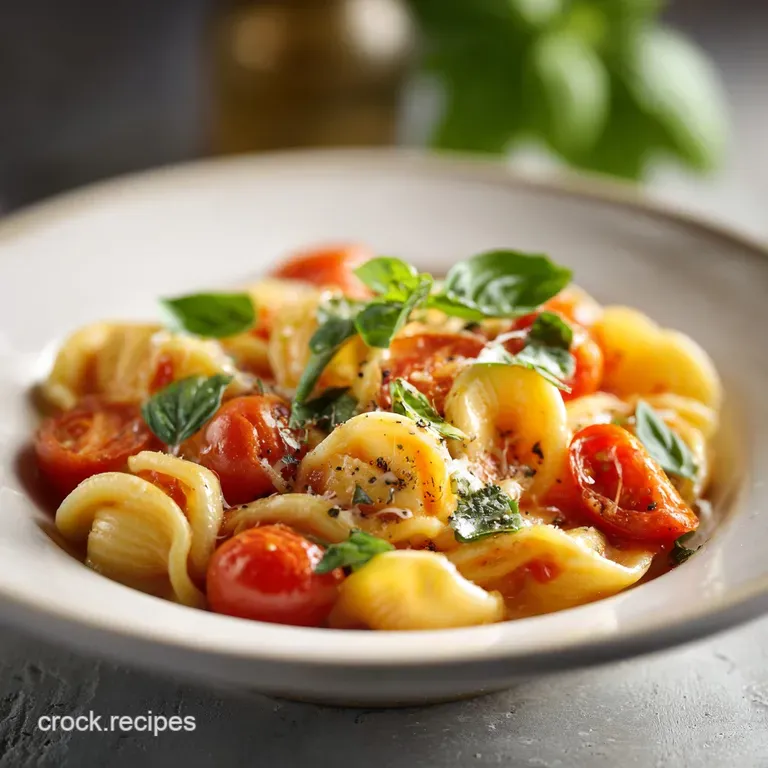
You don't need a massive stockpot for this. In fact, a large, straight sided skillet or a wide sauté pan works best. You want the linguine to be able to lay flat or only slightly overlap so it cooks evenly in the 4.5 cups of water.
If you use a pot that is too narrow, the pasta will clump together at the bottom. A wide pan allows the water to boil vigorously across the entire surface, which keeps the noodles moving and prevents sticking. I usually reach for my 12 inch stainless steel skillet for this one.
Easy Steps for Perfect Pasta
- Place 12 oz dry linguine in a large skillet. Note: Lay it flat so it submerges quickly.
- Add 12 oz halved cherry tomatoes and 1 sliced large yellow onion.
- Scatter 4 cloves sliced garlic and 1/2 tsp red pepper flakes over the top.
- Nestle 2 sprigs fresh basil into the center of the pan.
- Drizzle with 2 tbsp extra virgin olive oil.
- Season with 2 tsp kosher salt and 1/2 tsp black pepper.
- Pour in 4.5 cups water. Wait until it reaches a full, rolling boil.
- Boil over high heat for about 9 minutes until liquid has reduced to a thick sauce.
- Stir frequently with tongs to keep the pasta from sticking. Look for a glossy sheen on the noodles.
- Remove from heat, discard basil sprigs, and stir in 1/4 cup Parmesan.
Troubleshooting Your One Pot Meal
Why Your Pasta Is Sticky
If the noodles are clumping together, it's usually because they weren't stirred enough in the first few minutes. The starch is most "sticky" when it first hits the hot water. You have to be diligent with the tongs early on to keep those strands separate.
Why Your Sauce Is Watery
If you hit the 9 minute mark and there is still a pool of water in the pan, don't panic. Just keep the heat high and keep stirring. The sauce can go from watery to perfect in about 60 seconds. It's all about that final evaporation.
| Problem | Root Cause | Solution |
|---|---|---|
| Crunchy Pasta | Not enough water or heat too high | Add 1/4 cup boiling water and cook 2 mins more |
| Bland Sauce | Under seasoned at the start | Add a pinch of salt and a squeeze of lemon |
| Mushy Noodles | Cooked too long at low heat | Next time, ensure a vigorous boil from the start |
Common Mistakes Checklist
- ✓ Don't use a lid; evaporation is necessary to thicken the sauce.
- ✓ Never use cold water to "top up" the pan; it drops the temp and ruins the texture.
- ✓ Stop cooking while there is still a little liquid left; it will thicken as it sits.
- ✓ Use a large enough pan so the pasta isn't crammed into a small space.
- ✓ Don't walk away; this dish needs active stirring to release the starch.
Ingredient Substitutions and Flavor Variations
| Original Ingredient | Substitute | Why It Works |
|---|---|---|
| Linguine (12 oz) | Spaghetti (12 oz) | Similar cook time and starch profile. |
| Cherry Tomatoes | Canned Diced Tomatoes | Use a 14 oz can (drained). Note: Lacks the fresh "burst" texture. |
| Parmesan Cheese | Pecorino Romano | Adds a saltier, sharper tang to the finish. |
If you're in the mood for something with a bit more protein, this dish pairs beautifully with grilled chicken. You might even find it reminds you of the flavor profile in my Comforting Mezzi Rigatoni recipe, though the texture here is much lighter and fresher.
For a vegan version, simply omit the Parmesan and add a tablespoon of nutritional yeast or a few toasted breadcrumbs for crunch. If you want to swap the linguine for a gluten-free option, look for a corn or rice based pasta that specifically says "holds up to boiling," as some GF pastas will disintegrate with this much stirring.
Storage and Reheating Advice
This pasta is definitely at its absolute best the moment it leaves the pan. However, if you have leftovers, they will keep in the fridge for about 3 days. The starch will continue to absorb the moisture, so the noodles will be much softer the next day.
I recommend reheating them in a skillet with a splash of water or chicken broth to loosen the sauce back up.
To reduce waste, don't throw away those basil stems. While we discard the sprigs after cooking, you can actually finely chop the tender upper stems and toss them in with the onions for extra flavor. Any leftover onion scraps or garlic peels can go straight into your freezer bag for making vegetable stock later.
The Best Ways to Enjoy
I love serving this straight out of the pan. It feels rustic and cozy, especially if you're eating with close friends or family. A big crusty loaf of bread is essential for mopping up any leftover sauce at the bottom of your bowl.
You can also serve it alongside a simple green salad with a sharp vinaigrette to cut through the richness of the starch and oil.
If you want to make it feel a bit fancier, top each bowl with a dollop of fresh ricotta or a few torn pieces of burrata right before serving. The cold, creamy cheese melting into the hot, garlicky pasta is something you won't forget.
This dish is the ultimate proof that you don't need a cabinet full of tools to make something truly special.
Balancing the Acidity
If your tomatoes are a bit underripe and the sauce feels too tart, a tiny pinch of sugar can help. It won't make the dish sweet; it just balances the acid and rounds out the flavor of the garlic.
Choosing the Right Olive Oil
Since the oil isn't being cooked at high heat for a long time, its flavor really shines through. Use the good stuff here. A peppery Italian or Greek oil adds a layer of complexity that a generic "vegetable oil blend" just can't match.
Final Seasoning Check
Before you plate it, take a bite. Does it need more salt? A bit more pepper? Sometimes a final squeeze of lemon juice right at the end can make all those garden flavors pop even more. Trust your palate more than the timer!
Very High in Sodium
1140 mg mg of sodium per serving (50% of daily value)
American Heart Association recommends limiting sodium intake to about 2,300mg per day.
Tips to Reduce Sodium in Your Linguine Recipe
-
Reduce Parmesan-15%
Parmesan cheese is a significant source of sodium. Reduce the amount from 1/4 cup to 1 tablespoon, or try a low-sodium cheese option. This will give you a 15% sodium reduction.
-
Reduce Added Salt-25%
The recipe calls for 2 teaspoons of kosher salt. Start with just 1 teaspoon and taste as you go, adding more only if needed. You could reduce the sodium content by as much as 25%.
-
Salt the Pasta Water Judiciously-5%
When cooking pasta, only add a very small amount of salt to the boiling water. It enhances the flavor without contributing excessive sodium to the entire dish. You could avoid adding any salt at all for a 5% sodium reduction.
-
Enhance with Herbs & Spices
Experiment with fresh herbs and spices like oregano, thyme, or extra red pepper flakes to boost flavor and reduce the need for salt.
Recipe FAQs
How to make Martha Stewart's one pan pasta with tomatoes and basil?
Place dry linguine, tomatoes, onion, garlic, basil, oil, salt, and pepper in a large skillet with 4.5 cups of water. Bring to a rolling boil over high heat, then cook for about 9 minutes, stirring frequently until the liquid reduces to a thick, glossy sauce. Stir in Parmesan off the heat.
How to make Meghan Markle's one pan pasta?
It is widely believed that the recipe you are referencing is the same one popularized by Martha Stewart. The key technique involves boiling the pasta directly in the liquid with all other ingredients, allowing the released starch to create the sauce, similar to the method used for our Marry Me Chicken Meatballs recipe.
How to make a tomato and basil pasta using the one pan method?
Start by layering all ingredients dry pasta, halved tomatoes, sliced onion, garlic, water, oil, and seasoning in a wide, straight sided pan. Bring to a rapid boil and cook until the liquid evaporates and coats the noodles in a creamy, starchy sauce, which takes roughly 9 minutes.
What is Martha Stewart's most famous recipe?
While she has countless famous dishes, the One Pan Pasta is arguably one of her most viral and simple modern recipes. Its popularity stems from the minimal cleanup and surprisingly flavorful result achieved by emulsifying the pasta starch right in the cooking liquid.
Can I substitute spaghetti for linguine in this recipe?
Yes, spaghetti is a good substitute for linguine in this dish. Both shapes have a similar surface area that catches the starchy sauce well, although linguine is the traditional choice here.
Why did my sauce turn out watery instead of glossy and thick?
The primary reason is insufficient evaporation, often caused by not boiling vigorously enough. You must maintain a rolling boil throughout the 9 minutes; if the heat is too low, the water won't reduce sufficiently to concentrate the starch.
Mastering this high heat evaporation technique will help you achieve perfect results every time.
Do I need to use fresh basil, or can I use dried?
No, you must use fresh basil for this recipe to achieve the intended bright flavor profile. Dried basil does not release the necessary aromatic oils during the short cook time, resulting in a flat taste; fresh sprigs are essential for that bright lift at the end.
One Pan Pasta Martha Stewart
Ingredients:
Instructions:
Nutrition Facts:
| Calories | 430 calories |
|---|---|
| Protein | 13.8 g |
| Fat | 9.6 g |
| Carbs | 71.2 g |
| Fiber | 4.8 g |
| Sugar | 5.9 g |
| Sodium | 1140 mg |
