Oven Baked Beef Brisket: Fall-Apart Tender
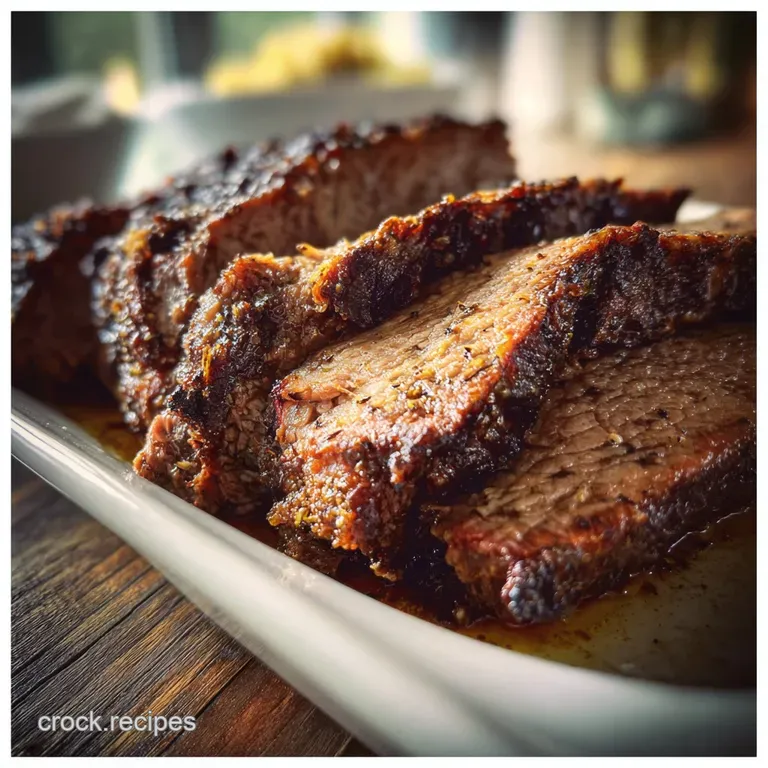
- Time: Active 20 minutes, Passive 4 hours 55 mins, Total 5 hours 15 mins
- Flavor/Texture Hook: Smoky, velvety beef with a peppery, caramelized crust
- Perfect for: Sunday family dinners or stress free holiday entertaining
- Achieving the Perfect Tender Oven Baked Beef Brisket
- The Science of Why Brisket Melts
- Vital Stats and Cook Times
- Component Analysis: The Ingredient Deep Dive
- The Essential Kitchen Gear
- The Road to Fall Apart Success
- Avoiding Common Brisket Blunders
- Personalizing Your Roast
- How to Store and Heat
- Sides to Serve
- Very High in Sodium
- Recipe FAQs
- 📝 Recipe Card
Achieving the Perfect Tender Oven Baked Beef Brisket
The first time I tried making brisket, I basically served my family a piece of seasoned luggage. It was dry, grey, and so tough we nearly broke our steak knives. I sat there in my kitchen, smelling that gorgeous aroma of smoked paprika and garlic, wondering where it all went wrong.
The secret, as it turns out, isn't just about the heat, it's about the patience and the "crutch."
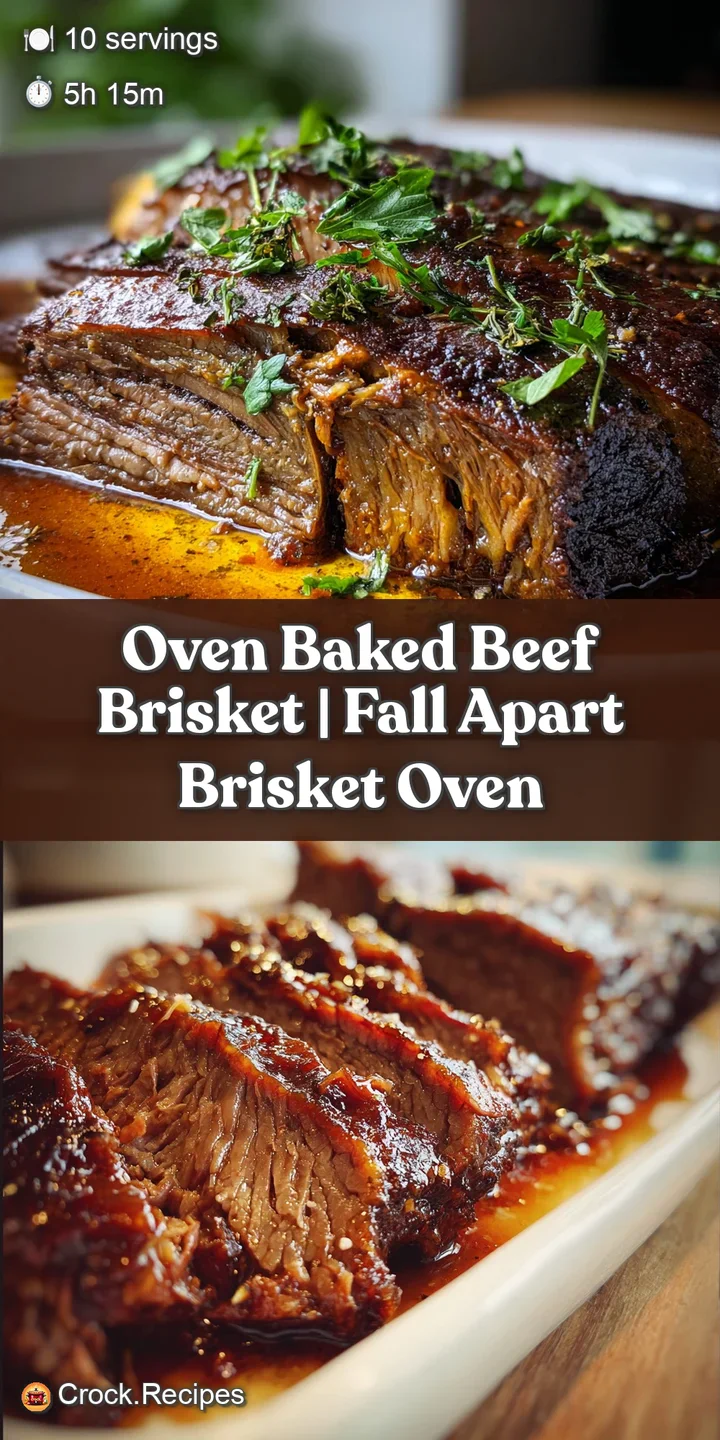
Once I learned how to properly seal the meat to trap the steam after the initial bark forms, everything changed. Now, when I pull this Oven Baked Beef Brisket out of the oven, the fat cap has turned into a translucent, buttery layer that melts into the meat.
The house smells like a Texas BBQ joint, and the meat doesn't just slice; it practically surrenders to the knife. Trust me, we've all been there with a tough roast, but this method is the one that actually works.
We’re going to focus on creating a massive contrast between that dark, peppery exterior and the rich, moist interior. You don't need a fancy smoker or a backyard setup to get results that make people close their eyes and sigh. It’s all about the chemistry of the slow cook and the right liquid balance.
The Science of Why Brisket Melts
The Collagen Melt Protocol: Beef brisket is packed with tough connective tissue called collagen that only breaks down into silky gelatin when held at temperatures between 160°F and 200°F for several hours.
This transition is what transforms "shoe leather" into meat that feels velvety on the tongue.
| Cooking Style | Prep Time | Texture Result | Best For |
|---|---|---|---|
| Classic Oven | 5 hours 15 mins | Fork tender, rendered fat, dark crust | Weekend dinners, crowds |
| High Heat Roast | 2 hours 30 mins | Chewy, firm, sliced thin | Deli style roast beef |
| Pressure Cooker | 1 hours 15 mins | Very soft, shreddable, no crust | Tacos or quick weeknight stew |
Choosing the classic oven method allows the fat to slowly render and baste the meat from the inside out. While faster methods exist, they often miss out on the deep caramelization that makes the "bark" so satisfying.
Vital Stats and Cook Times
To get this right every single time, you need to hit specific markers. Brisket is a marathon, not a sprint, and these numbers are your guideposts.
| Feature | Precision Checkpoint |
|---|---|
| Beef Weight | 4.5 lb (Choice or Prime grade) |
| Oven Temperature | 300°F (Preheated) |
| Internal Temp Goal | 203°F (The "magic" number for tenderness) |
1. The Science of the "Stall"
About halfway through cooking, the meat's temperature will stop rising. This is the "stall," where moisture evaporates from the surface and cools the meat down. By wrapping it in foil (the Texas Crutch), we stop this evaporation, speeding up the cook while locking in every drop of juice.
2. The Maillard Maneuver
We start the brisket uncovered for a portion of the time to trigger the Maillard reaction. This is the chemical dance between amino acids and sugars that creates that savory, dark crust. Without this step, your beef will just look boiled rather than roasted.
3. Collagen to Gelatin Conversion
This isn't just about getting the meat hot. It’s about holding it at that 190°F to 203°F range long enough for the fibers to relax. If you pull it too early, even if it "looks" done, it will still be chewy.
Component Analysis: The Ingredient Deep Dive
| Ingredient | Science Role | Pro Secret |
|---|---|---|
| Beef Bone Broth | Conductive Heat | Use high-quality broth to add collagen and richness to the pan sauce. |
| Dark Brown Sugar | Caramelization | The molasses content helps create a sticky, dark bark that offsets the salt. |
| Worcestershire | Umami Booster | This fermented sauce adds a hidden depth that makes the beef taste "beefier." |
| Liquid Smoke | Sensory Illusion | A tiny amount provides the phenolic compounds found in real wood smoke. |
If you find yourself missing an ingredient, don't panic. You can swap things out, but keep in mind that the flavor profile might shift from savory smoky to something more herbaceous.
| Original Ingredient | Substitute | Why It Works |
|---|---|---|
| Beef Bone Broth | Red Wine (Dry) | Adds acidity and tannins that help cut through the heavy fat content. |
| Liquid Smoke | Smoked Sea Salt | Provides a more subtle smoke flavor without the liquid additive. |
| Dark Brown Sugar | Maple Syrup | Similar sugar content. Note: Adds a distinct maple aroma to the final crust. |
Using the right beef is the most important part of this journey. A Choice or Prime grade brisket will have the intramuscular fat (marbling) needed to stay moist. If you use a very lean cut, it will likely dry out regardless of your technique.
The Essential Kitchen Gear
You don't need a lot of gadgets, but a heavy duty roasting pan or a large Dutch oven is non negotiable. You want something that can handle the weight of the 4.5 lb beef brisket and maintain a steady heat.
A reliable meat thermometer is your best friend here. Since every oven has its own personality, relying on time alone is a gamble. I also recommend a good pair of tongs so you aren't piercing the meat with a fork and letting those precious juices escape before they've had a chance to settle.
The Road to Fall Apart Success
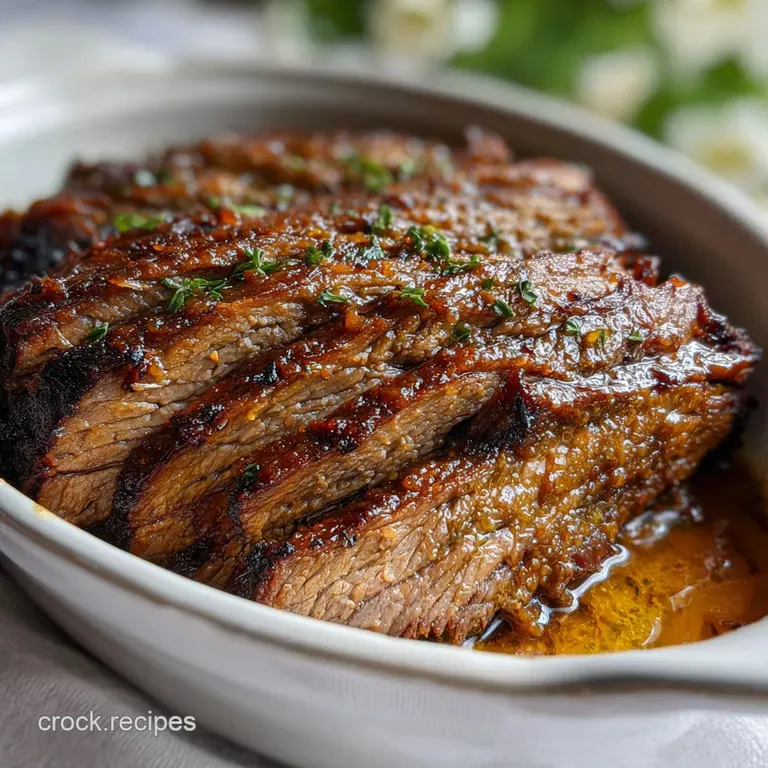
- Prep the beef. Pat your 4.5 lb beef brisket dry with paper towels. Note: Dry meat sears and takes rub better than damp meat.
- Apply the binder. Rub 2 tbsp olive oil all over the beef.
- Mix the rub. Combine 3 tbsp coarse black pepper, 2 tbsp kosher salt, 1 tbsp smoked paprika, 1 tbsp garlic powder, 1 tbsp onion powder, 1 tsp cayenne pepper, and 2 tbsp dark brown sugar.
- Coat the meat. Press the rub firmly into all sides of the beef until no red meat is visible through the spices.
- Prepare the liquid. Whisk 1 cup beef bone broth, 2 tbsp Worcestershire sauce, and 1 tsp liquid smoke in the bottom of your roasting pan.
- Position the beef. Place the brisket in the pan, fat cap facing up. Note: The fat will melt down into the meat as it cooks.
- Initial roast. Bake at 300°F uncovered for 1 hours 30 mins until the exterior looks dark and sizzles.
- The wrap. Remove from oven, cover the pan tightly with two layers of heavy duty foil.
- The long braise. Return to the oven for another 3 hours 25 mins until a probe slides in like it's hitting room temperature butter.
- The rest. Let the meat sit, still covered, for 30 minutes.
Chef Tip: Freeze your leftover beef broth in an ice cube tray! Drop a couple into your pan sauce later for an instant flavor boost.
1. The Dry Brine and Bark Prep
If you have the time, apply the rub and let the brisket sit in the fridge uncovered for 4 hours. This allows the salt to penetrate the fibers, seasoning the meat all the way to the center. It also helps the surface dry out, ensuring that when it hits the oven, it creates a "shatter" worthy crust. This technique is similar to how we prep the How to Sear recipe to get that perfect exterior.
2. The Finish and Rest
The rest is just as important as the cook. When meat is hot, the muscle fibers are tight and the juices are pushed toward the edges. If you slice it immediately, all that liquid will flood onto your cutting board. During the 30 minute rest, the fibers relax and re absorb those juices, ensuring a velvety bite.
Avoiding Common Brisket Blunders
One of the biggest mistakes is slicing the meat the wrong way. If you slice with the grain, the meat will be stringy and tough, no matter how long you cooked it. You must find the direction of the muscle fibers and cut perpendicular to them.
Why Your Brisket Is Dry
If your meat comes out dry, it usually means one of two things: either the temperature was too high, causing the moisture to boil away, or the meat wasn't wrapped tightly enough. If steam can escape the pan, the meat will dry out during the long braise.
| Problem | Root Cause | Solution |
|---|---|---|
| Tough meat | Collagen didn't break down | Cook longer until internal temp hits 203°F. |
| Greasy flavor | Fat didn't render | Increase initial uncovered roast time or trim fat cap to 1/4 inch. |
| Bland center | No salt penetration | Dry brine for 4-24 hours before cooking. |
It's also worth noting that if you're serving this for a big party, you might want to look at a Baked Tortellini Cheese recipe as a side dish to balance out the heavy, savory meat with some creamy pasta.
Common Mistakes Checklist:
- ✓ Did you preheat the oven fully? (Consistency is key for rendering fat)
- ✓ Is the fat cap facing up? (Essential for natural basting)
- ✓ Did you use heavy duty foil? (Thin foil can tear, letting steam escape)
- ✓ Did you check the internal temp? (Visual cues are good, but numbers don't lie)
- ✓ Did you slice against the grain? (The difference between tender and tough)
Personalizing Your Roast
You can easily adapt this dish to suit your crowd. If you want a sweeter profile, increase the brown sugar in the rub and add a splash of apple cider vinegar to the braising liquid. For a spicier kick, double the cayenne pepper or add a tablespoon of chipotle in adobo to the broth.
If you want X, do Y: If you want a traditional BBQ flavor, brush the meat with your favorite sauce during the last 20 minutes of cooking. If you want a French Dip style, omit the liquid smoke and add fresh thyme and sliced onions to the pan.
If you want a "burnt ends" texture, cube the fat heavy parts after cooking and toss them back in the oven at 400°F for 15 minutes.
2 Flavor Twists
For an Asian inspired version, swap the Worcestershire for soy sauce and add 2 tbsp of ginger and garlic paste to the liquid. If you prefer a coffee rub, replace half of the black pepper with finely ground espresso beans; it adds a bitter complexity that pairs beautifully with the rich fat.
How to Store and Heat
Brisket is actually one of those rare dishes that might taste even better the next day. The flavors have more time to meld, and the gelatin sets into a rich sauce.
- Fridge
- Keep in an airtight container for up to 4 days. Store it in its own juices to prevent it from drying out.
- Freezer
- Slice the meat first, wrap tightly in plastic wrap, then place in a freezer bag for up to 3 months.
- Reheating
- The best way to reheat is in the oven. Place slices in a baking dish with a splash of broth, cover with foil, and heat at 325°F until warmed through. This prevents the "microwave rubber" effect.
Zero Waste Tip: Don't throw away the leftover liquid in the pan! Strain it and keep it in the fridge. The fat will rise to the top and can be used like butter (beef tallow) for roasting potatoes, while the liquid underneath is a concentrated "jus" for sandwiches.
Sides to Serve
Since this Oven Baked Beef Brisket is incredibly rich, I love serving it with something bright and acidic to cut through the fat. A crisp coleslaw with a vinegar based dressing is classic. If you're looking for something more comforting, a Homemade Reuben Bake recipe uses similar flavors and can be a great way to use up any leftover brisket slices.
1. The Acidic Balance
Pickled red onions or quick pickled cucumbers are a game changer here. The sharp vinegary bite resets your palate after every heavy, savory forkful of beef.
2. The Classic Sides
You can't go wrong with creamy mashed potatoes or a smoky mac and cheese. The starch acts as a vessel for the pan juices, making sure not a single drop of that braising liquid goes to waste. If you want something a bit different, a How to Make recipe for a meatloaf can actually be a fun way to see how different proteins handle similar "low and slow" oven techniques.
Brisket myths often claim that "searing seals in juices." That's actually not true. Searing is about flavor and color (Maillard reaction), not moisture. Moisture loss happens regardless; the key is the braise and the rest. Another myth is that you need a smoker for "real" brisket.
While a smoker adds a specific depth, the oven provides a much more stable environment, which is often easier for home cooks to manage for consistent results.
Very High in Sodium
1180 mg mg of sodium per serving (51% of daily value)
The American Heart Association recommends limiting sodium intake to about 2,300mg per day for overall cardiovascular health.
Tips to Reduce Sodium in Your Brisket Recipe
-
Low-Sodium Broth-30%
Replace the regular beef bone broth with a low-sodium or no-salt added version. This can significantly cut down on the overall sodium content.
-
Reduce Kosher Salt-25%
Reduce the amount of kosher salt by half, or even eliminate it entirely. You can always add more at the end if needed, but remember that the other seasonings also contain sodium. Consider using a salt substitute.
-
Low-Sodium Worcestershire-20%
Use a low-sodium Worcestershire sauce or eliminate it entirely and add a little more smoked paprika and dark brown sugar to compensate for the flavor.
-
Spice It Up!
Explore using a variety of fresh or dried herbs and spices like cumin, coriander, or chili powder to enhance the flavor profile of your brisket without relying on sodium. These additions can help compensate for the reduced salt without sacrificing flavor.
Recipe FAQs
How long do you cook a brisket in the oven?
Approximately 5-6 hours for a 4.5 lb brisket at 300°F. Brisket needs time for tough collagen to break down into tender gelatin, so aim for an internal temperature of around 203°F. It's a marathon, not a sprint, and patience is key to achieving that melt-in-your mouth texture.
What is the 3:2:1 rule for brisket in the oven?
The 3:2:1 rule is a guideline for smoked brisket, not typically for oven baked. For oven baking, a common approach is about 1.5 hours uncovered, then wrapping for 3.5 to 4 hours. The core idea remains: start with a crust, then braise to tenderize. If you enjoyed mastering the slow braising technique here, see how the same principles of moisture control apply in our Keto Zucchini Lasagna: The Ultimate Low Carb Comfort Classic.
What is the secret to a perfect tender brisket in the oven?
The secret is low and slow cooking combined with proper wrapping and resting. Ensure your brisket reaches an internal temperature of at least 203°F, allowing enough time for the collagen to convert into gelatin. Wrapping it tightly in foil stops moisture loss and speeds up this process. If you enjoyed controlling the tenderizing process here, apply the same patience to achieving perfect texture in The Best Old Fashioned Rice Pudding SlowBaked Creamy Classic.
Should brisket be cooked covered or uncovered in the oven?
Start uncovered, then cover for most of the cooking time. Cooking it uncovered for the first 1.5 hours helps develop a dark crust through the Maillard reaction. After that, wrap it tightly in foil for the remaining 3.5 to 4 hours to braise in its own juices and become incredibly tender.
Why is my oven brisket tough?
It likely wasn't cooked long enough to break down the connective tissues. Brisket is packed with tough collagen that needs hours at the right temperature (around 195-203°F internal) to convert into tender gelatin. If it's still tough, it needs more time to braise. Mastering this patience is key, much like achieving the perfect texture in a slow baked bread, which you can practice with our Homemade Ciabatta Authentic Italian Bread Recipe.
Can I use a lower oven temperature for brisket?
Yes, you can, but it will take significantly longer. A lower temperature like 250°F will still yield tender results, but the cooking time can extend to 8-10 hours or more. The key is still reaching that critical internal temperature of 203°F for the collagen to break down properly.
What's the best way to rest brisket after cooking?
Rest it, covered tightly, for at least 30 minutes, ideally 1-2 hours. This allows the juices to redistribute throughout the meat, ensuring maximum tenderness and moisture. If you cut it too soon, all those delicious juices will run out onto the cutting board.
Oven Baked Beef Brisket
Ingredients:
Instructions:
Nutrition Facts:
| Calories | 542 kcal |
|---|---|
| Protein | 41.8 g |
| Fat | 39.4 g |
| Carbs | 3.2 g |
| Fiber | 0.6 g |
| Sugar | 2.4 g |
| Sodium | 1180 mg |
