Creme Brulee French Toast: the Overnight Vanilla Masterpiece
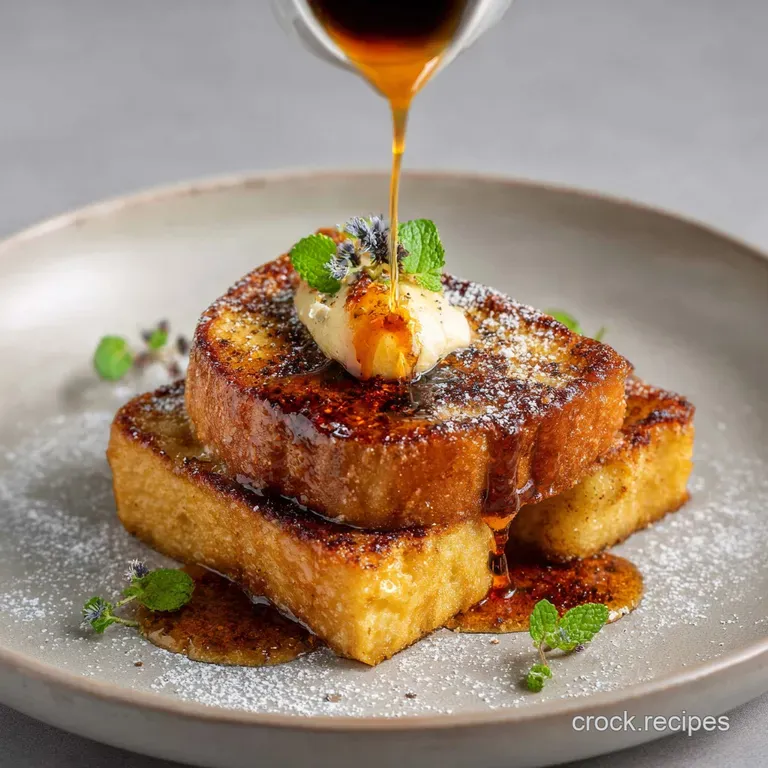
- The Overnight Masterpiece: Vanilla Bean Crème Brûlée French Toast
- The Culinary Crossover: Transforming French Toast into Dessert
- The Science of Decadence: How the Overnight Soak Creates Custard Perfection
- Crafting Your Brunch Showstopper: The Step-by-Step Method
- Troubleshooting the Brûlée: Expert Tips for a Flawless Finish
- make-ahead Magic: Storing and Preparing Your French Toast
- Elevating the Plate: Perfect Pairings and Toppings
- Recipe FAQs
- 📝 Recipe Card
The Overnight Masterpiece: Vanilla Bean Crème Brûlée French Toast
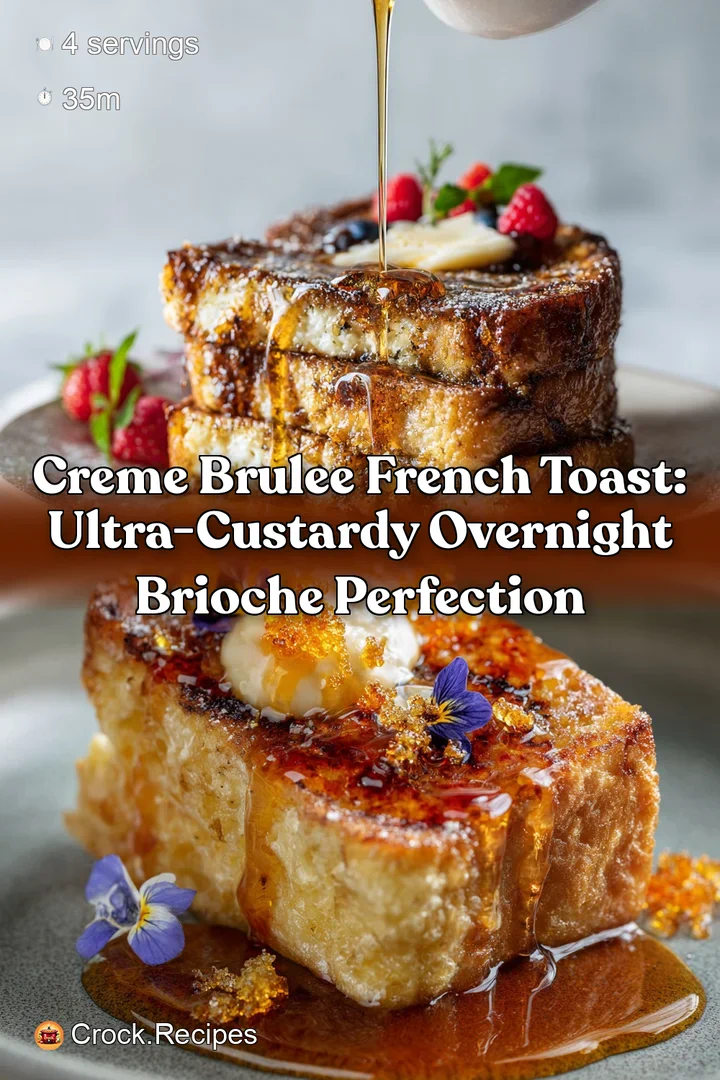
Listen up, buttercup. We are not messing around today. Forget those weak, sad French toast attempts that get soggy in the middle and burn on the outside. We are making Creme Brulee French Toast , and I promise you, the moment that sugar shell cracks beneath your fork, giving way to an impossibly creamy, deeply vanilla infused centre, you will understand why this is a non-negotiable brunch item.
The aroma of caramelized sugar mixed with warm butter and rich vanilla bean is honestly intoxicating; it’s basically an expensive Parisian patisserie delivered right to your breakfast table.
This Creme Brulee French Toast isn't just decadent; it's smart cooking. The prep is insanely fast a quick whisk, a deep soak and then the fridge does all the heavy lifting while you sleep.
You wake up, cook a few perfect slices, torch them, and look like a total culinary genius without breaking a sweat. It’s the ultimate make-ahead secret weapon for holidays, celebratory brunches, or just an average Saturday when you feel like treating yourself.
This recipe takes the best elements of classic French baking the deep richness of a true crème brûlée custard and marries them perfectly with thick, buttery brioche. Ready to crack the code on the best breakfast dish known to humanity?
Let's dive into exactly how we build the perfect Creme Brulee French Toast .
The Culinary Crossover: Transforming French Toast into Dessert
The biggest difference between average French toast and this spectacular Creme Brulee French Toast is the overnight commitment. Most people dunk their bread for 30 seconds and call it a day, but that only saturates the surface.
To achieve that luscious, almost pudding like texture inside, the brioche needs serious time to fully absorb the heavy, egg-rich vanilla custard. We are aiming for complete saturation, where the bread is technically still bread, but functionally, it’s a delicate, firm vanilla sponge.
Defining the Perfect Caramelized Crème Brûlée Crust
The crust is everything here. Without a hard, brittle, deeply caramelized sugar shell, this is just really rich French toast. The key to the crème brûlée element is applying sugar after cooking the toast, right before serving.
You torch the sugar quickly until it turns dark amber and solidifies. This crisp layer is non-negotiable —it provides the shattering textural contrast that makes this entire dish feel like a dessert. Getting the balance right transforms this from breakfast into a grand event.
Why Brioche is the Only Bread for This Recipe
I know, I know, you want to use Texas Toast or maybe some leftover sourdough. Don't. Trust me on this: the best Creme Brulee French Toast requires brioche. Brioche has two major advantages: high butter content and tight crumb structure.
The high fat content keeps it stable when fully saturated, and the tight crumb prevents it from turning into mush during the long overnight soak. It bakes up incredibly light and rich, creating the perfect foundation for our glorious Creme Brulee French Toast .
If brioche isn't available, Challah is the next best choice, but avoid soft, flimsy sandwich loaves at all costs.
Essential Equipment for Achieving the Signature Shell
While you can technically use your broiler (grill) to caramelize the sugar, you really, truly need a kitchen torch for the perfect Creme Brulee French Toast .
The broiler is too aggressive; it radiates heat and warms the entire slice, potentially melting the custardy interior and making the toast chewy instead of crisp. A torch allows you to focus the heat precisely on the sugar layer, creating that perfect, snappy crackle without warming the bread underneath.
Maximizing Vanilla Bean Infusion
If you’re going to call something a decadent Creme Brulee French Toast , you need real vanilla. Forget the cheap stuff. I use vanilla bean paste the kind with the little black specks because it gives you that deep flavour and beautiful visual cue without the expense of scraping a whole pod.
If you only have extract, use a high-quality brand and be generous. The vanilla is critical to cutting through the richness of the heavy cream and egg yolks.
Preventing Soggy Centers: The Brioche Thickness Rule
This is a rookie mistake I made far too often when first attempting this Creme Brulee French Toast . You need thick slices. Aim for at least 1 inch (2.5 cm) slices. Thinner bread will completely disintegrate during the overnight soak, resulting in sad, eggy mush.
Thick slices maintain their structural integrity, ensuring that when you cook them, the exterior sears beautifully while the centre achieves that coveted, creamy custard set.
Understanding the Maillard Reaction and the Crunchy Exterior
When you cook the soaked brioche, you aren't just warming it up; you are initiating the Maillard reaction. This is the chemical process that creates the deep, nutty brown colour and complex savoury flavour on the cooked surface. Use a mixture of butter and a neutral oil (like rapeseed or canola) when cooking.
The oil raises the smoke point, preventing the butter from burning before the thick custardy slices of Creme Brulee French Toast are properly set and golden brown.
The Science of Decadence: How the Overnight Soak Creates Custard Perfection
The long soak allows the starches in the bread to break down and absorb the dairy fat and egg proteins, essentially turning the brioche into a structure that holds a soft set custard. This transformation is what differentiates this dish from everyday breakfast fare.
Think of it like a beautiful, individual bread pudding, but with a crispy exterior. Achieving this level of richness is the key to perfect Creme Brulee French Toast .
Mastering the Custard Component: Key Ingredients and Notes
| Ingredient Role | My Choice | Substitution Note |
|---|---|---|
| Fat/Dairy | Heavy Cream + Whole Milk | Substitute Half and half, but reduce the egg yolks by one. |
| Thickener | 3 Whole Eggs + 2 Extra Yolks | The yolks are essential for colour and richness. No sub for this. |
| Flavour | Vanilla Bean Paste | Use 2 tsp pure extract, or almond extract for variation. |
| Bread | Thick cut Brioche | Challah or thick cut Texas Toast work if brioche is unavailable. |
The Optimal Dairy Fat Ratio for the Soaking Base
The secret to a truly rich Creme Brulee French Toast is tilting the dairy ratio heavily toward heavy cream. I use twice as much heavy cream as whole milk. Whole milk adds necessary hydration, but the high fat content of the cream is what gives the custard base that luxurious, velvety mouthfeel and prevents the finished product from tasting watery.
Do not use skim milk unless you hate joy.
Ingredient Swaps: Using Extract vs. Whole Vanilla Bean Paste
I’m obsessed with vanilla bean paste in my Creme Brulee French Toast , but if you’re short on it, don't fret. A high-quality vanilla extract is fine just ensure it’s pure, not imitation. Remember to slightly increase the amount of extract, as the paste tends to be more concentrated. For a fun, sophisticated twist, you could even try incorporating a bit of spice, like in my French Cinnamon Apple Tart: Elegant Patisserie with Buttery Almond Crust , by adding a dash of nutmeg to the custard.
Sugar Choice: Which Granulation Creates the Best Brûlée Layer?
For the custard soak, regular granulated or caster sugar is perfect. However, for the final crust, some home cooks swear by superfine caster sugar because it melts quickly. Honestly? Regular granulated sugar works beautifully for this Creme Brulee French Toast .
You just need to spread it in a thin, even layer. If the granules are too big (like turbinado), it might take longer to melt, leading to unnecessary heat transfer to the toast.
Ensuring Freshness: Testing Egg Yolks for Richness
Egg yolks are the MVP of this Creme Brulee French Toast recipe. They provide the gorgeous golden colour and necessary binding power to set the custard inside the bread. Always use fresh eggs. A simple test: when separating, if the yolk breaks easily, it might be older or weaker.
Strong, vibrant yolks create the best, richest results.
Crafting Your Brunch Showstopper: The step-by-step Method
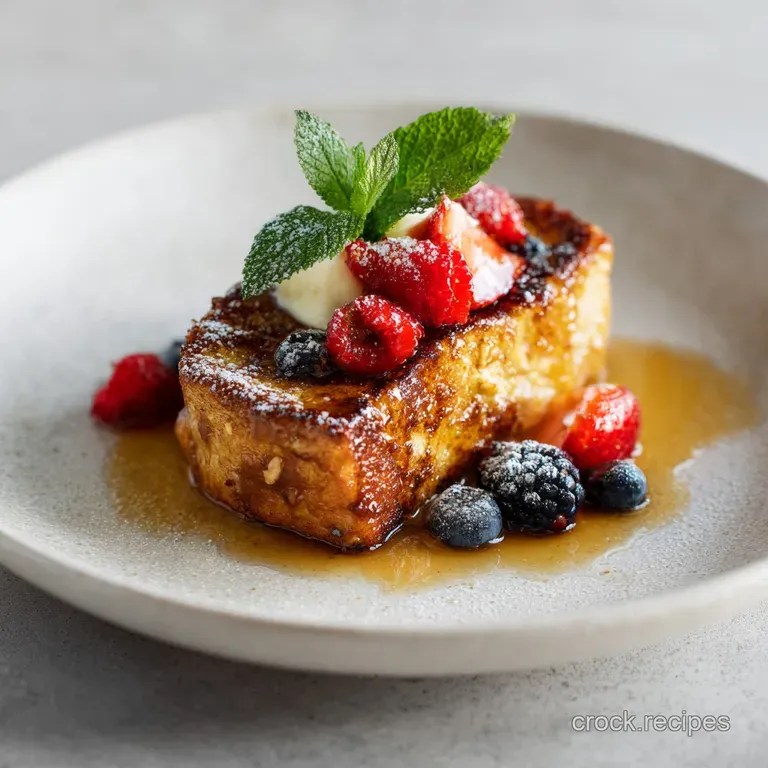
This is the process where we turn that saturated bread into something truly magnificent. Precision is your friend here.
Preparing the Vanilla Bean Soaking Custard
Get out your shallow dish. Whisk together the heavy cream, milk, whole eggs, extra egg yolks, sugar, vanilla paste, and a pinch of salt. That salt is crucial; it prevents the final product from tasting one-dimensionally sweet. Whisk until it’s perfectly uniform.
Now, lay your thick brioche slices flat in the dish. Don't stack them! They need maximum surface area to drink up that glorious custard for our perfect Creme Brulee French Toast .
The Critical Overnight Rest and Baking Setup
Cover the dish tightly and let it rest in the fridge for a minimum of 6 hours, but overnight is genuinely best. When the slices are ready, they will feel heavy and tender, almost like wet sponges, but they shouldn't be dripping. You can even use the soaked slices the next morning to make a truly elevated baked dish, much like the process for The Croissant Cloud Overnight Blueberry French Toast Bake .
Chef's Note: When you transfer the soaked slices from the dish to the cooking surface, use two spatulas one to lift and one to support to prevent tearing. They are extremely delicate, and we want beautiful, intact slices of Creme Brulee French Toast .
Achieving the Signature Hard Caramel Crust
Once the French toast slices are cooked through (golden brown and firm), place them on a heat safe surface (like a metal baking sheet). Sprinkle an even, thin layer of granulated sugar over the top. Now, grab that torch. Keep the flame moving constantly, starting slow and gaining speed as the sugar melts.
You want a consistent, dark amber colour, not black. If you don't have a torch, the broiler is your backup, but watch it like a hawk. Seriously, the difference between perfect brûlée and charcoal is about ten seconds.
This final step seals the deal for amazing Creme Brulee French Toast .
Serving Temperature Considerations
The magic of Creme Brulee French Toast lies in the contrast: hot, creamy interior versus the cold, snappy caramel shell. Therefore, you must serve it immediately after torching.
If you allow the slices to sit, the heat from the toast will start to melt the caramel shell, making it sticky and soft instead of crisp.
Troubleshooting the Brûlée: Expert Tips for a Flawless Finish
We've all been there. My first attempt at Creme Brulee French Toast resulted in a grey, sad, burnt crust and a runny centre. Lesson learned: finesse is required.
Dealing with a Runny Custard or Unset Center
If you slice into your French toast and the middle is still liquid, you didn't cook it long enough. This usually happens because the heat was too high, searing the outside quickly and blocking heat from penetrating the thick centre. The fix? Reduce your heat to medium low and cook for longer.
If they are already dark on the outside, transfer them to a 350°F (175°C) oven for 5- 7 minutes to finish cooking the interior without burning the crust.
Best Practices for Using a Kitchen Torch Safely
Always use the torch in a well ventilated area. Keep the flame moving. Don't hold it still; that causes burning. The sugar should bubble and shimmer before it darkens. If you see smoke, you're going too far.
Also, ensure the sugar is in a completely even layer; puddles of sugar will scorch before the thinner areas melt. Mastering the torch is essential for a beautiful Creme Brulee French Toast .
make-ahead Magic: Storing and Preparing Your French Toast
This recipe is built for make-ahead success, making it perfect for busy mornings or hosting brunch.
Storing Unbaked, Soaked Brioche Slices
The soaked slices are good in the fridge for up to 18 hours. Any longer, and the bread might start to break down too much. Just ensure the dish is tightly covered to prevent the custard from drying out on the surface.
Reheating Slices Without Losing the Crispness
If you have leftover, cooked (but un-brûléed) slices of Creme Brulee French Toast , wrap them tightly and refrigerate. To reheat, the toaster oven or air fryer is your best friend. A few minutes at medium heat will crisp up the exterior perfectly.
Never microwave French toast ; it turns soft and rubbery. Reheat first, then brûlée right before serving.
Freezing Baked Slices (The Pre-Brûlée Stage)
Yes, you can freeze these! Bake the French toast as directed, cool completely, then freeze them individually on a sheet pan before stacking and storing them in an airtight bag or container. They freeze well for up to 2 months. Thaw overnight in the fridge and then reheat and brûlée just before serving.
This makes the possibility of having Creme Brulee French Toast on a random Tuesday a very real and exciting prospect.
Reviving Leftovers for Optimal Texture
If you have already brûléed slices and the sugar has softened, the only way to revive the crunch is to scrape off the existing sugar layer (if possible) or dust a very light new layer of sugar on top and torch it briefly again.
The reheated slice of Creme Brulee French Toast might not have the initial structural integrity, but the flavour will still be phenomenal.
Elevating the Plate: Perfect Pairings and Toppings
The Creme Brulee French Toast is rich enough on its own, so we don't want to drown it in too many toppings. Focus on fresh, slightly tart elements to cut through the decadence.
- Fresh Berries: Raspberries, blackberries, or thinly sliced strawberries add a beautiful acidic counterpoint.
- A Drizzle of Curd: A small spoonful of bright lemon or passion fruit curd is elegant and refreshing.
- Pure Maple Syrup: Serve it on the side! Don't pour it over the toast until the moment of eating, otherwise, it dissolves that gorgeous caramel shell we worked so hard to create.
- Coffee Pairing: Pair this extremely rich dish with a dark roast or espresso. Or, if you need lighter breakfast ideas on the regular, check out The Morning Trilogy 3 Quick Healthy Breakfast Toast Ideas for when you can’t commit to this level of decadence.
This Creme Brulee French Toast is more than just a recipe; it’s an experience. It’s the kind of dish that makes people ask for the recipe immediately.
Now go forth, soak that brioche, grab your torch, and prepare for the most satisfying crackle you’ve ever experienced at the breakfast table. Enjoy every intensely creamy, beautifully caramelized bite of your homemade Creme Brulee French Toast . Seriously, it’s worth the hype.
Recipe FAQs
Why did my French toast turn out soggy instead of custardy and crisp?
Soggy results often occur when the bread is soaked too long relative to its thickness, or if the initial pan searing temperature was too low. Ensure you use very thick slices (1.5 inches) and aim for high heat when searing to create a sealed barrier before finishing the toast in the oven.
I don’t own a culinary torch. Can I still achieve the crunchy caramelized crust?
Yes, you can use the broiler setting in your oven. Place the sugar dusted toast on a high rack, positioned about 4 to 6 inches away from the element, and watch it constantly. It will only take 30 to 60 seconds to achieve a perfect caramel crust, so vigilance is crucial to prevent burning.
What is the best bread substitute if I don't have brioche?
Challah is the ideal substitute due to its high egg and butter content, which absorbs the rich custard beautifully without falling apart. If you must use French baguette or sourdough, slice it thicker and reduce the overnight soak slightly to prevent over saturation.
My custard leaked out into the pan when I started cooking. What went wrong?
This typically happens if the pan is not hot enough or if the bread was overly saturated and dripping when placed in the skillet. Gently press the sides of the soaked toast with a paper towel before cooking to remove surface excess. Always start with a sizzling hot, buttered pan to ensure the exterior sets immediately.
Do I really need to soak the bread overnight, or can I prepare this faster?
The overnight soak is highly recommended for the true "Crème Brûlée" texture, allowing the thick brioche to absorb the entire custard base. If you are pressed for time, soak the bread for at least 4 hours, flipping halfway, but never less than 2 hours for proper interior saturation.
Can I make the custard base dairy-free, or substitute the heavy cream?
Absolutely. You can substitute the heavy cream with full fat coconut milk or cashew cream for similar richness, though the flavor profile will shift slightly. Ensure your dairy-free alternative has a high fat content to prevent the custard from becoming too watery or thin during the soak.
How should I store leftover Crème Brûlée French Toast, and can I freeze it?
Store cooked, un-brûléed French toast in an airtight container in the fridge for up to 3 days; freezing is not recommended as the rich custard structure breaks down upon thawing.
Reheat gently in a low oven (350°F / 175°C) until warmed through, then apply fresh sugar and brûlée just before serving.
Overnight Creme Brulee French Toast
Ingredients:
Instructions:
Nutrition Facts:
| Calories | 545 kcal |
|---|---|
| Protein | 11.2 g |
| Fat | 43.0 g |
| Carbs | 29.6 g |
