Reverse Sear Prime Rib: Tender and Savory
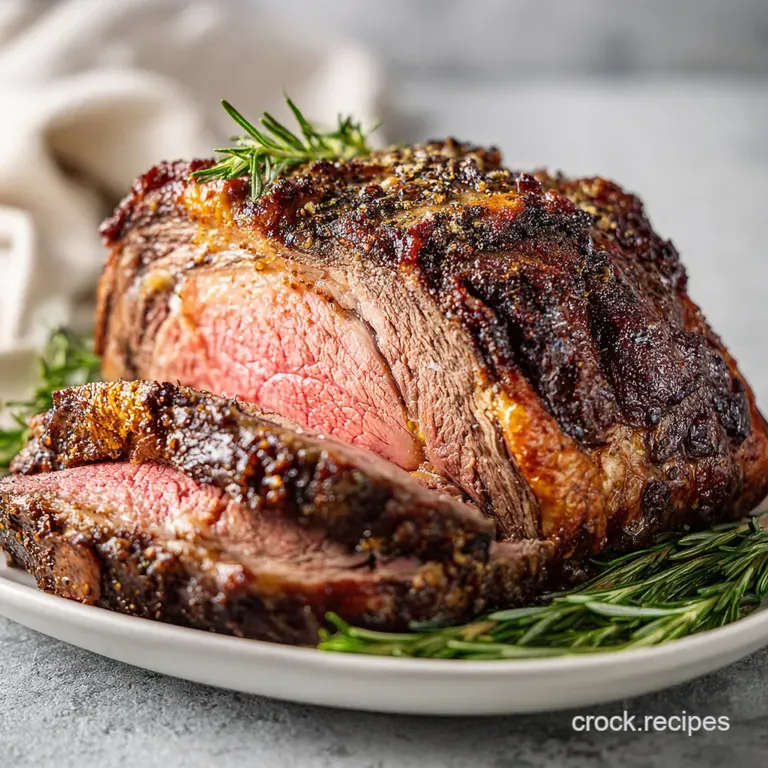
- Time: Active 30 minutes, Passive 24 hours 4 hours, Total 4 hours 30 mins
- Flavor/Texture Hook: A velvety, melt in-your mouth interior protected by a salty, herb crusted exterior that provides a satisfying shatter.
- Perfect for: Holiday gatherings, celebratory Sunday dinners, or when you need a comforting, hearty center piece.
- Master the Classic Prime Rib Recipe for a Perfect Holiday Roast
- Essential Specs for Your Standing Rib Roast Success
- Selecting Premium Ingredients for Deep Savory Flavor
- Tools for Precision Cooking and the Perfect Crust
- Transforming the Raw Roast into a Culinary Masterpiece
- Solving Common Challenges for a Flawless Result
- Adapting the Recipe for Different Diets and Cuts
- Keeping Leftovers Fresh and Using Every Last Scrap
- Pairing Your Roast with the Best Sides and Wine
- Common Myths Surrounding the Standing Rib Roast
- CRITICAL High in Sodium
- Recipe FAQs
- 📝 Recipe Card
Master the Classic Prime Rib Recipe for a Perfect Holiday Roast
The scent of roasting beef, garlic, and woody rosemary has a way of anchoring a home. In many cultures, the Sunday roast isn't just a meal; it's a ritual of patience and reward. Growing up, the sight of a massive standing rib roast meant the "good" china was coming out and the house would soon be filled with a hearty, comforting aroma that lingered in the curtains for days.
It represents the pinnacle of communal eating, where the cook's primary job is to respect the quality of the meat through careful, steady heat.
This prime rib recipe is built on the foundation of the British "Sunday Joint," but we've adapted it with a few modern tricks to ensure you never end up with that dreaded gray ring of overcooked meat.
I remember the first time I tried to cook one of these for a crowd; I was so terrified of undercooking it that I blasted it with heat. The result was a tough, dry exterior and a center that looked more like leather than luxury.
That's when I learned that beef of this caliber requires a gentle hand and a layer by-layer approach to flavor.
We aren't just cooking meat here; we are building a satisfying experience. By letting the roast sit in a salt brine and then slowly bringing it up to temperature, we allow the fat to render softly, basting the muscle fibers from the inside out.
When you finally pull that roast from the oven, the sizzle of the ghee herb rub hitting the hot air is a sound you won't soon forget. It’s the kind of meal that makes everyone at the table go silent for a moment after the first bite, just soaking in the richness.
Essential Specs for Your Standing Rib Roast Success
When we talk about a prime rib recipe, we are dealing with thermodynamics just as much as we are dealing with seasoning. The goal is a uniform internal temperature, which is surprisingly hard to achieve with a seven pound piece of meat.
Most home ovens have hot spots, and the bone in nature of this roast adds another layer of complexity because bones act as insulators. We have to account for the way heat travels through the dense marbling and the thick fat cap.
The logic behind our 225°F (107°C) start is all about enzyme activity. As the meat warms slowly, naturally occurring enzymes called cathepsins become active, breaking down tough connective tissues before the heat gets high enough to denature them into a firm state.
It’s like a built in tenderizing system that only works if you don’t rush the process. If you go too fast, you lose the velvety texture that makes prime rib the king of the table.
The Power of the 24 Hour Salt Brine: Salt doesn't just sit on the surface; over 24 hours, it dissolves into a brine that is pulled deep into the muscle fibers, seasoning the meat all the way to the bone.
Moisture Control through Evaporation: Leaving the roast uncovered in the fridge dries out the exterior skin, which is the only way to get that satisfying shatter when we do the over high heat finish.
The Ghee Barrier: Using grass fed ghee instead of butter provides a higher smoke point, allowing the herbs to toast during the final sear without the milk solids burning and turning bitter.
Thermal Carryover Management: Taking the meat out at 120°F (49°C) accounts for the fact that the internal temp will continue to rise while it rests, landing right at a perfect medium rare.
| Roast Thickness | Internal Temp for Pulling | Resting Time | Visual Cue for Done ness |
|---|---|---|---|
| 2-3 Bones | 120°F (49°C) | 30-45 mins | Warm, vibrant pink center |
| 4-5 Bones | 118°F (48°C) | 45-60 mins | Uniform rose colored slices |
| Boneless (7 lb) | 122°F (50°C) | 30 mins | Juicy, tender yielding |
Between the initial prep and the final carve, the resting phase is perhaps the most critical part of the entire operation. If you cut into that roast too early, the velvety juices will flood the cutting board, leaving the meat fibers parched and disappointing.
Think of the rest as the final stage of the "cook," where the pressure inside the meat equalizes and the fat settles back into the grain.
Selecting Premium Ingredients for Deep Savory Flavor
To make this prime rib recipe truly stand out, you have to start with the best beef you can find. I always suggest looking for a Choice or Prime grade roast with plenty of white marbling streaking through the eye of the meat. That marbling is what melts during the low and slow phase, creating that satisfying, buttery mouthfeel. If you are interested in exploring other high end beef preparations, you might find the techniques in a classic beef tartare recipe helpful for understanding raw meat quality and fat distribution.
| Ingredient | Science Role | Pro Secret |
|---|---|---|
| 7 lb Rib Roast | Primary Protein | Keep the bones attached; they act as a natural roasting rack and add flavor. |
| Coarse Kosher Salt | Moisture Retention | Apply 24 hours early to allow the salt to penetrate the protein structure. |
| Grass fed Ghee | Fat Medium | Ghee has a higher smoke point than butter, ensuring a crisp crust without burning. |
| Fresh Rosemary/Thyme | Aromatic Layering | Mincing fresh herbs releases essential oils that infuse the fat cap during roasting. |
The supporting cast of ingredients is designed to complement the beef, not overwhelm it. The bone broth and red wine form the base of a deep, dark au jus that cuts through the richness of the fat.
Organic bone broth is essential here because it contains natural gelatin, which gives the sauce a velvety body without needing to add flour or heavy thickeners.
The garlic is another "make or break" element. I always grate it into a paste rather than just chopping it. Chopped garlic can burn and become acrid during the 500°F (260°C) sear, but a paste integrates into the herb ghee rub, creating a protective layer that toasts evenly.
It’s these small details that transform a standard meal into a truly comforting, hearty feast.
Tools for Precision Cooking and the Perfect Crust
You cannot "guess" your way through a prime rib recipe. Because of the size and the investment, precision is your best friend. A heavy duty roasting pan with a rack is non negotiable.
If the meat sits directly on the bottom of the pan, the bottom will stew in its own juices and become soggy, while we want the air to circulate 360 degrees around the roast.
Chef's Tip: If you don't have a roasting rack, you can create a "natural rack" by lining the bottom of the pan with thick slices of onion, celery, and carrots. It props the meat up and adds incredible flavor to the pan drippings.
A digital probe thermometer is the most important tool in your arsenal. You want the kind where the probe stays in the meat inside the oven and connects to a display on your counter.
This allows you to monitor the internal temperature without constantly opening the oven door, which causes temperature fluctuations that can add 30 minutes to your cook time.
For the final over high heat blast, make sure your kitchen is well ventilated; that fat is going to sizzle, and a little smoke is a sign that the crust is forming properly.
Transforming the Raw Roast into a Culinary Masterpiece
The Dry Brine: Twenty four hours before cooking, pat the 7 lb roast completely dry with paper towels. Rub 3 tbsp coarse kosher salt liberally over all sides, including the ends and the fat cap. Note: This allows the salt to penetrate deep into the meat through osmosis.
The Air Dry: Place the salted roast on a roasting rack set over a tray. Put it in the refrigerator, uncovered, for a full 24 hour period. Wait until the surface looks dark and tacky, which indicates moisture has evaporated.
Temper the Meat: Two hours before roasting, remove the meat from the refrigerator. Let it sit at room temperature to ensure even heat distribution. Note: Cold meat in a warm oven leads to uneven cooking.
Prepare the Oven: Preheat your oven to 225°F (107°C). This low temperature is essential for the reverse sear method to work effectively.
Apply the Rub: In a small bowl, mix 4 tbsp grass fed ghee, 2 tbsp fresh rosemary, 1 tbsp fresh thyme, 6 cloves grated garlic, and 1 tbsp black pepper. Slather this paste over the entire surface of the roast until it is fully coated.
The Slow Roast: Insert the digital probe into the thickest part of the meat. Place the roast in the oven and cook until the internal temperature hits 120°F (49°C). This usually takes about 3.5 to 4 hours.
The Mandatory Rest: Remove the roast from the oven and tent it loosely with foil. Let it rest for 30 to 45 minutes. Do not skip this step; it allows the juices to redistribute and the temperature to rise to a perfect 130°F-135°F.
The over High heat Blast: While the meat rests, increase the oven temperature to 500°F (260°C). Return the rested meat to the oven for 6 to 10 minutes until the crust is dark mahogany and sizzling.
Make the Au Jus: While the meat takes its final rest after the sear, place your roasting pan over two burners on the stove. Add 0.5 cup dry red wine to deglaze, scraping up the browned bits. Pour in 2 cups beef bone broth and 1 tbsp Worcestershire sauce.
Final Reduction: Simmer the sauce for 5-8 minutes until it thickens slightly and coats the back of a spoon. Strain into a bowl and serve alongside the carved roast.
Solving Common Challenges for a Flawless Result
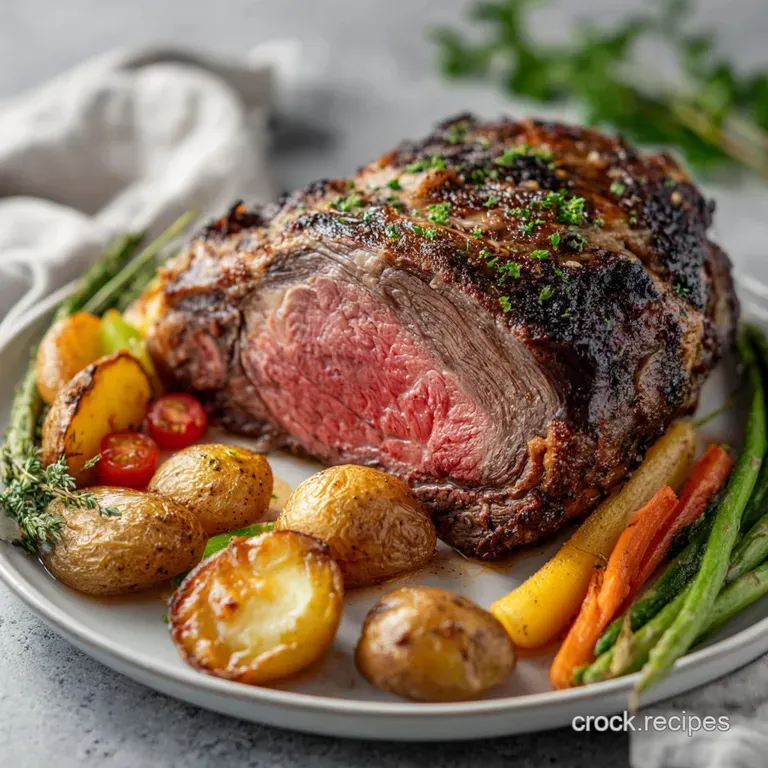
One of the biggest issues people face with a prime rib recipe is the "gray ring." This happens when the exterior of the meat cooks much faster than the interior, usually because the oven temperature was too high.
By starting at 225°F (107°C), we ensure the heat penetrates slowly and evenly. If you find your meat is taking much longer than expected, it might be due to "the stall," where moisture evaporating from the surface of the meat cools it down.
Just be patient; the temperature will eventually start to climb again.
Avoiding the Dreaded Gray Ring
The gray ring is essentially overcooked beef. If you see more than a quarter inch of gray around the pink center, your oven was likely too hot or you didn't let the meat temper properly before roasting.
Always use a standalone oven thermometer to verify your oven’s accuracy, as many household ovens can be off by 25 degrees.
Dealing with a Smoky Kitchen
When you put that ghee covered roast into a 500°F (260°C) oven, there will be smoke. This is normal! However, to minimize it, make sure your roasting pan is clean of any stray herbs or sugar based marinades from previous uses.
Using ghee instead of butter is the best way to prevent the smoke from becoming overwhelming.
| Problem | Root Cause | Solution |
|---|---|---|
| Meat is tough | Rushed cooking or no rest | Use the 225°F (107°C) method and rest for at least 30 mins. |
| No crust | Surface was too wet | Ensure the 24 hour dry brine is done uncovered in the fridge. |
| Au jus is salty | Too much reduction | Dilute with a splash of water or unsalted bone broth. |
- ✓ Pat the meat bone dry before salting to ensure the brine starts immediately.
- ✓ Always use a wire rack; never let the roast sit in its own liquid during the slow cook.
- ✓ Place the thermometer probe in the center, avoiding any contact with the bone.
- ✓ Tent with foil loosely tight wrapping will trap steam and soften the crust.
- ✓ Slice against the grain to maximize the tenderness of each bite.
Adapting the Recipe for Different Diets and Cuts
Not everyone wants a three bone standing roast. If you have a boneless rib roast, the same logic applies, but it will cook about 20% faster because there are no bones to shield the meat. You’ll want to pull it at 122°F (50°C) because it lacks the thermal mass of the bones to hold heat quite as long. For those looking for a lighter accompaniment to this hearty meal, you might consider serving it with a Halal white sauce if you prefer a creamy element over a traditional red wine au jus.
If you need to scale this prime rib recipe down for a smaller group, you can use a two bone roast. Reduce the salt and rub proportionally, but keep the oven temperatures exactly the same. The time will be shorter, but the target internal temperature remains the anchor of the recipe.
For a larger crowd (5+ bones), you may need to increase the roasting time by an hour, but check the probe frequently after the 3 hour mark.
| Fresh/Traditional | Shortcut/Alternative | Why It Works |
|---|---|---|
| Dry Brine (24 hrs) | Quick Salt (2 hrs) | Good flavor, but won't be as tender or have as crispy a crust. |
| Fresh Herb Rub | Dried Herb Rub | Dried herbs are more concentrated; use 1/3 the amount. |
| Red Wine Au Jus | Beef Gravy Packet | Note: Much saltier and lacks the depth of wine reduction. |
For a budget friendly version, you can apply this exact technique to a "Top Sirloin Roast" or a "Tri Tip." While they won't have the same fatty richness as a ribeye cut, the reverse sear method will make them much more tender than traditional over high heat roasting.
Just be sure to slice them very thin to break up the muscle fibers.
Keeping Leftovers Fresh and Using Every Last Scrap
One of the best things about a massive prime rib is the leftovers. The key to storage is keeping the meat as whole as possible. Don't slice the entire roast at once; only cut what you plan to eat that night. Wrap the remaining roast tightly in plastic wrap and then foil to prevent it from drying out.
It will stay fresh in the fridge for up to 4 days.
For reheating, avoid the microwave at all costs it will turn your beautiful medium rare beef into rubber. Instead, place slices in a baking dish with a few tablespoons of leftover au jus or broth, cover with foil, and warm in a 250°F (120°C) oven until just heated through.
This "steaming" method keeps the meat velvety and satisfying.
If you have bones left over, do not throw them away. They are a goldmine for flavor. Throw them into a large pot with some peppercorns, an onion, and a few carrots. Cover with water and simmer for 6-8 hours to create a rich beef stock that puts store-bought versions to shame.
You can even use the leftover fat (the tallow) to roast potatoes the next day it’s the most flavorful cooking fat in existence.
Pairing Your Roast with the Best Sides and Wine
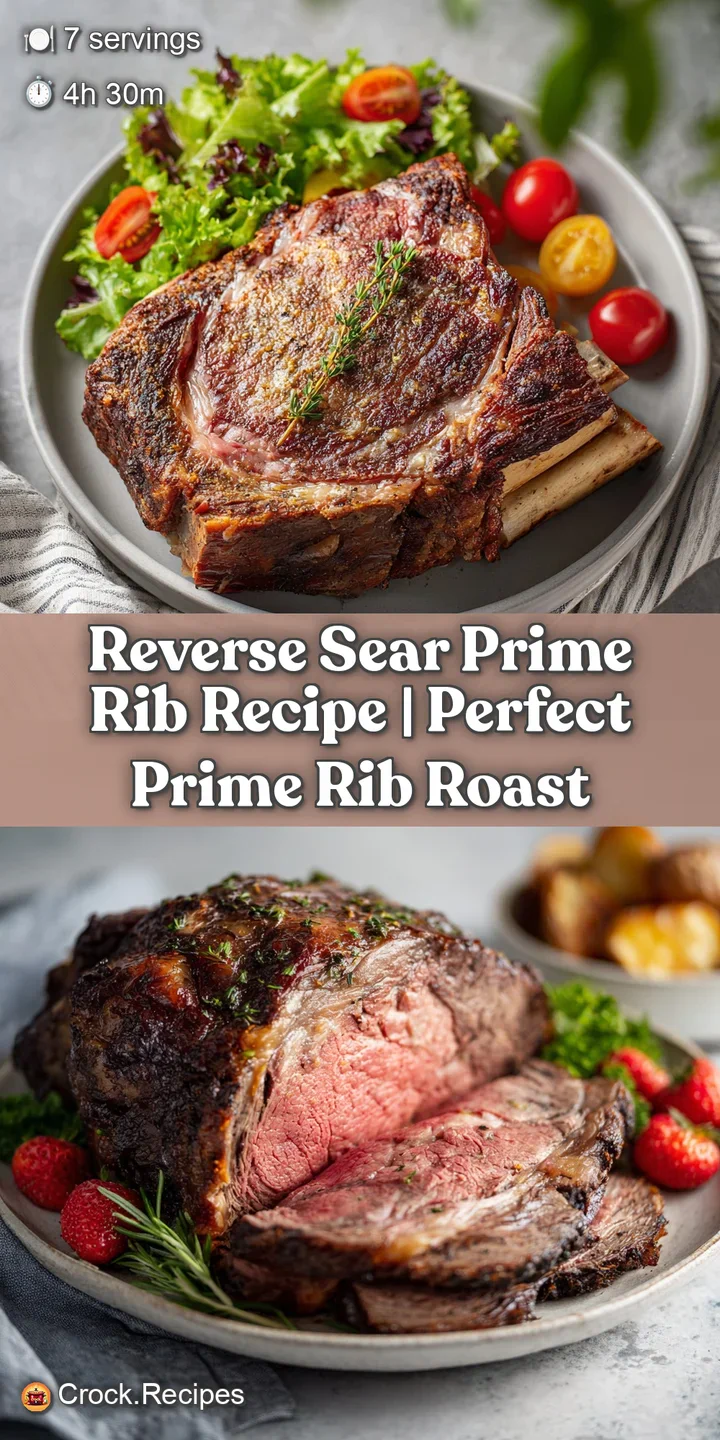
A meal this hearty needs sides that can stand up to the richness without being too heavy. Creamy horseradish sauce is the classic partner for a reason; the sharp heat cuts right through the fat of the prime rib. I also love serving this with a side of roasted root vegetables or a crisp green salad with a lemon vinaigrette to provide some acidity. If you want to lean into the comfort food aspect, a batch of Easy Homemade Focaccia is perfect for mopping up every last drop of that red wine au jus.
For wine pairings, look for something with significant tannins and structure. A Cabernet Sauvignon or a Malbec are traditional choices because the tannins in the wine bind to the proteins in the beef, cleaning your palate between bites.
If you prefer white wine, a heavily oaked Chardonnay can actually work quite well, as the buttery notes in the wine mirror the richness of the rendered fat cap.
- If you want a classic pairing, go with a full bodied Cabernet Sauvignon from Napa Valley.
- If you want a more rustic feel, try a Northern Rhône Syrah which adds a peppery, smoky note.
- If you want to keep it light, a bold Pinot Noir from Oregon has enough acidity to balance the ghee and garlic rub.
Common Myths Surrounding the Standing Rib Roast
There is a persistent myth that you must "sear the meat first to seal in the juices." Science has proven this wrong time and again. Searing creates flavor through the Maillard reaction, but it doesn't create a moisture proof barrier.
In fact, searing first often results in a thick gray ring of overcooked meat because the outside is exposed to high heat for too long. By searing at the end (the reverse sear), we get all the flavor with none of the moisture loss.
Another myth is that you should always cook prime rib to medium. While some people prefer it that way, most chefs agree that medium rare (around 130°F-135°F after resting) is the sweet spot.
This is the temperature at which the fat begins to fully melt and lubricate the meat fibers, but before the proteins tighten up and become tough. If you go beyond medium, you lose the "prime" quality that you paid for.
Finally, don't believe the idea that you need to baste the meat every 30 minutes. Every time you open that oven door, you lose heat and increase the total cook time. The fat cap on a rib roast is a built in basting system. As it melts, it naturally runs down the sides of the meat, keeping it moist.
Trust the process, keep the door shut, and let the thermometer do its job. It’s the most satisfying way to ensure a perfect result every single time.
CRITICAL High in Sodium
1180 mg of sodium per serving (51% of daily value)
The American Heart Association recommends limiting sodium intake to less than 2,300mg per day, with an ideal limit of 1,500mg per day for most adults.
Tips to Reduce Sodium
-
Choose Low-Sodium Broth-30%
Opt for organic beef bone broth with a 'low sodium' or 'no salt added' label. This is a significant source of sodium and a simple swap can make a big difference.
-
Reduce Coarse Salt-25%
Significantly cut back on the 3 tbsp of coarse kosher salt used for seasoning. You can reduce this by half or more and still achieve a flavorful roast.
-
Use Low-Sodium Worcestershire Sauce-20%
Replace the standard 1 tbsp of Worcestershire sauce with a 'low sodium' version. Regular Worcestershire can be surprisingly high in sodium.
-
Boost Fresh Herbs and Spices
Emphasize the use of fresh rosemary, thyme, garlic paste, and black pepper to enhance flavor. These ingredients add depth without contributing sodium.
Recipe FAQs
What is the best method to cook a prime rib?
The reverse sear method is superior. By roasting the meat at 225°F until it hits 120°F, then finishing it at 500°F for a crust, you ensure edge-to-edge pink doneness without the gray ring.
What is the 500 rule for prime rib roast?
This refers to the final high heat searing step. After the roast has rested, you increase the oven to 500°F to develop a dark mahogany crust in 6 to 10 minutes.
How long do you cook prime rib per pound?
Rely on internal temperature rather than time per pound. The cook time is approximately 4 hours, but you must pull the roast when a probe thermometer registers 120°F for medium rare.
Is prime rib good for heart patients?
No, this is a common misconception regarding its place in a healthy diet. Prime rib is a very high calorie, high fat cut of meat that should be consumed sparingly if monitoring heart health.
Can I speed up the dry-brining process?
No, the 24-hour window is essential for proper moisture redistribution and flavor depth. If you enjoyed mastering this slow roasting protein technique here, you will find the same patience pays off in our one-dish chicken recipe.
How to ensure the herb paste sticks to the meat?
Pat the exterior completely dry with paper towels before application. Any excess surface moisture will prevent the ghee, garlic, rosemary, and thyme paste from adhering properly to the roast.
How to properly rest a large roast?
Tent the meat loosely with foil on a cutting board for 30 to 45 minutes. This allows the internal juices to redistribute throughout the muscle fibers, resulting in a more tender and succulent texture.
Reverse Sear Prime Rib
Ingredients:
Instructions:
Nutrition Facts:
| Calories | 648 kcal |
|---|---|
| Protein | 44.8 g |
| Fat | 49.2 g |
| Carbs | 2.4 g |
| Fiber | 0.4 g |
| Sugar | 0.6 g |
| Sodium | 1180 mg |
