Roasted Cauliflower Steaks: the Butchers Cut with Smoked Paprika Rub
- Setting the Scene: From Humble Understudy to Main Course Star
- The Science of Sizzle: Why These Roasted Cauliflower Steaks Work
- Essential Provisions: Ingredients for the Ultimate Cauliflower Steak
- The Method: How to Prepare and Roast Your Cauliflower Steaks
- Troubleshooting the Roast: Chef's Tips for Perfect Results
- Extending the Life of Your Main: Storage and Reheating Guide
- Completing the Plate: Inspired Serving Pairings for Roasted Cauliflower Steaks
- Recipe FAQs
- 📝 Recipe Card
Setting the Scene: From Humble Understudy to Main Course Star
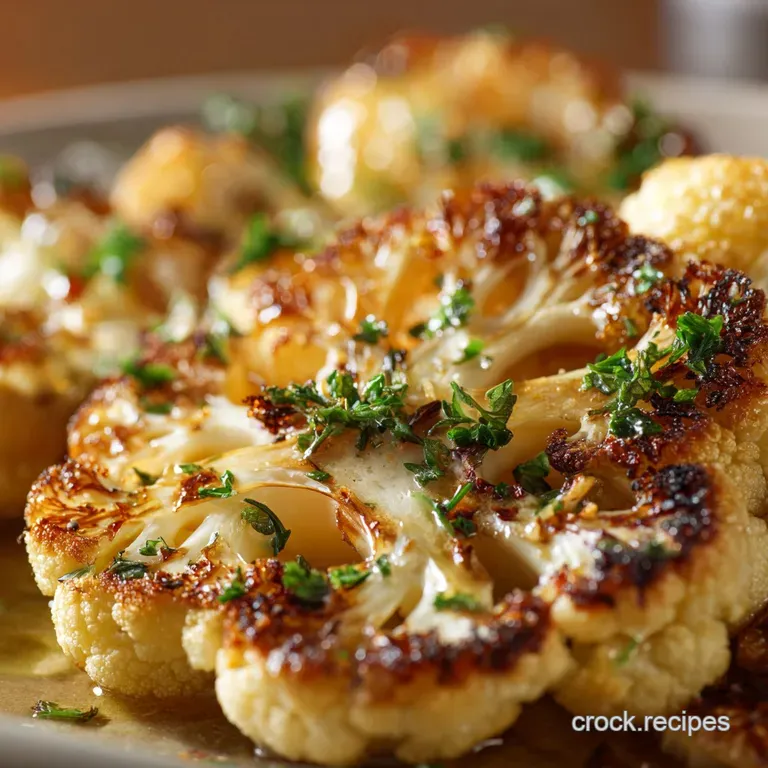
Stop boiling your cauliflower until it smells like sadness. Seriously, stop it. When you treat cauliflower like the magnificent canvas it is cutting it into thick, sturdy slabs and roasting it hard the edges crisp up into nutty, deep caramelization while the centre becomes incredibly creamy.
It smells like pure comfort, slightly smoky, and utterly divine the moment it leaves the oven.
This dish is a lifesaver, especially if you’re trying to eat more vegetables without sacrificing that satisfying, "meaty" texture. It takes about fifteen minutes of actual work, costs next to nothing, and serves as a show and stopping vegetarian main course that even the most dedicated carnivores won’t scoff at.
It's truly brilliant.
I used to think cauliflower was just a side act, but these Roasted Cauliflower Steaks are the headliner. We’re using a over high heat technique and a vibrant, smoked paprika rub to achieve a flavor depth you won't believe. Ready to crack on with the easiest showstopper recipe ever?
The Science of Sizzle: Why These Roasted Cauliflower Steaks Work
What Exactly Is a Cauliflower Steak?
A cauliflower steak is exactly what it sounds like: a thick, cross and section slice of the whole head. The crucial difference between a ‘steak’ and a floret is structural integrity. When done right, the steak holds together on your plate like a gorgeous piece of roasted architecture.
The Butcher's Cut: Why Slicing Matters for Texture
The key to keeping your steak intact is the central core. This hard, fibrous spine acts as the glue. You must slice directly through the core to secure the florets, otherwise, you just end up with fancy roasted Buffalo Cauliflower Bites UltraCrispy Baked Vegan Wings Recipe . Slicing them thick about one inch gives you enough surface area for that amazing char without having the centre turn to mush.
Meet the Flavor Profile: Paprika, Lemon, and the Roasting Deep Dive
We’re using Smoked Paprika (Pimentón Ahumado) because it provides immediate, deep complexity that complements the natural sweetness that develops when the vegetable caramelizes.
The finishing touch of fresh lemon juice is non and negotiable; that acid brightens everything up and cuts through the richness of the roasting oil.
Maximizing the Maillard Reaction: High Heat is Non and Negotiable
This is where the magic happens. The Maillard reaction is just a fancy term for browning, and it’s what gives the cauliflower its nutty, almost buttery flavor. To maximize it, we start at 400°F (200°C). Don't be timid with the heat!
Lower temperatures will steam the cauliflower, giving you pale, sad results.
Achieving the Perfect Interior: Tenderizing vs. Boiling
Unlike some recipes that suggest par and boiling (which I hate because it dilutes the flavor), we are relying solely on the oven. We start high for the crust, then we flip the steaks and slightly reduce the temperature for the last segment of the cook time.
This ensures the heat penetrates and tenderizes the core fully without incinerating the edges.
The Power of Fat: Oil Quantity for Optimal Caramelization
You need enough olive oil to act as a binder for the spices and a conductor for the heat. Too little, and the spices won’t stick, and the cauliflower will dry out. Too much, and the steaks will absorb it all, becoming greasy and soggy instead of caramelized.
Trust me, 3 tablespoons for a whole head is the perfect sweet spot for that deep, dark crust.
Chef's Note: Use a good quality olive oil, but don't splurge on the most expensive finishing oil. Since we're roasting at high heat, a slightly more robust, less delicate oil is actually preferable.
Essential Provisions: Ingredients for the Ultimate Cauliflower Steak
| Ingredient | Role | Substitute Suggestion |
|---|---|---|
| Large Cauliflower Head | The Star | Thick and cut slices of large, robust broccoli stems (Adjust cook time!) |
| Smoked Paprika | The Flavor Driver | Standard sweet paprika + a small pinch of chipotle powder or liquid smoke |
| Olive Oil | The Binder & Conductor | High smoke point oils like Avocado Oil or Canola Oil |
| Garlic Powder | Essential Aromatic | Onion Powder works well, but reduce the amount slightly |
| Lemon Juice | The Finisher | White wine vinegar or a high and quality balsamic glaze (for a darker finish) |
Selecting the Perfect Head: Size, Density, and Freshness Check
You want the biggest, densest, whitest head of cauliflower you can find. Pick it up; it should feel heavy for its size. The florets should be tightly packed with no dark spots or mushy bits. A big head yields two perfect, sturdy 1 inch thick steaks, which is ideal for two main servings.
Detailed Notes on Smoked Paprika vs. Standard Paprika
Do not skimp on the smoked paprika here. Standard (sweet) paprika is fine for colour, but it lacks the depth of flavor needed to transform the cauliflower from "side dish" to "steak." Smoked paprika, or Pimentón Ahumado , brings a woodsy, complex smokiness that genuinely tricks your brain into thinking this is a much more substantial meal.
Swapping the Binder: Alternative Oils and Seasonings
If you are worried about the olive oil hitting a high temperature, feel free to swap it for avocado oil. Avocado oil has a much higher smoke point, making it excellent for over high heat roasting without breaking down.
As for other seasonings, feel free to add a pinch of cumin or coriander, but start light the paprika really needs to shine.
The Method: How to Prepare and Roast Your Cauliflower Steaks

Preparation and Slicing: Securing the Core for Intact Steaks
First, remove all the outer green leaves. Place the cauliflower stem and side down. Using your sharpest knife, cut the whole head in half, straight down the middle. Now, with both halves on the board, slice two 1 inch thick sections from the centre.
The trick is making sure the entire slice contains a cross and section of the core. If you miss the core, you just have a pile of florets waiting to crumble. (Don’t worry about the leftover bits they roast up wonderfully.)
The Seasoning Strategy: Coating Uniformly for Maximum Flavor Adhesion
Mix your smoked paprika, garlic powder, salt, pepper, and dried herbs in a small bowl. Use a pastry brush or just your (clean!) hands to rub the olive oil onto both sides and the edges of the steaks. This thin layer of oil is the binder. Then, sprinkle the dry rub generously and gently pat it onto the surface.
You want wall and to-wall coverage for maximum flavour.
Oven Time Management: Flipping and Checking for Internal Tenderness
Roast the steaks at 400°F (200°C) for 15 minutes to initiate that aggressive caramelization. After 15 minutes, carefully flip them.
Warning: if the paprika looks like it's getting too dark, reduce the heat to 375°F (190°C) for the remaining 15- 20 minutes. The cauliflower is done when the tip of a fork slides into the centre with no resistance. It should feel buttery and tender.
Troubleshooting the Roast: Chef's Tips for Perfect Results
Achieving Deep Color Without Burning: Temperature Calibration
My big mistake early on was not adjusting the temperature after the flip. Paprika contains sugars that burn easily. If you see the spice mixture on the bottom side looking very dark after the initial 15 minutes, pull the temperature back to 375°F (190°C).
This allows the inside to finish cooking while preventing the beautiful crust from turning acrid.
The Mistake of Overcrowding: Ensuring Airflow for a Crisp Edge
Never, ever overcrowd your baking sheet. Cauliflower releases moisture as it cooks, and if the pieces are too close, that moisture gets trapped, creating steam. Steaming ruins the crispness we worked so hard to achieve.
Use two sheets if necessary, making sure there is at least an inch of space between the steaks and florets.
Preventing Crumbling: The Importance of a Sharp Knife and Steady Hand
This mostly comes down to the quality of your cut. I once used a dull knife, and the jagged edge tore the core, resulting in two perfectly seasoned piles of florets. A sharp chef’s knife slicing in one smooth motion through the centre is essential.
If you feel resistance, reposition your knife rather than sawing back and forth.
Extending the Life of Your Main: Storage and Reheating Guide
Best Practices for Storing Leftover Roasted Cauliflower Steaks
Cauliflower steaks are actually lovely leftovers. They will last tightly sealed in an airtight container in the fridge for up to 4 days. They definitely lose some of their crispness, but the flavor intensifies overnight. I don’t recommend freezing these.
The texture becomes disappointingly mushy upon thawing, defeating the purpose of the 'steak' structure.
Reheating to Retain Texture: The Oven vs. Microwave Dilemma
Please, for the love of all that is crispy, do not microwave them. Microwaving turns them into a soft, steamy mess. The best method is the oven or an air fryer. Pop them back onto a baking sheet in a 350°F (175°C) oven for about 8- 10 minutes, or until sizzling hot.
This revives some of that caramelization and restores texture.
Completing the Plate: Inspired Serving Pairings for Roasted Cauliflower Steaks
These smoky roasted cauliflower steaks are hearty enough to stand alone, but they shine even brighter with a cooling sauce and a rich side.
Sauces and Condiments to Complement Smoked Paprika
Since we have those gorgeous Spanish/Mediterranean flavours going on, a vibrant green sauce is the perfect contrast. I love serving this with a zesty, fresh Chimichurri or a simple Tahini and Lemon dressing. A cooling, herby yogurt dip also works wonders to balance the intense smoky paprika.
Pairing Suggestions
- For the Ultimate Comfort: Serve these alongside creamy, rich carbs. They pair perfectly with my recipe for Slow Cooker Garlic Mashed Potatoes: Creamy, Hands and Off Roasted Perfection .
- The Vegetable Plate: If you want an all and vegetable feast, accompany the steaks with a side of my proper Cheesy Slow Cooker Cauliflower: Ultra and Creamy, Hands and Off Side Dish (yes, doubling down on cauliflower is allowed, especially when one is crispy and one is creamy!).
- Freshness: A simple rocket and shaved parmesan salad, tossed lightly in olive oil, adds the needed peppery bite to contrast the depth of the roast.
Recipe FAQs
How do I slice the cauliflower so the "steaks" don't fall apart during roasting?
To keep the steaks intact, you must leave the central core attached to the slices, as this acts as the structural binder holding the florets together. First, slice the whole head vertically right through the center, then make 1 inch thick cuts on either side, ensuring each piece retains a portion of the stem.
Any remaining loose florets can be roasted alongside the steaks, but will cook faster than the thicker cuts.
Why are my cauliflower steaks mushy or steamed instead of crisp and caramelized?
Mushiness usually results from overcrowding the sheet pan, which traps moisture and causes the cauliflower to steam rather than roast. Ensure your oven is fully preheated to the required high temperature (400°F or higher) and use two separate sheet trays if necessary to allow proper air circulation around each steak.
High heat and space are essential for promoting the Maillard reaction and achieving a crisp, dark crust.
Can I substitute the smoked paprika with another spice for a different flavor?
Smoked paprika provides a crucial depth, but you can certainly experiment with other flavor profiles. For a spicy, earthy flavor, substitute the paprika with a blend of ground cumin and a pinch of cayenne pepper.
For a herbaceous note, try using dried oregano, garlic powder, and a touch of rosemary, ensuring you still use plenty of oil for optimal browning.
How can I tell when the cauliflower steaks are perfectly cooked?
The steaks are done when they are deeply browned and caramelized on the surface, which is when the flavor truly develops, and the center can be easily pierced with a fork without any resistance.
While this typically takes 20-25 minutes, ignore the clock and focus on the visual cues of a rich, dark golden color and buttery internal tenderness. Removing them too early will leave them crunchy and less flavorful.
Is it possible to make this recipe oil-free or lower fat?
While oil is crucial for achieving the signature crispy crust, you can reduce the fat by using a high heat cooking spray instead of a heavy pour of olive oil. For a strictly oil-free approach, toss the steaks with a savory marinade made from vegetable broth, vinegar, and seasonings, though the resulting texture will be noticeably softer and less golden brown.
Ensure you use parchment paper to prevent sticking when cooking oil-free.
How should I store and reheat leftover cauliflower steaks?
Store cooled leftover cauliflower steaks in an airtight container in the refrigerator for up to 3 days. To reheat while retaining the best texture, place them back in a hot oven or an air fryer at 350°F (175°C) for a few minutes until warmed through, which helps the crust re-crisp.
Avoid using the microwave, as it introduces steam and makes the steaks rubbery and overly soft.
Can I prepare the cauliflower steaks ahead of time?
You can slice the steaks and apply the seasoning and oil up to an hour before roasting, but do not leave them sitting longer than that, as the salt may begin to draw moisture out. Freezing cooked cauliflower is not recommended, as the high water content results in a severely degraded texture upon thawing.
This recipe is best prepared and eaten fresh for maximum flavor and satisfying texture.
Roasted Cauliflower Steaks Recipe

Ingredients:
Instructions:
Nutrition Facts:
| Calories | 122 kcal |
|---|---|
| Protein | 0.9 g |
| Fat | 11.3 g |
| Carbs | 4.3 g |
