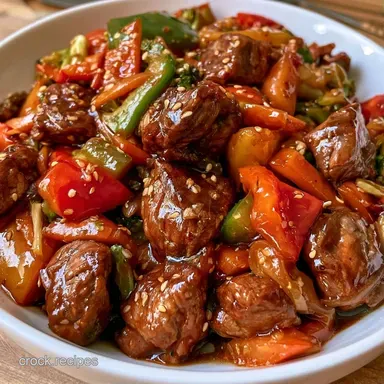
Tender Slow Cooker Asian Beef Vegetables
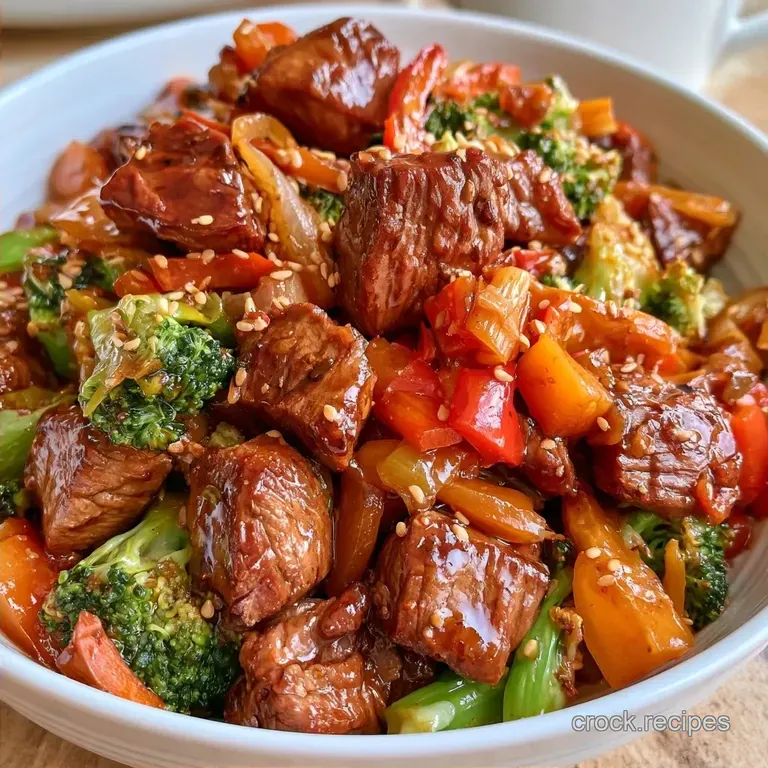
- Time:15 minutes active + 8 hours cooking
- Sensory Profile: Fall-apart tender beef with crisp, colorful vegetables
- Ideal for: Effortless weeknight prep or a comforting family meal
- Quick Guide to the Meal
- Why the Flavor Hits Right
- The Grocery List
- Essential Gear for the Job
- Making Slow Cooker Asian Beef Vegetables
- What Each Ingredient Does
- Solving Common Cooking Hiccups
- Saving and Freezing Leftovers
- Twists on the Classic Recipe
- Best Sides for the Beef
- Critical Sodium Level
- Recipe FAQs
- 📝 Recipe Card
My first attempt at a "fakeaway" dinner was a complete disaster. I made the mistake of tossing everything into the pot at once, including the broccoli. By the time the beef was tender eight hours later, the broccoli had turned into a grey, salty paste that looked like baby food.
I learned the hard way that slow cooking requires careful timing rather than just dumping ingredients. The secret is to treat the vegetables as a separate step. Braise the meat for the long haul and only stir in the greens as you approach the finish line.
This version of Slow Cooker Asian Beef Vegetables avoids that soggy outcome. You get a deep, mahogany glaze and beef that yields to a fork, paired with carrots and snap peas that still have a fresh snap.
Quick Guide to the Meal
Before we dive into the details, let's check the essentials. This is a hands off meal, though the beef needs a bit of time to develop. While the High setting works if you're pressed for time, the Low setting is the secret to achieving the perfect meat texture.
Per USDA recommendations, a beef roast's internal temperature should be 145°F, but in a slow cooker, we're aiming for that "fork tender" point where the meat nearly shreds.
| Goal? | Exact Change |
|---|---|
| More heat? | Add 1 tsp sriracha to the base |
| Thicker glaze? | Simmer on High 10 mins longer |
| Extra zing? | Add a squeeze of fresh lime |
Why the Flavor Hits Right
The reason this recipe beats the takeout version is the cut of meat. Using beef chuck means we're working with lots of connective tissue.
The Beef Cut: Slow heating turns tough collagen into gelatin, which gives the sauce a rich mouthfeel and the beef a tender bite.
Staggered Veggies: Adding the broccoli and carrots only in the final hour prevents them from overcooking. This keeps the colors bright and the textures crisp.
If you enjoy this style of savory sweet glaze, you'll probably like my Spicy Pineapple Stir Fry Sauce for a different twist on the same flavor profile.
| Method | Time | Texture | Best For |
|---|---|---|---|
| Slow Cooker | 8 hours | Melt in-mouth | Hands off prep |
| Stovetop | 45 mins | Firm & Seared | Quick cravings |
The Grocery List
I've found that fresh ginger is essential for this dish. Avoid using the powdered version, as it lacks the sharp, citrusy brightness needed to cut through the beef's richness.
For the Savory Beef Base
- 2 lbs beef chuck roast, cut into 1 inch cubes Why this? High collagen and fat content ensure tenderness
- 1/2 cup low sodium soy sauce Why this? Adds savory umami without excessive salt
- 1/3 cup brown sugar, packed Why this? Gives the sauce its sticky, dark mahogany color
- 1 tbsp toasted sesame oil Why this? Provides a rich, aromatic nuttiness
- 3 tbsp minced fresh ginger Why this? Adds a zesty, spicy contrast
- 4 cloves garlic, minced Why this? A critical savory building block
- 1/4 cup water or beef broth Why this? Prevents burning by thinning the sauce
For the Vegetable Blend
- 3 cups broccoli florets, bite sized Why this? A traditional pair that absorbs the glaze well
- 2 large carrots, sliced into coins Why this? Adds a pop of color and natural sweetness
- 1 cup snap peas, trimmed Why this? Brings a fresh, crisp snap to the dish
- 3 stalks green onions, sliced 1 inch Why this? A bright, oniony finishing touch
For the Finishing Glaze
- 2 tbsp cornstarch Why this? Thickens the sauce into a glossy glaze
- 2 tbsp cold water Why this? Ensures a smooth slurry without lumps
- 1 tsp toasted sesame seeds Why this? Offers a subtle, toasted crunch
Essential Gear for the Job
No specialized equipment is required, though a few tools can simplify the process. This recipe is designed for a 6 quart slow cooker; if your model is smaller, you may need to halve the amount of beef.
I typically use a whisk to mix the cornstarch slurry, but a small fork works well too. A sharp chef's knife is essential for cutting the beef into 1 inch cubes of equal size so that they cook evenly.
Making Slow Cooker Asian Beef Vegetables
Time to start the cooking process. The most important part is letting the meat cook thoroughly without rushing.
- In the base of your slow cooker, combine the soy sauce, brown sugar, sesame oil, minced ginger, and garlic. Stir the ingredients until the sugar is mostly dissolved.
- Add the cubed beef chuck to the Slow Cooker Asian Beef Vegetables base and toss the meat to ensure every piece is well coated in the sauce.
- Cover and set to Low for 7 to 8 hours (or High for 4 hours). Cook until the meat is tender and the sauce has darkened and reduced.
- About thirty to forty five minutes before serving, stir in the broccoli florets and sliced carrots. Note: This prevents them from becoming too soft.
- During the final 15 minutes of cooking, fold in the sliced green onions and snap peas.
- In a small bowl, whisk together the cold water and cornstarch until smooth, then stir this slurry into the slow cooker.
- Switch the heat to High for the last 10-15 minutes until the sauce becomes a rich, velvety glaze that clings to the beef.
- Garnish with toasted sesame seeds before serving.
What Each Ingredient Does
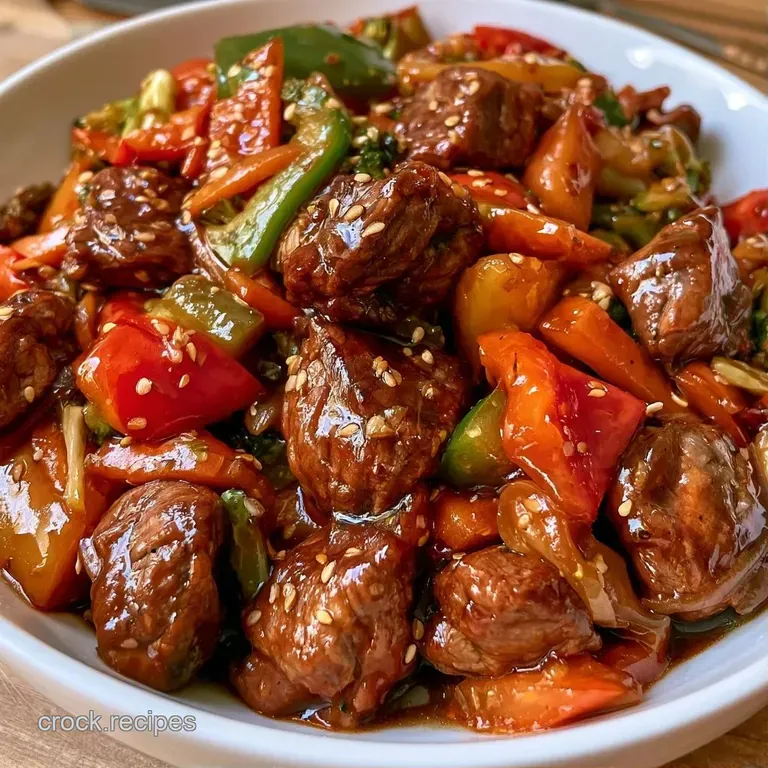
Knowing why we use these specific items helps when you're missing something in the pantry. Most of these act as "balancers" to make sure the dish isn't too salty or too sweet.
| Ingredient | What It Does | Best Swap |
|---|---|---|
| Beef Chuck | Provides richness and texture | Beef roast (similar cut) |
| Brown Sugar | Adds sweetness and color | Honey (makes it stickier) |
| Soy Sauce | Salt and deep umami | Tamari (for gluten-free) |
| Cornstarch | Thickens the liquid | Arrowroot powder |
The cornstarch is the hero of the final step. Without it, you just have a flavorful soup. With it, you have a glaze that actually sticks to the beef and broccoli.
Solving Common Cooking Hiccups
Even with a simple recipe, things happen. Most of the time, it comes down to the amount of liquid in the pot.
Fixing a Thin Sauce
If your sauce is still too watery after adding the slurry, it's usually because the beef released more juice than expected. Whisk an additional 1 tsp of cornstarch with 1 tsp of water and stir it in. Keep the cooker on High for at least 10 minutes to let the starch activate.
Preventing Overcooked Broccoli
If the broccoli looks limp, you likely added it too early. In the future, wait until the 30 minute mark. If it's already happened, you can stir in a handful of fresh, raw broccoli florets at the very end and let the residual heat soften them for 5 minutes.
Managing Too Much Liquid
Sometimes the beef chuck releases a lot of fat and water. If the sauce looks like a soup before you add the slurry, you can carefully skim the excess fat off the top with a spoon before thickening.
| Problem | Root Cause | Solution |
|---|---|---|
| Sauce is too salty | Low sodium soy wasn't used | Stir in 1 tbsp of water or a splash of rice vinegar |
| Beef is still tough | Not cooked long enough | Continue cooking on Low for another hour |
| Glaze is lumpy | Cornstarch added directly | Mix cornstarch with cold water first |
Saving and Freezing Leftovers
This dish is actually better the next day because the beef continues to soak up the soy and ginger flavors. Keep it in a sealed glass jar in the fridge for 3 days.
For the freezer, I recommend storing the beef and sauce together in a freezer safe bag, but leave the vegetables out. Since the broccoli and snap peas are cooked just to the edge of tenderness, they turn into mush when frozen and thawed.
To reheat, put the beef in a skillet over medium heat and add a splash of water. Once it's bubbling, toss in some fresh steamed broccoli to bring the meal back to life.
Twists on the Classic Recipe
You can easily tweak this to suit your mood. For a "Mongolian Beef" vibe, increase the brown sugar and add a pinch of crushed red pepper flakes to the base.
If you're looking for a different kind of comfort, you might prefer my Hearty Crock Pot Beef Stew, which swaps the Asian flavors for a classic herb heavy profile.
For those avoiding gluten, simply use Tamari or coconut aminos instead of soy sauce. The flavor stays almost identical, and the texture of the Slow Cooker Asian Beef Vegetables remains just as rich.
| Variation | Change | Result |
|---|---|---|
| Spicy | Add 1 tbsp Sriracha | Zesty, heat forward sauce |
| Low Carb | Use Monkfruit sweetener | Lower sugar, similar glaze |
| Extra Veg | Add sliced bell peppers | More color and crunch |
Best Sides for the Beef
The sauce is the star here, so you want sides that can soak it up. I almost always serve this over a bed of fluffy jasmine rice. The white grains provide a clean backdrop for the dark, savory glaze.
If you're skipping the rice, cauliflower rice is a great low carb alternative. Just sauté it with a bit of garlic and sesame oil before plating.
For something a bit more refreshing, a side of pickled cucumbers or a quick slaw with rice vinegar and sesame seeds cuts through the richness of the beef. It balances the meal and keeps you from feeling weighed down.
Trust me on this: don't skip the sesame seeds at the end. They add a tiny bit of texture and a professional look to the plate. Right then, you're ready to eat. Enjoy your Slow Cooker Asian Beef Vegetables!
Critical Sodium Level
1510 mg 1,510 mg of sodium per serving (66% 66% of daily value)
The American Heart Association recommends limiting sodium intake to no more than 2,300 mg per day, with an ideal limit of 1,500 mg for most adults.
Tips to Reduce Sodium
-
Switch to Coconut Aminos-30%
Replace the low-sodium soy sauce with coconut aminos, which provides a similar umami flavor with significantly less sodium.
-
Reduce Sauce Quantity-20%
Reduce the amount of soy sauce by half and supplement the liquid volume with water or a splash of unsalted beef stock.
-
Add Acidic Brightness-10%
Add a tablespoon of rice vinegar or fresh lime juice; the acidity mimics the 'bite' of salt and enhances existing flavors.
-
Enhance Aromatics
Increase the amount of fresh ginger and minced garlic, or add crushed red pepper flakes to add complexity without adding sodium.
Recipe FAQs
What is the best beef to use in a slow cooker?
Beef chuck roast is the ideal choice. Its high fat and connective tissue content break down over several hours, resulting in tender, pull apart meat.
How do I cook beef and vegetables in a slow cooker?
Braise the beef first on Low for 7 to 8 hours. Stir in carrots and broccoli 30 to 45 minutes before serving, then add snap peas and green onions during the final 15 minutes. If you enjoyed the flavor balancing of ginger and soy here, see how the same principle works in our homemade wonton soup.
Is it true that you can just dump meat and vegetables together at the start?
No, and here's why. Vegetables like broccoli and snap peas cook much faster than beef and will turn into a grey, salty mush if left for 8 hours.
Can you cook a stew in a crockpot for 15 hours?
No, avoid this. Most slow cookers will either overcook the meat into shreds or enter a "keep warm" mode that may not be safe for that duration.
Slow Cooker Asian Beef Vegetables