The Golden Standard Speedy Seafood Saffron Paella Paella Marinera Express
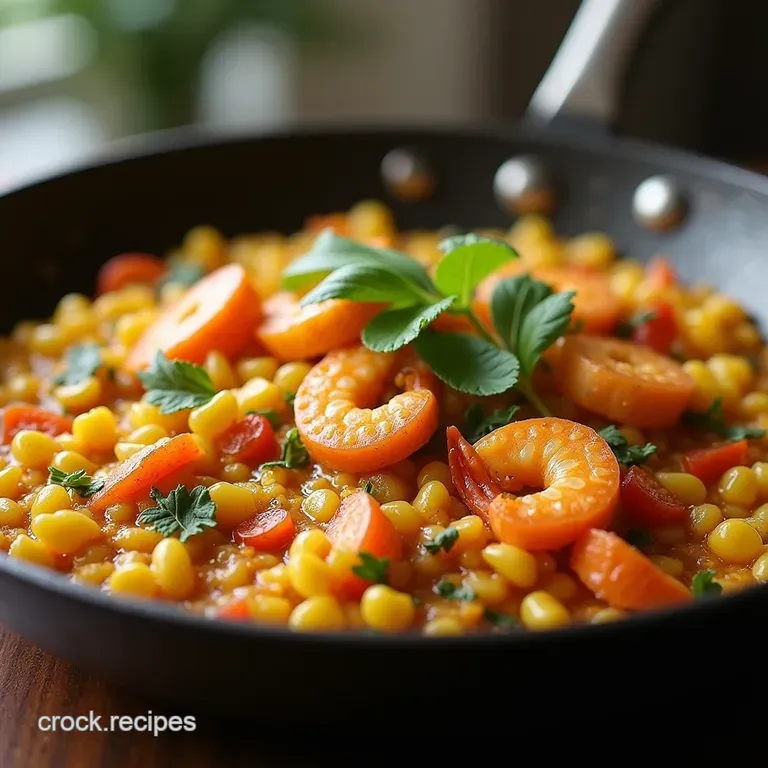
- Unlocking the Magic: Why This Paella Reigns Supreme Among Rice Main Dishes
- Saffron Secrets: The Essence of Authentic Marinera Flavor
- Assembling Your Pan: Essential Components for Perfect Paella
- The Crucial First Steps: Toasting Spices and Sautéing
- The Art of Absorption: Managing Liquid and Simmering Techniques
- Achieving Perfection: The Grand Finale for Texture
- Maximizing Leftovers: Storing and Reheating These Stellar Rice Main Dishes
- Flavor Twists: Customizing Your Paella Beyond Seafood
- Recipe FAQs
- 📝 Recipe Card
Unlocking the Magic: Why This Paella Reigns Supreme Among Rice Main Dishes
When culinary enthusiasts speak of Rice Main Dishes , the conversation inevitably drifts toward dishes that offer complexity, communal appeal, and incredible depth of flavour.
While many rice preparations exist globally from pilafs to biryanis the Spanish Paella stands as a magnificent pinnacle. It is more than just a meal; it is an event, built upon a careful foundation of toasted rice grains, vibrant aromatics, and the slow marriage of stock and seasoning.
Our focus today is on creating a magnificent, yet manageable, version— The Golden Standard: Speedy Seafood & Saffron Paella (Paella Marinera Express) .
This recipe captures the sunshine of Valencia, boasting smoky paprika and plump seafood, all cooked down into flavour soaked perfection in under an hour. Its inherent structure makes it one of the most satisfying Family Dinner Rice Ideas available, offering a fantastic alternative to standard weeknight fare.
Saffron Secrets: The Essence of Authentic Marinera Flavor
The heart and soul of any truly great paella especially a seafood version like our Marinera Express is the saffron. This tiny, crimson thread imparts not only a brilliant golden hue but also a signature, slightly floral, earthy perfume that is utterly irreplaceable.
While this dish is designed for efficiency, compromising on the saffron is akin to skipping the wine in a French sauce; the depth simply isn't there.
Setting the Stage: A Weeknight Trip to the Spanish Coast
This specific Spanish Paella Recipe is crafted with the home cook in mind, meaning we are accelerating the process without sacrificing authenticity. You’ll find the prep time clocks in around 25 minutes, with an active cook time of about 40 minutes, resulting in a stunning meal in just over an hour.
This speed makes it an unexpected but excellent contender when seeking Flavored Rice Recipes that impress guests yet respect busy schedules. The goal here is maximum impact with streamlined technique.
Beyond the Basics: Elevating Simple Ingredients for Maximum Impact
The flavour profile hinges on the sofrito , the aromatic base. We use a high ratio of quality olive oil to sauté sweet yellow onion and vibrant red bell pepper until they surrender their structure, allowing their sugars to concentrate.
Crucially, we bloom the smoked Spanish paprika (Pimentón) for just a few seconds before adding the liquid; this step is vital for releasing its smoky essence without letting it scorch, which turns bitter instantly. This technique ensures every single grain of rice carries that unmistakable coastal essence.
The Express Advantage: Quick Prep for Authentic Results
To keep things moving swiftly, we employ two key shortcuts. First, we use high-quality, pre-cleaned prawns and mussels/clams, minimizing initial kitchen work. Second, we ensure the cooking liquid our saffron infused stock is already simmering hot when it hits the rice.
Introducing cold stock dramatically slows the process and can unevenly cook the exterior vs. the interior of the rice grains.
Assembling Your Pan: Essential Components for Perfect Paella
Successfully executing this Rice Main Dish relies heavily on the right equipment and the correct types of ingredients that manage heat distribution perfectly. Because we are aiming for that coveted crispy base, surface area is king.
Selecting the Right Rice: Arborio vs. Bomba Explained
The choice of grain is paramount. Traditional paella demands Bomba rice , a short grain Spanish variety famous for its ability to absorb three times its volume in liquid without bursting or becoming sticky.
If Bomba is unavailable, Arborio rice more commonly used for risotto makes a viable substitute. However, be mindful that Arborio releases more starch, so you must strictly adhere to the "no stirring" rule to avoid an unintentional risotto texture.
We are looking for separate, tender grains, not a creamy mass.
The Sofrito Foundation: Building Depth with Aromatics
Our aromatic base the sofrito starts with 1/4 cup of good olive oil, medium diced yellow onion, and a large red bell pepper. After these soften beautifully, we introduce four minced garlic cloves and the essential 1 1/2 teaspoons of smoky Spanish paprika.
Cooking this mixture until fragrant builds the flavour scaffolding upon which the entire dish rests.
Essential Equipment Checklist: Securing Your Paella Pan
While some home cooks attempt paella in deep pots, the iconic texture requires a specialized vessel. You need a paella pan, or at the very least, a very wide, shallow, heavy bottomed skillet. This wide surface area ensures the liquid evaporates evenly and allows for the formation of the socarrat .
For this 4-serving recipe, a 12 inch pan provides the necessary low depth-to-area ratio.
The Crucial First Steps: Toasting Spices and Sautéing
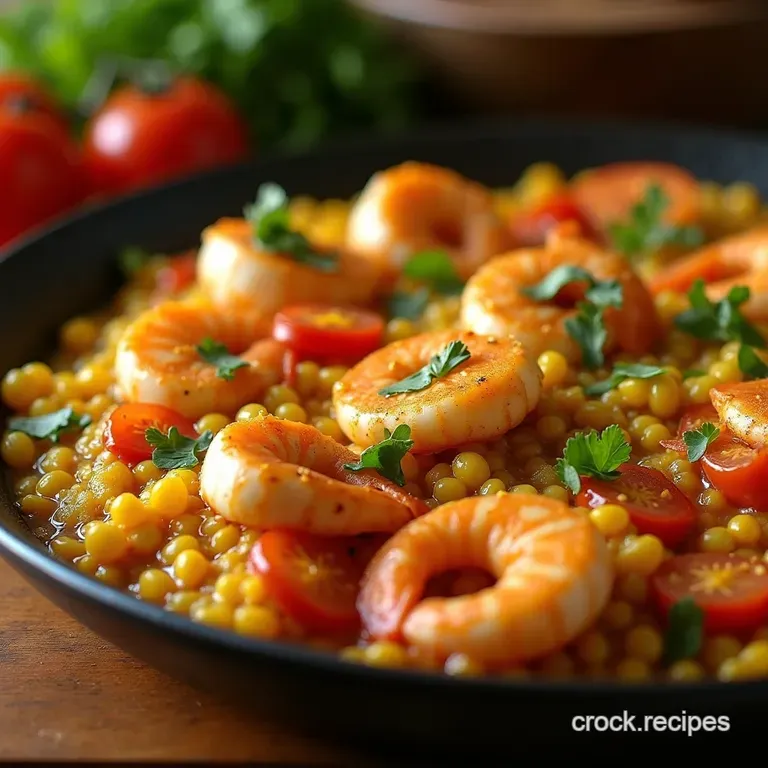
The initial moments in the pan set the tone for the entire meal. Begin by heating the olive oil in your wide pan over medium heat. Sauté your diced onion and pepper until soft, typically 7 to 8 minutes. Once they yield, add the minced garlic and cook until aromatic, about one minute.
Next, swiftly stir in the smoked paprika. This brief toasting step unlocks its deepest flavour notes. Immediately following this, add the 1 1/2 cups of rice. Stir continuously for two minutes to lightly coat every grain in the flavour infused oil this "toasting" step is crucial for helping the grains maintain their integrity later on.
If using white wine for an acidic lift, add it now and let it fully absorb.
Related Recipes Worth Trying
- Sunshine Spanish Rice Dinner Recipes Quick OnePan Meal — Ditch the boring rice This onepan Spanish rice recipe delivers huge smoky flavour in under 45 minutesa perfect quick rice dinner recipe for the family
- Best Vegetable Side Dishes MapleThyme Roasted Roots — Tired of boring veg These Roasted Root Vegetables deliver incredible caramelization and flavour Perfect vegetable side dishes for chicken or steak
- Spanish Saffron Rice with Chorizo Savoury Rice Recipes — Tired of dull sides Master these foolproof savoury rice recipes This Spanish Saffron Rice with Chorizo is packed with flavour Easy steps for a perfect...
The Art of Absorption: Managing Liquid and Simmering Techniques
This stage is where the transformation occurs, moving from dry ingredients to a unified, flavourful rice dish. Once the rice has been toasted, introduce the pre-heated, saffron steeped stock (about 5 cups total).
At this point, you must season the liquid aggressively; remember, the rice will absorb the salt, so the stock should taste slightly over seasoned initially. Once the stock is added and the mixture reaches a rolling simmer, stop stirring .
Browning the Protein Base: Developing Rich Fond Flavors
In our Paella Marinera Express , we skip the initial browning of all the protein, instead opting to nestle raw shrimp and scrubbed mussels/clams directly into the cooking rice later. This keeps the timeline tight while ensuring the seafood steams perfectly within the rice bed.
For those exploring Veggie Rice Casserole Recipes or meat variations, this is the stage where you would lightly sear your chicken pieces or firmer vegetables before adding the rice.
Introducing the Stock: Maintaining the Correct Temperature Gradient
As mentioned, the stock (5 cups for 1 1/2 cups of rice) must be hot. Pour it in evenly and maintain that steady, rolling simmer across the entire pan surface. If you see hot spots or dry areas forming too quickly, gently rotate the pan; do not stir the contents.
The Forbidden Stir: Why You Must Resist Touching the Rice
This is arguably the most difficult technical instruction to follow. Stirring releases starch, which is exactly what you want when making risotto, but it is the bane of paella. By resisting the stir, you encourage the grains to cook evenly by absorption and allow starches to settle at the bottom, which aids in developing the crust.
Developing the Socarrat: The Coveted Crispy Bottom Layer
After about 15 minutes of undisturbed simmering, when most of the liquid appears absorbed, gently nestle your raw shrimp and clams/mussels into the rice bed.
Pour in the final cup of stock, sprinkle over half a cup of frozen peas, and continue simmering for another 5 to 7 minutes. In the final 2 to 3 minutes, slightly increase the heat.
You are listening now a gentle crackling sound indicates the starches are caramelizing against the hot metal. This is the socarrat forming, the hallmark of an expert paella.
Achieving Perfection: The Grand Finale for Texture
Once the seafood has cooked through the mussels opened and the shrimp are pink immediately remove the pan from the heat. This halt is non-negotiable.
Browning the Protein Base: Developing Rich Fond Flavors (See Above - Focus shifts to post cook resting)
The process is completed not by heat, but by steam. Cover the entire paella pan tightly with foil or a clean kitchen towel. Let it rest, undisturbed, for a full 10 minutes.
This period allows the residual steam to tenderize the top layer of rice grains that didn't fully submerge in the liquid, ensuring every bite is perfectly cooked without being mushy.
Maximizing Leftovers: Storing and Reheating These Stellar Rice Main Dishes
While paella is best eaten immediately, leftovers are delicious. Allow the rice to cool completely before sealing it in an airtight container. Store it in the refrigerator for up to three days. Reheating requires a gentle approach to preserve the texture.
The best method is to add a few tablespoons of water or stock to the bottom of the pan (or a non-stick skillet), spread the rice thinly, cover tightly, and reheat slowly over low heat until warmed through. Microwaving is discouraged as it tends to make the rice either hard or rubbery.
Flavor Twists: Customizing Your Paella Beyond Seafood
While the Marinera Express is superb, paella’s versatility shines in its adaptations. For those seeking alternative Rice Main Dishes , this blueprint serves as an excellent foundation.
You can pivot this recipe into a robust meat paella by browning diced chicken thighs and chorizo first, removing them, and then proceeding with the sofrito. Alternatively, look towards creating a magnificent Vegetable Rice Recipe .
Vegetarian Victory: Brilliant Substitutions for Meat Free Success
To create a stunning Veggie Rice Casserole version, discard all seafood. Increase the vegetable component significantly: use vegetable stock, add quartered artichoke hearts, asparagus tips, zucchini rounds, and perhaps some smoked tofu cubes browned with the initial aromatics.
The key remains the saffron and the paprika; they provide the necessary umami depth when meat or seafood is absent.
Nutritional Snapshot: Calories and Macronutrients Per Serving
This seafood paella provides a balanced profile. For a generous serving of approximately 550-600 calories, you receive a significant protein punch (around 35g) derived from the seafood, healthy monounsaturated fats from the olive oil, and complex carbohydrates from the rice.
It’s a hearty, fuel filled option perfect for a satisfying evening meal.
Troubleshooting Common Paella Pitfalls (Too Wet or Too Dry)
If, after resting, your paella seems too wet, it means you had the heat too high or too much liquid initially. Next time, use slightly less stock. If it’s too dry, the liquid evaporated too quickly ensure your heat source is evenly distributed.
If the socarrat failed to form, it means you didn't increase the heat enough in those final crucial minutes. The sound test is your best guide here!
Recipe FAQs
What is the secret to achieving that crispy bottom layer, the socarrat, in this Rice Main Dishes recipe?
The socarrat is the crunchy, flavour packed crust on the bottom it’s the holy grail of paella! The secret lies in two things: using a wide, shallow pan for even heat distribution and increasing the heat slightly for the final 2-3 minutes of cooking, right before resting.
Listen for a gentle crackling sound; that tells you the bottom is caramelising nicely.
I'm a beginner; can I really manage a proper paella? What if I overcook the rice?
Absolutely, you can do it! Think of it less like risotto and more like baking once the liquid is in, you must resist stirring! Stirring releases starch and makes it gluey. If you’re worried about mushiness, start with slightly less stock than recommended, and always keep it simmering hot so the rice cooks evenly without waiting for cold liquid to heat up.
I don't have saffron or Bomba rice. Can I use other ingredients in this Rice Main Dishes recipe?
You can certainly adapt! For the rice, Arborio works as a decent substitute, though it yields a slightly creamier texture. If saffron is out of the budget, use a pinch of turmeric for colour, but remember that the authentic flavour relies heavily on the smoked paprika, so don't skimp there!
How should I store leftovers of this seafood paella, and is it okay to reheat it?
Store any leftovers in an airtight container in the fridge for up to two days. Seafood integrity isn't always the best reheated, so for the best result, reheat gently on the stovetop over very low heat, adding a splash of water or stock to help generate steam and prevent drying out. Avoid microwaving if you can!
This recipe looks quite rich. Are there any lighter variations or ways to cut down on the fat content?
That’s a fair point; while the olive oil is crucial for the sofrito, you can certainly lighten things up. For a much leaner dish, opt for the vegetarian variation using only vegetables and lean white fish instead of prawns.
Also, ensure you drain off any excess oil after sautéing the initial vegetables before adding the rice.
Can I prepare any part of these Rice Main Dishes ahead of time to save time on the night?
Yes, organisation is key when timing is tight! You can prepare the sofrito (the onion, pepper, and garlic base) entirely the day before and keep it covered in the fridge. Also, have your stock pre-heated and ready to go with the saffron steeped, which will save you a solid 15 minutes when it’s time to cook.
Speedy Seafood Paella
Ingredients:
Instructions:
Nutrition Facts:
| Calories | 1875 kcal |
|---|---|
| Protein | 16.8 g |
| Fat | 32.9 g |
| Carbs | 84.4 g |
| Fiber | 20.7 g |
| Sodium | 720 mg |
