The Bistro Classic Perfectly Roasted Balsamic Pork Tenderloin with a Rosemarygarlic Glaze
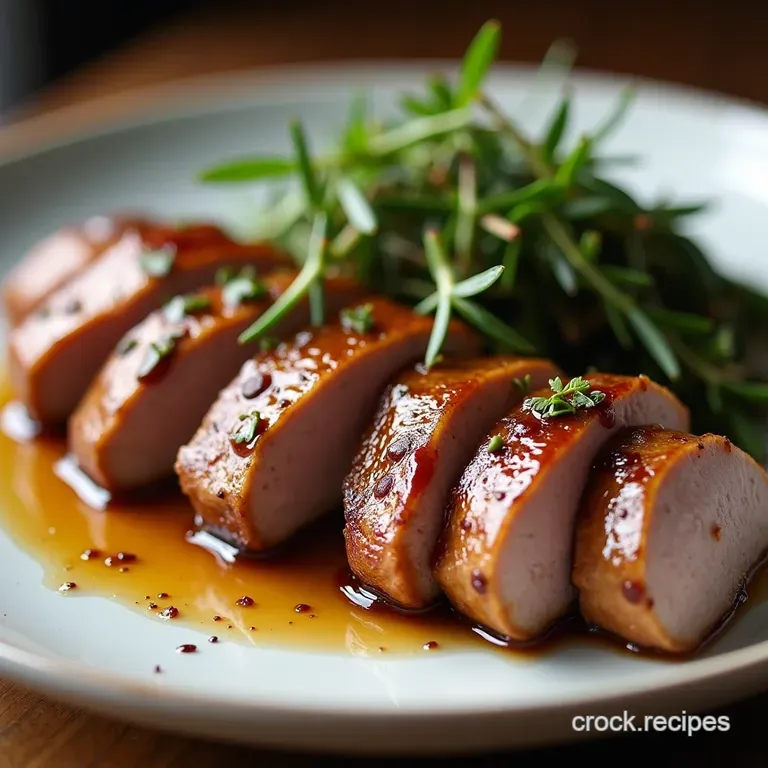
- Elevating Weeknight Dinners: The Magic of Glazed Pork Tenderloin
- Why This Sticky Balsamic Pork Tenderloin Deserves Center Stage
- Sourcing Stellar Components for Maximum Flavor Impact
- The Step-by-Step Journey to Juicy, Flavor-Infused Meat
- Troubleshooting and Flavor Variations for Future Attempts
- Nutritional Snapshot and Optimal Food Storage Guidelines
- Recipe FAQs
- 📝 Recipe Card
Elevating Weeknight Dinners: The Magic of Glazed Pork Tenderloin
There are certain dishes that bridge the gap between hurried weeknight sustenance and elegant entertaining, and I’ve found that the Balsamic Pork Tenderloin sits proudly in that sweet spot.
This cut of meat is wonderfully lean, cooks relatively quickly, and, perhaps most importantly, acts as a magnificent canvas for bold, complex flavourings. Forget dry, lackluster pork; we are diving headfirst into a recipe where a simple, vibrant glaze locks in moisture and delivers a sticky, tantalizing finish.
This Easy Balsamic Pork Tenderloin recipe transforms a humble ingredient into a true bistro classic with stunning ease.
Why This Sticky Balsamic Pork Tenderloin Deserves Center Stage
Our goal here is sophistication without complication. We want a depth of flavour that suggests hours of dedication, even though the active preparation time is refreshingly short. This specific Balsamic Pork Tenderloin recipe hinges on the phenomenal interaction between acidity, sweetness, and sharp aromatics, creating a resulting dish that is memorable and immensely satisfying.
The Perfect Balance: Sweet, Tangy, and Savory Notes Explained
The success of any great glaze lies in its equilibrium. In this preparation, the robust tang of a good quality balsamic vinegar is tempered by the molasses notes of packed brown sugar.
This combination creates the signature syrupy texture we are aiming for that incredibly appealing Sticky Balsamic Pork Tenderloin exterior. We introduce savory depth through finely minced garlic and the woodsy brightness of fresh rosemary, which prevents the sweetness from becoming cloying.
The Dijon mustard, though subtle, acts as a crucial emulsifier, binding the elements and adding an extra layer of piquancy to cut through the richness.
From Oven to Table: Speed and Elegance Combined
For those busy evenings, speed matters. A typical pork tenderloin, weighing in around 1 to 1.25 pounds, cooks efficiently. By utilizing a high heat sear followed by a controlled oven finish, we achieve that crucial caramelized crust while ensuring the interior remains tender.
While this core method focuses on the Balsamic Pork Tenderloin oven technique, know that this foundational flavour profile translates beautifully to other cooking methods, such as the Balsamic Pork Tenderloin air fryer or even the Balsamic Pork Tenderloin slow cooker for a hands off approach, though the searing step is vital for the best caramelization.
Essential Kitchen Arsenal: Tools for Tender Perfection
To execute this dish flawlessly, you don't need a pantry full of specialized gear, but a few key items make the process seamless. The most important tool is an oven safe skillet, ideally cast iron, which retains heat beautifully for that perfect initial sear.
Beyond that, a reliable meat thermometer is your secret weapon against overcooking. While we primarily focus on roasting, understanding how to adapt this flavour profile to a Balsamic Pork Tenderloin instant pot or even a Balsamic Pork Tenderloin grilled presentation requires these basic heat control implements.
Sourcing Stellar Components for Maximum Flavor Impact

In a recipe with few ingredients, the quality of each component shines through dramatically. Since the vinegar is the star, choose wisely; a thin, overly acidic supermarket vinegar simply won't develop the necessary depth when reduced.
Pork Preparation: Selecting and Trimming Your Tenderloin Cut
Select one pork tenderloin, generally weighing between 1 and 1.25 pounds. This cut is naturally very lean, which is why technique is so important to prevent drying out. Before seasoning, you must address the "silver skin" that thin, opaque membrane running along the length of the tenderloin.
It doesn't render down during cooking and can become tough and chewy. Use a small, sharp paring knife held at a shallow angle to slide beneath the skin, running the blade gently along the meat to remove it completely. Once trimmed, pat the surface bone dry with paper towels; moisture is the enemy of a good sear.
Aromatic Boosters: Fresh Herbs and Spices You Can't Skip
Our aromatic backbone relies heavily on fresh ingredients. For this recipe, we use three large cloves of garlic, minced finely to ensure they infuse the glaze without burning during the searing process. Pairing this with two full sprigs of fresh rosemary is key. Strip the needles from the stem and chop them coarsely.
The piney, resinous quality of rosemary marries perfectly with the dark fruitiness of the balsamic vinegar. Remember to season the meat itself generously with kosher salt and freshly ground black pepper before it ever hits the heat.
Mastering the Marinade: Ingredient Ratios for the Best Sear
While this dish doesn't use a long overnight marinade, the glaze mixture serves a similar purpose, coating the meat just before it cooks to enhance the surface flavour. Whisk together a half cup of quality balsamic vinegar, a quarter cup of packed brown sugar, the minced garlic, chopped rosemary, and one teaspoon of Dijon mustard.
This ratio creates a thick, robust coating. We only apply half of this mixture before roasting, reserving the other half for basting later, ensuring a layered caramelization rather than a burnt exterior.
Related Recipes Worth Trying
- The Perfect Crispy Pork Chive Dumplings Easy Asian Recipes — Forget takeaway Master these juicy crispybottomed potstickers A fantastic addition to your Easy Asian Dinner Recipes collection Get the foolproof steamfry...
- The Best Caprese Deviled Eggs with Balsamic Glaze — Upgrade your picnic game These easy Caprese Deviled Eggs blend Italian sunshine with creamy filling Perfect for summer party appetizers Get the foolproof recipe
- The Zesty Italian Summer Perfect Tangy Balsamic Pasta Salad — Ditch the soggy sides Try this vibrant Balsamic Pasta Salad Recipe featuring a rich dressing and crisp veg Perfect for summer BBQsget the easy recipe now
The step-by-step Journey to Juicy, Flavor Infused Meat
This recipe moves quickly from the stovetop to the oven, maximizing both flavour development and efficiency. Aim for a preheated oven temperature of 400° F ( 200° C).
Step 1: Infusing the Pork with Pre-Roast Aromatics
Start by heating one tablespoon of olive oil in your oven safe skillet over medium high heat until it just begins to shimmer. Carefully place the seasoned pork tenderloin into the hot oil. Allow it to sear undisturbed for 2 to 3 minutes on each side.
You are looking for a deep, rich mahogany crust this process, known as the Maillard reaction, builds hundreds of flavour compounds that a simple roast cannot achieve alone. Turn the tenderloin gently using tongs to brown all surfaces.
Step 2: Building the Rich, Reduced Balsamic Coating
Once seared on all sides, reduce the heat beneath the skillet to medium low. Pour approximately half of your prepared balsamic glaze mixture directly over the seared pork, allowing it to bubble slightly around the meat.
This initial coating starts the caramelization process gently before the dry heat of the oven takes over.
Step 3: Monitoring Internal Temperature for Absolute Doneness
Transfer the entire skillet directly into your preheated 400° F ( 200° C) oven. Roast time will typically fall between 15 to 20 minutes, depending on the thickness of your particular tenderloin.
Crucially, about halfway through the roasting time (around the 10-minute mark), remove the skillet briefly and baste the pork lightly with the remaining fresh glaze from your bowl.
Continue cooking until your meat thermometer inserted into the thickest part reads 140° F ( 60° C). This low starting temperature is intentional, anticipating carryover cooking.
The Crucial Rest Period: Ensuring Juiciness After Baking
When the target temperature is reached, immediately remove the skillet from the oven. Transfer the Balsamic Pork Tenderloin to a clean cutting board. Tent it loosely with aluminum foil and allow it to rest undisturbed for a full 10 minutes.
This resting period is non-negotiable; it allows the internal muscle fibres, tightened by the heat, to relax and redistribute the precious juices throughout the meat, guaranteeing a moist final product.
The internal temperature will climb to the safe serving temperature of 145° F ( 63° C) during this time.
Troubleshooting and Flavor Variations for Future Attempts
Even the best recipes sometimes throw curveballs. If your glaze seems too thick before cooking, thin it slightly with two tablespoons of water or chicken stock. Conversely, if your balsamic vinegar was too thin, you might notice the glaze running off the meat too easily; this is why we reserve half for basting, concentrating the flavour layer by layer.
For those who enjoy playing with heat, a pinch of crushed red pepper flakes introduced into the Balsamic Pork Tenderloin marinade will provide a welcome spark.
Alternatively, swapping rosemary for fresh thyme or even adding orange zest introduces delightful citrus brightness that cuts through the sweetness beautifully.
Nutritional Snapshot and Optimal Food Storage Guidelines
This dish, while rich in flavour, remains relatively lean, as pork tenderloin is one of the leanest cuts available. You're looking at approximately 320 to 350 calories per serving, packed with high-quality protein.
The main contributors to the carbohydrate and sugar content come directly from the brown sugar in the glaze, so be mindful of that if you are tracking strict sugar intake.
Pairing Perfection: Side Dishes That Complement Your Balsamic Pork Tenderloin
The rich, slightly sticky nature of the glaze demands sides that can soak up the resulting pan drippings or provide a textural counterpoint. Creamy Parmesan polenta serves as an incredible, soft base for slicing the medallions over.
If you prefer potatoes, deeply flavourful garlic mashed potatoes are an excellent companion. For vegetables, crisp tender green beans tossed with toasted almonds or roasted Brussels sprouts tossed with a touch of lemon provide necessary freshness and crunch.
Serving Suggestions: Plating Like a Pro Chef
To elevate the presentation, slice the rested tenderloin against the grain into neat, half inch thick medallions. Arrange these slightly overlapping on a warm platter. Spoon the rich pan juices left on the cutting board (the result of the mandatory rest) right over the sliced meat.
A final, delicate sprinkle of flaky sea salt and a single, fresh rosemary sprig garnish will make your simple roast look utterly professional.
Storage Secrets: Keeping Leftovers Tender for Days
Leftover Balsamic Pork Tenderloin stores exceptionally well. Place cooled slices in an airtight container and refrigerate for up to three days. The key to reheating, however, is moisture.
To prevent drying, reheat gently in a covered dish in the oven, or briefly sear thin slices in a pan with a splash of water or chicken broth to reintroduce steam and moisture, allowing you to enjoy that tenderness again tomorrow.
Ingredient Swaps: Adapting the Recipe for Dietary Preferences
Should you require a different sweetener, maple syrup is a straightforward substitution for brown sugar, though you may need to slightly reduce the amount added if your vinegar is already thick.
For those avoiding pork, this exact glaze ratio works beautifully on boneless, skinless chicken breasts or thick cut turkey cutlets, though you must adjust cooking times accordingly, particularly if using methods like the Balsamic Pork Tenderloin air fryer for a faster result.

Recipe FAQs
How can I stop my Balsamic Pork Tenderloin from drying out while cooking?
The key is temperature control and resting! Always use a meat thermometer and pull the pork from the oven when it hits 145°F (63°C); it will carry overcook slightly while resting.
Crucially, let it rest tented with foil for a solid 10 minutes before slicing that’s what keeps all the lovely juices locked in.
My glaze seems too thin after roasting; how do I get that proper sticky finish on the Balsamic Pork Tenderloin?
If the glaze remains watery, don't worry; it’s a common hiccup. You can carefully remove the pork, put the skillet back on the hob over medium heat, and let the remaining glaze bubble vigorously for a few minutes until it thickens enough to coat the back of a spoon. Just be mindful not to scorch the sugars!
Can I make the balsamic glaze ahead of time, or does it need to be fresh for the best flavour?
You can certainly whisk the glaze ingredients together a day ahead and keep them covered in the fridge; this actually allows the rosemary and garlic flavours to infuse nicely. However, because you are using some of the glaze for basting and some for immediate contact with the heat, we recommend only prepping the ingredients in advance rather than fully reducing the sauce.
I only have pork loin chops, not tenderloin; can I use those for this recipe?
You absolutely can, but you must adjust the cooking time dramatically chops are much thinner! Sear them as directed, glaze them, and then roast for only about 8 12 minutes, depending on thickness, until they hit that safe internal temperature.
They won't be as perfectly uniform as a tenderloin, but the glaze flavour will be spot on.
What’s the best way to store leftovers of this glazed pork, and can it be frozen?
Leftovers are brilliant, perhaps sliced cold for sandwiches the next day! Store them in an airtight container in the fridge for up to three days. While it freezes okay, the glaze can sometimes weep upon thawing, so for best texture, it's better enjoyed within a few days of making it.
Sticky Balsamic Pork

Ingredients:
Instructions:
Nutrition Facts:
| Calories | 1382 kcal |
|---|---|
| Protein | 11.2 g |
| Fat | 31.9 g |
| Carbs | 72.7 g |
| Fiber | 18.6 g |
| Sodium | 642 mg |
