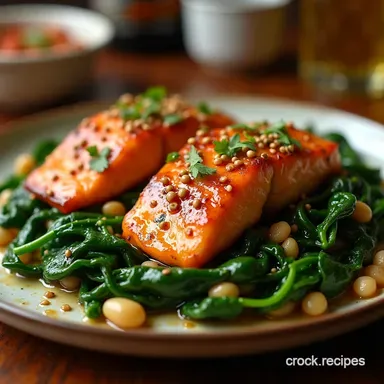
Better Than Takeout 20Minute Sticky Honeygarlic Salmon with Sesame Spinach
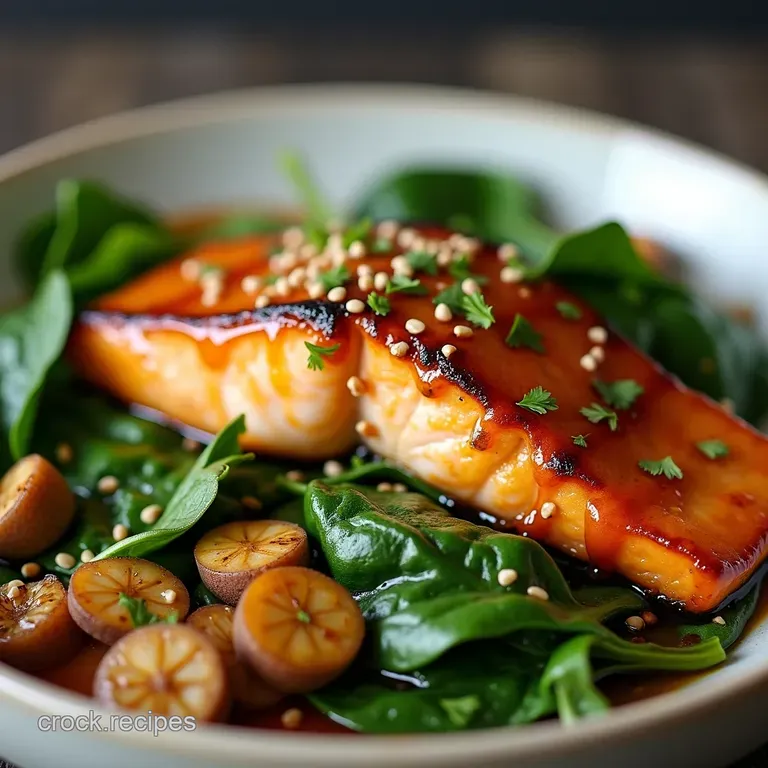
- Unlock Weeknight Flavor: The Secret to Ultra-Fast Asian Dinner Recipes
- Why This Sticky Salmon Steals the Show (Even Over Authentic Thai Favorites)
- Assembling Your Pantry Powerhouse: Salmon & Greens Essentials
- Mastering the Honey-Garlic Elixir: Glaze Component Breakdown
- Step-by-Step Mastery: Achieving That Irresistible Sticky Texture
- Executing the Perfect Sear: Cooking Techniques for Flawless Salmon
- Boosting Your Meal: Variations and Substitutions for Every Palate
- Storage Savvy: Keeping Leftover Glazed Salmon Delicious
- Recipe FAQs
- 📝 Recipe Card
Unlock Weeknight Flavor: The Secret to Ultra-Fast Asian Dinner Recipes
In the pursuit of delicious meals after a long day, many home cooks default to the familiar. But what if I told you that the deeply satisfying, complex flavours associated with authentic Asian cuisine are well within reach, even on the busiest Tuesday night?
The key to unlocking truly exceptional Asian Dinner Recipes lies not in esoteric ingredients, but in mastering a few high-impact techniques that deliver maximum flavour payoff with minimum fuss.
We are talking about speed, yes, but also a depth of taste that transforms a simple weeknight meal into something memorable. This philosophy is the backbone of our featured dish today: Better Than Takeout: 20-Minute Sticky Honey-Garlic Salmon with Sesame Spinach.
This recipe captures the irresistible sweet-and-savoury magic of classic Asian-inspired glazes, pairing succulent salmon fillets with a glossy, bubbling sauce made from pantry staples like honey, soy, and plenty of punchy garlic.
Forget ringing the local chippy; this dinner is ready faster than you can decide what box set to binge-watch next.
Why This Sticky Salmon Steals the Show (Even Over Authentic Thai Favorites)
When considering Asian Dinner Recipes for Family , we often lean towards robust curries or complex noodle dishes. While wonderful, they often demand time and active stirring. This glazed salmon, however, offers a brilliant balance of texture and taste that appeals across the board.
It’s an Easy Asian Dinner Recipe because it utilizes quick cooking methods, searing and a brief simmer, to achieve restaurant-quality results.
The simplicity of the process means fewer chances for error, making it an ideal candidate for cooks looking to boost their repertoire of Quick Asian Dinner options.
The 20-Minute Promise: Maximum Umami, Minimal Effort
Our goal is speed without sacrificing depth. With only about 10 minutes of preparation time, mostly focused on mincing garlic and prepping our greens, and just 12 to 15 minutes on the heat, this entire preparation lands comfortably under the 25-minute mark.
This efficiency is crucial when striving to incorporate more Healthy Asian Dinner Recipes into your regular rotation. The core flavour profile relies on the 'umami bomb' created by combining soy sauce, honey, and pungent aromatics, ensuring every bite delivers that sought-after savoury punch.
Demystifying the Glaze: Flavor Science for Home Cooks
The magic of this dish hinges entirely on the glaze. Good glazes are a precise balance of sweet (honey), salty (soy sauce), and acid (rice vinegar). We introduce grated fresh ginger and optional Sriracha for heat, creating layers that traditional, less seasoned sauces often lack.
On top of that,, the technique of using a cornstarch slurry to thicken the sauce quickly transforms thin liquids into a thick, adhesive lacquer that clings perfectly to the fish, providing that signature "sticky" texture synonymous with great takeaway flavour.
Beyond the Ordinary: Setting a New Standard for Quick Asian Dinner Recipes
While many recipes focus exclusively on protein, we ensure a balanced plate by pairing the salmon with vibrant Sesame Greens. This ensures that even as a Quick Asian Dinner , it doesn't skip the vegetable component.
For those exploring plant-based options, this flavour profile transitions seamlessly into a Vegetarian Asian Dinner using firm tofu, proving the versatility inherent in these fundamental Asian cooking concepts.
Assembling Your Pantry Powerhouse: Salmon & Greens Essentials
To ensure we hit that 20-minute target, organization is paramount. We are focusing on four main groups of ingredients: the salmon, the aromatics (garlic and ginger), the liquid base for the glaze, and the greens. For the protein, we rely on four salmon fillets, approximately 6 ounces each.
The technique demands the fish be patted absolutely dry to facilitate a proper sear. For our vegetables, a full pound of fresh spinach or baby bok choy will wilt down beautifully alongside the main event, providing necessary texture and freshness.
Mastering the Honey-Garlic Elixir: Glaze Component Breakdown
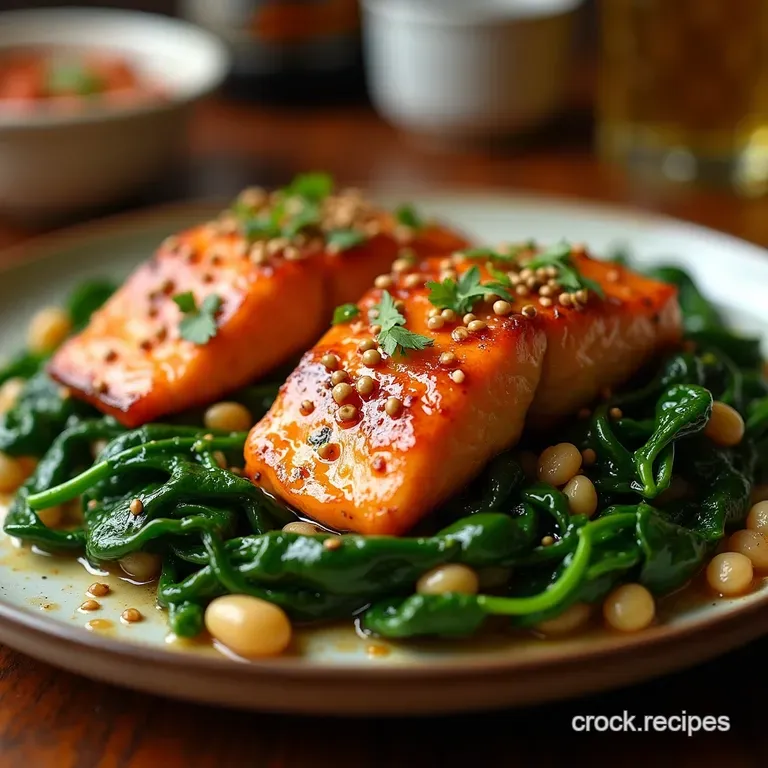
The glaze is where the flavour alchemy happens. It begins with a foundation of 1/4 cup of low-sodium soy sauce mixed with 1/4 cup of honey. The sweetness of the honey provides the caramelizing agent, while the soy delivers the deep, salty foundation.
Essential acidity comes from 2 tablespoons of rice vinegar, which balances the richness. Don't skip the fresh additions: 4 cloves of finely minced garlic and 1 teaspoon of freshly grated ginger infuse aromatic warmth directly into the sauce as it cooks.
Finally, the thickening agent is a slurry made from 1 teaspoon of cornstarch dissolved in 1 tablespoon of cold water.
Selecting Peak Protein: Choosing the Best Salmon Fillets
When making Asian Dinner Recipes Chicken or fish versions, the quality of the sear dictates the outcome. For salmon, look for fillets that are evenly thick, this ensures they cook through at the same rate.
Whether you choose skin-on or skin-off is a matter of preference; skin-on allows for a glorious, shatteringly crisp base if you are careful during the searing stage.
Tool Spotlight: Essential Gear for Perfectly Glazed Cooking
You don’t need specialized equipment, but a reliable, large non-stick skillet or a well-seasoned cast-iron pan is your best friend here. The non-stick surface prevents the honey in the glaze from aggressively bonding to the pan during caramelization.
A good set of tongs will be necessary for safely flipping the fish and later, for tossing the greens.
The Secret Ingredient Hack for Deep Umami Flavor
While the primary ingredients are excellent, a small dash of Sriracha or chilli garlic paste elevates this from a standard honey-garlic sauce to something truly special. This addition doesn't have to make the dish overtly spicy; it simply deepens the savoury notes already present in the soy sauce, providing complexity that belies how few ingredients are actually used.
Related Recipes Worth Trying
- SunKissed 10Minute Tuscan Tuna Melts Quick and Delicious Food Recipes — Tired of boring lunches Try these TwoMinute Tuscan Tuna Melts for quick and easy supper recipes that taste gourmet Gooey cheese over zesty tuna See the recipe
- 20Minute Sheet Pan Salmon Quick and Easy Recipes for Dinner — Need quick and easy meals that taste amazing This Lemon Herb Salmon is ready in 20 minutes with minimal washing up A truly delish recipe
- Creamy Tuscan Marry Me Chicken Recipe Juicy Rich Dinner — Stop dreaming of restaurant quality This Creamy Tuscan Marry Me Chicken recipe delivers juicy chicken in a sundried tomato sauce thats surprisingly easy to...
Step-by-step Mastery: Achieving That Irresistible Sticky Texture
The entire success of this dish rests on timing the searing of the protein against the thickening of the sauce. After seasoning your perfectly dried salmon fillets, they hit the hot oil in the pan first.
We are aiming for a beautiful 4-5 minute sear on the first side to build that crust before we flip and briefly finish the cooking.
Executing the Perfect Sear: Cooking Techniques for Flawless Salmon
Prep Phase 1: Marinating and Preparing the Sesame Greens Base
Before any heat touches the pan, ensure your glaze base, soy, honey, vinegar, ginger, and Sriracha, is whisked together in a bowl. Keep the cornstarch slurry separate, ready for deployment.
For the greens, we need high heat for a quick sauté, so have your sesame oil and a neutral cooking oil ready near the stovetop, along with the spinach or bok choy.
Building the Glaze: Simmering Down to Sticky Perfection
Once the salmon is seared and removed from the pan, reduce the heat slightly. Now, introduce your minced garlic to the residual oil; this is crucial, cook it for just 30 seconds until fragrant. Immediately pour in the liquid glaze mixture. Bring this to a gentle bubble, then slowly whisk in the cornstarch slurry.
Stirring continuously, watch as the sauce transforms over 1 to 2 minutes from thin liquid to a glossy, spoon-coating consistency. This is the moment where your Asian Dinner Recipes truly start to shine!
The Broiler Finish: Achieving Caramelization Without Burning
Return the seared salmon back into the pan, nestling the fillets into the hot, thickening glaze. Use a spoon to baste the tops of the fish repeatedly for a minute or two. This allows the sugars to caramelize beautifully onto the surface without overcooking the delicate interior.
The fish is done when it flakes easily, registering 145° F internally.
Plating Presentation: Serving Tips for Your Impressive Asian Dinner Recipes
To present this meal elegantly, start by creating a bed of the quickly sautéed Sesame Greens on each plate. Place the sticky, lacquered salmon fillet directly on top. Drizzle any remaining pan sauce over the fish and finish with a generous scattering of toasted sesame seeds and thinly sliced spring onions for colour and a fresh, sharp counterpoint to the rich glaze.
Boosting Your Meal: Variations and Substitutions for Every Palate
One of the great advantages of recipes designed for speed is their adaptability. If you’re planning Asian Dinner Recipes Chicken , use boneless, skinless thighs pounded thin to match the cooking time of the salmon, or cubes of firm tofu that have been pressed thoroughly to remove excess water, this makes for an incredible Vegetarian Asian Dinner .
A citrus lift, such as adding the zest and juice of half a lime to the glaze, can shift the flavour profile toward Southeast Asian notes beautifully.
Storage Savvy: Keeping Leftover Glazed Salmon Delicious
Leftover glazed salmon is delightful cold the next day in salads, but if reheating, do so gently. Place the fish in a small pan with a splash of water (not oil) over very low heat, covered, for just a few minutes until warmed through. This gentle steam prevents the sugars in the glaze from burning on the pan surface.
Protein Swaps: Adapting this Recipe for Chicken or Tofu
When using chicken, ensure you slice breasts thinly or use tenderized thighs so they match the cooking time. For tofu, cubes should be pan-fried first until golden on all sides before you introduce the sauce elements.
This initial crisping step is vital for any Tofu Stir Fry Recipe to maintain structural integrity against wet sauces.
Nutritional Insights: Making This a Healthier Weekday Staple
With salmon providing those essential Omega-3 fatty acids, this dish is inherently nutritious. By using low-sodium soy sauce and leaning on honey for sweetness rather than refined sugars, we keep the overall profile clean.
For those focused on macros, the high protein content makes this a satisfying option that keeps energy levels stable throughout the evening.
Authentic Pairings: Recommended Rice and Noodle Side Dishes
To complete the experience of these Asian Dinner Recipes for Family , pair the sticky salmon with fluffy steamed Jasmine rice, it is the perfect vehicle for soaking up every last drop of that honey-garlic elixir.
Alternatively, for an Asian Noodles Stir Fry variation, toss some pre-cooked ramen or thick udon noodles directly into the pan alongside the greens right before serving, coating them lightly in the residual glaze for an even more substantial meal.
Recipe FAQs
How can I make this Asian Dinner Recipe suitable for a gluten-free diet?
It’s straightforward enough to adapt! The main hurdle is the soy sauce. Simply swap out standard soy sauce for a high-quality Tamari, which is naturally gluten-free. All other ingredients, like honey, rice vinegar, and the fresh components, are naturally GF, so you’re good to go.
My sauce keeps turning out too thin, what’s the secret to that glossy stickiness?
That lovely lacquer finish comes down to the cornstarch slurry, but timing is everything! Make sure your cornstarch is fully dissolved in cold water before you add it to the simmering sauce.
Once added, stir continuously over medium heat for about a minute; it should thicken rapidly, looking beautifully glossy rather than gloopy.
Can I use a different protein instead of salmon in this Asian Dinner Recipe?
Absolutely, this glaze is wonderfully versatile! Chicken breast works a treat, though you might need to cut it thinner or pound it slightly so it cooks through at the same rate as the salmon.
Firm tofu is also a fantastic vegetarian swap, just make sure to press out excess water first so it crisps up nicely when searing.
I’m prepping ahead for a busy week; how long will leftovers of this dish last?
Like many saucy fish dishes, this tastes best when fresh, but leftovers will keep well in an airtight container in the fridge for about 2–3 days. When reheating, use a low heat or microwave gently to prevent the salmon from drying out, a splash of water or extra sauce during reheating helps keep it moist.
I’m not a fan of spice; how can I make this glaze milder without losing flavour?
If you’re sensitive to heat, just omit the Sriracha completely, the flavour base of garlic, honey, and soy is still robust! If you still want a tiny bit of complexity, perhaps use a quarter of the suggested chilli paste, or add a small squeeze of fresh lime juice instead for a bright, non-spicy lift.
20Minute Sticky HoneyGarlic Salmon Easy Asian Dinner Recipes