Slow Cooker Corned Beef Brisket with Cabbage and Beer
Achieving Fall Apart Tenderness: Why Slow Cooking is King
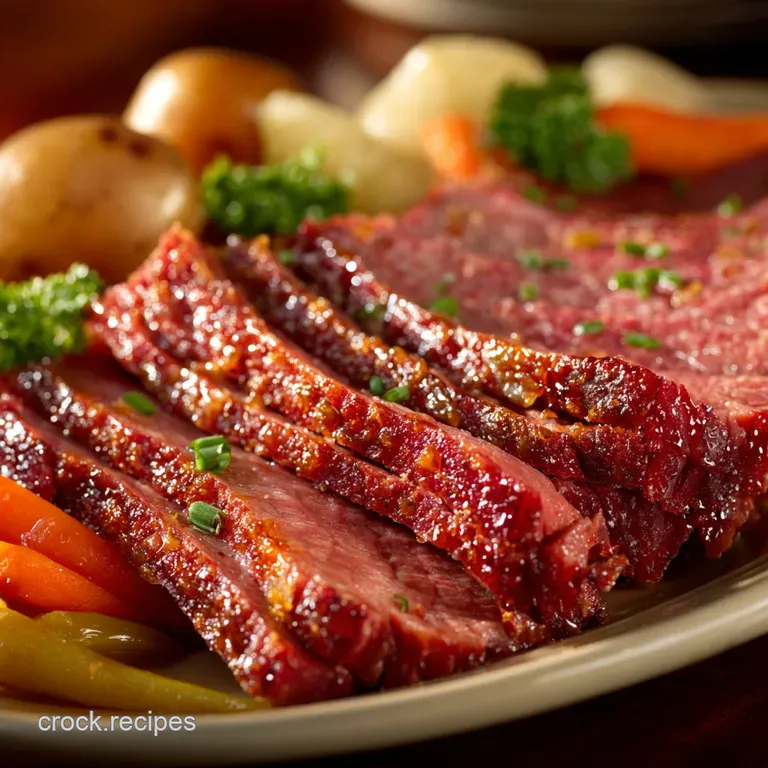
The inherent challenge of cooking a corned beef brisket lies in its dense composition. Brisket, a tough primal cut, is rich in collagen and connective tissues that require patient processing. Applying the low and steady heat of a slow cooker is the simplest culinary solution to this problem.
This method systematically melts the tough collagen into rich, mouth coating gelatin over many hours.
This transformation results in a truly luxurious and fork tender final product. When planning a Crock Pot Corned Beef, the long cooking cycle ensures the meat remains deeply moist and succulently flavorful. It truly is the superior approach for transforming a humble brisket into the definition of comfort food.
Decoding the Brisket: Flat Cut vs. Point Cut
When selecting your meat for a Corned Beef Brisket recipe, you will typically encounter two primary options. The Flat Cut, which is the leaner and more uniform muscle section, is ideal for slicing beautifully against the grain.
We recommend using a 3.5 to 4 lb flat cut for this specific Crock Pot Corned Beef Brisket Recipe.
The Point Cut, conversely, has significantly more fat marbling and is shaped less regularly. While wonderfully flavorful, the Point Cut works better for shredding or making hash rather than clean, classic slices.
Choosing the right cut guarantees the aesthetic and texture you want in your traditional Boiled Dinner Corned Beef Crockpot.
The Story of "Corns": Tracing the Dish’s Irish Roots
The name "corned beef" originates not from actual maize, but from the historical method of preservation. Centuries ago, meat was cured using large, coarse salt crystals that were historically known as "corns" or "grains." This highly effective salting process allowed the beef to remain edible for long periods.
While often associated with Irish American cuisine, the popularity of this beef preparation method was rooted in historical British and Irish trade practices. Today, when we prepare Corned Beef Recipes Slow Cooker style, we are recreating a centuries old tradition using modern, convenient methods.
Necessary Provisions for Amazing Crock Pot Corned Beef
Securing the Perfect Spice Packet (And Enhancing It)
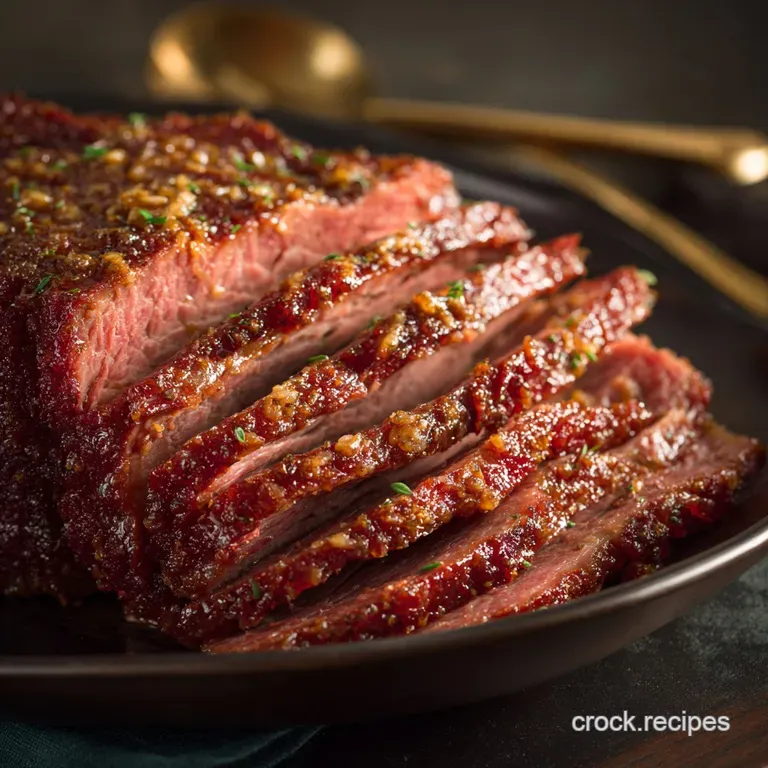
Most cured briskets come packaged with a small spice packet containing pickling spices essential to the flavor profile. These typically include mustard seeds, peppercorns, and allspice, which define the classic taste. While serviceable, we always enhance the flavor to achieve a deeper, more aromatic infusion.
We recommend supplementing the provided packet with two additional dried bay leaves and a few extra cloves, if available. These additions significantly amplify the savory, warming notes during the long Crock Pot Corned Beef Time.
The Essential Trio: Liquid, Veggies, and Time
The cooking liquid is far more than just a source of moisture; it is a critical flavor component for the Crock Pot Corned Beef. We utilize a mix of four cups of low-sodium beef broth combined with one cup of a dark beer, such as Guinness Stout.
This choice provides the distinctive, malty depth of flavor ideal for a slow cooked brisket.
The timing of the vegetables is also key to ensuring a quality Boiled Dinner Corned Beef Crockpot. Adding the carrots, potatoes, and cabbage too early results in a mushy texture. These root vegetables and the cabbage must be staggered into the cooker later in the process.
| Ingredient Function | Quantity | Purpose in Recipe |
|---|---|---|
| Liquid Base | 4 cups broth + 1 cup beer | Adds depth and prevents drying. |
| Hard Veggies | Carrots & Potatoes | Added after 4 hours of cook time. |
| Cabbage | 1 small head, wedged | Steamed for the final 90 minutes. |
Gear Check: The Only Slow Cooker Requirement
The primary piece of equipment needed is a reliable slow cooker, commonly known by the brand name Crock Pot. Due to the size of the 3.5 to 4 lb brisket and the volume of root vegetables, a smaller appliance simply won't suffice.
You must use a minimum 6-quart capacity slow cooker to comfortably accommodate all ingredients.
This ensures proper circulation of heat and liquid, which is vital for maintaining an even, low temperature across the entire brisket. Using the correct vessel guarantees consistent results when Cooking Corned Beef In Slow Cooker.
Related Recipes Worth Trying
- Foolproof Crock Pot Hot Dogs for a Crowd Never Dry Out — Hosting a big do Learn the best way for Cooking Hot Dogs In Crock Pot Get perfectly steamed neverdry Crock Pot Hot Dogs that stay hot for hours Minimal fuss...
- The Best Oven Baked Mashed Potato Cakes Leftover Rescue — Transform your Sunday roast leftovers into crisp golden Oven Baked Mashed Potato Cakes These easy cheesy patties are baked for a healthier fussfree comfort...
- FussFree Baked Sausage Potato Sheet Pan Dinner The Ultimate Tray Bake — This easy Baked Sausage Potato Sheet Pan Dinner delivers maximum flavour with minimal fuss Enjoy crispy oven-roasted potatoes sausage paired with sweet...
step-by-step Culinary Journey to Tender Perfection
Preparation Protocol: Trimming and Soaking the Brisket
Begin by removing the Corned Beef Brisket from its vacuum packaging and immediately discarding the brine. It is crucial to rinse the brisket thoroughly under cold running water. This essential rinsing step washes away the heavy surface salt, preventing the final dish from tasting overwhelmingly cured.
While some excessive fat may be trimmed, we recommend leaving the fat cap mostly intact. Placing the brisket fat side up allows this rich layer to continuously baste the meat below it as the slow cooker works.
Setting the Stage: Layering Aromatics for Deep Flavor
The base layer of the slow cooker provides both protection and foundational flavor. Place one large, quartered onion directly onto the bottom of the pot before adding the meat. This barrier prevents the brisket from sitting directly on the heating element, which can cause scorching.
Next, place the prepared brisket directly on top of the onions, ensuring the crucial fat cap is facing upwards. Finally, pour in the liquid mixture, comprised of broth and beer, making sure the liquid surrounds the meat. Sprinkle the spice packet contents evenly over the top of the brisket and the liquid.
Time Management: Calculating the Final Hours for Vegetables
The long cooking duration required for the meat means the vegetables must be introduced at specific times to avoid turning into mush. After the brisket has cooked alone on LOW for 4 hours , the hard vegetables are ready to be introduced.
At this midpoint, gently tuck the prepared carrots and potatoes around the sides of the brisket, ensuring they are submerged in the seasoned liquid.
The final component, the cabbage, requires the least amount of cooking time. Add the cabbage wedges, placed on top of the brisket and root vegetables, only during the final 60 to 90 minutes of the Crock Pot Corned Beef Time.
This strategic placement ensures the cabbage steams beautifully, ending up tender crisp rather than waterlogged.
The Crucial Rest: Achieving Maximum Juiciness
Once your Crock Pot Corned Beef And Cabbage is fork tender after 8 to 10 hours on low, immediately remove it from the pot using sturdy tongs. Transfer the entire brisket to a large cutting board and tent it loosely with aluminum foil.
Allow the meat to rest undisturbed for a mandatory fifteen minutes. During this crucial period, the internal muscle fibers relax, enabling the juices to redistribute evenly throughout the entire cut.
Skipping this short resting step will result in juices running out the moment you slice, leading to a much drier final texture.
Post Cook Mastery: Slicing, Sides, and Storage
Mastering the Carving Technique (Against the Grain)
Achieving truly tender corned beef depends as much on the slicing technique as it does on the long, slow cooking process. To slice against the grain, observe the direction of the long muscle fibers running through the meat. You must use a very sharp knife to cut perpendicularly to those lines.
This action effectively shortens the tough fibers, making every piece melt-in-your mouth tender. If you accidentally slice parallel to the grain, even the most perfectly executed Crock Pot Corned Beef will taste chewy.
Pairing the Plate: Creative Side Dishes Beyond Cabbage
While the Boiled Dinner Corned Beef Crockpot traditionally includes potatoes and cabbage, you have many options for enhancing the plate. A vibrant side offers a welcome counterpoint to the rich, savory meat. Consider alternatives that offer sharpness or creaminess.
- Tangy Glaze: Instead of plain cabbage, try steaming Brussels sprouts and tossing them with balsamic vinegar.
- Root Mash: Prepare creamy mashed rutabaga or parsnips for an earthy flavor profile.
- Condiment Cream: Offer a simple homemade sauce of sour cream mixed with freshly grated horseradish and a squeeze of lemon.
How to Repurpose Leftovers: Next Day Crock Pot Corned Beef Hash
Leftover Crock Pot Corned Beef provides the foundation for an incredible next day meal. Dicing the cold, sliced meat into small cubes creates the savory base for a hearty hash. This is a brilliant way to fully utilize every morsel of the flavorful Corned Beef Brisket.
Dice some of the leftover cooked potatoes and carrots and sauté them together with the beef until crisp. Serve the hash topped with a perfectly fried egg and drizzle a touch of the reserved cooking liquid (jus) over the plate for moisture and flavor.
Quick Fixes: Troubleshooting Tough or Dry Meat
If you find that your Crock Pot Corned Beef remains tough after the suggested cooking time, the answer is remarkably simple: it needs more time. Connective tissues require prolonged heat to break down, so simply return the brisket to the slow cooker on low heat for another hour or two.
A tough result is a sign the cooking wasn't long enough, not that it was too long.
Expert Tip: If your sliced meat seems dry, ensure you are cutting against the grain. Plus,, always reserve the intensely flavorful cooking liquid. A small ladle of this rich jus drizzled over the slices instantly restores moisture and enhances the overall savory taste.

Recipe FAQs
I cooked my brisket for ages, but it still seems chewy. What’s the secret to properly slicing tender Crock Pot Corned Beef?
Ah, the classic mistake! Even perfectly cooked meat needs correct slicing. Always find the muscle lines (the 'grain') and cut perpendicularly across them; this shortens the tough fibres and guarantees a fork tender experience Bob's your uncle.
Corned beef can sometimes be a bit of a salty situation. Should I rinse the brisket or worry about adding more salt?
Absolutely rinse the brisket well under cold running water before cooking this flushes away surface salt from the curing process. Since the meat is already cured, avoid adding any extra salt to the cooking liquid, otherwise, you'll feel like you've just swallowed the Irish Sea.
Why don't we just throw all the root vegetables in at the start with the Crock Pot Corned Beef?
That's a cracking question! Hard vegetables like carrots and potatoes require significantly less cooking time than the beef brisket, so adding them halfway prevents them from turning into mushy disappointment, allowing them to remain firm and lovely.
I’ve made a massive batch how should I store leftovers, and what can I do besides eat it plain?
Leftovers keep brilliantly in an airtight container in the fridge for up to four days, and you can even freeze sliced portions for future meals. Cold slices are the absolute ticket for making a proper homemade Reuben sandwich, or mix them into a delightful corned beef hash for brunch.
Is using Guinness or another dark beer really necessary, and how much liquid should cover the meat?
The dark beer isn't strictly essential but adds a lovely deep, malty flavour profile that elevates the whole dish; if you skip it, simply replace the volume with more beef stock. You only need the liquid to cover the meat about halfway, as the slow cooker traps moisture beautifully.
Tender Crock Pot Corned Beef Brisket
Ingredients:
Instructions:
Nutrition Facts:
| Calories | 379 kcal |
|---|---|
| Protein | 6.9 g |
| Fat | 2.9 g |
| Carbs | 21.4 g |
| Fiber | 1.9 g |
| Sugar | 0.5 g |
| Sodium | 546 mg |
