The Weekend Warrior Garlic Butter Basted Steak and Crisp Green Beans
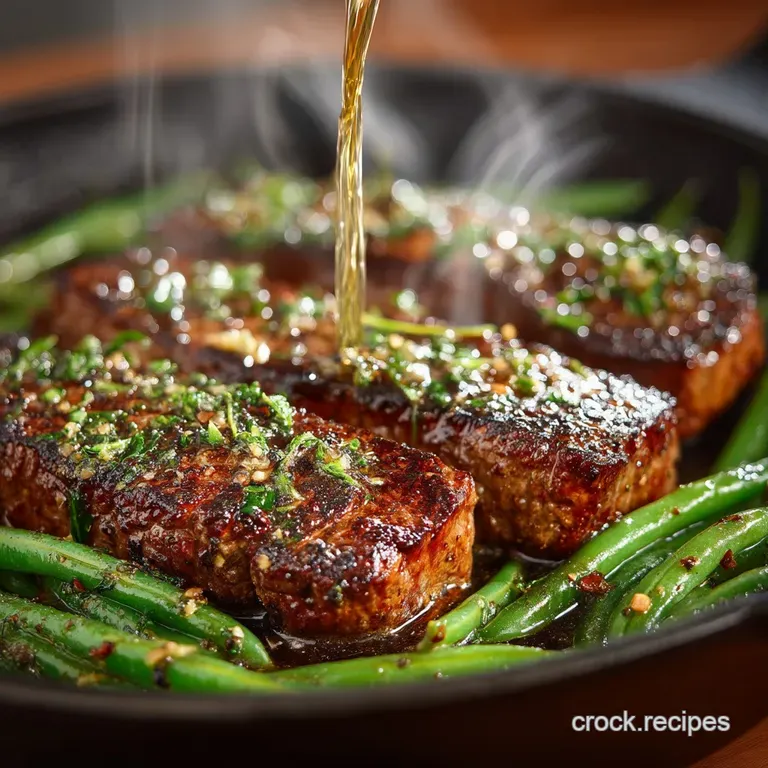
- Elevate Weeknight Dining: Mastering Restaurant-Quality Pan-Basting
- The Magic of Maillard: Why This Garlic Butter Steak and Green Beans Recipe Works
- The Essential Shopping List for Garlic Butter Steak and Green Beans
- Required Tools for the Perfect Sear and Baste
- Step-by-Step Culinary Guide: Achieving the Ideal Medium-Rare
- The Basting Ritual: When and How to Introduce Aromatics
- Troubleshooting and Customizing Your Garlic Butter Steak Dinner
- Healthy Variations and Alternative Sides for Garlic Butter Steak and Green Beans
- Recipe FAQs
- 📝 Recipe Card
Elevate Weeknight Dining: Mastering Restaurant-Quality Pan-Basting
Achieving the perfect, deeply flavorful steak, one worthy of a fine dining establishment, is surprisingly attainable right in your own kitchen. This specific recipe for Garlic Butter Steak and Green Beans is designed to transform a simple weeknight meal into an experience using one powerful, professional technique: pan-basting.
This method ensures maximum richness and flavor infusion, wrapping every cut of beef and every crisp green bean in an intensely savory, garlicky shroud. Far from being intimidating, the approach is fast, requiring minimal active cooking time, and delivers the ultimate One Pan Dinner experience.
The Magic of Maillard: Why This Garlic Butter Steak and Green Beans Recipe Works
This recipe’s success hinges on two fundamental culinary principles: the Maillard reaction and flavor layering. The Maillard reaction, which is the scientific process behind the deep brown crust and complex savory flavors of the steak, requires extremely high heat and a bone-dry surface.
Once that foundational sear is established, we reduce the heat and begin the flavor layering process, introducing rich, high-fat butter along with potent aromatics. The resulting Garlic Butter Steak is tender, crusted, and deeply infused with flavor, balanced perfectly by the slight bitterness and freshness of the complementary green beans.
The finished dish offers a satisfying balance, making it an unexpectedly robust and rewarding Health Dinner .
Defining the Basting Technique for Maximum Flavor Infusion
The secret to answering the universal question of how do you make garlic butter steak truly special lies in the basting technique. This involves adding cold butter, fresh herbs (like rosemary or thyme), and gently smashed garlic cloves to the pan after the initial searing phase.
By tilting the skillet slightly, the melted, frothing butter pools, allowing you to continuously spoon the hot, aromatic liquid over the steak. This action achieves three things: it keeps the top surface warm, gently continues the cooking process, and permeates the steak with the incredible flavor of the melted, nutty butter and herbs, creating a perfect crust-to-tenderness ratio.
Sourcing the Perfect Steak Cut for High-Heat Searing
To withstand the high-heat searing required for this Skillet Steak and Green Beans , you need a robust cut about 1 inch (2.5 cm) thick. Ribeye and New York Strip are ideal choices due to their good marbling, which contributes moisture and flavor during the rapid cook time.
Sirloin is also an excellent, slightly leaner alternative. Ensuring the steaks are consistently sized is crucial for even cooking during the quick pan-basting phase.
The Time-Saving Appeal of a Single-Skillet Meal
Efficiency is key to enjoying quick, gourmet meals. This recipe is structured for minimal cleanup and maximum flavor transfer. By initially par-cooking the green beans in the skillet and removing them, we free up the pan for the high-heat steak searing.
The vegetable component then returns to the pan later to absorb all the residual, magnificent Garlic Butter Steak drippings and aromatics, ensuring every element of this Steak And Green Beans meal shares the core, incredible flavor profile.
The Essential Shopping List for Garlic Butter Steak and Green Beans
For this high-impact dinner, you’ll need two 8-ounce (225g) steaks, preferably Ribeye or Strip, and 1 tablespoon of a neutral, high-smoke-point oil like rapeseed or grapeseed. Seasoning requires 1 teaspoon of coarse sea salt and half a teaspoon of freshly cracked black pepper.
The vegetable side demands 1 pound (450g) of fresh, trimmed green beans (Haricots Verts are a lovely choice). Finally, the flavor-base consists of 4 tablespoons (60g) of cold, unsalted butter, four large, peeled and gently smashed garlic cloves, and two sprigs of fresh rosemary or thyme to infuse the baste.
Required Tools for the Perfect Sear and Baste
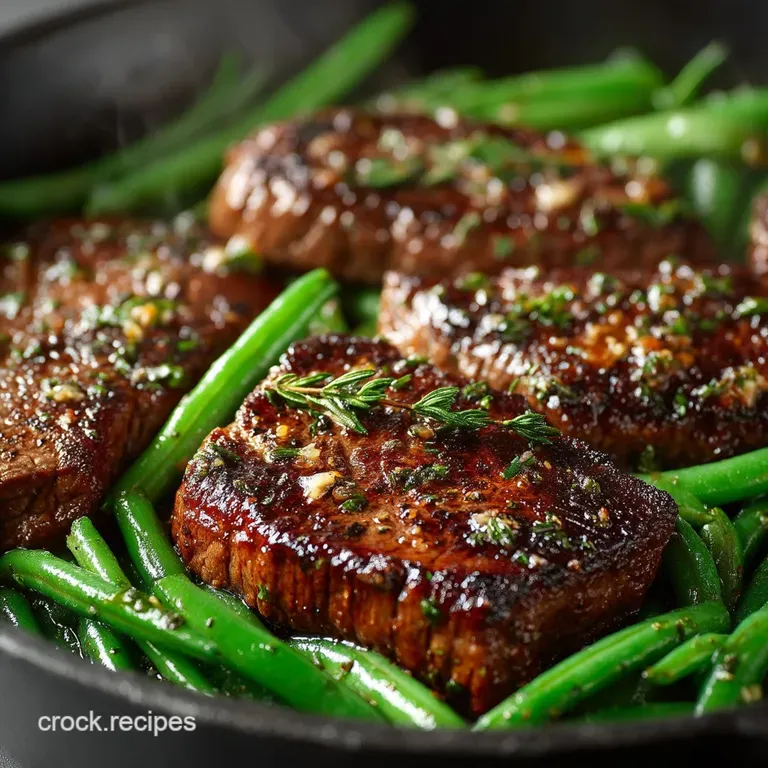
To successfully execute this recipe, several tools are non-negotiable. First and foremost, a heavy-bottomed frying pan or skillet is essential. Tongs are required for safely handling and searing the steak, and a small spoon or ladle is necessary for the continuous basting ritual.
For ultimate precision, a reliable meat thermometer is highly recommended, as hitting the target temperature of 130-135°F is critical for the ideal medium-rare doneness.
Non-Negotiables: Selecting High-Fat Butter and Fresh Herbs
When it comes to the crucial basting element, quality matters immensely. Always opt for unsalted butter, which gives you complete control over the final salinity of the pan sauce. Cut the cold butter into four cubes beforehand to ensure it melts slowly rather than shocking the pan temperature.
Fresh herbs, such as sprigs of thyme or rosemary, are required because their oils are only released when gently heated in the foaming fat, providing a much more potent, aromatic lift to the Garlic Butter Steak than dried alternatives.
How to 'Dry Brine' Your Steak for Superior Crust
The process of dry-brining is simple but vital: it ensures the deepest, darkest crust formation possible. Thirty minutes before cooking, remove the steaks from the refrigerator and pat them aggressively dry using kitchen paper, moisture is the enemy of a good crust.
Season liberally on all sides with coarse sea salt and pepper. Allowing the steak to rest at room temperature for those 30 minutes, or 'tempering,' helps the salt begin to draw moisture out and then reabsorb it, while ensuring the cold center doesn't rapidly drop the pan temperature when it hits the heat.
Choosing the Right Skillet: Cast Iron vs. Stainless Steel
While a thick, quality stainless steel pan can certainly get the job done, a heavy cast-iron skillet is the gold standard for searing steak. Cast iron retains heat significantly better than stainless steel.
This heat retention is essential because when the cold steak hits the pan, the temperature drops rapidly; cast iron recovers faster, maintaining the necessary high temperature required to rapidly achieve the Maillard reaction.
Preparing the Green Beans for Maximum Crispness
The goal for the vegetable side is tender-crisp, or "al dente," green beans that hold their shape and structure. After trimming the ends, they should be par-cooked first. Heat half a tablespoon of oil over medium-high heat and sauté the beans for about three minutes until they brighten.
You can add 1 tablespoon of water and cover the pan briefly to allow a light steam, ensuring they are cooked through but retain their snap. Once cooked, remove them immediately and wipe the pan clean, readying it for the high-heat steak sear.
Related Recipes Worth Trying
- Easy Layered Strawberries and Cream Parfaits NoBake Dessert — Elevate your summer with these stunning Strawberries and Cream Parfaits This quick nobake layered dessert delivers velvety vanilla cream and sweet macerated...
- Wok Roll Quick Thai Ground Turkey StirFry with Basil and Peppers — Our incredible Thai Ground Turkey StirFry with Basil and Peppers is a weeknight rescue Inspired by Pad Krapow this spicy ground turkey stir fry is lean...
- Crock Pot Roast with Carrots and Potatoes Proper Sunday Best Recipe — Master the ultimate easiest Crock Pot Roast with Carrots and Potatoes Chuck roast slowly braised in a deep savoury brown gravy pot roast crock pot sauce...
Step-by-step Culinary Guide: Achieving the Ideal Medium-Rare
Once your steak is tempered and dry, and your green beans are par-cooked and resting, the actual cooking process is remarkably quick, about 12 minutes total.
Return the cleaned pan to the hob and heat the remaining oil over high heat until it shimmers and just begins to smoke. Place the seasoned steaks carefully into the pan. Do not crowd the pan, and crucially, do not move the steaks for the first 2- 3 minutes.
This undisturbed period is what builds the foundational crust.
The Basting Ritual: When and How to Introduce Aromatics
After the initial sear, the pan transitions from a high-heat cooker to a flavor infuser. Managing this transition is key to a flawless result.
Achieving the Perfect Sear: Timing the Initial Flip
After 2- 3 minutes of searing the first side, flip the steaks. Sear the second side for a quick 2 minutes. This is your signal to transition to the basting phase: immediately reduce the heat to medium-low, which prevents the eventual burning of the butter and garlic.
Spoon-Feeding Flavor: Continuous Butter Application
As soon as the heat is lowered, add the cold cubes of unsalted butter, the smashed garlic cloves, and the herb sprigs. As the butter melts and begins to foam, it should smell nutty and fragrant, not acrid, tilt the pan slightly towards you.
Using the spoon or ladle, continuously scoop the hot, foamy, aromatic butter over the top of the steaks for 1 to 2 minutes. During this process, use a meat thermometer to track the internal temperature.
For the desired medium-rare, aim for 130-135°F (54-57°C) before removing them from the heat.
Resting the Steak: The Crucial Final Step to Retain Juices
Immediately remove the steaks from the pan and place them on a clean cutting board or warming rack. Tent them loosely with foil and allow them to rest undisturbed for 5 to 8 minutes. This rest is perhaps the single most important step in achieving a tender, juicy steak.
It allows the muscle fibers, which contracted tightly under the high heat, to relax and redistribute the internal juices, preventing them from spilling out when you slice the beef.
Finishing the Sides: Green Beans in the Garlicky Pan Sauce
While the steaks are resting, the garlic butter steak and lemon green beans skillet needs its finishing touch. Return the par-cooked green beans to the warm skillet, which still contains the residual pan sauce, garlic, and herbs.
Toss them thoroughly to ensure they are coated in the rich, savory garlic butter. Season the beans with a final pinch of flaky salt before serving immediately alongside the sliced steak, drizzling any accumulated resting juices over the final plate.
Troubleshooting and Customizing Your Garlic Butter Steak Dinner
Checking Doneness Without a Thermometer (The Poke Test)
While a digital thermometer is the most reliable measure, if you are without one, you can use the "poke test." Compare the firmness of the steak to the fleshy part of your palm below your thumb.
A medium-rare steak will feel resilient, similar to the resistance when you lightly touch your index finger and thumb together.
Avoiding the Butter Burning Crisis in the Skillet
The primary risk during the basting phase is that the milk solids in the butter, or the aromatics, will scorch. This usually happens if the heat is too high when the butter is introduced.
If the butter begins to darken too quickly, smells bitter, or the garlic pieces turn black, immediately remove the pan entirely from the heat for about 30 seconds to allow the temperature to drop before resuming the basting on a lower setting.
Using gently smashed (not finely minced) garlic cloves dramatically reduces the chance of burning.
Make It Keto: Swapping Out High-Carb Side Ingredients
This recipe for Skillet Steak and Green Beans is already quite naturally compliant with ketogenic diets. The steak, butter, and green beans are all low-carb staples.
If you are planning to serve a side of creamy mashed potatoes, simply omit the starch and increase your serving size of the finished, buttery green beans to maintain a strictly high-fat, low-carb ratio.
Best Practices for Refrigeration and Freezing Leftovers
Leftover steak and the accompanying Lemon Green Beans should be refrigerated within two hours of cooking, stored in separate, airtight containers. Steak generally does not freeze well, as reheating can compromise the texture.
If you must reheat the steak, the best method is to slice it thinly against the grain and toss the slices briefly in a hot pan (or under a broiler) for just 30-60 seconds until warmed through, rather than microwaving, which tends to toughen the meat.
Healthy Variations and Alternative Sides for Garlic Butter Steak and Green Beans
This luxurious preparation doesn't have to be restricted to the exact confines of the original recipe; it adapts beautifully to various flavors and dietary needs. The robust flavors of the pan sauce provide a fantastic base for creativity.
For a bright, acidic counterpoint to the richness of the Garlic Butter Steak , consider adding the finely grated zest of half a lemon when you toss the par-cooked green beans back into the pan.
This simple step elevates them into vibrant Lemon Green Beans and introduces a complexity that cuts through the fattiness of the beef, making the meal feel even lighter and fresher. This minor tweak ensures the dish qualifies as a delicious Health Dinner option.
If green beans aren't your preference, asparagus spears or par-boiled broccoli florets serve as excellent substitutions, capable of soaking up the delicious garlicky butter just as effectively.
When considering alternative sides to serve with your Steak And Green Beans , robust options like creamy, buttery mashed potatoes are perfect for mopping up every last drop of the rich pan sauce.
Alternatively, offer a crisp, peppery watercress and rocket salad dressed with a simple white wine vinegar and olive oil dressing for a clean, palate-cleansing contrast. Pair the final dish with a medium-bodied red wine, such as a classic Malbec or Cabernet Sauvignon, to complement the savory depth of the beef.
Recipe FAQs
This Garlic Butter Steak and Green Beans looks delicious, but is it a massive calorific bomb?
While this is certainly a rich dish, we are using a glorious amount of butter, after all, it’s designed to be a restaurant-quality treat and is generally lower in carbs than many side-dish pairings.
Depending on the steak cut and how much of that luscious garlic butter sauce is absorbed, you're looking at roughly 580–650 calories per serving. It’s definitely more indulgent than your average weekday salad, but perfectly reasonable for a satisfying weekend dinner.
I’m worried about burning the garlic during the basting phase. Any top tips to avoid that disaster?
This is a common niggle when pan-basting! The crucial trick is to use whole or lightly smashed garlic cloves, rather than minced garlic, which burns instantly at high heat. Also, ensure you drop the heat immediately to medium-low when you introduce the butter and aromatics.
If the butter starts smelling acrid or the solids turn dark brown, just lift the pan off the heat for 30 seconds to let it cool down before carrying on.
I love the idea of a steak dinner, but can I prep this recipe ahead of time or save the leftovers?
You can certainly prep components ahead: the green beans can be trimmed in advance, and seasoning the steak about 30 minutes before cooking is essential for a good crust. However, reheating a perfectly cooked steak is a bit of a bother, as it tends to dry out or overcook.
For the best, juiciest results, we recommend cooking and enjoying the steak immediately. Leftover beans can be stored in the fridge for up to three days.
My local butcher only had skirt steak, not Ribeye. Can I still use a cheaper cut in this recipe?
Absolutely! This garlic butter method works beautifully with many cuts, including cheaper options like skirt steak, flat iron, or even flank. The main difference will be the cooking time; thinner cuts require much less searing time, often only 1 to 2 minutes per side, to hit medium-rare.
Just ensure you still rest the steak properly afterwards, as this is where all the 'liquid gold' juices redistribute.
I don't own a meat thermometer. How do I know when the steak is perfectly medium-rare?
While a meat thermometer is always the most reliable tool (aim for 130–135°F / 54–57°C before resting), you can use the classic touch test as a guide. Press your thumb and middle finger together; the firmness of the meaty part below your thumb is similar to a medium-rare steak.
Don't forget that the steak’s internal temperature will continue to rise by a few degrees while it rests, so always pull it off the heat slightly early.
Ultimate Garlic Butter Steak and Green Beans Skillet Basting Method

