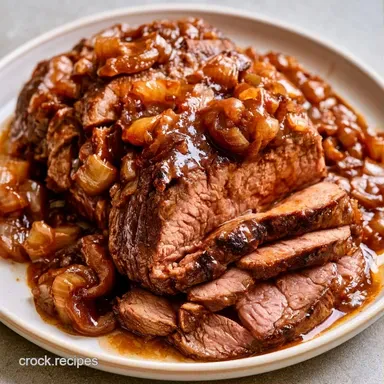
Homemade Beef Chuck Pot Roast: Slow-Cooked
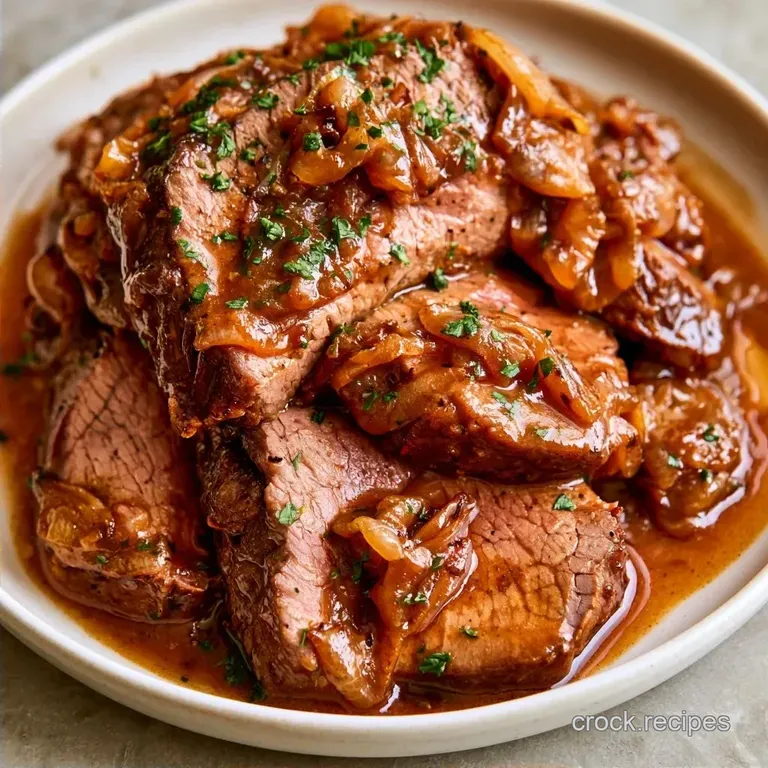
- Time:20 mins prep + 4 hours slow cooking
- Highlight: Rich, dark-brown crust and beef that falls apart
- Best for: Family Sunday gatherings or effortless meal prep
The searing sound of the meat hitting hot oil is incredibly satisfying. I once believed that tenderness required an all-day ordeal, spending twelve hours tending to a pot. It turns out that maintaining the correct temperature and following a few key steps achieves the same result far more quickly.
No high-end cuts or gourmet equipment are required here. With a basic boneless shoulder cut and a little patience, you can create something special. You'll get a Beef Chuck Pot Roast that effortlessly shreds and a savory gravy with a depth of flavor usually reserved for days of simmering.
The secret is prioritizing a deep, dark sear at the start. Once that crust is established, the oven takes over the hard work. The end result is an elegant dish made entirely from simple pantry staples.
Why This Method Works
Collagen Breakdown: Low heat transforms tough connective tissue into smooth gelatin, which creates that signature melt-in-your-mouth texture.
Fond Development: The caramelized bits left in the pan after searing are packed with flavor. Deglazing with wine allows these savory remnants to dissolve back into the sauce.
Vegetable Timing: Introducing root vegetables later in the process keeps them from becoming mushy. This allows them to remain intact while absorbing the beefy flavors.
The choice of liquid is essential. A combination of wine and broth balances the heavy fats of the meat. If you enjoy this method, you might also like my [hearty beef stew](https://crock.recipes/recipes/hearty-crock-pot-beef-stew/) for those colder evenings.
| Goal | What to change | Impact |
|---|---|---|
| Thicker Gravy | Simmer uncovered 20 mins | Less liquid, more intense flavor |
| More Tender | Add 30 mins cook time | Further collagen breakdown |
| Lighter Taste | Use white wine/lemon | Brighter, less dense profile |
Picking the ideal cut of meat is the secret to success. I always seek out a roast with plenty of white marbling, as that fat prevents the beef from drying out during the slow braise.
Ingredient Deep Dive
| Ingredient | What It Does | Best Swap |
|---|---|---|
| Beef Chuck | Provides richness and collagen | Bottom round (leaner, tougher) |
| Red Wine | Adds acidity and depth | Beef broth with 1 tbsp vinegar |
| Tomato Paste | Boosts umami and color | Tomato sauce (more liquid) |
| Carrots | Adds natural sweetness | Parsnips or rutabaga |
Using fresh herbs makes a massive difference. While dried thyme works, fresh sprigs don't overpower the dish and provide a cleaner, woodsy aroma.
For the Beef
- 3 lb (1.3 kg) boneless beef chuck pot roast Why this? High collagen content ensures tenderness.
- 1 tbsp extra virgin olive oil
- 2 tsp kosher salt
- 1 tsp black pepper
For the Aromatics & Liquid
- 1 large yellow onion, coarsely chopped Why this? Provides a sweet, savory base.
- 4 cloves garlic, smashed
- 2 tbsp tomato paste
- 2 cups (475 ml) low sodium beef broth
- 1 cup (240 ml) dry red wine Why this? Cuts through the fat with acidity.
- 2 sprigs fresh rosemary
- 4 sprigs fresh thyme
For the Hearty Vegetables
- 1 lb (450 g) carrots, cut into 2 inch chunks
- 1.5 lb (680 g) baby potatoes, halved
- 1 cup frozen peas Why this? Adds a pop of color at the end.
Kitchen Tools for This Dish
You only need a few basic tools. A heavy-bottomed Dutch oven is ideal since it distributes heat evenly and transitions easily from the stove to the oven. Alternatively, any deep, oven-safe pot with a tight lid will work.
For the slow cooker method, a standard 6-quart crock pot is perfect. I prefer using a sturdy wooden spoon for deglazing to avoid scratching the enamel of my pot.
If you're using an Instant Pot, the searing function is useful, though I still prefer a skillet for a more consistent crust. A meat thermometer is also recommended to check the internal temperature of the roast.
Cooking Steps for Tender Beef
Warm the olive oil in a heavy-bottomed pot over medium-high heat until shimmering. Season the beef chuck pot roast with salt and pepper, then sear for 5–7 minutes per side until well-browned on all sides. Move the beef to a plate.
Lower the temperature to medium. In the remaining beef fat, sauté the chopped onion until clear (about 5 minutes).
Mix in the smashed garlic and tomato paste, stirring for another 2 minutes until the paste reaches a brick-red color. Note: This eliminates any metallic flavor from the paste.
Pour in the red wine to deglaze, scraping up the flavorful browned bits from the bottom. Stir in the beef broth and nestle the rosemary and thyme sprigs around the edges. Place the Beef Chuck Pot Roast back into the pot.
Cover and roast in the oven at 325°F (163°C) for 3 hours. Note: For a slow cooker, set to low for 8 hours. For an Instant Pot, use high pressure for 60 minutes followed by a natural release.
With 60 minutes of oven time remaining (or the last 30 minutes for a slow cooker), arrange the carrots and potatoes around the meat.
Fold in frozen peas during the final 5 minutes of cooking until they are warmed through and vibrant green.
Transfer the beef to a carving board and let it rest for 15 minutes to allow the juices to settle.
Do not skip the resting time. Slicing the meat too soon allows the juices to escape, resulting in a drier roast. Simply cover it with foil for a short while as you prepare your serving platter.
Solving Common Cooking Issues
Fixing Tough or Rubbery Meat
If the beef isn't shredding easily, it simply needs more time to cook. Collagen requires a specific temperature and duration to break down. Return the meat to the oven for another 30–45 minutes with a small amount of extra broth.
Braising is very forgiving, so it is nearly impossible to overcook a pot roast this way.
Thickening a Thin Sauce
If your gravy is too watery, you can easily thicken it. Remove the meat and vegetables, then simmer the liquid on the stove for 10 minutes to reduce. For a thicker result, whisk together 1 tbsp cornstarch and 1 tbsp cold water, then stir the slurry into the bubbling sauce.
Preventing Burnt Bottoms
A scorched smell from the bottom of the pot happens when the sautéing temperature is too high. Next time, turn down the flame before adding the garlic. To fix the current batch, carefully transfer the liquid into a clean pot, leaving the burnt residue behind.
I once left my roast in too long and the carrots became mushy. To prevent this, always add your vegetables toward the end of the cooking process. While the beef can withstand hours of heat, the veggies cannot.
Other Flavor Ideas
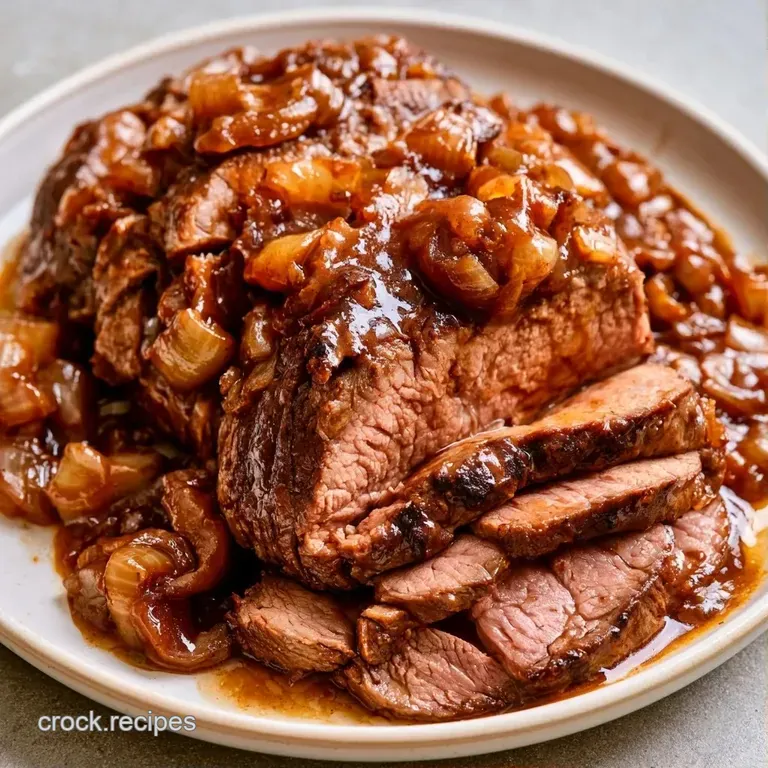
If you want to switch things up, try adding a splash of Worcestershire sauce or a tablespoon of soy sauce to the broth. This adds another layer of umami that makes the Beef Chuck Pot Roast taste even deeper.
For a more French inspired version, swap the rosemary for a bouquet garni of parsley and bay leaf. You can also add pearl onions instead of a sliced yellow onion for a more polished look.
If you're leaning toward a different protein, you can use the same base for a [beef stroganoff](https://crock.recipes/recipes/crockpot-classic-beef-stroganoff/) by adding sour cream at the end. For a healthier twist, increase the carrots and parsnips while reducing the potatoes.
| Original Ingredient | Substitute | Why It Works |
|---|---|---|
| Red Wine | Beef Broth + ACV | Similar acidity. Note: Less complex flavor |
| Baby Potatoes | Parsnips | Earthy sweetness. Note: Higher sugar content |
| Fresh Thyme | Dried Thyme | Same flavor profile. Note: Use 1/3 the amount |
When substituting, remember that the red wine provides a specific acidity that balances the fat. If you skip it, a teaspoon of apple cider vinegar helps mimic that brightness.
Adjusting the Portion Size
For a half portion, opt for a 1.5 lb roast and a smaller pot. Cut the liquid by roughly 20% to prevent the roast from being submerged. Oven cooking time should decrease by about 20-30%, though you should still verify tenderness with a fork.
When scaling up for a crowd, avoid doubling the salt and spices. Instead, start with 1.5x the seasonings and adjust to taste at the finish. To get a proper sear, utilize an extra-large Dutch oven or divide the meat between two separate pots; overfilling the pot leads to steaming rather than a rich brown crust.
If you're opting for a slow cooker with a larger batch, the total cooking time stays largely unchanged. Since the liquid may take more time to reach a simmer, feel free to add an extra hour if the meat remains stubborn.
Storing Your Leftovers
Store leftovers in an airtight container in the refrigerator for up to 4 days. I find the Beef Chuck Pot Roast is even more delicious the following day once the ingredients have had time to blend.
To freeze, let the beef and gravy cool entirely. Use freezer-appropriate bags to store them for a maximum of 3 months. To avoid a grainy texture, let them defrost in the refrigerator overnight before reheating.
To prevent the meat from drying out, place it in a small baking dish with a splash of extra broth. Seal it with foil and warm it at 300°F (150°C) until heated through. This steams the meat and keeps it tender.
Save the remaining braising liquid rather than discarding it. You can freeze it in ice cube trays to use as a flavor enhancer for pan sauces or soups later. It's essentially a concentrated homemade base.
The Best Serving Options
The most classic way to serve this is right out of the pot with the vegetables. I love plating it over a mound of garlic mashed potatoes to soak up every drop of that gravy.
For something lighter, try serving the beef with a side of steamed green beans or a crisp arugula salad with a lemon vinaigrette. The acidity of the salad cuts through the richness of the pot roast.
Another great option is serving it on toasted sourdough bread, open faced. This turns the dinner into something almost like a roast beef sandwich, which is a hit with kids.
If you're feeling fancy, garnish with a sprinkle of fresh parsley or some cracked black pepper. It adds a bit of freshness to the plate that balances the deep, cooked flavors of the meal.
Why You'll Love This Recipe
This Beef Chuck Pot Roast is a win because it's honest food. It doesn't rely on complicated techniques, just a few fresh ingredients and a slow braise. You get a meal that feels like a hug in a bowl without spending a fortune on prime cuts of meat.
The combination of the seared crust and the slow cooked interior gives you two different textures in one bite. Plus, having everything in one pot means you aren't scrubbing five different pans after dinner.
According to USDA guidance, beef roasts are safe when they reach an internal temperature of 145°F, but for this recipe, we go much higher. We want the internal temp to hit around 190°F to 200°F, which is where the collagen finally gives up and becomes tender.
The best part is the flexibility. Whether you use a Dutch oven, a crock pot, or a pressure cooker, the Beef Chuck Pot Roast comes out consistently rich. It's the kind of meal that makes your whole house smell like home.
Common Kitchen Truths
Searing meat does not "seal in juices." Moisture loss happens regardless of whether you sear or not. The crust is all about flavor through browning, not about locking in water.
You don't need to "brown" the meat for hours. 5-7 minutes per side is plenty. If you leave it too long, you'll burn the exterior before the inside even starts to warm up.
Slow cooking doesn't always mean "better." While a slow cooker is convenient, the oven often provides a more consistent heat that results in a better sauce reduction. Both work, but they offer slightly different results.
High in Sodium
890 mg 890 mg of sodium per serving (39% 39% of daily value)
The American Heart Association recommends limiting sodium intake to 2,300 mg per day, with an ideal limit of 1,500 mg for most adults to reduce the risk of cardiovascular disease.
Tips to Reduce Sodium
-
Swap the Broth-30%
Replace the low-sodium beef broth with unsalted beef broth or a mixture of water and sautéed mushrooms to maintain richness without the salt.
-
Minimize Added Salt-25%
Reduce the kosher salt from 2 tsp to 1/2 tsp, or replace it entirely with a salt-free garlic and onion seasoning blend.
-
Check Tomato Paste-15%
Ensure you are using a no-salt-added tomato paste to avoid the hidden sodium found in many commercial concentrates.
-
Boost Aromatics
Double the amount of fresh rosemary and thyme, or add a splash of apple cider vinegar at the end to brighten the flavors without adding sodium.
Recipe FAQs
Which cooking method is best for a chuck roast?
Low and slow heat in the oven at 325°F ensures the collagen breaks down for maximum tenderness.
Tip: Use a heavy-bottomed Dutch oven to distribute heat evenly.
Is a chuck roast suitable for making a pot roast?
This cut is ideal because its high fat and connective tissue content prevents the meat from drying out during long cook times.
Tip: Look for a piece with good marbling throughout the muscle.
Does the oven produce better results than a crock pot?
The oven allows for a superior sear and better reduction of the red wine sauce.
Tip: If using a slow cooker, still sear the meat in a pan first for deeper flavor.
When should the vegetables be added to prevent overcooking?
Add the carrots and potatoes during the final 60 minutes of oven cooking.
Tip: Cut your carrots into larger 2-inch chunks so they hold their shape.
Is it true that searing the beef is just for looks?
That's a myth. The mahogany crust created by searing develops complex flavors through the Maillard reaction.
Tip: Make sure the olive oil is shimmering before adding the meat to avoid sticking.
Do slow cooker meals always lack depth of flavor?
Surprisingly, no. Sautéing the onion, garlic, and tomato paste before adding them to the pot builds a rich base.
Tip: Deglaze the pot with red wine to capture all the brown bits from the bottom.
How to reheat leftovers while keeping them moist?
Warm the meat in a baking dish with a bit of extra beef broth at 300°F under foil.
Tip: Avoid the microwave to prevent the beef from becoming rubbery.
Can I use stew meat instead of a whole roast?
You can use smaller cuts, similar to how we handle the beef in a French stew, but the texture will be different.
Tip: Reduce the cooking time significantly if using smaller meat cubes to avoid overcooking.
Slow-Cooked Beef Chuck Pot Roast