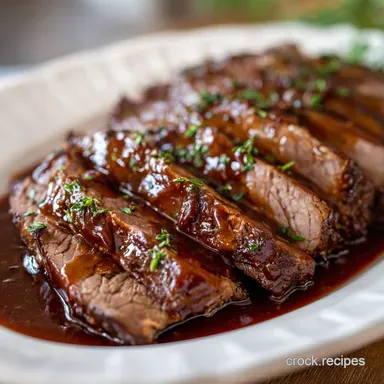
Best Ever Slow Cooker Roast: Tender and Savory
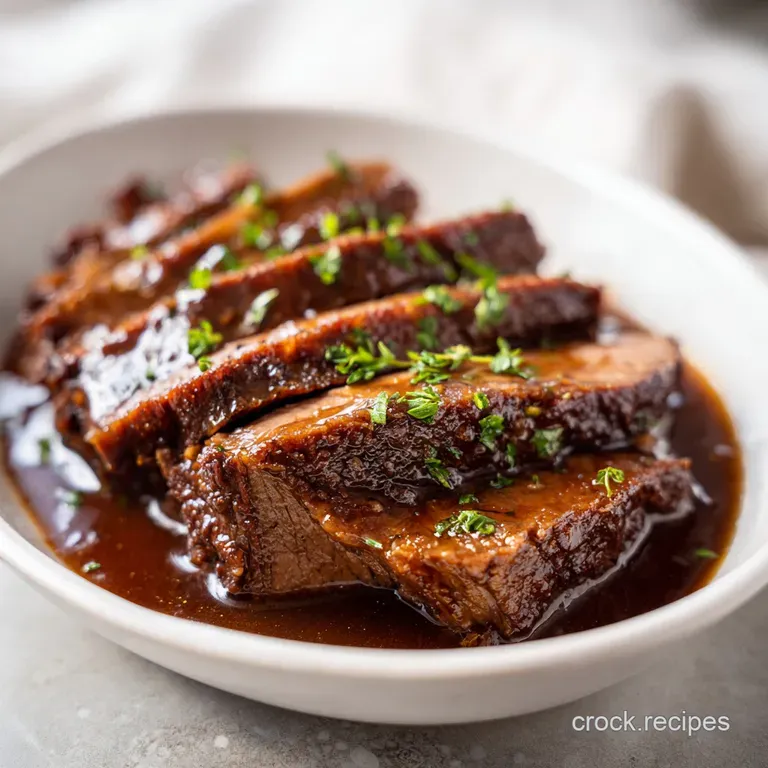
- Time:15 minutes active + 8 hours cooking = Total 8 hours 15 mins
- Flavor/Texture Hook: Mahogany crust with meat that shreds with a fork
- Perfect for: Sunday family dinners or low effort meal prep
- Secrets to the Best Ever Slow Cooker Roast
- The Big Flavor Shift
- Why the Method Actually Works
- Component Analysis
- What You'll Need
- Tools for the Job
- Step by Step Guide
- Avoiding Common Cooking Errors
- Troubleshooting Common Issues
- Customizing Your Meat
- Scaling the Roast
- Debunking Roast Myths
- Storing and Saving Scraps
- How to Serve it
- Recipe FAQs
- 📝 Recipe Card
Secrets to the Best Ever Slow Cooker Roast
That aggressive sizzle when the beef hits the hot oil is where the magic starts. I remember the first time I tried making a pot roast; I just threw everything in the Crockpot, turned it on, and waited. What I got was a grey, boiled piece of meat and some mushy carrots that tasted like... well, nothing.
It was a total letdown. I thought the slow cooker was just a "set it and forget it" machine that did all the work for you, but I was wrong.
The real trick is realizing that the slow cooker is amazing at tenderizing, but it's terrible at creating flavor. To get the best ever slow cooker roast, you have to do the hard work upfront. You need that deep, dark crust on the meat and a liquid that has been enriched by deglazing a pan.
Once you stop treating the pot like a slow cooker stew bucket and start treating it like a precision braising tool, everything changes.
Trust me on this, once you smell the combination of fresh rosemary and seared beef wafting through your house for eight hours, you'll never go back to the "dump and go" method. We're aiming for a result that's velvety, rich, and completely effortless by the time you actually sit down to eat.
The Big Flavor Shift
Most people think you can just throw a roast in and call it a day. But if you want a melt in the mouth roast beef slow cooker experience, you have to challenge that assumption. The "dump method" leaves the meat pale and the flavor one dimensional.
By spending 15 minutes at the stove first, you're building layers of taste that a heating element simply cannot create on its own.
I've found that the biggest mistake is adding vegetables at the start. Carrots and potatoes are great, but they can't handle eight hours of heat without turning into baby food. By splitting the process, we keep the beef tender and the vegetables intact.
It's a simple shift in logic that makes the dish feel professional.
Right then, let's look at what's actually happening inside the pot while you're going about your day.
Why the Method Actually Works
Instead of a textbook, here is the "home cook" version of why this specific process creates such a killer result.
The Crust Effect: Searing the beef creates a deep mahogany layer that tastes savory and rich. This doesn't "seal in" juice, but it adds a massive amount of flavor to the overall braise.
Collagen Melt: Chuck roast is full of tough connective tissue. Cooking it low and slow for 8 hours turns that tough collagen into gelatin, which is what gives the meat that silky, shreddable texture.
The Veggie Timeline: Adding carrots and potatoes only for the final 3 hours prevents them from overcooking. They absorb the beefy juices without losing their structure.
The Slurry Secret: Using a cornstarch slurry at the end transforms the cooking liquid from a thin soup into a velvety gravy that actually clings to the meat.
| Method | Time | Texture | Best For |
|---|---|---|---|
| Slow Cooker | 8 hours | Shreddy/Tender | Hands off comfort |
| Dutch Oven | 4 hours | Tight/Juicy | Intense flavor |
| Instant Pot | 1 hour | Soft/Uniform | Last minute meals |
Component Analysis
To understand how the best ever slow cooker roast comes together, you have to look at what the ingredients are actually doing. It's not just about taste; it's about how they interact over those long hours.
| Ingredient | Science Role | Pro Secret |
|---|---|---|
| Beef Chuck | Collagen Source | Choose a piece with heavy white marbling for maximum tenderness |
| Beef Broth | Heat Medium | Use homemade turkey stock for a richer, deeper base |
| Worcestershire | Umami Booster | The fermented anchovies in here act as a natural flavor enhancer |
| Cornstarch | Thickener | Always mix with cold water first to avoid clumps in your gravy |
What You'll Need
Here is the lineup. I've kept this simple because you don't need a pantry full of rare spices to make this work. Fresh herbs are the key here.
- 3 lb beef chuck roast Why this? High fat and collagen content for tenderness (Substitute: Bottom round, but it's leaner and tougher)
- 2 tbsp neutral oil Why this? High smoke point for the sear (Substitute: Grapeseed or Avocado oil)
- 1 tsp kosher salt (Substitute: Sea salt)
- 1 tsp cracked black pepper (Substitute: White pepper)
- 1 cup low sodium beef broth Why this? Controls salt levels as liquid reduces (Substitute: Water with a bouillon cube)
- 2 tbsp Worcestershire sauce Why this? Adds deep savory notes (Substitute: Soy sauce)
- 4 cloves garlic, smashed (Substitute: 1 tbsp garlic paste)
- 1 medium yellow onion, quartered (Substitute: White onion)
- 2 sprigs fresh rosemary Why this? Piney aroma that cuts through the fat (Substitute: 1 tsp dried rosemary)
- 3 sprigs fresh thyme Why this? Earthy sweetness (Substitute: 1 tsp dried thyme)
- 4 large carrots, cut into 2 inch chunks (Substitute: Parsnips)
- 1.5 lb baby potatoes, halved (Substitute: Yukon Gold chunks)
- 2 stalks celery, cut into 2 inch chunks (Substitute: Fennel)
- 2 tbsp cornstarch (Substitute: Arrowroot powder)
- 3 tbsp cold water
Tools for the Job
You don't need a fancy kitchen to pull this off. A few basic tools will do.
- Slow Cooker: A 6 quart model is usually the sweet spot for a 3 lb roast.
- Heavy Skillet: Cast iron is the gold standard here because it holds heat so well for that sear.
- Tongs: For flipping the meat without burning your fingers.
- Whisk: To get that cornstarch slurry perfectly smooth.
Chef Note: If you don't have a cast iron skillet, a stainless steel pan works great too. Just make sure the oil is shimmering before the meat hits the pan, or the beef will stick and steam instead of searing.
Step by step Guide
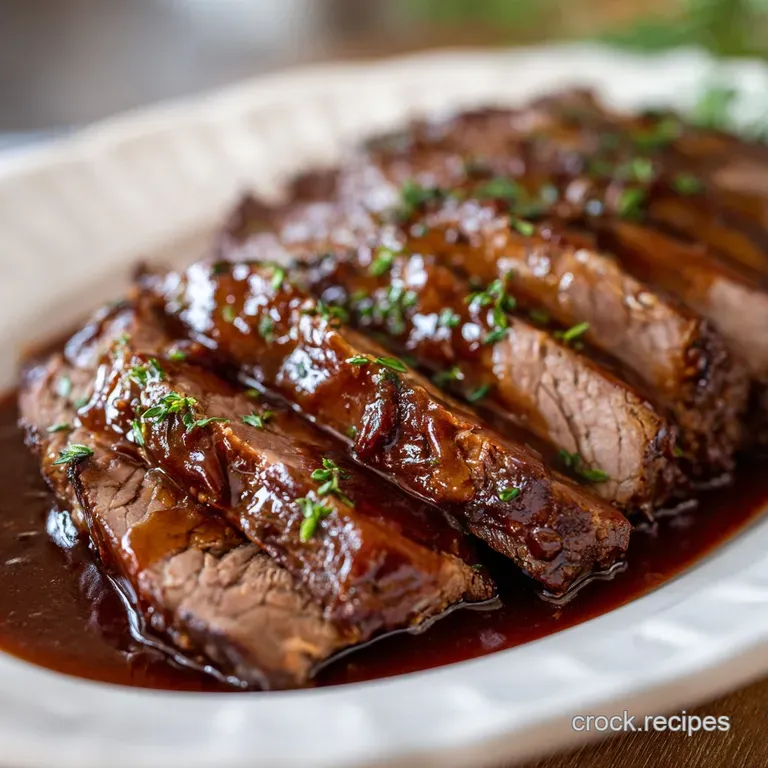
Let's crack on. Follow these steps exactly, especially the timing on the vegetables, and you'll have the best ever slow cooker roast every single time.
- Pat the beef chuck roast dry with paper towels and season generously with salt and pepper on all sides. Note: Moisture is the enemy of a good sear; dry meat browns faster.
- Heat neutral oil in a skillet over medium high heat until shimmering. Sear the meat for 5–7 minutes per side until a deep mahogany colored crust forms; remove meat and set aside.
- Deglaze the skillet with a splash of beef broth, scraping up the brown bits (fond) with a spatula. Note: Those brown bits are concentrated flavor gold.
- Place quartered onions and smashed garlic at the bottom of the slow cooker to create a natural roasting rack.
- Place the seared roast on top of the aromatics. Pour in the beef broth and Worcestershire sauce, then nestle rosemary and thyme sprigs around the beef.
- Cover and cook on LOW for 8 hours. Note: Do not peek! Opening the lid lets out heat and adds 15-20 mins to the cook time.
- Three hours before the cooking time ends, add the carrots, potatoes, and celery around the roast.
- Once the beef is fork tender, remove the meat and vegetables to a platter and tent with foil. Until the meat yields easily to a fork.
- Whisk cornstarch and cold water into a slurry, stir into the slow cooker liquid, and simmer on high until thickened into a gravy.
Avoiding Common Cooking Errors
Even the most experienced cooks hit a snag now and then. When it comes to a tender slow cooker roast beef, the issues are usually related to temperature or timing.
Troubleshooting Common Issues
| Issue | Solution |
|---|---|
| Why Your Beef Is Tough | If your roast is still chewy after 8 hours, it's usually because it hasn't reached the internal temperature where collagen breaks down. This can happen if your slow cooker runs "cool" or if the meat w |
| Why Your Gravy Is Watery | This happens when the cornstarch isn't fully activated or the liquid hasn't simmered long enough. You can't just stir in cornstarch and expect it to thicken instantly; it needs to reach a near boil to |
| Why Your Veggies Are Mush | Adding the vegetables at the start is the most common mistake. They simply cannot survive 8 hours of moisture and heat. Stick to the 3 hour rule for a better bite. |
Common Mistakes Checklist
- ✓ Did you pat the meat dry before searing?
- ✓ Did you deglaze the pan to get the brown bits?
- ✓ Did you wait until the last 3 hours to add vegetables?
- ✓ Did you let the gravy simmer after adding the slurry?
- ✓ Did you use a chuck roast instead of a lean round roast?
Customizing Your Meat
Once you've mastered the best ever slow cooker roast, you can start playing with the flavors. The beauty of this base is how versatile it is.
For a Wine Infused Twist Replace half of the beef broth with a dry red wine like Cabernet Sauvignon or Merlot. This adds a sophisticated acidity that cuts through the richness of the beef. If you do this, add a teaspoon of brown sugar to balance the tannins of the wine.
For a Root Vegetable Feast Swap the carrots and celery for parsnips and turnips. These root vegetables hold up even better in the slow cooker and provide a slightly peppery, earthy flavor that pairs beautifully with the rosemary.
Dietary Swaps - Low Carb: Replace potatoes with radishes or cauliflower florets. Radishes lose their "bite" when slow cooked and take on a texture very similar to a potato. - gluten-free: The recipe is naturally GF, but double check your Worcestershire sauce label.
Some brands use barley malt; look for a certified GF version or use coconut aminos.
If you're looking for something different for another night, my Marry Me Chicken Meatballs use a similar slow cooking philosophy but with a creamy tomato base.
Scaling the Roast
Adjusting a slow cooker recipe isn't as simple as doubling the ingredients. The physics of the pot change when you change the volume.
Scaling Down (Small Family) If you're using a 1.5 lb to 2 lb roast, use a smaller slow cooker if you have one. Reduce the liquid by about 20% so the meat doesn't end up swimming in soup. The cooking time usually stays the same on LOW, but start checking for tenderness at 6 hours.
Scaling Up (Crowd Pleaser) For a 6 lb roast, don't double the salt or Worcestershire sauce - that's a recipe for a salt bomb. Increase seasonings by about 1.5x. You'll need a larger 7-8 quart pot. Because the meat is denser, you might need to extend the cook time by another hour.
Baking Adjustment If you decide to move this to a Dutch oven in the oven, set it to 300°F (150°C). The cooking time will drop to about 3-4 hours. Just make sure the meat is submerged about halfway in the liquid.
| Roast Size | Liquid Amount | Seasoning Multiplier | Estimated Time (Low) |
|---|---|---|---|
| 2 lbs | 3/4 cup broth | 0.7x | 6-8 hours |
| 3 lbs | 1 cup broth | 1x | 8 hours |
| 6 lbs | 1.5 cups broth | 1.5x | 9-10 hours |
Debunking Roast Myths
There are a few things people always say about pot roast that just aren't true. Let's set the record straight.
The "Sealing in Juices" Myth You'll hear people say searing the meat "seals in the juices." It doesn't. Moisture loss happens throughout the entire cooking process. Searing is strictly about flavor.
It creates a chemical change on the surface that adds complexity, but it doesn't act as a waterproof barrier.
The "Low and Slow" Myth Some think that the longer you cook it, the better it gets. Not true. Once the collagen has melted and the meat is tender, further cooking just starts to dry out the muscle fibers. Once it shreds with a fork, take it out!
Storing and Saving Scraps
The best part about the best ever slow cooker roast is that it's even better the next day. The flavors have more time to meld, and the meat absorbs more of that velvety gravy.
Fridge and Freezer Store the beef and vegetables in an airtight container in the fridge for up to 4 days. For the freezer, I recommend freezing the beef and gravy together in a freezer safe bag. This prevents the meat from drying out. It'll stay great for 3 months.
When reheating, do it slowly on the stove or in the microwave with a splash of extra broth to loosen the sauce.
Zero Waste Tips Don't throw away those leftover scraps! If you have a bit of beef left over, shred it for beef tacos or a hearty sandwich with melted provolone. If you have leftover braising liquid that didn't get turned into gravy, freeze it in ice cube trays.
You can drop a cube of this "beef essence" into any soup or stew to add an immediate depth of flavor.
How to Serve it
Presentation matters, but comfort is the priority here. Since the meat is so tender, you can either serve it as whole slices or roughly shredded.
The Platter Approach Place the meat in the center of a large platter and surround it with the carrots and potatoes. Spoon the thickened gravy over the top just before bringing it to the table. This keeps the roast from looking "boiled" and gives it a professional finish.
The Bowl Approach For a more casual vibe, ladle a generous scoop of vegetables and meat into wide bowls and pour the gravy over everything. Serve with a side of crusty sourdough bread or a simple green salad to cut through the richness.
Perfect Pairings This dish is heavy, so you want sides that provide contrast. A bright, vinegary coleslaw or roasted Brussels sprouts with a squeeze of lemon works wonders.
If you're feeling extra indulgent, a side of creamy mashed potatoes is the classic move, though the baby potatoes in the pot usually do the trick.
Right then, you've got the tools, the technique, and the timing. Go get that roast started and enjoy the smell of a home cooked meal filling your space. Trust me, your family (and your stomach) will thank you.
Recipe FAQs
What is the best type of roast to cook in a slow cooker?
Beef chuck roast. It contains the ideal amount of fat and connective tissue that breaks down over 8 hours to create a tender result.
What are common mistakes with slow cooker roast?
Adding vegetables too early. If carrots and potatoes cook for the full duration, they will turn to mush; only add them during the final three hours.
How do you keep a roast moist in a slow cooker?
Cook on LOW for 8 hours. This slow temperature, combined with the beef broth and Worcestershire sauce, prevents the meat from drying out.
Do you have to brown a roast before putting it in a slow cooker?
Yes, it's highly recommended. Searing for 5 7 minutes per side creates a mahogany crust and deep flavor that simmering alone cannot produce.
How to prevent vegetables from becoming mushy?
Add the carrots, potatoes, and celery three hours before the end. This timing ensures they are fork tender without losing their structure.
Is it true that you can't thicken gravy directly in a slow cooker?
No, this is a common misconception. You can easily thicken the sauce by whisking in a cornstarch and water slurry and simmering until it bubbles.
What is the best way to store and reuse leftovers?
Store in an airtight container for up to 4 days. For a second meal, the same meat shredding technique is used in these shredded beef enchiladas.
Best Ever Slow Cooker Roast