Brown Butter Sage Butternut Squash Pasta with Crispy Sage
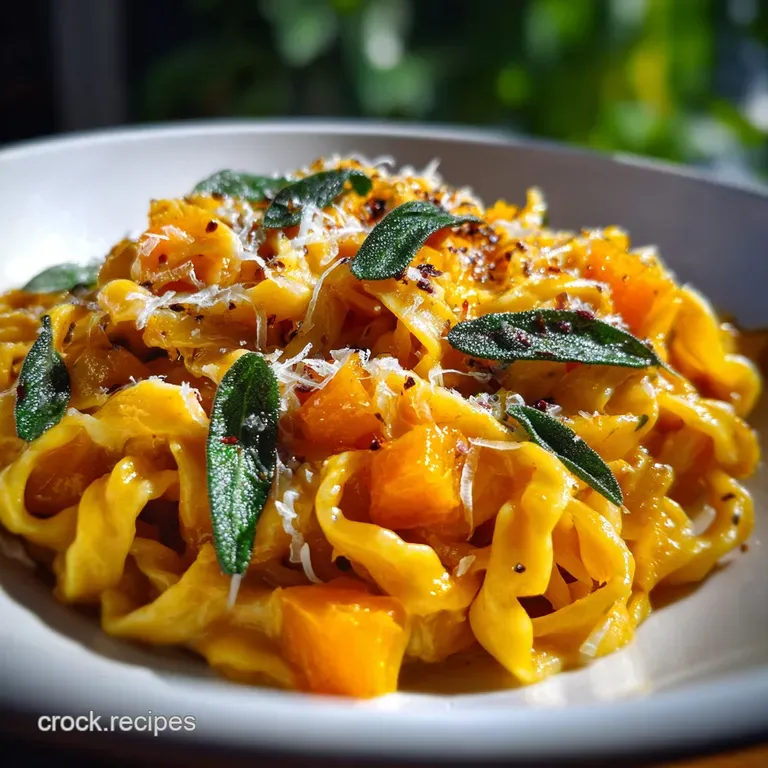
- Time: Active 15 minutes, Passive 35 minutes, Total 50 minutes
- Flavor/Texture Hook: Nutty, velvety sauce with crispy, herb flecked edges.
- Perfect for: A satisfying Sunday dinner or a hearty meal prep option.
- The Culinary Logic of Brown Butter Sage Butternut Squash Pasta
- Essential Stats for Your Cozy Squash Pasta Creation
- Choosing Ingredients for the Ultimate Silky Squash Sauce
- The Handful of Tools Needed for Pasta Perfection
- Step by Step Guide to Crafting This Velvety Dinner
- Preventing Common Mistakes for a Flawless Pasta Result
- Customizing Your Brown Butter Sage Butternut Squash Pasta
- Storing and Reheating Your Hearty Butternut Squash Leftovers
- Finishing Touches to Complement This Satisfying Squash Meal
- Recipe FAQs
- 📝 Recipe Card
The Culinary Logic of Brown Butter Sage Butternut Squash Pasta
I remember the first time I attempted this dish; I thought I could just toss everything in a pan and hope for the best. The result was a watery, bland mess that lacked any real character.
But then I heard that specific sound the frantic, bubbly hiss of sage leaves hitting 115g of foaming butter and everything changed. That aroma of toasted hazelnuts and woodsy herbs filled my kitchen, signaling that I’d finally cracked the code to a truly satisfying comfort food.
This recipe brings you a wonderfully Creamy Brown Butter Sage Butternut Squash Pasta with Garlic. It isn’t just about boiling noodles; it’s about the transformation of simple, hearty ingredients into a sauce so velvety it clings to every ridge of your rigatoni.
We’re looking for that specific moment when the squash becomes tender enough to melt, and the butter reaches a deep mahogany hue without crossing the line into burnt bitterness.
When you pull that tray of roasted squash out of the oven, the house smells like a cozy retreat. Trust me on this: roasting the 4 cloves of garlic inside their skins is the secret. It protects the cloves from the harsh heat, turning the insides into a sweet, jammy paste that stirs right into the sauce.
It’s a total game changer for depth of flavor.
The Physics of the Toasted Milk Solid
Maillard Reaction: Browning 115g of butter triggers a chemical reaction between amino acids and reducing sugars, creating hundreds of new flavor compounds that mimic toasted nuts. These solids provide a savory counterpoint to the natural sugars in 900g of roasted butternut squash.
| Method | Time | Texture | Best For |
|---|---|---|---|
| Oven Roasting | 35 minutes | Caramelized, deep sweetness | Maximum flavor depth |
| Steaming | 12 minutes | Clean, bright, soft | Quick weeknight prep |
| Air Fryer | 18 minutes | Crispy edges, firm center | Small batch portions |
Roasting the squash is essential because it evaporates excess water, concentrating the sugars and providing a sturdier base for the sauce. If you choose to steam it, the sauce will be lighter but will lack that characteristic roasted "hearty" finish that defines this specific dish.
Essential Stats for Your Cozy Squash Pasta Creation
Before we get to the stovetop, let’s look at the science behind why these specific ingredients play so well together. Achieving that velvety texture requires more than just mixing; it’s about the chemical bond between the starchy pasta water and the fats in the butter and 50g of Parmigiano Reggiano.
Component Analysis
| Ingredient | Science Role | Pro Secret |
|---|---|---|
| Butternut Squash | Starch and Body | Roast until the edges look "shriveled" for maximum sweetness. |
| Unsalted Butter | Flavor and Fat | Use high-quality European butter for more milk solids to brown. |
| Starchy Pasta Water | Emulsifier | Never toss this; it acts as the "glue" for your sauce. |
| Fresh Sage | Volatile Oils | Fry until the leaves stop bubbling that's when they are crisp. |
If you enjoy the technique of building a sauce from the ground up, you might find similarities in how we construct flavors in our How to Make recipe. Both rely on the marriage of fat and starch to create a coating that doesn't just slide off the pasta.
Choosing Ingredients for the Ultimate Silky Squash Sauce
- 900g butternut squash: Peeled and cubed into 1 inch pieces. Why this? Dense starch content creates a naturally thick, creamy sauce base.
- Substitute: Pumpkin or red kuri squash for a similar earthy profile.
- 115g high-quality unsalted butter: Why this? Unsalted allows you to control the seasoning precisely during the browning process.
- Substitute: Ghee (though you won't get the same toasted milk solids).
- 454g rigatoni or campanelle pasta: Why this? These shapes have ridges and hollows to trap the thick squash puree.
- Substitute: Penne or large shells.
- 25 fresh sage leaves: Why this? Sage contains oils that are fat soluble, infusing the butter perfectly.
- Substitute: Fresh thyme (note: will be more floral, less earthy).
- 50g freshly grated Parmigiano Reggiano: Why this? Provides the salt and umami needed to balance the sweet squash.
- Substitute: Pecorino Romano for a sharper, saltier kick.
- 235ml reserved starchy pasta water: Why this? The starch prevents the butter and milk from separating.
- Substitute: Very light vegetable stock (though starch will be lower).
Chef Tip: Grate your cheese directly from the block. Pre shredded cheese is coated in potato starch or cellulose, which prevents it from melting into a smooth, velvety sauce and can result in a grainy texture.
The Handful of Tools Needed for Pasta Perfection
You don't need a high end kitchen to make this, but a few specific items will make your life much easier. I always use a large, rimmed baking sheet to ensure the squash has enough space to roast without steaming itself. If the cubes are too close together, they’ll get mushy instead of caramelized.
A heavy bottomed skillet or a Dutch oven is your best friend for the brown butter. The thick base distributes heat evenly, which is crucial because butter can go from "perfectly toasted" to "burned" in a matter of seconds.
I also recommend a immersion blender or a standard blender to get that sauce as smooth as possible, though a potato masher works if you prefer a rustic, chunky vibe.
Comparing Fresh vs. Shortcut Options
| Feature | Fresh Roasted Squash | Pre Cut/Frozen Squash |
|---|---|---|
| Flavor | Deep, caramelized, complex | Mild, slightly watery |
| Texture | Dense and buttery | Can be fibrous or soft |
| Time Saved | 0 minutes | 15-20 minutes of prep |
step-by-step Guide to Crafting This Velvety Dinner
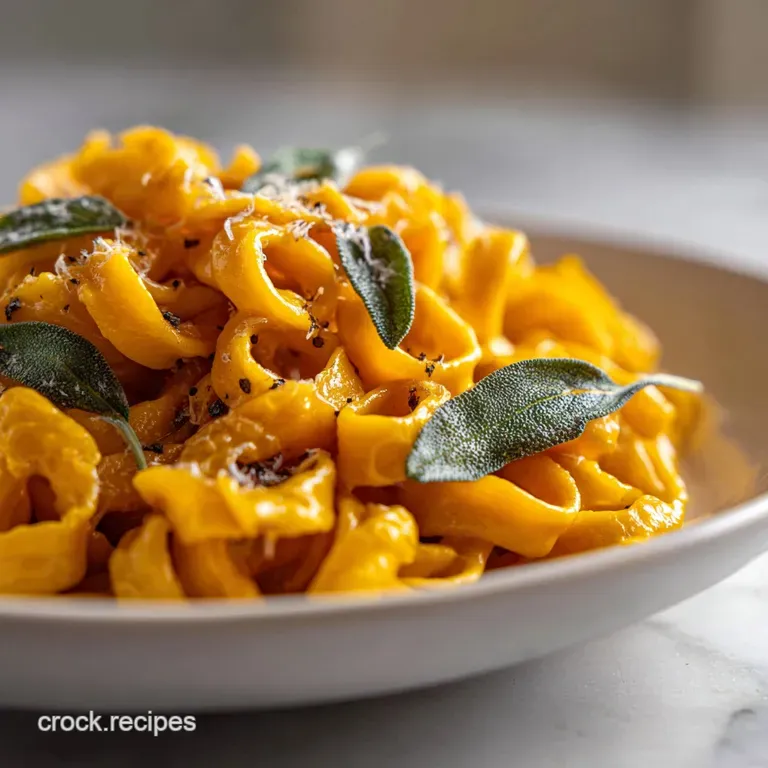
Phase 1: The Caramelization Roast
- Preheat your oven to 400°F (200°C).
- Toss 900g of butternut squash cubes with 2 tbsp olive oil, 0.5 tsp salt, and 0.25 tsp pepper.
- Nestle the 4 skin on garlic cloves among the squash.
- Roast for 35 minutes until the squash is tender and the edges are brown and shriveled. Note: This creates the sweet foundation of the sauce.
Phase 2: Perfecting the Beurre Noisette
- Melt 115g of butter in a large skillet over medium heat.
- Swirl the pan constantly as the butter foams and pops.
- Add 25 sage leaves and 0.5 tsp red pepper flakes until the butter is mahogany and the sage is crispy.
- Remove the sage leaves with a slotted spoon and set them on a paper towel to stay crisp.
Phase 3: The Silk Inducing Emulsion
- Boil 454g of pasta in salted water until just shy of al dente; reserve 235ml of starchy water before draining.
- Squeeze the roasted garlic out of their skins and blend with the roasted squash, 60ml milk, and half the pasta water until completely velvety.
- Combine the squash puree with the brown butter in the skillet over low heat.
- Fold in the pasta and 50g Parmigiano Reggiano, adding more pasta water as needed until the sauce coats every noodle glossily.
- Finish with 5ml lemon juice to brighten the fats.
Preventing Common Mistakes for a Flawless Pasta Result
One of the biggest hurdles is getting the sauce consistency right. If it's too thick, it looks like mashed potatoes; too thin, and it pools at the bottom of the bowl. The secret is that 235ml of reserved pasta water. It’s better to have too much than too little.
Why Your Sauce Broke or Separated
If you see beads of oil floating on top of the sauce instead of a creamy coating, your emulsion has broken. This usually happens if the heat is too high when adding the cheese or if there isn't enough starch to bind the fat and liquid.
| Problem | Root Cause | Solution |
|---|---|---|
| Grainy Sauce | Cheese was added to boiling liquid | Remove from heat before stirring in the cheese. |
| Bland Flavor | Lack of acidity or salt | Add a splash more lemon juice or a pinch of kosher salt. |
| Soggy Sage | Butter wasn't hot enough | Wait for the butter to stop "spitting" before adding leaves. |
Common Mistakes Checklist
- ✓ Roast the garlic with the skins on to prevent the cloves from turning bitter and hard.
- ✓ Save the pasta water before you tip the pot into the colander (I've forgotten this too many times!).
- ✓ Use a wide skillet for browning butter so you can clearly see the color change of the milk solids.
- ✓ Don't overcook the pasta in the water; it will finish cooking for 1-2 minutes in the actual sauce.
- ✓ Pat the sage leaves dry before frying to prevent dangerous oil splatters.
Customizing Your Brown Butter Sage Butternut Squash Pasta
The beauty of this Brown Butter Sage Butternut Squash Pasta with Garlic is how well it adapts to what you have in the pantry. If you want a bit more texture, I love adding toasted walnuts or hazelnuts at the very end. The crunch against the soft pasta is incredibly satisfying.
For those who want a bit more "zing," try adding a teaspoon of Dijon mustard to the squash puree. It sounds strange, but the mustard acts as a secondary emulsifier and cuts through the richness of the butter. If you're looking for a faster weeknight option with a similar vibe, you might enjoy this 20Minute Garlic Butter recipe.
Flavor Map Variations
- Sweet/Savory: Add a pinch of nutmeg to the squash puree.
- Bright/Rich: Double the lemon juice and add lemon zest.
- Heat: Increase the red pepper flakes to 1 tsp for a spicy kick.
Decision Shortcut
- If you want a creamier sauce, add an extra 30ml of whole milk or a splash of heavy cream.
- If you want a deeper flavor, let the butter brown until it smells almost like burnt sugar (but watch it like a hawk!).
- If you want a lighter meal, swap half the butter for extra virgin olive oil and use more pasta water.
Storing and Reheating Your Hearty Butternut Squash Leftovers
This dish stores surprisingly well, though the pasta will continue to soak up the sauce as it sits. In the fridge, it will last for about 3 to 4 days in an airtight container. When you're ready to eat it again, don't just microwave it on high. The fat will separate and leave you with an oily mess.
- Storage: Keep in the fridge for up to 4 days.
- Freezing: You can freeze the squash sauce puree for up to 3 months, but I don't recommend freezing the cooked pasta, as the texture becomes mushy upon thawing.
- Zero Waste Tip: Don't throw away those squash seeds! Rinse them, toss with a little olive oil and salt, and roast them at 325°F for 15 minutes for a crispy snack or a salad topper.
To reheat, put the pasta in a skillet over medium low heat and add a splash of milk or water. Stir gently as it warms up to re emulsify the sauce. This brings back that velvety texture we worked so hard to achieve.
Finishing Touches to Complement This Satisfying Squash Meal
When it comes to serving, presentation is half the battle for a dish that can look a bit "orange." That’s where those crispy sage leaves come in. Crushing a few over the top and leaving others whole adds visual interest and a concentrated burst of flavor.
A final dusting of Parmigiano Reggiano and some freshly cracked black pepper makes it feel like a restaurant quality meal.
A simple side of bitter greens, like an arugula salad with a sharp vinaigrette, balances the heavy sweetness of the squash. If you’re feeling extra indulgent, a piece of crusty sourdough is mandatory for swiping up every last drop of that brown butter sauce. It’s the kind of meal that makes you want to slow down and enjoy every bite. If you're looking for more quick pasta inspiration, check out this Bobs Your Uncle recipe for a faster pantry staple dinner.
Recipe FAQs
Can I skip browning the butter and just melt it normally?
No, this is essential for flavor. Browning the butter creates nutty, complex notes through the Maillard reaction that plain melted butter lacks.
How to ensure the sauce is creamy and not watery?
Reserve and incorporate starchy pasta water liberally. The starch in the water acts as the emulsifier, binding the fat from the butter to the squash puree.
How to prevent the crispy sage leaves from becoming soggy?
Remove sage immediately after frying and drain on paper towels. Add them back right before serving, keeping them dry until the last moment.
Is it true that using pre-shredded Parmesan cheese ruins the sauce texture?
Yes, pre-shredded cheese is problematic. It contains anti caking agents that prevent it from melting smoothly, often resulting in a grainy or separated sauce.
How to boost the savory, umami notes in this inherently sweet dish?
Finish with freshly grated Parmigiano Reggiano and a small squeeze of lemon juice. The salt and acid cut through the squash sweetness, much like balancing flavors in Better Than Box Hamburger Helper.
What is the best way to roast the squash for maximum sweetness?
Roast the cubes at 400°F until the edges are shriveled and deep gold. This step is crucial because it concentrates the sugars by evaporating water, improving texture for pureeing.
Can I use a milk substitute if I don't have whole milk for blending the puree?
Yes, but try to maintain a similar fat content if possible. If you only have skim milk, consider using our 7-Minute Heavy Cream Substitute method to add necessary richness.
Brown Butter Sage Squash Pasta
Ingredients:
Instructions:
Nutrition Facts:
| Calories | 852 calories |
|---|---|
| Protein | 22.3g |
| Fat | 35.7g |
| Carbs | 114.3g |
| Fiber | 7.2g |
| Sugar | 6.1g |
| Sodium | 685mg |
