Corned Beef Recipe with Cabbage and Potatoes
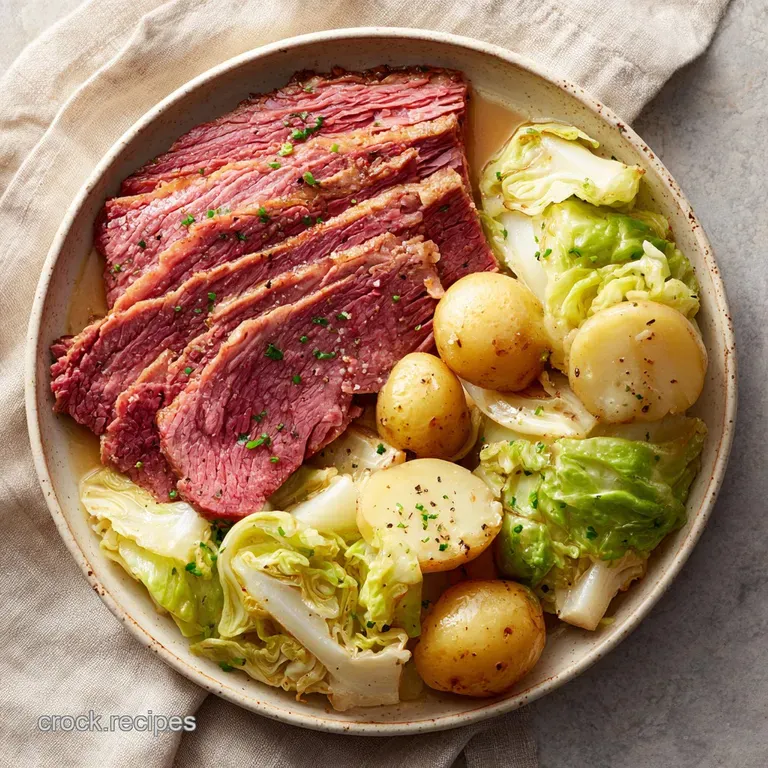
- Time: Active 20 minutes, Passive 3 hours 30 mins, Total 3 hours 50 mins
- Flavor/Texture Hook: Silky, salt cured beef paired with buttery, melt in-your mouth vegetables.
- Perfect for: A festive St. Patrick's Day celebration or a satisfying Sunday family dinner.
- Master the Traditional Corned Beef Recipe with Cabbage
- The Physics of the Low and Slow Braise
- Critical Checkpoints for Beef Recipe with Cabbage and Potatoes
- The Component Analysis of Brisket and Aromatics
- Essential Tools for This Hearty Braised Meal
- Detailed Steps for Crafting the Ultimate One Pot
- Solving Common Texture and Flavor Issues
- Smart Adjustments for Different Kitchen Methods
- Debunking Myths About Traditional Corned Beef Recipe
- Storage Methods and Minimizing Kitchen Waste
- Satisfying Sides to Complement This Brisket Dish
- Very High in Sodium
- Recipe FAQs
- 📝 Recipe Card
Master the Traditional Corned Beef Recipe with Cabbage
I still remember the first time I tried to make a corned beef dinner for a crowd. I thought "more heat equals faster food," and I ended up serving what felt like slices of salted eraser. The beef was grey, tough, and honestly, a bit of a heartbreak. But that failure was the best teacher I ever had in the kitchen.
It taught me that this dish isn't about rushing; it is about the quiet transformation of collagen into silkiness over a gentle, steady heat. This Corned Beef Recipe with Cabbage and Potatoes delivers a perfectly tender and flavorful one pot meal.
When you lift the lid of your Dutch oven after three hours, the aroma that hits you is something special. It’s the deep, malty scent of the stout beer mingling with the sharp punch of the pickling spices and the earthy sweetness of the carrots.
You’ll see the brisket has shrunk just slightly, its fat cap now a translucent, buttery layer that promises to melt away the moment it hits your tongue. We aren't just boiling meat here; we are building a profile of flavors that feel like a warm hug on a cold afternoon.
We've all been there with soggy, sulfurous cabbage that ruins the whole plate. Trust me, I've made that mistake more times than I’d like to admit. But through years of trial and error, I found the secret lies in the timing.
You’ll find that by adding the vegetables in stages, the potatoes stay creamy, the carrots remain structural, and the cabbage gets just tender enough to soak up that rich, salty brine without losing its soul. It's a satisfying process that rewards your patience with the most comforting meal in your repertoire.
The Physics of the Low and Slow Braise
Collagen Dissolution: The tough connective tissue in the brisket requires a steady internal temperature of around 160°F to 180°C to transform into gelatin, which creates that velvety mouthfeel.
Osmotic Balance: Simmering the beef in a mix of stout and low sodium broth prevents the salt in the cure from over seasoning the liquid while allowing the aromatics to penetrate the meat fibers.
Thermal Inertia: Large root vegetables like red potatoes hold heat longer than leaves, which is why they require an earlier entry into the pot to soften their dense starch structures.
| Cooking Method | Cook Time | Texture Result | Best For |
|---|---|---|---|
| Stovetop Simmer | 3 hours 30 mins | Most tender, traditional "pull" | Maximum flavor control |
| Oven Braise | 3 hours 30 mins | Slightly firmer, darker exterior | Set it and forget it |
| Slow Cooker | 8 hours (Low) | Extremely soft, shreds easily | Busy workdays |
The stovetop method is my personal favorite because you can keep an eye on the bubble. You want a "lazy bubble" not a violent boil that toughens the protein fibers. If you see the liquid dancing too vigorously, just turn the dial down a notch.
Critical Checkpoints for Beef Recipe with Cabbage and Potatoes
To get this right every single time, I rely on three specific markers. First, the 4 lb corned beef brisket must reach an internal temperature of at least 195°F for that "cut with a fork" texture. Second, the liquid should never exceed a gentle simmer; if you see big bubbles, the meat will seize.
Finally,, always let the meat rest for at least 15 minutes before you even think about picking up a knife. Slicing too early lets all that hard earned moisture escape onto the cutting board.
| Ingredient | Science Role | Pro Secret |
|---|---|---|
| Stout Beer | Acids tenderize meat fibers | Use a dry Irish stout like Guinness for deep molasses notes without excess sweetness |
| Dark Brown Sugar | Balances the high salt content | The molasses in the sugar rounds out the sharp vinegar notes in the pickling spice |
| Low Sodium Broth | Provides the liquid medium | Using low sodium is non negotiable; the beef itself provides enough salt for the whole pot |
Building layers of flavor is much like the technique I use in my Hearty Vegetable Beef recipe, where the broth acts as a canvas for the aromatics. In this dish, the beef broth and stout create a savory foundation that gets better as the fat from the brisket renders into it.
The Component Analysis of Brisket and Aromatics
- 4 lb corned beef brisket with spice packet: The star of the show. Why this? Brisket has the fat marbling necessary to stay moist during long cook times.
- Substitute: Beef round (though it will be significantly leaner and drier).
- 12 oz stout beer: Adds a rich, malty depth. Why this? The carbonation and acidity help break down tough muscle fibers early.
- Substitute: Non alcoholic malt beverage or extra beef broth with 1 tbsp Worcestershire sauce.
- 5 cups low sodium beef broth: The braising liquid. Why this? Controls salt levels while adding meaty intensity.
- Substitute: Chicken broth or water (water will yield a less "hearty" flavor).
- 1/4 cup dark brown sugar: For balance. Why this? It cuts through the brine's acidity and helps with surface browning.
- Substitute: Honey or maple syrup.
- 1 large yellow onion, quartered: Essential aromatic base.
- Substitute: Two large shallots or a white onion.
- 4 cloves garlic, smashed: Releases oils quickly.
- Substitute: 1 tsp garlic powder in a pinch.
- 2 bay leaves: Provides a subtle herbal background note.
- 1.5 lbs red potatoes, halved: Holds shape during simmering.
- Substitute: Yukon Gold potatoes (cut into larger chunks as they are softer).
- 1 lb large carrots, peeled and cut into 2 inch chunks: Adds sweetness.
- Substitute: Parsnips for an earthier, peppery bite.
- 1 medium head green cabbage, cut into 8 thick wedges: The classic finish.
- Substitute: Savoy cabbage for a more delicate texture.
- 4 tbsp unsalted butter: For the final glaze.
- 1/4 cup fresh parsley, chopped: Adds brightness and color.
- 1 tsp coarse black pepper: For a spicy finishing kick.
| Original Ingredient | Substitute | Why It Works |
|---|---|---|
| Red Potatoes | Yukon Gold | Both are waxy and won't disintegrate. Note: Yukon Golds are slightly creamier. |
| Stout Beer | Apple Cider | Adds a fruity acidity that complements the salty beef beautifully. |
| Dark Brown Sugar | Maple Syrup | Provides a similar depth of flavor with a distinct woodsy sweetness. |
I've found that using red potatoes is a game changer because their skin is thin and they stay firm. If you're looking for other ways to use these pantry staples, you might enjoy the simplicity of the The Homemade Hamburger recipe for a quicker weeknight fix.
Essential Tools for This Hearty Braised Meal
You don't need a kitchen full of gadgets, but a heavy bottomed Dutch oven (like a 6 quart Lodge or Le Creuset) is vital. It distributes heat evenly, which prevents the bottom of the brisket from scorching.
You’ll also need a sharp chef's knife for those thick cabbage wedges and a pair of sturdy tongs to flip the meat safely.
Chef's Tip: To prevent the cabbage from falling apart, leave a small piece of the core attached to each wedge. It acts like a "spine" that keeps the leaves together while they simmer in that savory broth.
Finally, make sure you have a large platter ready. This is a "family style" meal, and there is something incredibly satisfying about piling the glistening vegetables around the sliced meat. It turns a simple dinner into an event.
Detailed Steps for Crafting the Ultimate One Pot
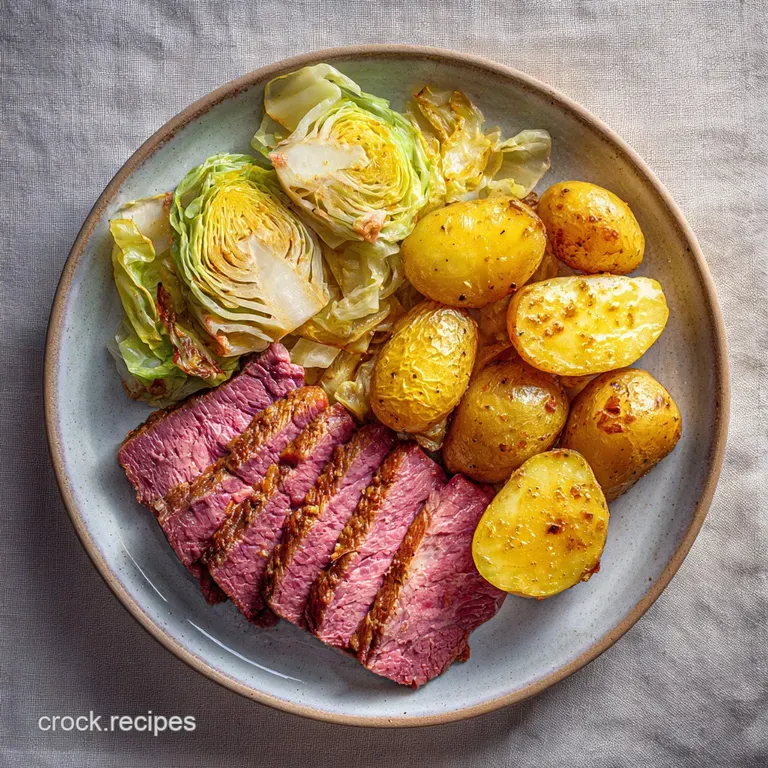
- Prepare the brisket. Remove the 4 lb corned beef brisket from its packaging and rinse it under cold water. Note: This removes excess surface brine which can make the final dish overly salty.
- Sear the meat. Place a large Dutch oven over medium high heat with a splash of oil. Sear the brisket fat side down for 5 minutes until the fat is golden and beginning to render.
- Aromatics and sugar. Add the quartered yellow onion and smashed garlic to the pot. Sprinkle the 1/4 cup dark brown sugar and the contents of the spice packet over the meat.
- Deglaze with stout. Pour in the 12 oz stout beer. Use a wooden spoon to scrape up any browned bits from the bottom of the pot until the liquid begins to foam slightly.
- Add the broth. Pour in the 5 cups low sodium beef broth and add the 2 bay leaves. The liquid should almost cover the meat.
- Simmer low and slow. Bring to a boil, then immediately reduce the heat to low. Cover and simmer for 2 hours 45 mins until the beef is starting to feel tender when pierced with a knife.
- Incorporate root vegetables. Add the 1.5 lbs red potatoes and 1 lb carrots to the pot. Cover and cook for another 20 minutes until the potatoes are just barely fork tender.
- The cabbage finish. Place the 8 cabbage wedges on top of the meat and vegetables. Cover and cook for 15 minutes until the cabbage is bright green and soft but not mushy.
- Rest the beef. Carefully remove the brisket to a cutting board. Tent it loosely with foil and let it rest for 15 minutes. Note: This allows the juices to redistribute through the fibers.
- Final glaze and serve. Slice the beef against the grain. Place it on a platter, surround with the vegetables, and drizzle with 4 tbsp melted unsalted butter, 1/4 cup parsley, and 1 tsp black pepper.
Solving Common Texture and Flavor Issues
Why Your Brisket Is Tough
If your meat feels like rubber, it likely hasn't spent enough time in the "collagen breakdown zone." Corned beef is naturally lean and fibrous. If it’s tough, it simply needs more time. Put the lid back on and give it another 30 minutes.
Rescuing Overly Salty Broth
Sometimes the cure on the beef is more aggressive than expected. If the liquid tastes like seawater, drop in a few extra thick slices of potato. They act like sponges, soaking up the excess salt. Alternatively, splash in a bit of water or more unsalted broth to dilute the intensity.
| Problem | Root Cause | Solution |
|---|---|---|
| Meat is dry/shreddy | Boiled too vigorously | Keep the liquid at a "lazy simmer" where only a few bubbles surface. |
| Vegetables are mushy | Added all at once | Follow the staggered timing: Meat first, then roots, then leaves. |
| Bitter aftertaste | Stout was too dark/burnt | Add an extra tablespoon of brown sugar to neutralize the hops. |
Common Mistakes Checklist
- ✓ Never skip the rinse; the packaging brine is often too salty for the cooking liquid.
- ✓ Always slice against the grain; look for the lines in the meat and cut perpendicular to them.
- ✓ Don't peek too often; every time you lift the lid, you lose about 10 degrees of heat.
- ✓ Keep the cabbage for the very end; 15 minutes is all it needs to steam through.
- ✓ Use a meat thermometer to ensure you hit that 195°F sweet spot.
Smart Adjustments for Different Kitchen Methods
If you are feeding a smaller group, you can easily halve this Recipe with Cabbage and Potatoes. Use a 2 lb brisket and reduce the liquids by about 20% rather than a full half to ensure the meat stays submerged.
If you are doubling it for a big party, keep the spices at 1.5 times the original amount so they don't overpower the delicate sweetness of the carrots.
For those who love their gadgets, this dish adapts beautifully. If you prefer a slow set approach, check out some Crock Pot Dinners recipe techniques. You can place everything except the cabbage in the slow cooker on low for 8-9 hours, adding the cabbage in the last hour of cooking.
If you want a richer sauce, whisk 2 tablespoons of grainy Dijon mustard into the broth right before serving. If you want crispy potatoes, remove them from the pot 10 minutes early and roast them in a 400°F oven with a bit of the beef fat.
If you want a leaner meal, trim the fat cap off the brisket after cooking but before slicing.
Debunking Myths About Traditional Corned Beef Recipe
A common misconception is that you must "boil" the beef. In reality, boiling at 212°F causes the muscle fibers to tighten and squeeze out all their moisture, resulting in dry, stringy meat. A gentle simmer at roughly 180°F is the true path to tenderness.
The heat should be high enough to break down connective tissue but low enough to keep the proteins relaxed.
Another myth is that the "red" color means the meat is undercooked. The pinkish red hue of corned beef is actually a chemical reaction between the sodium nitrite used in the curing process and the myoglobin in the meat. Even when fully cooked to a tender 200°F, the meat will remain pink.
Trust your thermometer and the "fork tender" test rather than the color of the slice.
Storage Methods and Minimizing Kitchen Waste
Leftover corned beef is practically a gift from the culinary gods. Store the meat and vegetables in an airtight container with a splash of the cooking liquid for up to 4 days in the fridge. This keeps the beef from drying out.
To reheat, I recommend steaming it gently or microwaving it at 50% power with a damp paper towel over the top.
- Freezing: You can freeze the sliced beef in its broth for up to 3 months. I don't recommend freezing the potatoes or cabbage, as they become unpleasantly grainy and watery upon thawing.
- Zero Waste Tip: Don't toss that leftover broth! It is packed with flavor. Strain it and use it as a base for a Hearty PubStyle Beef recipe or a rustic potato soup the next day.
- Hash it up: Roughly chop the leftover beef and potatoes, fry them in a cast iron skillet until crispy, and top with a poached egg for the ultimate breakfast hash.
Satisfying Sides to Complement This Brisket Dish
While this is a complete meal in a pot, a few extras can take it to the next level. I always serve mine with a side of extra strong horseradish or a grainy Guinness mustard. The sharp heat of the horseradish cuts through the richness of the beef fat perfectly.
A loaf of crusty Irish soda bread is almost mandatory for soaking up that delicious, stout infused broth at the bottom of the bowl. If you're looking for more inspiration for hearty, satisfying meals, exploring a Classic beef bourguignon recipe can show you another way to master the art of the long, slow braise with different flavor profiles. Whether it's a holiday or just a Tuesday, this dish brings everyone to the table with a smile.

Very High in Sodium
1945 mg mg of sodium per serving (85% of daily value)
The American Heart Association recommends limiting sodium intake to 2,300mg per day.
Tips to Reduce Sodium in Corned Beef and Cabbage
-
Broth Swap-30%
Replace the 5 cups of low-sodium beef broth with 5 cups of homemade or no-sodium added beef broth. This can significantly reduce the sodium content.
-
Spice Packet Alert-25%
Corned beef and the included spice packet are major contributors to sodium. Consider rinsing the corned beef very well before cooking and using your own blend of spices (peppercorns, mustard seeds, coriander seeds, bay leaves) instead of the packet.
-
Stout Awareness-10%
While 12oz of Stout may not contain significant sodium alone, be aware of the brand you are using. Check the nutrition label, and use a brand of stout with the lowest sodium content.
-
No Salt Added-10%
Ensure you are not adding any additional salt during the cooking process. The corned beef already contributes a significant amount. Consider omitting any added salt during and after cooking.
-
Herb Power
Enhance the flavor of your corned beef and cabbage with a variety of fresh or dried herbs like thyme, rosemary, or marjoram. These additions boost flavor without adding sodium.
Recipe FAQs
Do you put potatoes in corned beef and cabbage?
Yes, potatoes are traditional and highly recommended. They absorb the savory cooking liquid beautifully and should be added about 45 minutes before the cabbage to ensure they soften properly without disintegrating.
When should I add cabbage to my corned beef?
Add cabbage during the last 15 to 20 minutes of cooking time. Cabbage cooks much faster than the brisket or root vegetables; adding it too early results in a completely mushy texture.
What is the best method to cook corned beef?
The best method is a low and slow simmer (braise) on the stovetop or in the oven. This gentle heat breaks down the tough collagen into gelatin, yielding the best fork tender texture for the brisket.
What is the most common mistake when cooking corned beef?
The most common mistake is boiling the brisket too vigorously. Rapid boiling tightens the protein fibers, preventing the meat from softening; aim for a gentle, lazy simmer where only a few surface bubbles appear.
Should I rinse the corned beef before cooking?
Yes, always rinse the brisket under cold water first. The curing liquid left on the meat can make your final broth overwhelmingly salty; rinsing removes that excess surface brine.
How do I ensure my corned beef reaches maximum tenderness?
Cook the brisket until its internal temperature registers between 195°F and 205°F. This temperature range is critical because it’s when the connective tissue fully transforms into moist, velvety gelatin. If you enjoyed mastering this low-temperature breakdown technique, apply the same principle of gentle heat management when preparing our Blazing Black Pepper recipe for perfect sauce consistency.
Can I substitute the stout beer in the braising liquid?
Yes, you can substitute it with beef broth and a small amount of acid. If omitting beer, use extra low sodium beef broth mixed with 1 tablespoon of apple cider vinegar to mimic the tenderizing acidity the stout provides.
Corned Beef Cabbage Potatoes
Ingredients:
Instructions:
Nutrition Facts:
| Calories | 788 kcal |
|---|---|
| Protein | 45 g |
| Fat | 49 g |
| Carbs | 34 g |
| Fiber | 6 g |
| Sugar | 11 g |
| Sodium | 1945 mg |
