Easy Homemade Pizza Sauce: Thick and Zesty

- Time: Active 5 minutes, Passive 0 minutes, Total 5 minutes
- Flavor/Texture Hook: Zesty, herb infused, and thick
- Perfect for: Stress free family pizza nights or quick meal prep
- Create an Easy Homemade Pizza Sauce Recipe
- The Secret to Better Tomato Flavor
- Component Analysis for Deep Flavor
- High Quality Ingredients for Success
- Basic Kitchen Tools to Use
- How to Mix Your Sauce
- Fixing Your Sauce Texture Fast
- Simple Adjustments for Unique Tastes
- Debunking Sauce Misconceptions
- Keeping Your Sauce Fresh Longer
- What to Serve with Pizza
- Recipe FAQs
- 📝 Recipe Card
Create an Easy Homemade Pizza Sauce Recipe
Friday nights at our house always smell like a specific kind of magic. It’s the scent of dried oregano and sharp garlic hitting cold pressed olive oil, a hearty aroma that signals the work week is finally over.
I used to think that a satisfying pizza sauce had to simmer on the stove for hours, bubbling and splattering red dots all over my backsplash. But honestly, every time I cooked the sauce beforehand, it lost that vibrant, punchy tomato soul that makes a slice feel alive.
We want a sauce that tastes like a sun drenched garden, not a canned soup. That’s why we’re going the no cook route today. By mixing the aromatics directly into the oil first, we create layers of flavor that actually stand up to the high heat of your oven.
It’s a trick I learned after too many "cooked" sauces turned flat and sugary once they hit the baking stone. Trust me, once you smell this hit the dough, you’ll never go back to the jarred stuff.
This recipe is about comfort and ease. We’re leaning into thick crushed tomatoes and a touch of tomato paste to ensure the sauce stays exactly where you put it. No more watery pools in the center of your pie.
Just a rich, mahogany colored base that provides a satisfying foundation for all your favorite melty cheeses and salty toppings. Let's get into why this method actually works better than the traditional slow simmer approach.
The Secret to Better Tomato Flavor
Cold Extraction: Letting the garlic and herbs sit in the oil for two minutes pulls out their fat soluble flavor compounds without burning the delicate aromatics. This ensures every bite has a consistent, savory depth.
The Paste Emulsion: Whisking the tomato paste directly into the herb oil creates a thick, stable base. This prevents the water in the crushed tomatoes from separating, which is the main reason pizza crusts often turn soggy.
The Sugar Balance: A tiny pinch of granulated sugar doesn't make the sauce sweet; it chemically offsets the metallic tang of canned tomatoes. It rounds out the sharp edges of the acidity for a more warming, balanced profile.
| Method | Time | Texture | Best For |
|---|---|---|---|
| No Cook (This recipe) | 5 minutes | Thick, bright, and chunky | Authentic Neapolitan or New York style |
| Simmered (Classic) | 45 minutes | Smooth, sweet, and concentrated | Heavy meat lovers or deep dish pizzas |
| Fresh Tomato | 60 minutes | Thinner and very light | Summer garden pizzas with minimal toppings |
Every second counts when the family is hungry, but skipping the stove isn't just a time saver it's a flavor saver. When you cook a sauce twice (once on the stove and once in the oven), you lose those volatile aromas that make Italian food so satisfying.
This method ensures the "first" cook happens right on top of your dough, keeping everything vivid and hearty.
Component Analysis for Deep Flavor
| Ingredient | Science Role | Pro Secret |
|---|---|---|
| Extra Virgin Olive Oil | Flavor Carrier | Use the good stuff; the fat carries herb scents to your taste buds. |
| Tomato Paste | Binding Agent | It acts as a "glue" to keep the sauce thick and prevent dough sogginess. |
| Dried Oregano | Aromatic Depth | Rub it between your palms before adding to release trapped oils. |
| Crushed Tomatoes | Structural Base | Look for "heavy" crushed tomatoes for a more rustic, satisfying bite. |
The interaction between the oil and the dried herbs is where the real work happens. Most people just toss everything in a bowl at once, but that tiny two minute wait while the herbs soak in the oil is what transforms a "simple" sauce into something that tastes like it came from a professional brick oven shop.
high-quality Ingredients for Success
- 15 oz crushed tomatoes: The backbone of the sauce. Why this? Provides texture and a fresh, bright acidity that whole purees lack.
- 2 tbsp tomato paste: For thickness and color. Why this? It concentrates the tomato flavor and ensures the sauce isn't watery.
- 1 tbsp extra virgin olive oil: Our flavor delivery system. Why this? It mellows the garlic and helps the herbs "bloom."
- 1 clove garlic, minced: For that essential punch. Why this? Fresh is mandatory; jarred minced garlic has a weirdly sour aftertaste.
- 1 tsp dried oregano: The classic pizza scent. Why this? Dried actually works better than fresh here as it stands up to high oven heat.
- 0.5 tsp dried basil: For a sweet, peppery note. Why this? Complements the oregano and adds a secondary layer of herbal flavor.
- 0.5 tsp fine sea salt: To wake up the tomatoes. Why this? Sea salt dissolves more cleanly and has a purer flavor than table salt.
- 0.25 tsp black pepper: For a subtle, warming heat. Why this? Freshly cracked provides a floral note that pre ground pepper loses.
- 0.25 tsp granulated sugar: The acid balancer. Why this? Just enough to cut the tomato's sharpness without making it a dessert.
| Original Ingredient | Substitute | Why It Works |
|---|---|---|
| Crushed Tomatoes | Whole Peeled (crushed by hand) | Provides a chunkier, more rustic texture. Note: Needs more mixing. |
| Dried Oregano | Italian Seasoning Blend | Contains oregano plus thyme/rosemary. Note: Flavor will be more complex/floral. |
| Tomato Paste | Reduced Tomato Puree | If you don't have paste, simmer 1/2 cup puree until it reduces by half. |
Selecting the right tomatoes is the biggest hurdle. I usually reach for a can that feels heavy when I shake it. If it sounds like water sloshing around, it’s probably too thin. You want that thick, jammy consistency that coats a spoon.
Basic Kitchen Tools to Use
You really don't need much for this easy homemade pizza sauce recipe, which is part of its charm. A medium sized glass or stainless steel mixing bowl is perfect. Avoid reactive metals like aluminum, as the acid in the tomatoes can pick up a metallic tang if it sits too long.
A sturdy whisk is your best friend here, especially for that stage where we integrate the tomato paste into the oil.
If you like a super smooth sauce, you could use a small food processor, but honestly, I prefer the heartiness of the hand mixed version. A good garlic press or a sharp chef's knife for mincing that single clove is essential.
You want the garlic as fine as possible so nobody gets a giant "hot" bite of raw garlic on their slice.
How to Mix Your Sauce
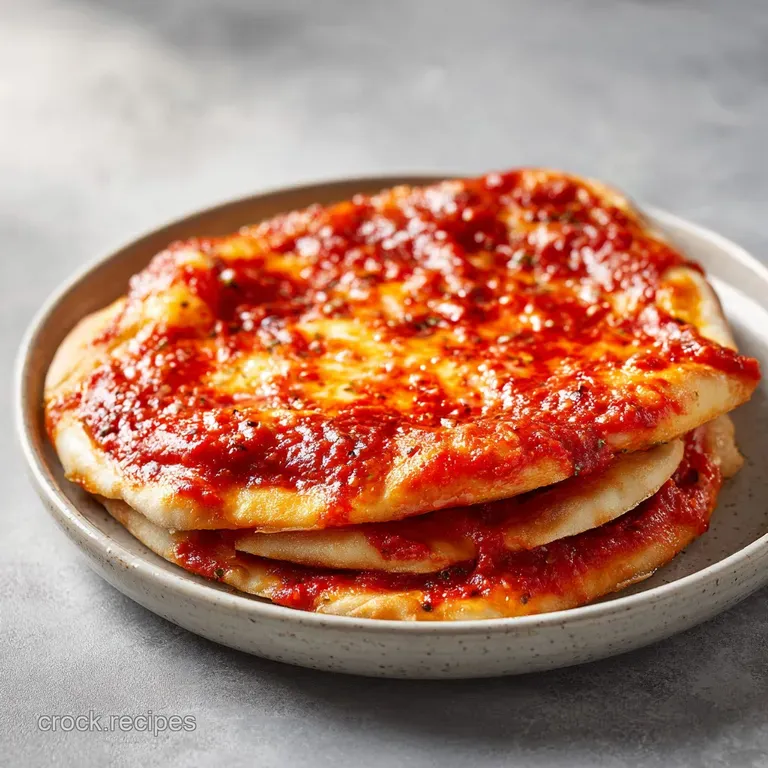
- Infuse the oil. In a medium sized mixing bowl, combine the extra virgin olive oil, finely minced garlic, dried oregano, dried basil, and black pepper.
- Wait for the bloom. Stir the oil and herb mixture and let it sit for 2 minutes until the kitchen smells like a pizzeria.Note: This softens the raw garlic bite and extracts flavor from the dried herbs.
- Create the emulsion. Add the tomato paste to the oil mixture. Whisk vigorously until the paste and oil are fully unified into a smooth, thick, mahogany colored paste.
- Incorporate the base. Stir in the crushed tomatoes, sea salt, and granulated sugar.
- Finalize the texture. Whisk until the sauce is uniform and glossy.
- Season to taste. Taste a small spoonful and adjust salt or add red pepper flakes if you want a bit of a kick.
- Store or use. Transfer to an airtight glass jar or spread it directly onto your favorite dough.
Chef's Tip: If you have the time, let the finished sauce sit on the counter for 30 minutes before using. The flavors continue to deepen even after the initial mixing.
This sauce is quite versatile. If you're looking for a heavier meal to go alongside your pizza night, you might consider how this flavor profile complements something like an Easy Baked Tortellini Cheese Casserole, which shares many of these same comforting Italian notes.
Fixing Your Sauce Texture Fast
Why Your Sauce Is Too Watery
If your tomatoes were particularly juicy, the sauce might seem a bit thin. This usually happens if the brand of crushed tomatoes has a high water to pulp ratio. Don't panic and start cooking it down; that will change the flavor profile we worked so hard to keep fresh.
Instead, add another teaspoon of tomato paste and whisk it in well. The paste acts as a natural thickener that doesn't require heat to activate.
Why Your Sauce Tastes Metallic
Canned goods can sometimes have a "tinny" flavor. This is why we use the sea salt and the tiny bit of sugar. If the metallic taste persists after mixing, a tiny squeeze of fresh lemon juice or a drop of balsamic vinegar can help. The extra acid helps mask the mineral notes of the can.
| Problem | Root Cause | Solution |
|---|---|---|
| Separating Oil | Under whisking the paste | Whisk the paste and oil for a full minute before adding tomatoes. |
| Bitter Aftertaste | Burnt garlic or poor oil | Ensure garlic isn't browned; use a high-quality extra virgin olive oil. |
| Too Chunky | Large tomato pieces | Pulse the finished sauce in a blender for 5 seconds for a smoother finish. |
Common Mistakes Checklist:
- ✓ Never skip the 2 minute oil soak; it's the difference between "raw" and "rich."
- ✓ Don't use table salt if you can help it; the iodine can make the sauce taste "off."
- ✓ Avoid over mincing the garlic into a paste, or it will become too bitter.
- ✓ Always whisk the paste into the oil before adding the crushed tomatoes.
- ✓ Use glass storage containers; plastic will stain red and absorb the garlic scent forever.
Simple Adjustments for Unique Tastes
Scaling Down (Making a Single Small Pizza) If you only need a little bit, you can easily halve this. Use a small bowl, and since you're using half an egg in many baking recipes, here you'll just use a tiny "smidge" of the spices. For the garlic, use a small clove or half of a large one.
The time remains the same, but you might only need to whisk for 30 seconds to get that emulsion.
Scaling Up (For a Pizza Party) Doubling or tripling this easy homemade pizza sauce recipe is a breeze for big gatherings. When you 2x the recipe, keep the salt and spices at about 1.5x to start, then taste and add more. Spices can become overwhelming when multiplied exactly.
You'll want to work in a larger bowl to give yourself enough "whisking room" to get that paste emulsified properly.
| Servings | Crushed Tomatoes | Tomato Paste | Olive Oil | Garlic |
|---|---|---|---|---|
| 4 People | 7.5 oz | 1 tbsp | 0.5 tbsp | 1 small clove |
| 8 People | 15 oz | 2 tbsp | 1 tbsp | 1 clove |
| 16 People | 30 oz | 4 tbsp | 2 tbsp | 2 cloves |
If you're making a massive batch for a community event, you can actually mix the oil and herbs in a large jar and shake it vigorously. It’s a great arm workout and gets the job done faster than a whisk in a giant vat.
Debunking Sauce Misconceptions
One major myth is that "authentic" pizza sauce must be cooked for hours. In reality, many of the best pizzerias in Naples use raw, crushed San Marzano tomatoes with nothing but salt and maybe a leaf of basil. The "cooking" happens at 900°F in the oven.
Simmering it on the stove first can actually lead to a "heavy" taste that sits uncomfortably in the stomach.
Another myth is that you need fresh tomatoes for the best sauce. Unless it is the height of August and you have heirloom tomatoes falling off the vine, canned tomatoes are actually superior. They are picked and packed at the peak of ripeness, whereas grocery store "fresh" tomatoes are often mealy and pale. For a dipping experience that matches this quality, check out my Silky Smooth Creamy Garlic Dream Sauce for those leftover crusts.
Keeping Your Sauce Fresh Longer
Storage Guidelines This sauce stays vibrant and hearty in the fridge for up to 5 days. I always suggest using a glass jar with a tight fitting lid. The flavors actually peak on day two or three, as the garlic mellows and the herbs fully hydrate.
If you notice a little oil rising to the top, just give it a quick stir before spreading it on your dough.
Freezing and Zero Waste If you have leftovers, don't throw them out! This sauce freezes beautifully for up to 3 months. My favorite trick is freezing the sauce in an ice cube tray. Once frozen, pop the "sauce cubes" into a freezer bag.
When you want a quick pizza bagel or a single personal pizza, just thaw two or three cubes. You can also toss a few cubes into a soup or a beef stew for an instant hit of umami and tomato depth.
What to Serve with Pizza
A satisfying pizza night needs more than just the pie. While the pizza is the star, a crisp green salad with a sharp vinaigrette helps cut through the richness of the cheese and the hearty tomato base. I love serving this alongside some warm garlic knots or even simple roasted vegetables.
If you have extra sauce, it makes a fantastic dip for mozzarella sticks or breaded zucchini fries. Because this easy homemade pizza sauce recipe is so thick, it clings perfectly to appetizers without dripping. It’s the ultimate comfort food companion that makes every meal feel like a special occasion at home.
Whether you're hosting a birthday party or just surviving a Tuesday, this sauce brings that "pizzeria" soul right into your kitchen with zero fuss.

Recipe FAQs
How to make pizza sauce at home easy?
Combine your ingredients in a medium sized bowl without heating. Whisk the tomato paste and olive oil first to create a stable base, then stir in the crushed tomatoes and spices until uniform.
How to make pizza sauce with 2 ingredients?
Whisk together tomato paste and a small amount of extra virgin olive oil. While this lacks the complexity of the full recipe, the technique mimics the silky smooth emulsion needed to keep your crust from becoming soggy.
What is the basic pizza sauce?
The foundation is a mixture of crushed tomatoes, tomato paste, olive oil, garlic, and dried herbs. Keeping the tomatoes raw preserves their vibrant, garden fresh flavor while the tomato paste provides the necessary body.
What is the secret to a great pizza sauce?
Bloom your dried herbs in the olive oil before adding tomatoes. Letting the garlic, oregano, and basil sit in the oil for two minutes extracts essential oils that would otherwise be lost during the baking process.
Can I store this sauce for later use?
Yes, transfer the sauce to an airtight glass jar. It stays fresh and the flavors continue to meld beautifully for up to five days in the refrigerator.
How do I prevent the sauce from making the pizza crust soggy?
Use a heavy base of tomato paste whisked into your olive oil. This creates a thick, mahogany colored emulsion that adheres to the dough rather than releasing excess moisture during the bake.
Is it necessary to cook the sauce on the stove first?
No, this is a common misconception. Cooking the sauce beforehand often flattens the bright tomato notes; by keeping it raw, the tomatoes maintain their integrity when hit with high heat in the oven.
Easy Homemade Pizza Sauce
Ingredients:
Instructions:
Nutrition Facts:
| Calories | 37 kcal |
|---|---|
| Protein | 1.1 g |
| Fat | 1.9 g |
| Carbs | 4.8 g |
| Fiber | 1.2 g |
| Sugar | 3.3 g |
| Sodium | 184 mg |
