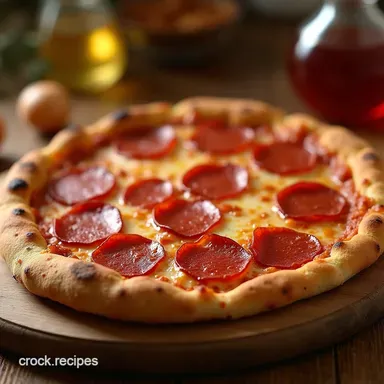
The Chip Shop Classic Crispy Crust Pepperoni Pizza with Perfect Cupping
- Unlocking True Pepperoni Pizza Perfection: The Secret to Cup-and-Char
- Why This Dough Recipe Guarantees a Chewy Interior
- Assembling Your Components for Superior Flavor Depth
- The Essential Gear for Crafting This Masterpiece
- Step-by-Step Guide to World-Class Homemade Pizza Dough
- Advanced Techniques: Elevating Your Next Bake
- Troubleshooting Common Home Pizza Pitfalls
- Recipe FAQs
- 📝 Recipe Card
Unlocking True Pepperoni Pizza Perfection: The Secret to Cup-and-Char
There is a distinct, almost magnetic pull toward the classic American Pepperoni Pizza Slice . It’s the benchmark against which all other casual, comforting meals are judged.
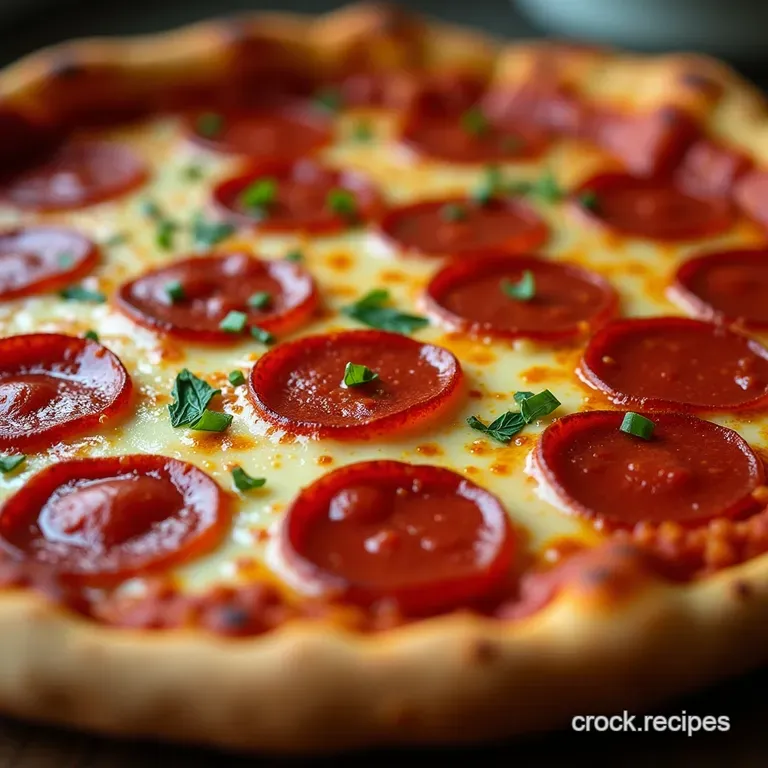
But achieving that legendary "cup-and-char", where the edges of the pepperoni curl up into tiny, flavour-holding cups, developing those coveted crisp edges, requires more than just throwing ingredients on dough. It demands technique, understanding heat, and respecting the simple ingredients.
This Pepperoni Pizza Recipe is engineered not just to satisfy a craving, but to elevate the entire process, ensuring your Homemade Pepperoni Pizza stands shoulder-to-shoulder with the best pizzerias in the country.
Forget takeout tonight; we are focused on crafting the Best Pepperoni Pizza you’ve ever tasted, starting right from the foundation.
Why This Dough Recipe Guarantees a Chewy Interior
The soul of any outstanding Classic Pepperoni Pizza resides in its crust. A great crust must balance structural integrity, able to hold heavy toppings without collapsing, with a tender, airy crumb.
Our chosen dough formulation uses strong bread flour, which has a high protein content perfect for robust gluten development. When combined with precisely measured warm water and yeast, this mixture creates the necessary framework for chewiness.
The inclusion of a small amount of sugar ensures the yeast is happy and active, leading to a vigorous rise. This isn't just about mixing ingredients; it's about establishing the chemical reactions that will produce that desirable interior texture, a crucial step in Making Pizza Dough .
Moving Beyond Flat Pepperoni: Mastering the Edges
The signature pepperoni cup isn't accidental; it’s a direct result of two primary factors: the casing and the heat applied. When using natural casing pepperoni, the casing shrinks faster than the meat during cooking. As the heat renders the fat, this differential shrinking causes the edges to curl upward.
For our topping selection, we advocate for slightly thicker, high-quality slices. Thinner cuts tend to dry out before they cup. When assembling, arrange these slices somewhat sparsely; overcrowding the surface prevents the edges from getting the direct, intense heat needed to achieve that signature crisping.
This attention to the pepperoni's behaviour is vital for achieving authentic results in all our Pizza Recipes Pepperoni .
The Kitchen Setup for Pizzeria-Quality Results
Transforming your home oven into a miniature, high-output pizza furnace is the next hurdle. Standard baking sheets simply cannot deliver the necessary thermal shock. The ideal setup involves a pizza stone or, even better, a baking steel.
These materials possess high thermal mass, meaning they absorb and hold massive amounts of heat. When the raw, room-temperature pizza is launched onto this surface, the underside cooks almost instantaneously.
This rapid bottom-up heat transfer is what achieves the immediate oven spring, setting the crust and preventing the dreaded soggy bottom often associated with home Pepperoni Pizza .
Why High Heat is Non-Negotiable for the Best Crust
To achieve that perfect blend of a tender interior and blistered, leopard-spotted exterior, you must push your oven to its limit. We recommend preheating your oven to its absolute maximum setting, ideally 500° F ( 260° C) or even 550° F ( 290° C), with your stone or steel inside for a minimum of 45 minutes.
This extended preheating ensures the baking surface is fully saturated with heat. When the pizza hits that surface, the sudden, intense thermal spike causes the moisture in the dough to flash-steam, puffing up the air pockets and creating the light, airy structure that defines great crust.
If you’re concerned about the Pepperoni Pizza Slice Calories , remember that the crispness achieved through high heat minimizes oil absorption compared to a slow, cooler bake.
Assembling Your Components for Superior Flavor Depth
A superb pizza relies on layered flavour rather than overwhelming quantity. The simplicity of the Classic Pepperoni Pizza demands that each component sings.
We are not cooking the sauce beforehand; a raw, bright sauce maintains its tanginess, which cuts beautifully through the richness of the cheese and the spice of the pepperoni. The cheese blend is equally important: low-moisture, whole-milk mozzarella melts cleanly and browns nicely without releasing excessive water onto the crust.
This preparation phase is where patience pays dividends before the quick blast of the oven.
Related Recipes Worth Trying
- Hearty Potato Pizza Casserole Recipe Comfort Food Grub — Swap the dough for perfectly seasoned potatoes in this hearty Pizza Potato Casserole Its the ultimate comfort food bake Get the foolproof recipe here
- Pukka Pepperoni Cheese Puffs Speedy Bites Recipe — Need easy appetizers for a party These Pepperoni Cheese Puffs are light cheesy and incredibly addictive Get the foolproof recipe now
- Easy Pizza Burgers Deep Dish Delight Ready in 35 Mins — Skip the takeaway This easy Pizza Burger Recipe packs a juicy patty with real mozzarella and basil Perfect for a quick tea or weekend treat
The Essential Gear for Crafting This Masterpiece
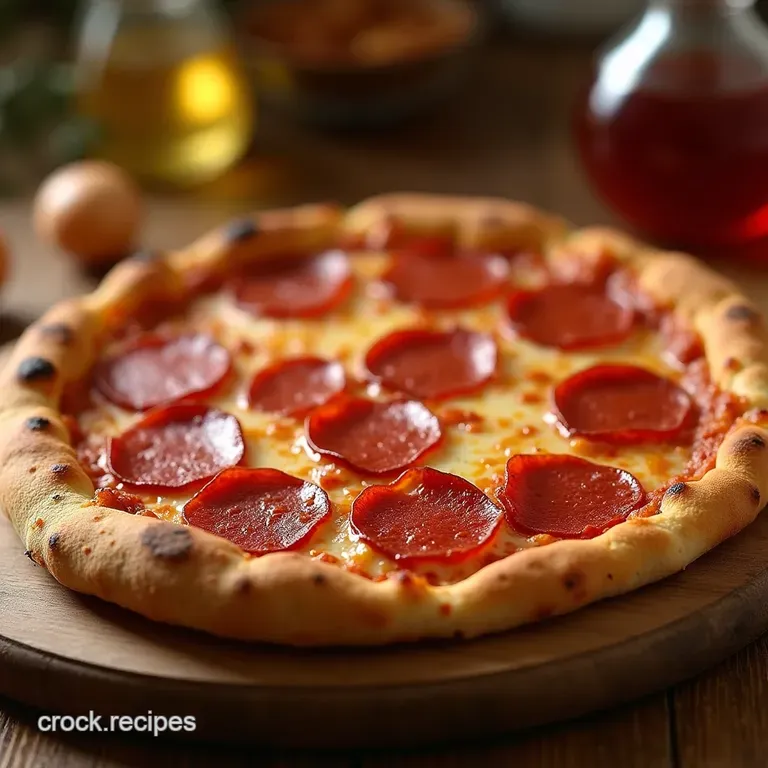
While the spirit of great cooking is adaptability, a few specific tools significantly improve the outcome of this Homemade Pepperoni Pizza . Having the right equipment minimizes frustration, especially when dealing with the delicate process of launching the pizza onto a scorching hot surface.
Selecting the Right Flour and Yeast Blend
For this recipe, we specifically call for strong bread flour (around 12-14% protein). This high protein level ensures excellent gluten formation, essential for elasticity and chew. Never substitute standard all-purpose flour if you seek that robust, structured crust.
For the yeast, active dry yeast works perfectly, activated in warm water (not hot, which kills it) with a touch of sugar to wake it up. This simple step verifies yeast viability immediately.
Sourcing the Spiciest and Meatiest Pepperoni Slices
The pepperoni itself is non-negotiable. Look for high-quality products, often found in the specialty deli section, especially those labelled as "natural casing." The casing is the secret weapon in How To Make Pepperoni curl perfectly.
Thinly sliced, but not paper-thin, ensures that the rendered fat has time to pool slightly before the meat crisps. The resulting flavour profile is salty, slightly smoky, and spicy, the perfect counterpoint to the sweet sauce.
Crafting the Low-Acid, High-Impact Pizza Sauce
Resist the urge to simmer your sauce for hours. The best pizzeria sauces rely on the quality of the canned tomatoes, usually San Marzano or high-quality domestic crushed tomatoes. Simply stir in dried oregano, garlic powder, a hint of heat from red pepper flakes, and salt.
A tablespoon of good olive oil rounds out the flavour. This uncooked sauce hits the high heat of the oven and brightens instantly, offering a fresh tang against the rich baked toppings.
Measuring Tools: Precision for Dough Success
When it comes to dough, volume measurements (cups) are inherently inaccurate. Precision is paramount for consistent results in Making Pizza Dough . We strongly recommend using a digital kitchen scale to measure your flour and salt by weight (grams).
This eliminates variables like how densely the flour was packed into a measuring cup, ensuring that your hydration level remains correct every single time, which is vital for achieving that desirable airy interior.
Step-by-step Guide to World-Class Homemade Pizza Dough
The process begins long before the oven is hot. Following these careful steps ensures a beautiful, manageable dough ready for shaping.
The Gentle Kneading Technique for Optimal Gluten Development
Once the water, yeast, sugar, oil, flour, and salt are combined into a shaggy mass, the kneading begins. Whether by hand or with a stand mixer using the dough hook, the goal is to work the dough until the gluten strands align and strengthen. This usually takes 8 to 10 minutes.
The dough should transform from sticky and rough to smooth, elastic, and tacky (it should stick slightly to your fingers but pull away cleanly). This fully developed structure is what allows the dough to trap gas during rising and baking.
Proofing Strategies: Cold Fermentation vs. Speed Rise
For true depth of flavour in this Pepperoni Pizza Recipe , the cold fermentation method is superior, though time-consuming. After the initial bulk rise (about an hour at room temperature), divide the dough, form it into tight balls, and place them in lightly oiled, separate containers in the refrigerator for 24 to 72 hours.
The slow, cold rest allows complex flavour compounds to develop. If time is short, follow the recipe with a standard, warm-room rise (about 1.5 to 2 hours total) until doubled, which is perfectly acceptable for an excellent Homemade Pepperoni Pizza .
Stretching and Shaping Without Tearing the Structure
When ready to build, remove the dough balls from the fridge (if cold fermenting) about an hour prior to use to allow them to relax. Dust your surface lightly with flour, then gently press the dough out from the centre, pushing the air toward the rim to form a puffy edge.
Avoid using a rolling pin unless absolutely necessary, as it compacts the air pockets you worked so hard to create. Aim for a 12 to 14-inch circle, being careful not to stretch the centre too thin.
The Hot Stone Transfer: Achieving Immediate Crust Expansion
This is perhaps the most nerve-wracking step: transferring the topped pizza onto the preheated stone or steel. Lightly dust your pizza peel with semolina flour or fine cornmeal, this acts like tiny bearings to allow the pizza to slide.
Work quickly: place the shaped dough on the peel, top it swiftly, and give the peel a small shake to ensure the pizza moves freely before aiming for the centre of the hot stone. A successful launch results in immediate, vigorous expansion of the crust.
Advanced Techniques: Elevating Your Next Bake
Once you master the basics of the Best Pepperoni Pizza , you can explore next-level additions. Consider tossing your pepperoni slices in a light dusting of smoked paprika before layering them on top; this enhances the smoky profile when the fat renders out.
On top of that,, incorporating a small amount of semolina directly into your dry dough mix (substituting about 10% of the bread flour) will increase the final crispness of the bottom crust significantly.
Troubleshooting Common Home Pizza Pitfalls
Even with the best intentions, things can go awry. If your crust is pale, it likely means your stone or oven wasn't hot enough for long enough. If your dough tears during stretching, it means the gluten was too tight, give the dough an extra 15 minutes resting on the counter before attempting to shape it again.
Variations on Toppings: Beyond the Classic Meats
While we celebrate the purity of Pizza Recipes Pepperoni , experimentation is encouraged. A fantastic non-meat alternative involves caramelized onions and thinly sliced mushrooms, perhaps served alongside some delightful Cheesy Breadsticks for dipping.
For a richer meat experience, swap out half the pepperoni for thinly sliced Italian sausage that has been fully pre-cooked and crumbled.
Storage Solutions for Leftover Dough and Cooked Pizza
Any unbaked dough balls can be wrapped tightly in plastic wrap and stored in the refrigerator for up to three days, or frozen for up to three months. Thaw overnight in the fridge before bringing to room temperature.
Leftover cooked pizza should be cooled completely before being stored in an airtight container to prevent the crust from becoming soggy. Reheat quickly in a hot skillet or toaster oven for the best texture restoration.
Adjusting Bake Times for Thicker or Thinner Crusts
The 10-15 minute bake time listed is optimized for a medium-thin Neapolitan/New York hybrid crust. If you opt for a significantly thicker pan-style pizza, you must reduce the initial oven temperature to around 450° F ( 230° C) and expect the bake time to extend to 18- 22 minutes to ensure the centre cooks through before the toppings burn.
Understanding Hydration Levels in Pizza Dough
Hydration refers to the ratio of water to flour by weight. Our recipe sits around 65% hydration (1 ¼ cups water to 3 cups flour, approximately). This level offers a good balance, wet enough to develop an open crumb structure, but dry enough to remain manageable for stretching without extensive practice.
Higher hydration levels (70%+) yield lighter, airier results but are much stickier and more challenging for beginners learning How To Make Pepperoni pizza masterpieces.
Recipe FAQs
How do I get the pepperoni to curl up into those perfect little cups?
Ah, the coveted 'cup and char', it’s all about the casing and the heat! Use pepperoni that has a natural casing, as it tends to shrink more dramatically during cooking. Make sure your oven and pizza stone are screaming hot (500°F+), and don't overload the cheese beneath the slices, allowing the fat to render and crisp those edges up nicely.
My pizza dough keeps sticking to the peel; what's the secret to launching a perfect Pepperoni Pizza?
This is where many home cooks trip up! The trick is using a fine, dry lubricant under the dough, semolina flour or fine cornmeal works a treat, acting like tiny ball bearings.
Work quickly once the toppings are on, give the peel a gentle shake to ensure movement before trying to launch, and never let it sit idle on the peel for too long.
Can I make this pizza ahead of time, or freeze the dough?
You absolutely can! The dough benefits from a long, cold fermentation in the fridge for up to three days; this develops much deeper flavour, much like a good sourdough. If freezing, wrap the dough balls tightly in plastic wrap after the first rise, then thaw overnight in the fridge before using.
What's the best cheese combination if I don't want a pizza that’s too oily?
To combat excess oiliness, avoid low-quality or pre-shredded mozzarella, as it contains anti-caking agents that hinder melting. Stick to low-moisture, whole milk mozzarella and consider swapping about a quarter of the weight for a drier, sharper cheese like Provolone or Monterey Jack to help absorb some of the pepperoni grease.
Is it essential to use a pizza stone or steel for this recipe?
For the best results that mimic a proper pizzeria, yes, a stone or steel is highly recommended! They absorb and retain massive amounts of heat, which shocks the base of the dough, guaranteeing that desired crisp, slightly charred bottom.
If you don't have one, use the heaviest baking sheet you own, preheated in the oven for at least 30 minutes.
I'm trying to keep it lighter; can I reduce the sodium in this classic Pepperoni Pizza?
Pepperoni is inherently salty, so that's where most of the sodium comes from. To manage this, use a lighter hand with the added salt in the dough and sauce, and consider pairing your pizza with a simple, fresh green salad to balance things out.
You could also opt for lower-sodium meats like Canadian bacon if you're willing to sacrifice the signature pepperoni zing.
The Best Homemade Pepperoni Pizza with Perfect Cupping