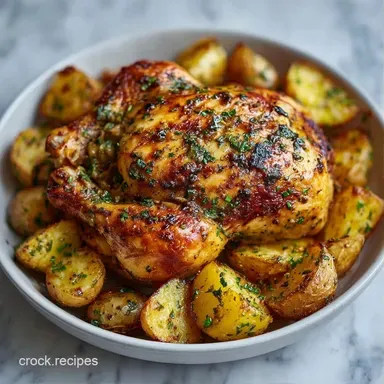
Greek Sheet Pan Chicken and Potatoes: One-Pan Dinner
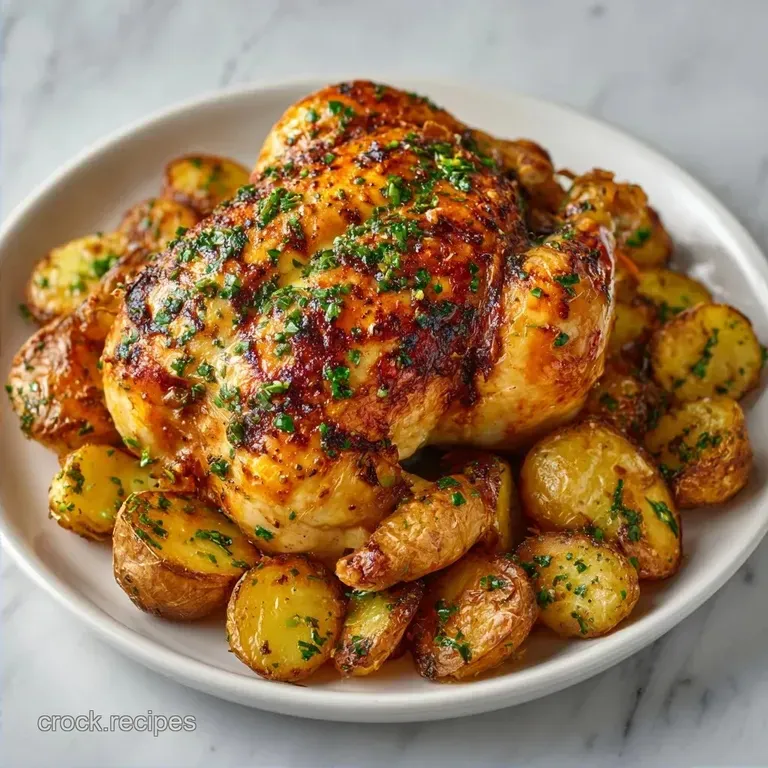
- Time: 15 min active + 30 min roasting
- Flavor/Texture Hook: Shatter crisp skin with velvety roasted zucchini and tangy olives
- Perfect for: Stress free weeknight dinners or healthy meal prep
- Everything About Greek Sheet Pan Chicken
- Why This Roast Just Works
- The Component Breakdown
- The Full Grocery List
- Gear for the Job
- Step by Step Roasting
- Fixing Common Roasting Issues
- Troubleshooting Common Issues
- Swapping Ingredients and Variations
- The Truth About Roasting Myths
- Storing and Using Leftovers
- Perfect Complements
- High in Sodium
- Recipe FAQs
- 📝 Recipe Card
The scent of roasting oregano and charred lemon is one of those things that just makes a house feel like a home. I remember the first time I tried to pull this off for a small get together.
I wanted something that looked impressive but didn't involve me hovering over a stove while my friends were laughing in the living room. I ended up with a pan of steamed vegetables because I crowded the tray, but that's how I learned the hard way that space is everything in a hot oven.
The real hero here is the lemon juice. While the olive oil carries the flavor, the acidity of the lemon is what actually cuts through the richness of the bone in chicken thighs. Without that sharp hit of citrus, the dish feels heavy.
Most people try to use bottled lemon juice or just a squeeze at the end, but incorporating it into the marinade is what lets the flavor penetrate the meat.
When you make this Greek Sheet Pan Chicken, you aren't just cooking dinner, you're creating a contrast of textures. You get the crunch of the potato edges, the softness of the roasted onion, and the salty pop of Kalamata olives.
It's a vibrant, global approach to a sheet pan meal that feels way more sophisticated than it actually is to put together.
Everything About Greek Sheet Pan Chicken
This dish is all about efficiency. We're taking a handful of Mediterranean staples and letting the oven do the heavy lifting. The beauty of using bone in, skin on thighs is that they don't dry out like breasts do. They have enough fat to stay juicy while the skin turns that deep, golden brown we're all after.
The vegetables are chosen specifically for how they react to 425°F heat. Potatoes need the heat to get those crispy edges, while zucchini and peppers soften and sweeten. By tossing everything in one bowl first, you ensure that every single piece of veg is coated in that lemon garlic emulsion.
If you're looking for a meal that cleans up in five minutes, this is it. You just toss the pan in the sink or run it through the dishwasher. It's the kind of meal that lets you actually enjoy your evening instead of spending it scrubbing pots.
Why This Roast Just Works
I've spent a lot of time wondering why some sheet pan meals end up mushy. The secret isn't the ingredients, it's the physics of the pan. When you leave enough room between the chicken and the veg, the hot air circulates, which is what gives you that sizzle instead of a steam.
Acid Penetration: Lemon juice breaks down some of the tougher muscle fibers in the chicken, making it tender.
Fat Rendering: The high heat melts the fat under the chicken skin, which then drips down and essentially fries the potatoes.
Emulsion Stability: Dijon mustard acts as a glue, keeping the oil and lemon juice from separating so the marinade sticks to the food.
Sugar Caramelization: Red onions and bell peppers have natural sugars that brown and sweeten quickly at 425°F.
Chef's Note: If you see the vegetables starting to brown too quickly but the chicken isn't done, just slide a piece of foil over the veg. This stops them from burning while the chicken finishes.
Decision Shortcut
- If you want extra crispy potatoes, cut them into 1 inch chunks.
- If you prefer a tangier finish, double the fresh lemon wedges at the end.
- If you're short on time, use pre cut baby gold potatoes.
Method Comparison: Fast vs. Classic
| Feature | Fast Method | Classic Method | Impact |
|---|---|---|---|
| Protein | Chicken Breast | Bone in Thighs | Thighs are juicier and flavor more robust |
| Veg Prep | Frozen Medley | Fresh Hand cut | Fresh veg has better texture and less water |
| Cook Time | 20 minutes | 30 minutes | Classic gives deeper caramelization |
The Component Breakdown
Not every ingredient in this Greek Sheet Pan Chicken is just there for taste. Some are doing a specific job to make the texture right.
| Ingredient | Science Role | Pro Secret |
|---|---|---|
| Dijon Mustard | Emulsifier | Helps the marinade cling to the skin without sliding off |
| Lemon Juice | pH Adjuster | Brightens the flavor and tenderizes the protein |
| Extra Virgin Olive Oil | Heat Medium | Transfers heat to the veg and prevents sticking |
| Feta Cheese | Salt Contrast | Adds a creamy, salty punch that balances the acid |
The interaction between the feta and the heat is interesting. We add it at the very end because if you bake feta for 30 minutes, it can become rubbery or completely melt into the oil.
By scattering it over the hot food immediately after it leaves the oven, it softens just enough to be creamy but keeps its shape.
The Full Grocery List
Grab these items before you start. I recommend the best quality olive oil you can afford, as it's a primary flavor driver here.
- Extra virgin olive oil (1/4 cup)Why this? High smoke point and classic Mediterranean taste
- Fresh lemon juice (3 tbsp)Why this? Fresh is far more vibrant than bottled
- Dijon mustard (1 tbsp)Why this? Adds tang and binds the oil and juice
- Garlic (3 cloves, minced)Why this? Provides a pungent, aromatic base
- Dried oregano (2 tsp)Why this? The signature "Greek" herbal note
- Dried thyme (1 tsp)Why this? Adds an earthy depth to the lemon
- Kosher salt (1 tsp)Why this? Coarser grains distribute more evenly
- Cracked black pepper (1/2 tsp)Why this? Freshly cracked adds a floral heat
- Bone in, skin on chicken thighs (2 lbs)Why this? Maximum juice and skin crispness
- Baby gold potatoes (1 lb, 1 inch chunks)Why this? Waxy texture holds shape during roasting
- Red onion (1 medium, thick wedges)Why this? Sweeter than white onion when roasted
- Red bell pepper (1 large, 1 inch pieces)Why this? Adds sweetness and a pop of color
- Zucchini (1 medium, thick half moons)Why this? Absorbs the marinade beautifully
- Kalamata olives (1/2 cup, pitted)Why this? Briny, salty punch
- Feta cheese (1/2 cup, crumbled)Why this? Essential creamy, salty finish
- Fresh parsley (2 tbsp, chopped)Why this? Fresh, grassy contrast to the roast
- Lemon (1, cut into wedges)Why this? Final burst of acidity to wake up the palate
Smart Swaps for Flexibility
| Original Ingredient | Substitute | Why It Works |
|---|---|---|
| Bone in Thighs | Chicken Breast | Leaner protein. Note: Reduce cook time to 20 mins to avoid dryness |
| Baby Gold Potatoes | Parsnips | Similar roasting profile. Note: Adds a sweeter, more peppery taste |
| Zucchini | Yellow Squash | Almost identical texture. Note: Maintains the same roasting time |
| Feta Cheese | Goat Cheese | Similar tang. Note: Much softer and creamier texture |
Gear for the Job
You don't need a fancy kitchen for this, but the right pan makes a difference. Use a large, rimmed baking sheet. If you use a pan that's too small, the ingredients will overlap and you'll get steamed vegetables instead of roasted ones. I prefer a heavy duty aluminum sheet because it distributes heat evenly.
A large mixing bowl is essential for the "toss and massage" phase. You want enough room to really get the marinade into every nook and cranny of the chicken skin. A set of tongs is also a lifesaver for flipping the chicken or rearranging the veg without burning your fingers.
Step by step Roasting
Let's get into it. This process is straightforward, but the details in the "Note" sections are what separate a good meal from a great one.
- Whisk the marinade. Combine olive oil, lemon juice, Dijon mustard, minced garlic, oregano, thyme, salt, and pepper in a bowl. Note: Whisk vigorously until the mustard fully incorporates the oil.
- Prep the main ingredients. Add the chicken thighs, potato chunks, onion wedges, bell pepper, and zucchini to the bowl.
- Coat the food. Toss and massage the marinade into the chicken and vegetables. Note: Make sure you rub some marinade under the chicken skin for maximum flavor.
- Arrange the pan. Spread the mixture in a single layer on your baking sheet. Place the chicken thighs skin side up. Note: Leave about an inch of space between items to allow air to flow.
- Roast the batch. Bake at 425°F (218°C) for 25-30 minutes. Wait until the chicken skin is deep golden brown and the potatoes have caramelized edges.
- Add the salty elements. Remove the pan from the oven and immediately scatter the pitted Kalamata olives and crumbled feta over the hot ingredients. Note: The residual heat will soften the feta without melting it completely.
- The final touch. Garnish with chopped fresh parsley.
- Serve and brighten. Place lemon wedges on the side for squeezing over individual portions.
Precision Checkpoints
- Temperature: 425°F (218°C) is non negotiable for the skin to shatter.
- Potato Size: 1 inch chunks ensure they finish at the same time as the chicken.
- Internal Temp: Chicken thighs are safest and tastiest when they hit 165°F-175°F.
Fixing Common Roasting Issues
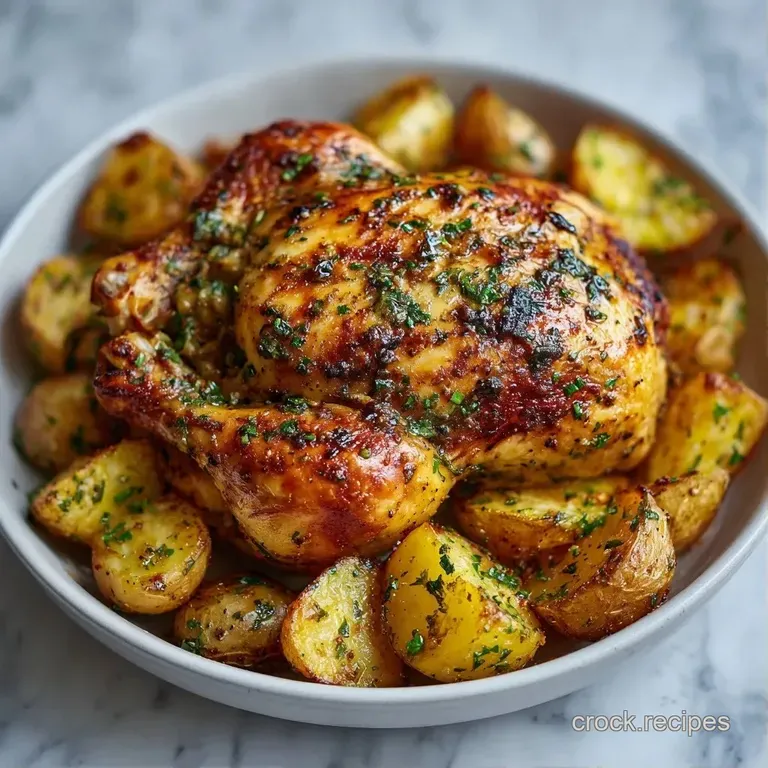
Even with a plan, things can go sideways. Most Greek Sheet Pan Chicken mishaps come down to moisture control.
Troubleshooting Common Issues
| Issue | Solution |
|---|---|
| Why Your Potatoes Aren't Tender | If your potatoes are still hard in the middle, they were likely cut too large or the pan was too crowded. |
| Why Your Chicken Isn't Browned | This usually happens if the oven temperature is too low or the chicken was too wet when it hit the pan. Make sure your oven is fully preheated to 425°F before the tray goes in. |
| Why the Veggies Are Mushy | Overcooking zucchini is easy. If you like your veg with more bite, you can add the zucchini halfway through the roasting time instead of at the start. |
Common Mistakes Checklist
- ✓ Did you preheat the oven to 425°F?
- ✓ Are the potatoes cut to a uniform 1 inch size?
- ✓ Is there visible space between the chicken and the vegetables?
- ✓ Did you put the chicken skin side up?
- ✓ Did you wait to add the feta until AFTER roasting?
Swapping Ingredients and Variations
The beauty of this Greek Sheet Pan Chicken is how easily it adapts. If you're looking to change the vibe, you can play with the protein or the base.
For a Spicy Mediterranean Twist
Add 1/2 teaspoon of red pepper flakes to the marinade. The heat pairs beautifully with the coolness of the feta and the acidity of the lemon. You could even add a few sliced jalapeños to the pan for an extra kick.
To Make it Keto/Low Carb
Simply swap the baby gold potatoes for cauliflower florets or radishes. Roasted radishes lose their "bite" and take on a flavor very similar to potatoes. Because cauliflower has more water than potatoes, you might need to roast it for an extra 5 minutes.
For a Different Protein
If you must use chicken breast, slice them into thick strips. This increases the surface area for the marinade and prevents the outside from drying out before the center is cooked. For a seafood version, use shrimp and thick chunks of cod, but reduce the roasting time to 12-15 minutes.
If you want to serve this with something more substantial, you could try pairing it with Homemade Naan Bread, which works as a great substitute for traditional pita.
Adjusting for Volume
Scaling a sheet pan meal isn't as simple as doubling the ingredients. If you double the amount of food but use the same pan, you'll end up with a soggy mess.
Scaling Down (Half Recipe) Use a smaller baking sheet (like a quarter sheet). You can usually reduce the roasting time by about 5-10% because there's less mass in the oven, but keep a close eye on the chicken skin.
Scaling Up (2x or 4x Recipe) The most important rule here: Use multiple pans. Never crowd the tray. For the marinade, you don't need to double the salt and dried herbs perfectly 1.5x usually suffices for the seasonings, while the oil and lemon juice should be doubled fully.
If you're using two pans in one oven, rotate them halfway through the cooking time (top rack to bottom rack) to ensure both get the same heat.
The Truth About Roasting Myths
I've seen a lot of "rules" online that just don't hold up in a real kitchen.
Myth: You need to sear the chicken in a pan first. Some people say you must sear the chicken for flavor. While it adds a bit of crust, it adds 15 minutes of work and an extra pan to clean.
At 425°F, the oven does a great job of browning the skin on its own, especially with the help of the olive oil.
Myth: Lemon juice makes chicken "tough." If you marinate chicken in lemon juice for 24 hours, yes, it can become mealy. But for a quick 15 minute prep like we're doing here, the acid actually helps the flavor penetrate and keeps the meat tender.
Storing and Using Leftovers
This Greek Sheet Pan Chicken holds up surprisingly well in the fridge. The flavors actually deepen as the chicken sits in the leftover pan juices.
Fridge Storage Store the chicken and vegetables in an airtight container for up to 4 days. Keep the fresh parsley and lemon wedges separate, as they'll wilt or dry out if stored with the roasted meat.
Freezing Guidelines You can freeze the cooked chicken and potatoes for up to 2 months. However, I don't recommend freezing the zucchini or feta, as the zucchini becomes watery and the feta loses its texture. Thaw in the fridge overnight before reheating.
Reheating Tips Avoid the microwave if you want to keep that skin crisp. Instead, pop the leftovers back into a 350°F oven or an air fryer for 5-8 minutes. This crisps the skin back up without overcooking the meat.
Zero Waste Tips If you have leftover roasting juices in the pan, don't wash them away. Pour them over some cooked quinoa or rice for a flavor packed side. If you have leftover feta or olives, they're perfect stirred into a morning omelet or tossed into a Greek salad.
Perfect Complements
While the sheet pan provides a full meal, a few additions can turn this into a real feast.
The most obvious pairing is a creamy sauce. A dollop of homemade tzatziki provides a cool, cucumber based contrast to the hot, roasted chicken. If you're hosting a party, I highly recommend serving this alongside my Whipped Feta dip and some sliced cucumbers.
For those who want more greens, a simple side of steamed spinach with a squeeze of lemon or a crisp cucumber tomato salad with red wine vinegar works perfectly. The goal is to keep the sides light and fresh to balance the richness of the roasted thighs.
Plating for Different Occasions
How you serve this Greek Sheet Pan Chicken depends on who's eating it.
| Level | Style | Plating Tweak |
|---|---|---|
| Simple | Family Style | Serve directly from the baking sheet on a heat proof mat |
| Polished | Dinner Party | Transfer to a large white platter, arrange chicken in center, surround with veg, heavy parsley garnish |
| Restaurant | Bistro Look | One thigh per plate, 3-4 pieces of each veg, swipe of yogurt sauce, precision feta crumbles |
Right then, you've got everything you need. This recipe is all about that balance of salt, acid, and high heat. Once you see how easy it is to get that shatter crisp skin and caramelized veg on one tray, you'll probably start wondering why you ever spent hours doing these components separately.
Trust me on this just give the chicken plenty of space on the pan, and the oven will do the rest. Let's crack on and get roasting!
High in Sodium
810 mg 810 mg of sodium per serving (35% 35% of daily value)
The American Heart Association recommends a daily limit of 2,300mg of sodium to maintain heart health and reduce the risk of hypertension.
Tips to Reduce Sodium
-
Reduce Added Salt-25%
The recipe calls for 1 tsp of kosher salt. Cut this in half or eliminate it entirely, as the olives and feta provide significant natural saltiness.
-
Limit Kalamata Olives-20%
Kalamata olives are cured in brine. Try reducing the amount by half or rinsing them thoroughly under cold water before adding them to the dish.
-
Moderate Feta Cheese-15%
Feta is a high sodium brined cheese. Use half the suggested amount or swap it for a smaller portion of fresh, low-sodium goat cheese.
-
Swap Dijon Mustard-10%
Processed mustards contain hidden sodium. Use a low-sodium mustard variety or increase the fresh lemon juice to maintain the tangy profile.
-
Enhance with Herbs
Increase the amount of dried oregano, thyme, and fresh parsley to build deep flavor without adding any extra salt.
Recipe FAQs
What is Greek sheet pan chicken?
A one-pan meal featuring roasted chicken thighs, Mediterranean vegetables, and salty toppings. It combines protein and sides on a single tray for easy cleanup and concentrated flavor.
What seasonings are used in this Greek chicken recipe?
Dried oregano, dried thyme, minced garlic, and lemon juice. These are whisked with olive oil and Dijon mustard to create a zesty, aromatic marinade.
How to bake chicken thighs in the oven?
Roast at 425°F (218°C) for 25-30 minutes. Ensure the meat is spread in a single layer on a rimmed baking sheet to allow for proper browning.
How to cook bone-in chicken thighs for a sheet pan meal?
Place them skin side up on the baking sheet. Avoid overlapping the chicken with vegetables to ensure the skin gets deep golden brown and crisp.
What temperature should I roast a 10-ounce chicken thigh?
Use 425°F (218°C). This high heat is necessary to caramelize the potatoes and crisp the chicken skin within the 30-minute window.
Is it true that chicken thighs must be seared before roasting to stay juicy?
No, this is a common misconception. Roasting at 425°F ensures the skin browns while the bone-in meat remains succulent without the extra step of searing.
Can I use skinless chicken thighs for this recipe?
Yes, but reduce the roasting time slightly. Since there is no skin to crisp, check for doneness a few minutes early; for a different preparation, try our baked chicken method.
Greek Sheet Pan Chicken