Herb Infused Roast Chicken with Celery: Crispy Skin
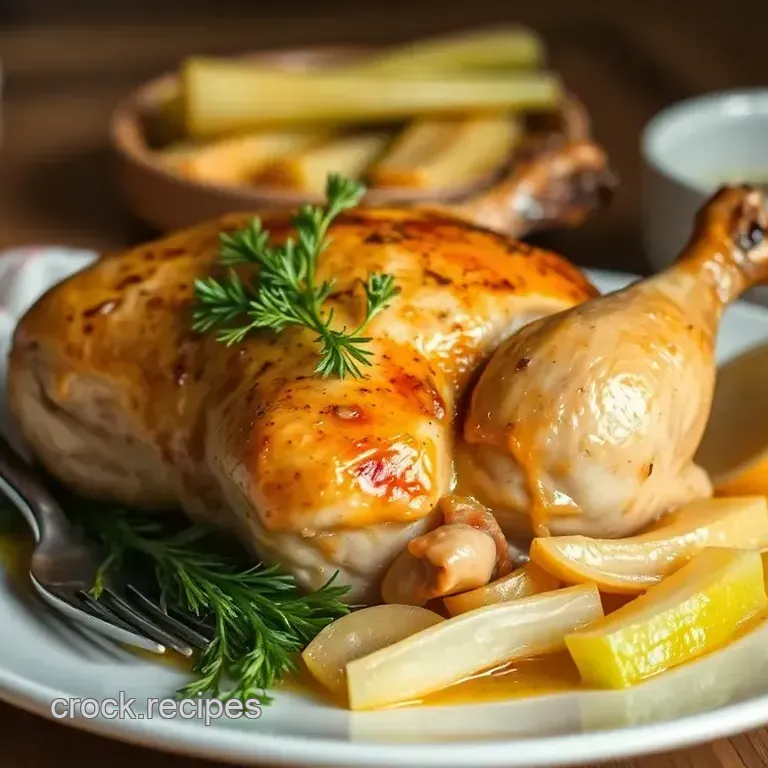
- Time: 20 min active + 2 hours roasting
- Flavor/Texture Hook: Mahogany skin with an earthy, aromatic herb crust
- Perfect for: Sunday family dinners or an impressive date night meal
- Herb Infused Roast Chicken with Celery
- Recipe Specs
- The Ingredient Deep Dive
- Tools You'll Actually Need
- The Roasting Process
- Fixing Common Roast Issues
- Sides That Fit
- Storing and Using Leftovers
- Changing the Flavor Profile
- Debunking Roast Myths
- Critical: Very High in Sodium
- Recipe FAQs
- 📝 Recipe Card
Have you ever noticed how some roast chickens have a satisfying snap to the skin, while others are as limp as wet paper? I wasted countless weekends cooking pale birds that ended up soggy on the underside. It was an incredibly annoying pattern.
The solution didn't require any expensive gadgets. I began creating a makeshift "rack" using fresh vegetables. Elevating the chicken prevents it from boiling in its own drippings.
This Herb Infused Roast Chicken with Celery is a favorite of mine because it delivers classic comfort without being overly rich. The combination of fresh herbs and celery salt creates a profound, savory depth that permeates the meat.
Herb Infused Roast Chicken with Celery
The Veggie Lift: Using celery and carrots as a platform lets hot air circulate under the chicken, which prevents a soggy belly.
The Temp Drop: Starting at 425°F sears the skin, while dropping to 350°F prevents the breast from drying out before the legs are done.
Under Skin Seasoning: Massaging the rub directly onto the meat under the skin ensures the flavor actually penetrates rather than just burning on the surface.
Recipe Specs
For those who prefer a different flavor profile, my roast chicken with rosemary offers a sweeter glaze that works great for holidays. This celery version is more of a savory, everyday luxury.
| Goal | What to change |
|---|---|
| Darker Skin | Roast for 10 mins longer at 350°F |
| Leaner Dish | Remove skin before serving |
| More Garlic | Add 4 smashed cloves to the rack |
The Ingredient Deep Dive
I've found that celery salt is the real hero here. It adds a concentrated, savory depth that plain salt just can't touch.
| Ingredient | Role | If You Don't Have It |
|---|---|---|
| Whole Chicken (4 lb) | The main protein | Turkey breast (adjust time) |
| Celery Salt | Savory, earthy base | Sea salt + 1/2 tsp celery seed |
| Fresh Rosemary | Piney, aromatic top note | Dried rosemary (use 1/3 amount) |
| Celery Stalks | Creates the roasting rack | Carrots or Parsnips |
Tools You'll Actually Need
No professional equipment is required for this. A regular roasting pan or a heavy rimmed baking sheet is perfectly fine. I highly recommend using a meat thermometer to ensure the legs are fully cooked and the breasts aren't dried out. Kitchen twine is also essential to keep the bird compact.
The Roasting Process
Prep and Seasoning
- Use paper towels to dry the chicken thoroughly, both inside and out. Note: Excess moisture creates steam, which prevents the skin from crisping.
- Combine olive oil, celery salt, rosemary, thyme, pepper, and garlic powder, stirring until you have a thick, aromatic paste.
- Rub the herb blend under the breast skin and across the entire exterior.
Stuffing and Trussing
- Place chunks of celery, quartered onion, and carrots in your roasting pan. Note: These vegetables act as a natural rack.
- Insert lemon halves, a halved head of garlic, and fresh parsley into the cavity.
- Secure the legs with kitchen twine and tuck the wings beneath the body.
The Roasting Cycle
- Set the bird atop the vegetables and roast at 425°F (218°C) for 20 minutes. Listen for the distinct sound of the skin sizzling.
- Reduce the temperature to 350°F (175°C) and continue roasting for 60-80 minutes until the skin reaches a deep mahogany brown.
- Use a meat thermometer to verify the internal temperature; the USDA recommends 165°F for safety.
Resting and Finishing
- Transfer the chicken to a cutting board and let it rest for 15 minutes. Note: Slicing too early causes the juices to leak out onto the board.
Fixing Common Roast Issues
Skin is Soft
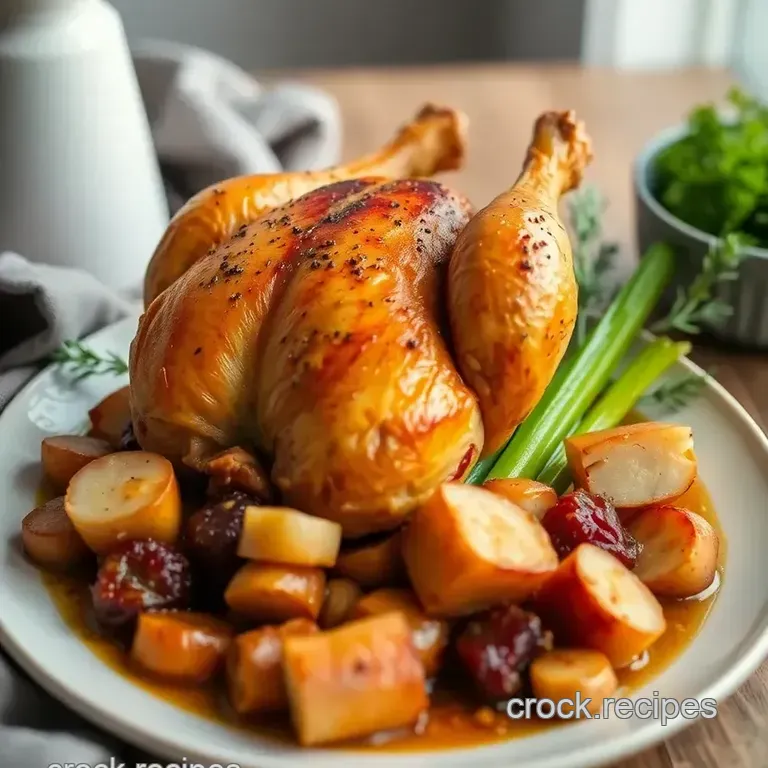
This often occurs when the bird isn't dried sufficiently or the oven fails to reach 425°F during the initial stage. To prevent this, try chilling the chicken uncovered in the refrigerator for several hours before cooking to further dry the skin.
Breast is Dry
If the breast begins to overcook while the legs remain raw, you can "shield" the meat. Just tear off a piece of foil and drape it loosely over the breast for the final 30 minutes of roasting.
Veggies are Burning
If the celery starts to char before the chicken is finished, pour a small amount of water or chicken stock into the bottom of the pan. This generates a bit of steam, which prevents the vegetables from scorching.
Sides That Fit
This dish has a very savory, earthy profile, so it pairs well with something bright or creamy. A lemon butter mashed potato or a crisp arugula salad with a vinaigrette cuts through the richness. If you want a more traditional route, my roast chicken with veggies approach shows how to time your root vegetables so they finish exactly with the meat.
| Fresh Ingredients | Shortcut Options | Result Difference |
|---|---|---|
| Fresh Herbs | Dried Rub | Less punchy, more concentrated |
| Fresh Garlic Head | Garlic Powder | Lacks the mellow, roasted sweetness |
| Fresh Celery Rack | Metal Roasting Rack | No flavorful pan juices for gravy |
Storing and Using Leftovers
Keep remaining meat in an airtight container; it stays fresh for 3 to 4 days when chilled. To freeze, wrap the meat securely in foil and store it in a freezer safe bag for a maximum of 3 months.
Don't toss the vegetable rack. Those roasted carrots and celery are full of flavor. Simmer them with the chicken carcass and a few peppercorns for 3 hours to create a rich, homemade stock.
The Best Reheating Method
Avoid using the microwave to prevent the meat from drying out. Place the chicken in a baking dish with a tablespoon of water or broth, cover with foil, and warm at 300°F for 15 minutes.
Changing the Flavor Profile
Low Sodium Swap
Substitute the celery salt with a combination of kosher salt and ground celery seed. This lets you adjust the sodium content while maintaining that signature herbal flavor.
The Zesty Twist
Stir one teaspoon of orange zest into the herb paste. The citrusy brightness elevates the dish and works wonderfully with the rosemary.
Low Carb Option
This Herb Infused Roast Chicken with Celery is inherently low carb. Simply skip the potatoes and serve it with sautéed spinach or roasted cauliflower instead.
Debunking Roast Myths
Browning the meat at the beginning doesn't actually "seal in" the juices; that's simply a common misconception. Moisture loss occurs throughout the entire cooking process. The real purpose of a high heat start is to improve flavor and texture by creating a brown crust via the Maillard reaction.
It is also a myth that you must baste the chicken every 20 minutes. Although it may look like a professional technique, opening the oven door repeatedly lowers the internal temperature, which can lead to softer skin and unevenly cooked meat.
Pro Tip: For a more vivid color, add a tiny pinch of paprika to the rub. It won't significantly alter the taste, but it gives the bird a stunning golden glow.
Critical: Very High in Sodium
1650 mg 1,650 mg of sodium per serving (72% 72% of daily value)
The American Heart Association recommends limiting sodium intake to no more than 2,300 mg per day, with an ideal limit of 1,500 mg for most adults to reduce cardiovascular risk.
Tips to Reduce Sodium
-
Swap Celery Salt-30%
Replace celery salt with a combination of ground celery seed and a small pinch of salt or a salt free seasoning blend to drastically cut sodium.
-
Amplify Acidity-10%
Increase the use of lemon juice and zest; the acidity tricks the palate into perceiving more saltiness, allowing you to reduce the overall sodium level.
-
Boost Aromatics-5%
Double the amount of garlic and onion in the roasting pan to create a more intense savory base that compensates for less salt.
-
Fresh Herb Power
Increase the quantity of fresh rosemary, thyme, and parsley to build a complex, aromatic flavor profile that minimizes the need for sodium.
Recipe FAQs
What size chicken works best?
A 4 lb (1.8 kg) bird is ideal. This size ensures the meat stays juicy while the skin browns evenly within the specified roasting time.
How to prevent dry chicken?
Use a meat thermometer to track doneness. Remove the bird as soon as it reaches the safe internal temperature to avoid overcooking the breast.
Is it true I should cover the chicken while roasting?
Surprisingly, no. Covering the bird traps steam, which prevents the skin from achieving that deep mahogany brown finish.
Can I use dried herbs instead of fresh?
Yes, but reduce the quantity. Dried herbs are more concentrated, so use about one-third of the amount called for in the recipe.
What is the best way to ensure crispy skin?
Pat the skin completely dry with paper towels. Removing surface moisture allows the heat to sear the skin immediately rather than steaming it.
When is the chicken fully cooked?
Check that the juices run clear. Pierce the thickest part of the thigh; if the liquid is colorless rather than pink, it is ready.
What if the skin isn't crispy?
Increase the initial high heat roast. Ensure the oven is fully at 425°F before starting to jumpstart the browning process.
Which sides pair best with this dish?
Roasted root vegetables or a creamy pasta work best. If you loved the savory depth of this roast, try pairing it with our lemon chicken gnocchi for a complete meal.
Herb Roast Chicken with Celery for 4