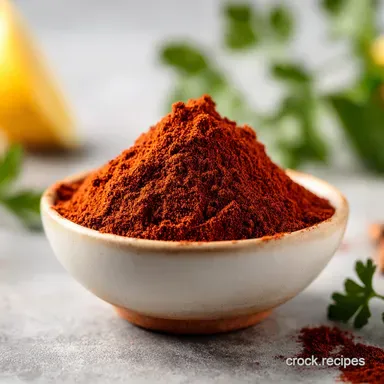
Homemade Chili Seasoning Mix: Bold and Smoky
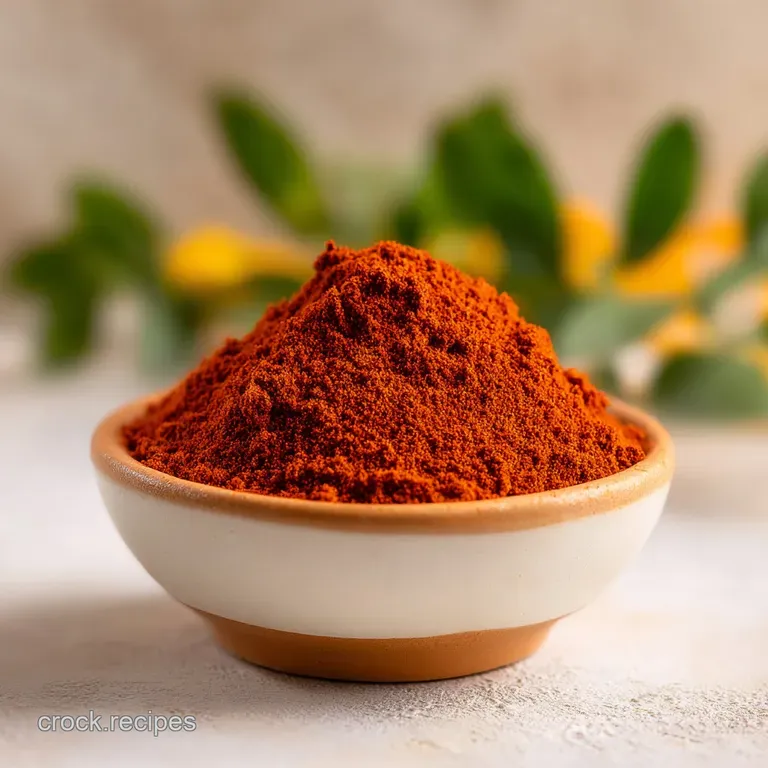
- Time:5 minutes active = Total 5 minutes
- Flavor/Texture Hook: Smoky, earthy, and satisfyingly bold
- Perfect for: Weeknight meal prep, slow cooker Sundays, or gifting in jars
- Getting the Balance Right in Your Chili Seasoning
- The Quick Breakdown for Your Next Batch
- Selecting the Best Spices for a Hearty Blend
- The Simple Tools for a Clump Free Mix
- Whisking Up the Perfect Homemade Blend
- Fixing Common Flavor Imbalances
- Adding a Personal Touch to the Mix
- Adjusting the Batch for Any Crowd
- Common Misconceptions About Spice Blends
- Storing Your Spices to Keep the Punch
- Turning Your Seasoning Into a Feast
- Recipe FAQs
- 📝 Recipe Card
Getting the Balance Right in Your Chili Seasoning
That first scent of cumin and smoked paprika hitting a hot pan is basically the official signal that a cozy weekend has started. I remember one particular rainy October Sunday when I tried to make a big pot of beef chili for a group of friends. I used a store-bought packet, but the result tasted... flat.
It had that weird, salty yet-bland quality that comes from too many fillers and not enough actual spice. I spent the rest of the evening tinkering with my spice cabinet, adding a pinch of this and a dash of that, until the aroma finally filled the room with that deep, hearty warmth we all crave.
Ever since then, I've ditched the packets entirely. Making your own blend is a total shift in quality. You get to control the heat, the salt, and most importantly, the "smokiness." When you use a homemade Chili Seasoning, you aren't fighting against thickeners like cornstarch or flour; you're just working with pure, concentrated flavor that lets the meat and beans actually shine.
It's all about the contrast between the bright, sharp notes of the cayenne and the low, thrumming bass of the cumin and paprika. When these hit the fat in your pan, they bloom and create a layer of flavor that feels rich and satisfying.
Trust me, once you've had a bowl of chili made with a fresh blend, you'll never go back to the little foil pouches.
- The Spice Synergy
- Cumin and chili powder share similar aromatic compounds, which makes them taste "bigger" when paired.
- Salt Activation
- The salt here doesn't just add savoriness; it helps pull the volatile oils out of the dried herbs.
- Smoky Depth
- Using smoked paprika instead of sweet paprika adds a charred, outdoor grill quality without needing a smoker.
- Heat Distribution
- A mix of cayenne and red pepper flakes provides both an immediate sting and a lingering warmth.
| Method | Time | Texture | Best For |
|---|---|---|---|
| Stovetop | 30 min | Rich & Reduced | Quick weeknight meals |
| Slow Cooker | 6-8 hrs | Velvety & Melted | Deep, developed flavor |
| Oven Braise | 2-3 hrs | Concentrated | Large family gatherings |
The Quick Breakdown for Your Next Batch
Right then, let's look at what we're actually dealing with. This is a straightforward mix, but the precision in the measurements is what keeps it from becoming too salty or overwhelmingly spicy. Since we're making a 4 oz yield, it's the perfect amount to keep in your pantry for a few different meals.
One thing to keep in mind is that different brands of chili powder vary wildly in heat. Some are mild, while others have a bit of a kick. I usually stick to a medium blend, but if you're cooking for kids or people who can't handle heat, you can always dial back the cayenne.
The beauty of a homemade Chili Seasoning is that the "rules" are whatever you want them to be.
Selecting the Best Spices for a Hearty Blend
The quality of your spices is everything here. If your cumin has been sitting in the back of the cupboard since 2019, it's probably lost its punch. I always recommend smelling your spices before you start. They should smell sharp and immediate. If they smell like dust, it's time for a refill.
For the smoked paprika, look for the Spanish "Pimentón" if you can find it. It has a much more authentic, woody flavor than the generic versions. And for the garlic and onion powders, make sure they are actual powders and not "granulated" versions, which can leave little gritty bits in your sauce.
Component Analysis
| Ingredient | Science Role | Pro Secret |
|---|---|---|
| Smoked Paprika | Adds depth and "char" | Use a high-quality Spanish Pimentón |
| Ground Cumin | Provides earthy, musky base | Toast lightly in a dry pan for extra punch |
| Cayenne Pepper | Supplies the primary heat | Start with half if you're heat sensitive |
| Dried Oregano | Adds a herbal, bright contrast | Rub it between your palms to release oils |
The Simple Tools for a Clump Free Mix
You don't need a fancy spice grinder or a laboratory setup for this. A simple bowl and a whisk do the trick. The goal is to get every single grain of salt and pepper evenly distributed so you don't end up with one bite of chili that's a salt bomb and another that's completely bland.
I highly suggest using level measuring spoons. I've seen too many people "heap" their spoons, and in a concentrated blend like this, an extra tablespoon of salt or cayenne can completely change the profile. Just swipe the back of a knife across the top of the spoon to get it perfectly flat.
Chef Note: If you have a small glass jar with a tight lid, you can skip the bowl and whisk the ingredients directly in the jar. Just shake it like crazy for a minute. It's faster and means one less dish to wash.
Whisking Up the Perfect Homemade Blend
Let's crack on with the assembly. This is the easiest part of the process, but don't rush the mixing.
- Gather all spices and add them to a small mixing bowl, ensuring the use of level measuring spoons for consistency.
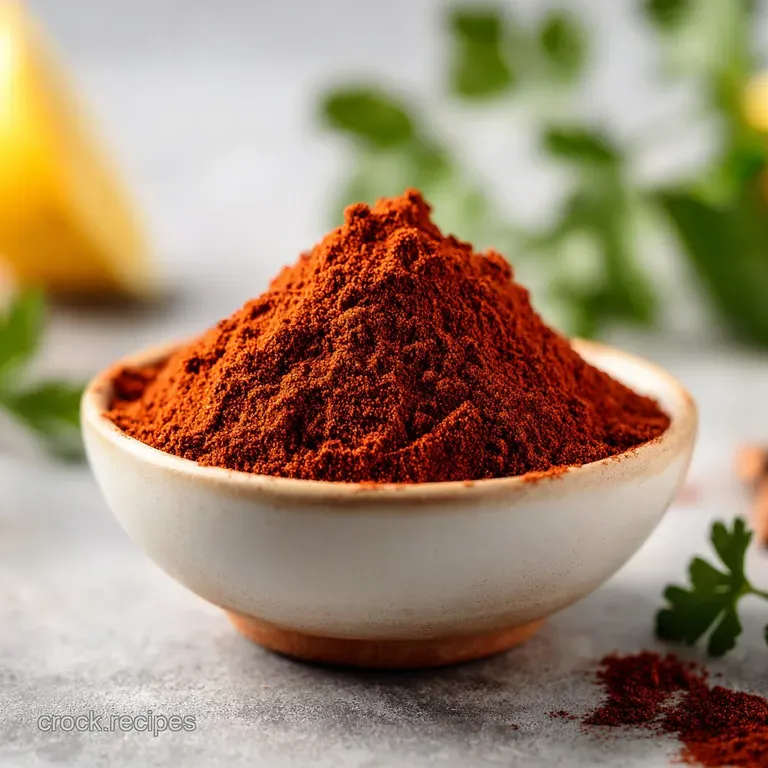
- Whisk the ingredients vigorously for 30 seconds until the blend is a uniform reddish brown color with no visible clumps.
- Transfer the mixture into an airtight glass jar, seal tightly, and store in a cool, dark cupboard.
It really is that simple. In just 5 minutes, you've created a professional grade blend that outperforms anything you'll find in a cardboard box.
Fixing Common Flavor Imbalances
Even with a great recipe, sometimes things go sideways depending on the ingredients you have on hand. Maybe your paprika was stronger than expected, or your chili powder was surprisingly mild. The key is to taste your final dish (not the dry powder!) and adjust on the fly.
If you find the flavor is too "sharp," a tiny pinch of brown sugar or a square of dark chocolate can mellow it out. According to the Serious Eats guide on flavor balancing, adding a touch of sweetness or acidity can neutralize overly aggressive spices. If you're looking for something even more intense, you could stir in a bit of my homemade hot sauce right at the end of cooking.
Why Your Blend Isn't Hitting the Mark
| Problem | Root Cause | Solution |
|---|---|---|
| Tastes "flat" or bland | Old spices or lack of salt | Add a squeeze of lime or 1/4 tsp more salt |
| Overwhelmingly bitter | Burnt spices or too much cumin | Stir in a teaspoon of honey or brown sugar |
| Too spicy to eat | Too much cayenne/pepper flakes | Add more beans, tomatoes, or a dollop of sour cream |
Common Mistakes Checklist
- ✓ Use level measuring spoons to avoid over salting
- ✓ Whisk thoroughly to prevent "spice pockets" in the final dish
- ✓ Store in glass, not plastic, to avoid flavor absorption
- ✓ Keep the jar away from the stove to prevent heat induced spoilage
- ✓ Check expiration dates on your ground cumin and paprika
Adding a Personal Touch to the Mix
Once you're comfortable with the base Chili Seasoning, you can start playing with the ratios. I love experimenting with the "regional" vibes. For a Texas style feel, I'll double the cumin and add a pinch of cocoa powder. For something more like a Cincinnati style, I might add a hint of cinnamon.
If you want to swap something out, just keep the "role" of the ingredient in mind. For example, if you don't have smoked paprika, you can use regular paprika and a tiny drop of liquid smoke in your pot.
| Original Ingredient | Substitute | Why It Works |
|---|---|---|
| Smoked Paprika (1 tbsp) | Regular Paprika + drop of liquid smoke | Mimics the charred flavor. Note: Use liquid smoke sparingly |
| Dried Oregano (1 tsp) | Dried Basil or Marjoram | Similar herbal profile. Note: Basil is slightly sweeter |
| Cayenne Pepper (1 tsp) | Red Chili Flakes (extra) | Provides heat. Note: Texture will be coarser |
| Garlic Powder (1 tbsp) | Garlic Granules | Same flavor. Note: Slightly different absorption rate |
Right after you've tweaked your blend, you might find that you've made way too much. But don't worry, that's a good problem to have.
Adjusting the Batch for Any Crowd
If you're planning a huge game day party and need to 4x this recipe, don't just multiply everything linearly. Spices, especially salt and cayenne, can become overwhelming when scaled up too far.
For a 4x batch, I suggest increasing the salt and the heat (cayenne/flakes) by only 3x. You can always add more at the end, but you can't take it out. For the "bulk" spices like chili powder, cumin, and paprika, go ahead and multiply by 4.
If you're making a tiny batch, just halve everything, but be careful with the red pepper flakes, use a scant 1/4 tsp so it doesn't dominate the mix.
Common Misconceptions About Spice Blends
One myth I hear all the time is that you need to "toast" your pre mixed seasoning in oil to make it work. While toasting individual whole spices is great, toasting a pre mixed powder can be risky. Since the particles are so small, they can burn in seconds, leaving you with a bitter, acrid taste.
It's better to let them simmer in the liquid of your chili.
Another common belief is that "more is better" when it comes to chili powder. In reality, too much can make the dish taste "dusty." The secret is the balance of the other ingredients, the onion and garlic powders provide the savory foundation that allows the chili powder to taste rich rather than powdery.
Storing Your Spices to Keep the Punch
To keep your Chili Seasoning tasting fresh, you've got to protect it from its three biggest enemies: light, heat, and air. If you leave your jar on the counter right next to the oven, the heat will degrade the essential oils in the cumin and paprika, and you'll lose that vibrant aroma.
Store it in a glass jar in a cool, dark cupboard. It'll stay potent for about 6 months, though I usually use it up way before then. If you're feeling fancy, you can add a small food grade desiccant packet to the bottom of the jar to keep moisture out and prevent clumping.
As for zero waste, don't throw away those old plastic spice containers. If you're buying spices in bulk, you can reuse the jars for your homemade blends. If you have leftover bits of oregano or paprika that aren't enough for a full recipe, throw them into a "scrap jar" and use them to season roasted potatoes or homemade popcorn.
Turning Your Seasoning Into a Feast
The best part is finally putting this blend to use. While it's obviously built for a classic bowl of beef or turkey chili, it's actually a versatile all rounder. I've used it as a dry rub for pork shoulder or mixed it into butter for a zesty corn on the cob.
For a truly satisfying meal, I love pairing a hearty pot of chili with a side of creamy mac and cheese. The richness of the cheese cuts through the heat of the seasoning perfectly. You can also serve it with a side of zesty roasted corn or a slice of honey glazed cornbread to lean into that sweet and savory contrast.
Just remember to start by searing your meat first, then adding the seasoning to the fat before you pour in your tomatoes or broth. This "blooming" process is what transforms the dry powder into a deep, integrated flavor that tastes like it's been simmering for days.
Recipe FAQs
How to make this chili seasoning?
Gather all spices in a small bowl and whisk vigorously for 30 seconds. Once the blend is a uniform reddish-brown color, transfer it to an airtight glass jar.
Can I use this blend for other recipes?
Yes, it is highly versatile. This mixture works perfectly as a flavor base for a restaurant style salsa or rubbed onto meats.
Is it true I can store these spices on the countertop?
No, this is a common misconception. Heat and light from the stove degrade essential oils in the cumin and paprika, so keep the jar in a cool, dark cupboard.
How to reduce the heat of the seasoning?
Reduce the amount of cayenne pepper and red pepper flakes. Lowering these two specific ingredients will mellow the blend without losing the overall flavor profile.
How long will the homemade blend stay fresh?
About 6 months. Ensure the glass jar is sealed tightly to prevent air from degrading the potency of the spices.
Why is my seasoning clumping?
Moisture has entered the jar. To prevent this, seal the lid tightly or add a small food-grade desiccant packet to the bottom of the container.
How to ensure the blend is consistent every time?
Use level measuring spoons for all ingredients. This ensures the ratio of salt, heat, and earthiness remains balanced across every batch.
Chili Seasoning in 5 Minutes