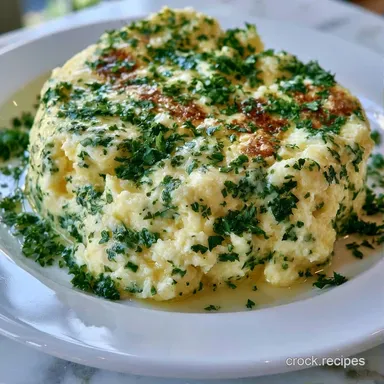
Lemon Herb Seafood Butter in 40 Minutes
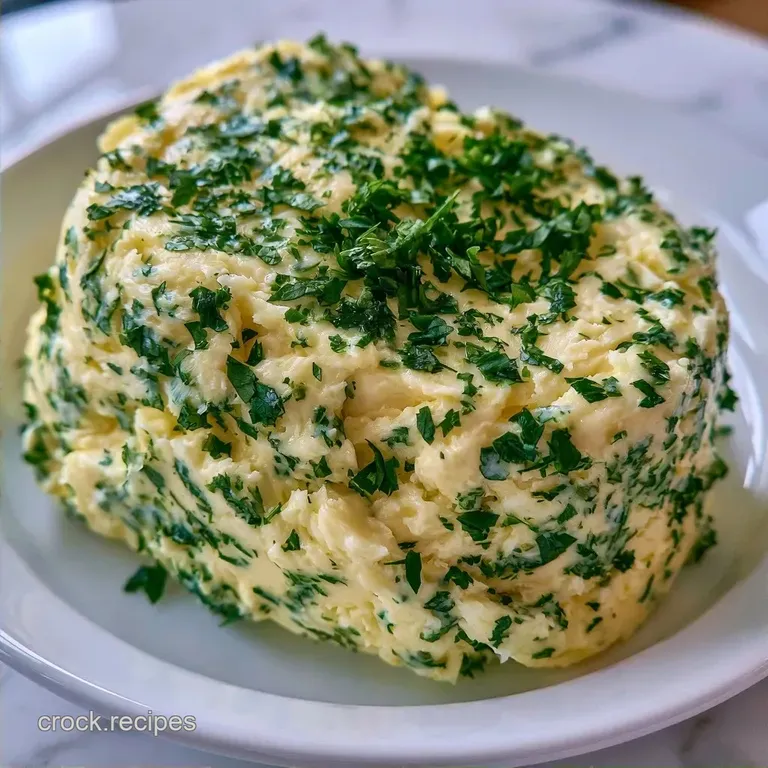
- Time: 10m preparation + 30m resting
- Profile: Vivid, zesty, and glossy
- Best for: Casual fish nights or upscale entertaining
Making a Great Lemon Herb Seafood Butter
The moment butter hits a hot fillet and releases that bright, zesty aroma, you know you've got something special. I once believed that a sophisticated French reduction or a Beurre Blanc was the only way to achieve a professional grade meal.
In reality, those methods just mean extra cleanup and the constant worry that the sauce will separate on the plate.
You don't need to hover over a stove to create something elegant. With this Lemon Herb Seafood Butter, the preparation is done beforehand. Simply place a chilled slice of butter on your seafood, and it melts into a shimmering glaze instantly.
This method prioritizes premium fats and fresh herbs. By using this Easy Lemon Herb Seafood Butter, your seafood remains succulent while the citrus notes perfectly balance the buttery richness.
The Trick to Stable Flavor
- Stable Fat Emulsion: Unlike a pan sauce that can split if it gets too hot, the fat in this recipe holds the lemon juice and garlic in a stable suspension.
- Aromatic Oil Release: Folding the zest and herbs into room temperature butter traps the volatile oils, which means the flavor stays potent until the moment it hits the heat.
According to Serious Eats, compound butters are the most efficient way to add consistent seasoning to proteins without overcooking them.
Recipe Specs
Before we get started, let's look at the difference between using fresh ingredients versus the shortcuts. Most people grab dried parsley or bottled juice, but the difference in aroma is huge.
| Approach | Flavor Profile | Shelf Life |
|---|---|---|
| Fresh Herbs/Zest | Bright, punchy, floral | 2 weeks (frozen) |
| Dried/Bottled | Muted, metallic, salty | 3 months |
One thing to keep in mind is the temperature. If your butter is too cold, you'll get lumps. If it's melted, the herbs will sink to the bottom. Aim for a texture that feels like soft clay.
The Core Ingredient List
This compound butter relies on a precise harmony of richness, acidity, and salt. Here are the components:
- 1 cup (225g) unsalted butter, softened Why this? It serves as a neutral foundation for the other ingredients. (Substitute: Salted butter; reduce the added salt)
- 1 tbsp (6g) fresh lemon zest, finely grated Why this? It provides aromatic oils for a bright, fresh scent. (Substitute: Lime zest for a tropical profile)
- 2 tbsp (30ml) fresh lemon juice Why this? The acidity helps cut through the richness of the fat. (Substitute: White wine or Verjus)
- 2 cloves (10g) garlic, minced into a paste Why this? It adds a savory, pungent depth. (Substitute: 1/2 tsp garlic powder)
- 2 tbsp (8g) fresh Italian parsley, finely chopped Why this? It offers a clean and peppery finish. (Substitute: Fresh cilantro)
- 1 tbsp (4g) fresh chives, finely chopped Why this? It contributes a subtle onion aroma. (Substitute: Green onion tops)
- 1/2 tsp (3g) kosher salt Why this? It magnifies the overall flavor profile. (Substitute: Sea salt)
- 1/4 tsp (1g) cracked black pepper Why this? It brings a delicate warmth to the mix. (Substitute: White pepper)
Essential Kitchen Tools
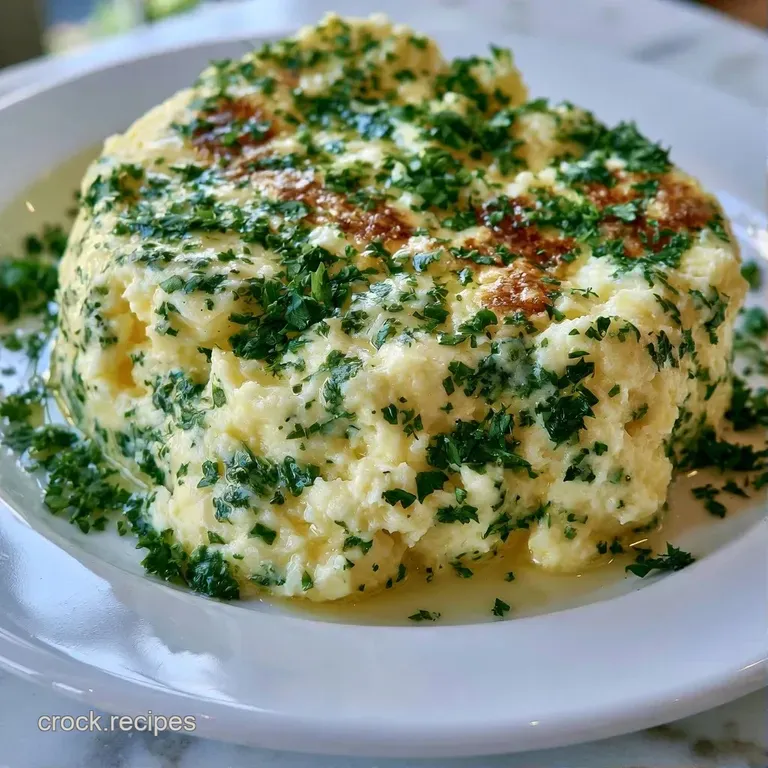
While a stand mixer isn't necessary, a few key tools can simplify the process. Start with a small mixing bowl; I suggest using glass or stainless steel, as plastic can sometimes retain odors.
A silicone spatula is essential for folding in the herbs without whipping too much air into the butter. For the final shape, wrapping the mixture in parchment paper or plastic wrap is the best way to achieve a tight, professional looking log.
Lastly, use a microplane or fine grater for the lemon zest. A standard box grater can easily pick up too much of the bitter white pith, which would throw off the flavor balance.
Creating the Butter Log
- Finely chop the parsley and chives until they reach a paste like consistency and zest the lemon into a small bowl. Note: Smaller cuts blend more seamlessly into the fat.
- Transfer the softened butter into the mixing bowl.
- Using a spatula, fold in the salt, lemon zest, and garlic. Pause until the garlic begins blooming in the butter.
- Gradually stir in the lemon juice, whisking steadily until the butter looks glossy and the liquid is fully absorbed without pooling.
- Carefully fold in the minced parsley and chives until the butter is evenly flecked with green.
- Spoon the mixture onto a sheet of parchment paper.
- Form it into a tight cylinder, twist the ends, and refrigerate for 30 minutes until it is chilled and firm.
Chef's Note: For a faster result, 15 minutes in the freezer will harden the log more quickly than the fridge.
Avoiding Common Texture Issues
Even straightforward recipes can have hiccups. Separation is the primary concern; if the lemon juice fails to emulsify with the fat, you'll end up with a pool of yellow liquid on your fish.
Fixing Separated Butter
This typically occurs because the butter is too chilled when the juice is added, preventing the fat from binding. To resolve this, set the bowl in a warm water bath for 2 minutes while stirring briskly.
Taming Sharp Acid
If the lemon flavor feels too pungent, you can fold in a pinch of sugar or a teaspoon of heavy cream. This softens the acidity without sacrificing the brightness.
For those who prefer a more complex base, you might try a Homemade Garlic Herb Butter first to see how different herb ratios change the profile.
| Problem | Fix |
|---|---|
| Butter is too lumpy | Microwave for 5 seconds and stir |
| Juice pooling at bottom | Whisk faster or gently warm the butter |
| Herbs clumping together | Mince herbs finer before adding |
Best Ways to Serve
This Herb Seafood Butter is incredibly versatile. It pairs perfectly with pan seared swordfish steaks because the meaty consistency of the fish stands up well to such a rich topping.
For Grilled Scallops
Add a small sliver of butter to every scallop during the final 30 seconds of grilling. The butter will foam and develop into a fragrant, rich glaze.
For Poached Salmon
Place a thick coin of butter on the salmon as soon as it comes out of the pan. Let it rest for 2 minutes to allow the residual heat to melt the butter into the fish flakes.
Depending on your dish, you may want to tweak the flavor intensity.
| Goal | What to change |
|---|---|
| More punch | Double the lemon zest |
| Milder taste | Increase butter by 1/4 cup |
| Savory depth | Add 1 clove of roasted garlic |
Keeping Your Butter Fresh
Storing your Lemon Herb Seafood Butter correctly is the difference between a fresh taste and a soapy one. In the fridge, wrap the log tightly in parchment and then a layer of foil. It stays fresh for about 2 weeks.
For longer storage, the freezer is your friend. I like to slice the log into individual coins before freezing. Place the coins on a tray for 1 hour, then move them into a freezer bag. This prevents them from sticking together.
If you have leftover lemon zest or parsley stems, don't toss them. Toss them into a freezer bag with some olive oil. You can use that infused oil later for sautéing vegetables or making a quick vinaigrette.
Different Flavor Twists
Once you're comfortable with the base, you can start playing with the profile. This recipe is a great canvas for other regional flavors.
Adding Heat
For a spicy kick, fold in 1 teaspoon of crushed red pepper flakes or a finely minced chipotle pepper in adobo. This works especially well with shrimp or scallops.
Mediterranean Style
Swap the parsley for fresh oregano and add a pinch of dried thyme. You can also fold in some finely crumbled feta cheese for a salty, tangy contrast.
Nutty Depth
Try browning the butter in a pan first, then letting it cool back to a softened state before adding the herbs. This adds a toasted, hazelnut aroma that pairs beautifully with lobster.
Recipe FAQs
How to make lemon herb butter?
Soften unsalted butter and fold in lemon zest, garlic, and salt. Whisk in lemon juice until glossy, then stir in minced parsley and chives.
What is the difference between butter and compound butter?
Compound butter is plain butter mixed with additional flavorings like herbs, citrus, or spices. This creates a seasoned fat that melts into a sauce once applied to hot food.
Could this be used as garlic herb butter?
Combine minced garlic into a paste and fold it into softened butter with fresh herbs. If you enjoyed mastering the herb infusing technique here, see how the same principle works in our garlic confit.
Is it true that seafood butter must be cooked on a stove to be a proper sauce?
No, this is a common misconception. This compound butter transforms into a glossy glaze instantly when placed on a hot fillet, removing the need for a pan sauce.
Lemon Herb Seafood Butter