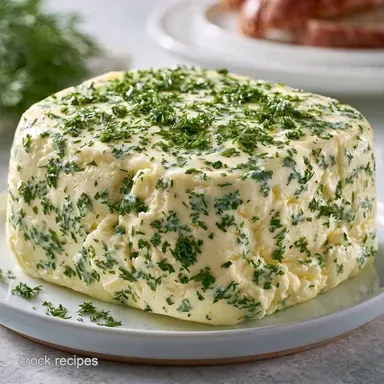
Dill Compound Butter with Fresh Lemon
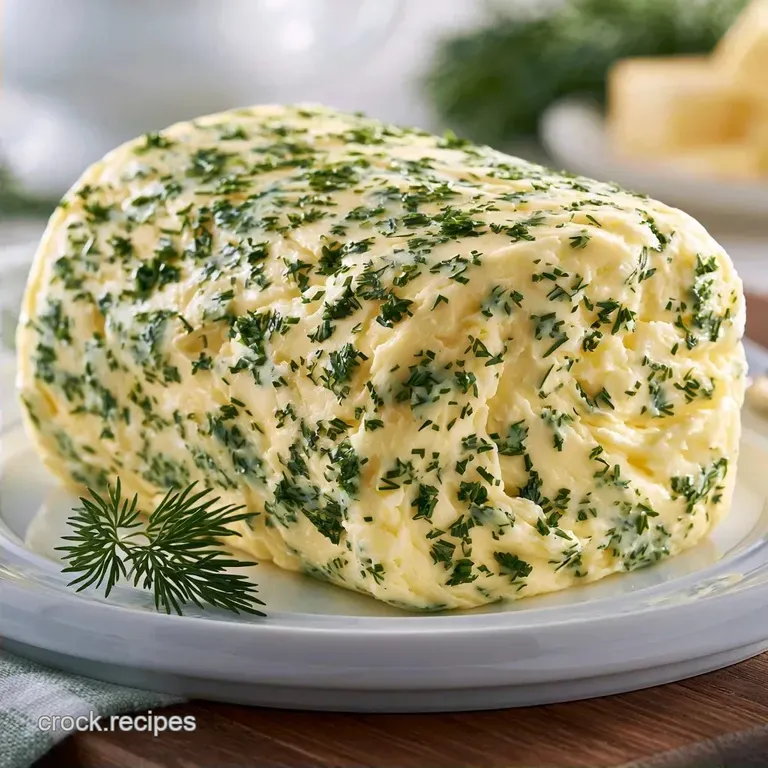
- Duration: 10 min hands-on + 30 min resting
- Taste Profile: Zesty and creamy with bits of fresh herbs
- Ideal for: Easy Tuesday salmon or a fancy dinner party spread
Ever wonder why seafood at a restaurant feels like a luxury getaway while home cooked fillets often taste... ordinary? The difference is usually how the fat is handled. While most of us just melt butter in a pan, chefs build the aromatics into the butter before it hits the heat.
I'll never forget my first attempt at compound butter. I let it get far too soft, and it turned into a runny soup with all the herbs sunk at the bottom. It was a total fail. However, once I nailed the temperature control, the game changed.
You're about to create a Dill Compound Butter that transforms a simple piece of salmon or cod into a hearty, gourmet treat. We're talking about that melted, shimmering glaze that makes the whole plate look high end without the luxury price tag.
Why This Mix Works
Fat Based Delivery: Butter acts as a carrier for the dill and lemon. Because these flavors are fat soluble, the Dill Compound Butter pushes the aromatics deeper into the fish than a simple sprinkle of herbs would.
Acid Fat Balance: Rich seafood needs acidity to cut through the oiliness. By mixing lemon juice and zest directly into the fat, the brightness is distributed evenly, which prevents the dish from feeling too heavy.
If you like this approach, you might also enjoy my homemade garlic herb butter for steak or potatoes.
Essential Kitchen Tools
A simple setup is all that's required to get the texture just right.
2 Key Tools
- Small Mixing Bowl: Use a sturdy bowl that won't slide around while you mash the butter.
- Parchment Paper: This is vital for rolling the log. It keeps the butter from sticking and ensures it pops out of the fridge easily.
The Ingredient List
Follow these precise amounts to ensure the ratio of salt and acidity remains perfect.
- 1/2 cup (115g) unsalted butter, softened Why this? Lets you decide exactly how salty the final result is.
- 3 tbsp (10g) fresh dill, finely chopped Why this? Provides a vibrant, herbal freshness that dried herbs can't match.
- 1 tbsp (6g) lemon zest, finely grated Why this? The essential oils in the peel offer the strongest aroma.
- 1 tsp (5ml) fresh lemon juice Why this? Cuts through the rich base with a bright, tangy edge.
- 1/4 tsp (1.5g) kosher salt Why this? The larger crystals dissolve more slowly for a better flavor distribution.
- 1/8 tsp (0.3g) fresh ground black pepper Why this? Brings a subtle, earthy warmth to the mix.
Substitution Table
| Original Ingredient | Substitute | Why It Works |
|---|---|---|
| Unsalted Butter | Salted Butter | Same fat content. Note: Skip the extra kosher salt |
| Fresh Dill | Dried Dill | Similar flavor profile. Note: Use only 1 tbsp, as it is more concentrated |
| Lemon Zest | Lime Zest | Similar citrus acidity. Note: Provides a slightly more tropical, floral essence |
| Fresh Lemon Juice | Apple Cider Vinegar | Provides necessary acid. Note: Has a more pungent profile than lemon |
Basic Recipe Stats
Here is a quick overview of the timing and yield before we get started.
- Prep time: 10 minutes
- Cook time: 0 minutes
- Total time: 40 minutes
- Yield: 4 servings
- 1. Butter Temp
- Maintain butter at 65-68°F so it remains spreadable but not oily.
- 2. Set Time
- Allow it to chill for at least 30 minutes, otherwise the log may collapse during slicing.
- 3. Cut Size
- Slice into 1/4 inch discs for the optimal melt rate on seafood.
Mixing and Setting
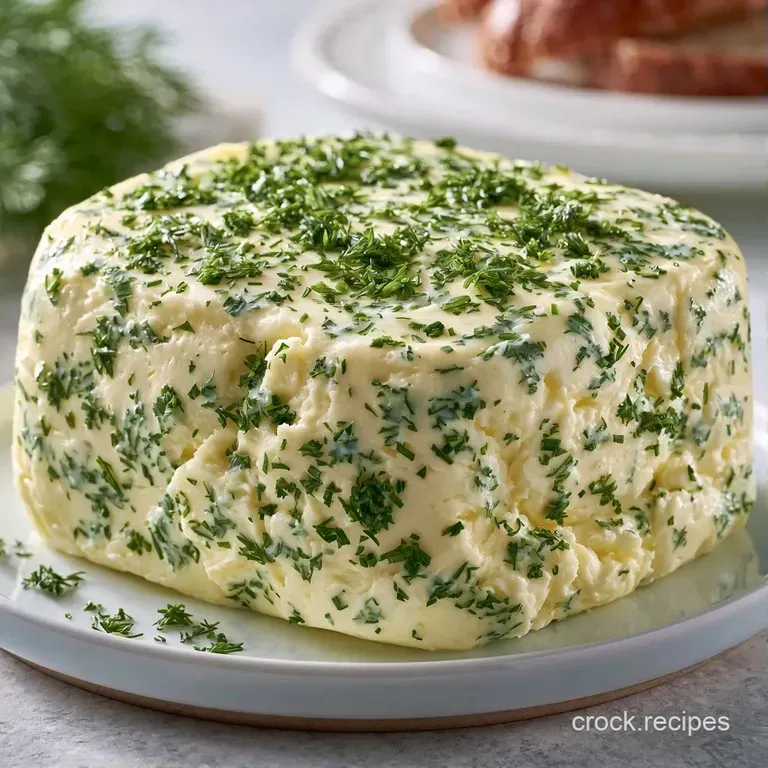
Trust me on this: don't rush the softening process. If you microwave the butter and it melts, the Dill Compound Butter won't hold its shape. According to Serious Eats, letting butter come to room temperature naturally preserves the emulsion.
- Place the softened butter in a mixing bowl. Use a fork or spatula to cream it until smooth and devoid of lumps. Note: This creates the base for a velvety finish.
- Fold in the chopped fresh dill, lemon zest, lemon juice, salt, and pepper. Stir gently until the green flecks are evenly distributed.
- Spoon the mixture onto a sheet of parchment paper.
- Roll the butter into a tight cylinder (log shape) using the paper to push the sides in.
- Twist the ends of the paper tightly to seal the log.
- Place the log in the refrigerator for 30 minutes until it feels firm to the touch.
- Remove from paper and slice into rounds just before serving.
Fixing Common Issues
Even straightforward recipes can run into trouble. Here is how to resolve the most common issues.
The Over Melted Butter Issue
If your butter becomes completely liquid, the dill will settle at the bottom. Stirring won't solve this. Instead, refrigerate the bowl for 10 minutes, then stir again. Repeat this process until the mixture reaches a thick, paste like consistency before you attempt to roll it.
Over chopping the Dill
Using a food processor for the herbs often results in a green paste rather than distinct pieces, giving the Dill Compound Butter a muddy appearance. Stick to a sharp knife and chop by hand. While it takes a bit more time, the texture is far superior.
Balancing the Salt
Lemon juice can sometimes mask the salt, or you might have accidentally used salted butter. Taste a small amount of the mixture before shaping it into a log. If the flavor seems flat, stir in a pinch of kosher salt. It is far simpler to adjust the seasoning now than after the butter has chilled.
Keeping Butter Fresh
There is no need to use the entire log at once, as it preserves quite well if wrapped correctly.
Fridge Storage Wrap the log in wax paper and a layer of plastic wrap to stop the fat from absorbing fridge odors. It remains fresh in the refrigerator for about 2 weeks.
Freezer Storage This is the most effective method. Slice the log into discs and freeze them on a tray first. Once they've hardened, move them to a freezer bag; they will remain high-quality for 3 months. Just grab a single disc and add it to a hot fillet.
Zero Waste Tip Don't throw away your lemon peels. After zesting, the leftover peels can be used to infuse olive oil or simmered in water with some vinegar to create a natural cleaner for kitchen surfaces.
Flavor Twist Options
Once you get the hang of this recipe, you can play around with the aromatics.
The Garlic Infused Twist Add one clove of grated garlic to the mix. This makes the compound butter for fish much more savory and hearty. It's a great match for swordfish or halibut.
The Briny Depth Option Finely mince a teaspoon of capers and fold them in. The saltiness of the capers pairs with the dill to create a taste similar to tartar sauce, but in a creamy, melted form.
Plant Based Alternative You can use a high-quality vegan butter stick. Just make sure it's a brand that holds its shape when chilled, otherwise, you'll have a sauce instead of a log.
Decision Shortcut
- For a firmer set: chill 2 hours instead of 30 minutes.
- For a punchier flavor: double the lemon zest.
- For easier slicing: freeze the log for 10 minutes before cutting.
Best Ways to Serve
The real magic happens when the butter hits the heat. You can apply it in two different ways depending on your gear.
Stovetop vs Oven Application
| Method | Butter Timing | Outcome |
|---|---|---|
| Stovetop | Add during last 2 mins | Basted, nutty, browned |
| Oven | Top before final 5 mins | Melting, creamy, steeped |
Pan Seared Salmon Sear your salmon in a hot pan. Right before you pull it off the heat, add a slice of the butter for fish. Let it bubble and spoon that foaming liquid over the top of the fillet.
Grilled White Fish For cod or tilapia, place a disc of the butter on top of the fish immediately after it comes off the grill. The carryover heat will melt the Dill Compound Butter into a rich sauce that pools on the plate. This is why I always suggest this with a pan fried cod for a simple dinner.
Other Pairings This isn't just for fillets. Try melting a bit of this over steamed asparagus or roasted carrots. The lemon and dill cut through the sweetness of the vegetables, making the whole meal feel more balanced.
Right then, you've got a simple way to make your seafood taste a lot more professional. Just remember to keep your butter cool and your dill fresh, and you're set. Trust me, your dinner guests will think you spent hours on the sauce when it actually took ten minutes and a bit of fridge time. Enjoy!
Recipe FAQs
What is the difference between butter and compound butter?
Compound butter is butter blended with additional flavorings like herbs, citrus, or spices.
Tip: Roll the mixture into a log to make portioning individual slices easier.
Which herbs go well with salmon?
Fresh dill is the gold standard for complementing the rich oils in salmon.
Tip: Use fresh leaves rather than dried herbs for a brighter, cleaner flavor profile.
What ingredients do I need for salmon?
Combine softened butter, fresh dill, lemon zest, lemon juice, salt, and pepper.
Tip: Use a fine zester for the lemon to avoid including the bitter white pith.
What's the best way to cook salmon?
Pan-sear the fillet to achieve a crisp exterior and a tender, flaky center.
Tip: If you enjoyed balancing fat and acid here, see how the same principle works in our creamy Dijon chicken.
How to cook salmon fish at home?
Sear the fish in a hot pan over medium high heat until the skin is golden brown.
Tip: Pat the fillet completely dry with paper towels before searing to prevent sticking.
What's an easy way to prepare salmon?
Top a cooked fillet with a slice of dill butter to create an instant, glossy sauce.
Tip: Let the butter melt naturally from the residual heat of the fish.
Is it true you must melt butter before adding herbs?
Not true. Use softened butter to keep the herbs suspended and the texture creamy.
Tip: Leave the butter on the counter for about an hour to reach room temperature.
Could a herbed butter work for steak?
Yes, a citrusy dill blend provides a refreshing, bright contrast to rich beef.
Tip: Let the butter sit on the meat for two minutes before serving to fully emulsify.
Dill Compound Butter