Orange Cupcake: Velvety and Zesty
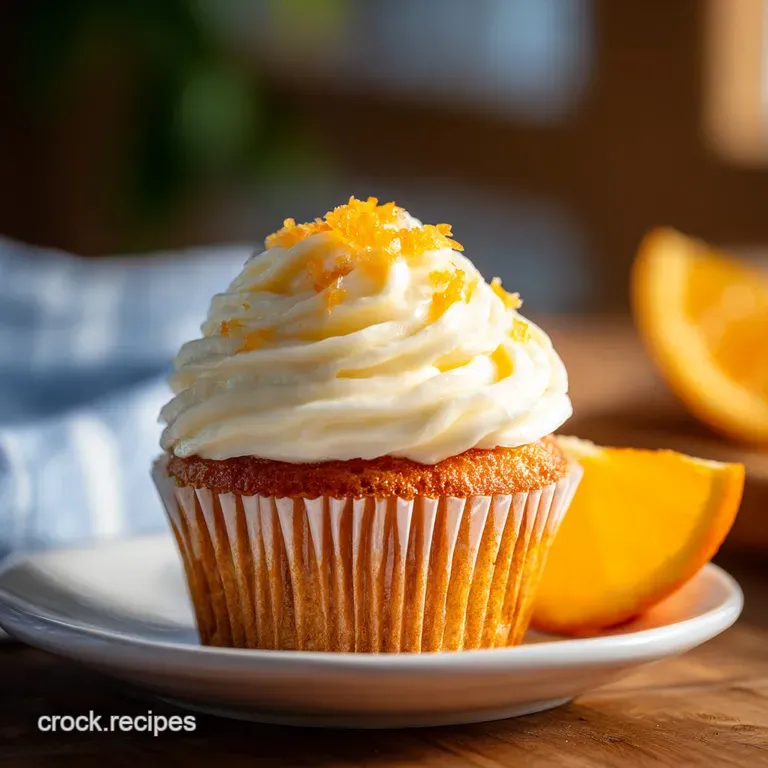
- Time: Active 20 minutes, Passive 20 minutes, Total 40 minutes
- Flavor/Texture Hook: Zesty, buttery, and incredibly velvety
- Perfect for: Spring family brunches and festive celebrations
- Orange Cupcake with Orange Cream Cheese Frosting
- Why Other Citrus Cakes Fail
- Vital Ingredients Deep Dive
- Choosing the Right Ingredients
- Gathering Your Baking Tools
- Mastering the Mixing Process
- Troubleshooting Your Baked Goods
- Simple Flavor Profile Adjustments
- Preserving Freshness and Quality
- Garnishing for Visual Appeal
- Myths About Citrus Baking
- Recipe FAQs
- 📝 Recipe Card
Orange Cupcake with Orange Cream Cheese Frosting
Imagine a bright Sunday morning during the first true week of spring. The sun is streaming through the kitchen window, and there's a cool breeze that makes you want something both fresh and comforting. I remember the first time I made these for a family garden party.
I was standing at the counter, zesting a pile of navel oranges, and the scent was so intense it filled the entire house. It’s that specific, punchy aroma that makes this Orange Cupcake with Orange Cream Cheese Frosting so special.
Discover the ultimate Orange Cupcake with Orange Cream Cheese Frosting that will become your new favorite.
We aren't just making a basic vanilla cake and throwing in some juice. We're building layers of flavor starting from the sugar itself. Most people just toss zest into the batter at the end, but that's a missed opportunity.
By rubbing the zest into the granulated sugar, you release the essential oils that a liquid extract simply can't match. It’s a small, satisfying step that transforms a simple cupcake into something that tastes like a sunny afternoon in a citrus grove.
This recipe is designed to be hearty and satisfying, moving away from the light, airy sponges that disappear the moment you bite into them. Instead, we use sour cream to ensure the crumb is moist and has enough structure to hold up that generous swirl of orange cream cheese frosting.
It’s a classic combination that feels nostalgic yet refined, perfect for when you want to impress friends without spending five hours in the kitchen.
Why Other Citrus Cakes Fail
Essential Oil Release: Rubbing zest into sugar uses mechanical friction to burst the tiny oil glands in the orange skin, flavoring every single grain of sugar before the liquid even hits the bowl.
Acidity Balance: Using both baking powder and baking soda alongside acidic sour cream ensures a consistent rise while neutralizing any harsh metallic aftertastes.
Fat Emulsification: Room temperature eggs and butter are non negotiable because they create a stable emulsion that traps air, resulting in a velvety rather than oily texture.
Moisture Retention: Sour cream provides a high fat content that prevents the flour from developing too much gluten, keeping the cake tender for days.
Frosting Stability: Using brick style cream cheese instead of the spreadable kind ensures the frosting stays thick and pipeable even with the addition of fresh juice.
| Servings | Ingredient Adjustments | Pan Size | Cook Time |
|---|---|---|---|
| 6 people | Halve all ingredients | 6 cup muffin tin | 18 minutes |
| 12 people | Use quantities as listed | 12 cup muffin tin | 20 minutes |
| 24 people | Double all ingredients | Two 12 cup tins | 22 minutes |
When you are planning for a crowd, remember that doubling the batter usually requires a slightly longer bake time if you are putting both pans in the oven at once. The air circulation changes, so keep a close eye on the golden edges.
If you're only making a small batch for a quiet afternoon, the half batch fits perfectly in a standard six cup tin without any awkward leftover batter.
Vital Ingredients Deep Dive
Understanding the "why" behind your components helps you become a more intuitive baker. For example, the choice of orange matters more than you might think. Navel oranges are fantastic because they are seedless and have a thick, oil rich skin that is easy to zest without hitting the bitter white pith.
If you use a thin skinned Valencia, you'll get more juice but less aromatic punch in the sugar rubbing stage.
| Ingredient | Science Role | Pro Secret |
|---|---|---|
| Sour Cream | Tenderizer | High fat and acid create a velvety, moist crumb that doesn't go dry. |
| Orange Zest | Flavor Base | Contains limonene, which provides a deeper flavor than the juice alone. |
| Cream Cheese | Structural Fat | Full fat dairy is the secret to a velvety finish, just like you'd find in a classic New York cheesecake. |
The interaction between the sugar and the zest is where the magic starts. When you see the sugar turn a pale, vibrant orange and feel it become damp like kinetic sand, you know you've done it right. This isn't just for show - it's a chemical head start for the flavor.
The sugar crystals act as tiny abrasives, tearing into the zest to pull out every drop of flavor.
Choosing the Right Ingredients
Rubbing the zest into the sugar is the foundation, but the rest of the ingredients need to be just as high-quality to support that citrus profile. Always use fresh juice. The bottled stuff is pasteurized at high heat, which kills the delicate top notes that make oranges taste "bright."
- 200g (1 cup) Granulated Sugar: Why this? Provides sweetness and acts as the abrasive for zesting. Substitute: Caster sugar for an even finer crumb.
- 2 tbsp Fresh Orange Zest: Why this? The primary source of aromatic citrus oils. Substitute: 1 tsp orange extract (though flavor will be less complex).
- 190g (1 ½ cups) All Purpose Flour: Why this? Gives the cupcake enough structure to support the frosting. Substitute: Cake flour for a lighter, more delicate texture.
- 115g (½ cup) Unsalted Butter: Why this? Provides a rich, comforting flavor and tender crumb. Substitute: Salted butter (omit the extra 1/2 tsp salt).
- 60g (¼ cup) Sour Cream: Why this? Adds moisture and fat without thinning the batter. Substitute: Full fat Greek yogurt for a similar tang.
- 225g (8 oz) Brick Cream Cheese: Why this? Must be full fat brick style for a stable, pipeable frosting. Substitute: Mascarpone for an ultra rich, less tangy finish.
Using room temperature eggs is one of those rules people love to ignore, but it actually matters here. Cold eggs will shock the creamed butter and cause it to clump up. When the fats stay smooth, the air bubbles you worked so hard to beat in stay trapped, giving you that satisfying, even rise.
Gathering Your Baking Tools
You don't need a professional pastry kitchen to pull this off, but a few specific tools make the process much smoother. A microplane or a very fine grater is your best friend for the zest.
You want tiny, hair like shards of zest that melt into the sugar, not large chunks that will feel like bits of paper in the finished cake.
A stand mixer with a paddle attachment is ideal for the creaming stage. It allows you to beat the butter and orange sugar for the full three minutes without your arm getting tired.
If you're using a hand mixer, just be prepared to move it around the bowl constantly to ensure no pockets of unmixed butter are hiding at the bottom.
Finally,, a standard 12 cup muffin tin and paper liners are essential. I prefer using greaseproof liners because they peel away cleanly from the cupcake without taking half the cake with them.
If you're feeling fancy, a piping bag with a large open star tip (like a 1M) will give you those professional looking swirls on top of your Orange Cupcake with Orange Cream Cheese Frosting.
Mastering the Mixing Process
- Preheat your oven to 350°F (175°C) and line a 12 cup muffin tin with paper liners. Note: Starting with a hot oven is vital for the initial rise.
- In a stand mixer bowl, combine 200g granulated sugar and 2 tablespoons of orange zest. Rub them together with your fingertips until the sugar is fragrant, moist, and turns a light orange hue.
- Add 115g of softened butter to the orange sugar. Beat on medium high speed for 3 minutes until the mixture looks pale, fluffy, and significantly increased in volume.
- Add 2 large eggs one at a time, ensuring each is fully incorporated before adding the next. Note: This prevents the emulsion from breaking.
- In a separate bowl, whisk 190g flour, 1.5 tsp baking powder, 0.5 tsp baking soda, and 0.5 tsp salt. In another small bowl, whisk together 60g sour cream, 60ml orange juice, and 1 tsp vanilla extract.
- Alternately add the dry and wet ingredients to the butter mixture, starting and ending with the dry. Mix only until no streaks of flour remain.
- Divide batter into liners and bake for 20 minutes until a toothpick comes out clean and the tops spring back when touched. Cool completely on a wire rack.
- Beat 225g cold cream cheese and the remaining 115g room temperature butter until the mixture is completely smooth and lump free.
- Gradually add 480g powdered sugar, 1 tablespoon of zest, and a pinch of salt. Add 1 tbsp heavy cream until the frosting reaches a stiff but spreadable consistency.
- Pipe or spread the orange cream cheese frosting onto the completely cooled cupcakes.
Chef's Note: If your kitchen is very warm, the frosting might get soft while you're piping. Put the piping bag in the fridge for 10 minutes to firm up the butter and cream cheese. This keeps your swirls sharp and beautiful.
Troubleshooting Your Baked Goods
One of the most frustrating things in baking is when your cupcakes look great in the oven but sink the moment you take them out. This usually happens because of over mixing or an oven temperature that is too low.
When you over mix, you develop too much gluten and incorporate too much air; the structure simply can't hold its own weight as it cools.
Preventing Sunken Cupcake Centers
If your cupcakes look like little craters, it's often a sign that the leavening agents reacted too quickly. Make sure your baking powder and soda aren't expired. Also, resist the urge to open the oven door before the 15 minute mark. That sudden drop in temperature can shock the fragile structure before it has set.
Rescuing Runny Frosting
Cream cheese frosting is notoriously finicky. If yours looks like a glaze rather than a frosting, it's likely because the cream cheese was too warm or you over beat it. Unlike butter, cream cheese breaks down and becomes liquid if it's overworked.
| Problem | Root Cause | Solution |
|---|---|---|
| Dry Crumb | Over baking | Check at 18 minutes; use a digital thermometer to reach 205°F. |
| Greasy Bottoms | Butter too soft | Ensure butter is "cool room temp" (65°F) before creaming. |
| Lumpy Frosting | Cold Butter | Always use room temperature butter for the frosting base. |
Another trick for perfect frosting is to use the "brick" style cream cheese rather than the kind sold in tubs. The tub versions have more water and air whipped into them, which is great for bagels but disastrous for a stable Orange Cupcake with Orange Cream Cheese Frosting.
Common Mistakes Checklist
- ✓ Rub the zest into the sugar with your fingers until it feels like wet sand.
- ✓ Ensure eggs are at room temperature to avoid curdling the batter.
- ✓ Stop mixing the moment the last streak of flour disappears.
- ✓ Wait until the cupcakes are completely cold before you even think about frosting.
- ✓ Sift your powdered sugar to avoid tiny white lumps in your smooth orange cream cheese frosting.
Simple Flavor Profile Adjustments
Baking is a science, but there is always room for a little personality. If you want a deeper flavor, you can try browning the butter before letting it solidify again for the batter. This adds a nutty, toasted note that complements the bright citrus beautifully. It makes the cupcake feel even more hearty and satisfying.
If you enjoy adding fruit swirls to your desserts, you might love the technique used in these strawberry swirl cheesecake cookies. You could easily swirl a bit of orange marmalade into the batter before baking for an extra burst of concentrated citrus flavor. It creates little pockets of gooey sweetness that contrast with the velvety cake.
| Method | Time | Texture | Best For |
|---|---|---|---|
| Standard Oven | 20 minutes | Even rise, golden | Classic results |
| Convection | 17 minutes | Crispier edges | High volume baking |
| Mini Cupcakes | 12 minutes | Soft throughout | Party appetizers |
For a truly decadent variation, try adding a teaspoon of almond extract to the frosting. Orange and almond are a match made in heaven, providing a sophisticated, marzipan like undertone that cuts through the richness of the cream cheese.
It’s a simple swap that makes the recipe feel like it came from a high end French patisserie.
Preserving Freshness and Quality
Because these cupcakes are so moist, they actually hold up quite well for a few days. However, since the frosting contains cream cheese, you cannot leave them out on the counter for more than a couple of hours. The sugar acts as a preservative, but dairy still needs the cold to stay safe and delicious.
Store your finished cupcakes in an airtight container in the fridge for up to 4 days. When you're ready to eat one, let it sit at room temperature for about 20 minutes. This allows the butter in the cake and frosting to soften back up, restoring that velvety texture we love.
If you eat them straight from the fridge, the cake will feel much denser and less flavorful.
To freeze them, it’s best to freeze the cupcakes unfrosted. Wrap each cooled cupcake in plastic wrap and store them in a freezer bag for up to 2 months. You can make the frosting fresh when you're ready to serve, or freeze the frosting separately in a container.
Just give the frosting a good whip with a mixer once it thaws to bring back its silky consistency. For zero waste, save your orange peels! You can candy them or dry them out to make homemade orange zest powder for future bakes.
Garnishing for Visual Appeal
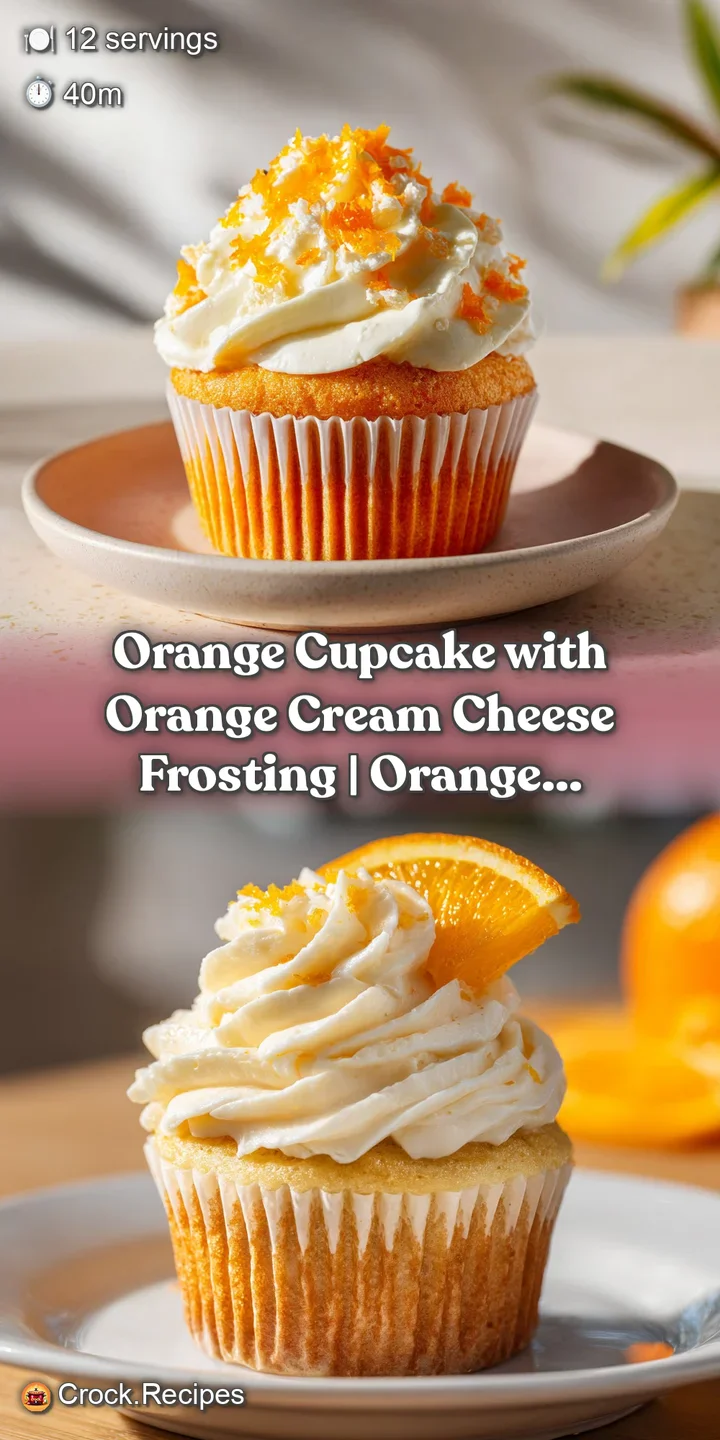
The final look of your Orange Cupcake with Orange Cream Cheese Frosting is what really sets the mood. For a rustic, "flavor first" look, a simple offset spatula swirl with a bit of extra zest on top is beautiful. It looks homemade in the best way possible generous, messy, and inviting.
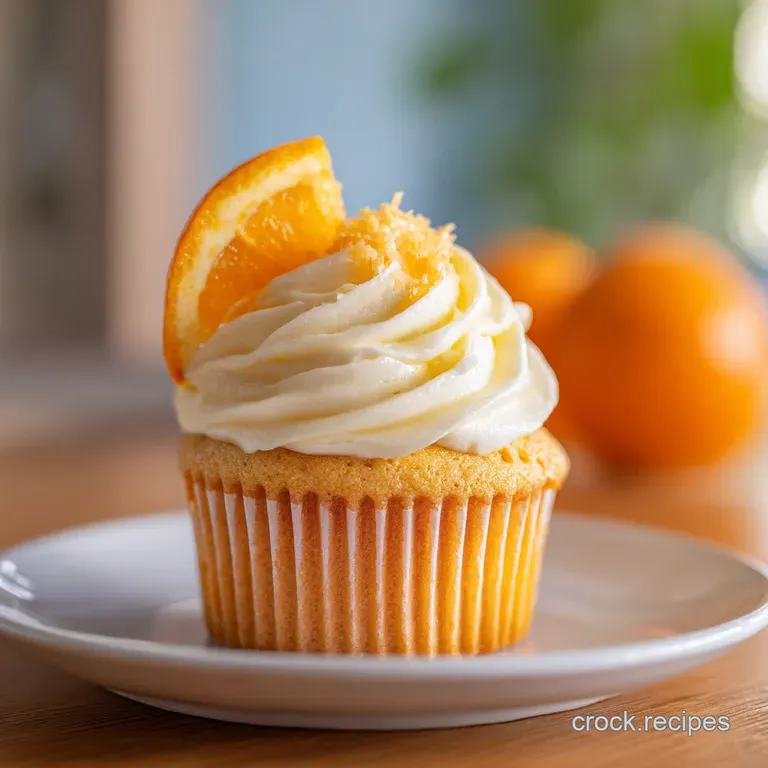
If you want a more polished presentation, use a piping bag. A simple round tip can create a "cloud" effect, while a star tip gives you those classic ridges. To really make the orange theme pop, place a tiny wedge of fresh orange or a piece of candied peel on top of each cupcake.
It acts as a visual cue for the flavor inside and adds a nice textural contrast.
Another fun idea is to sprinkle a tiny bit of coarse sparkling sugar or even a pinch of flaky sea salt over the frosting. The salt enhances the citrus notes and balances the sweetness of the powdered sugar, making every bite feel complex and satisfying.
Whether you're serving these at a formal brunch or just as a weekend treat for the family, that little extra effort in presentation makes the experience of eating them feel like a true celebration of spring.
Myths About Citrus Baking
One common misconception is that adding more orange juice will make the cake taste more like oranges. In reality, juice is mostly water and sugar with a bit of acid. If you add too much, you’ll throw off the liquid to dry ratio, resulting in a gummy, heavy cake.
The real flavor is in the zest, which is why we rub it into the sugar to maximize its impact.
Another myth is that you must use "light" cream cheese to prevent the frosting from being too heavy. Actually, low-fat cream cheese contains more stabilizers and water, which makes the frosting more likely to weep or become runny. For a satisfying, professional result, always stick with the full fat brick.
It provides the body and richness necessary to support the citrus oils without thinning out.
Finally, some people think that you should zest the orange directly into the batter. While this isn't "wrong," you lose out on the mechanical extraction of the oils that happens when you rub the zest into the sugar grains.
That extra 60 seconds of work is the difference between a cupcake that smells like orange and one that truly tastes like it.
Decision Shortcut: If you want a deeper flavor, rub the zest into the sugar for a full 2 minutes. If you want a lighter texture, swap the all purpose flour for cake flour.
If you want sturdier frosting, ensure your cream cheese is cold when you start mixing.
Recipe FAQs
Does cream cheese frosting go well with orange cake?
Yes, it is a perfect match. The tangy, rich profile of cream cheese cuts through the sweetness of the citrus, creating a balanced and professional flavor profile.
Can I use cream cheese frosting for cupcakes?
Yes, it is excellent for piping. By beating the butter and cold cream cheese until smooth and adding the zest, you create a stable structure that holds its shape beautifully on cupcakes.
Does orange go with cream cheese?
Yes, they are classic flavor partners. The acidity in the fresh orange zest and juice highlights the richness of the cheese, similar to how we balance fat and acid in our savory cream cheese dishes.
What is the secret to moist cupcakes?
Avoid overmixing the batter. Once you add your dry and wet ingredients, mix only until combined to prevent excess gluten development, which ensures a tender, moist crumb.
How to prevent my cupcakes from sinking in the center?
Ensure your oven is fully preheated to 350°F before baking. Sinking often occurs when the structure hasn't set properly due to temperature fluctuations or over aerating the batter during the mixing phase.
Is it true I should use room temperature eggs for this recipe?
Yes, this is essential for a stable emulsion. Room temperature eggs incorporate seamlessly into the butter and sugar mixture, preventing the batter from curdling and ensuring a consistent texture.
How to get the most flavor out of the orange zest?
Rub the zest directly into the granulated sugar with your fingertips. This releases the citrus essential oils into the sugar crystals, infusing the entire cake with deep, aromatic flavor before you even begin mixing.
Orange Cream Cheese Cupcakes
Ingredients:
Instructions:
Nutrition Facts:
| Calories | 509 calories |
|---|---|
| Protein | 4g |
| Fat | 24g |
| Carbs | 70g |
| Fiber | 0g |
| Sugar | 58g |
| Sodium | 292mg |
