Perfect Roast Chicken Recipe with Aromatic Herbs
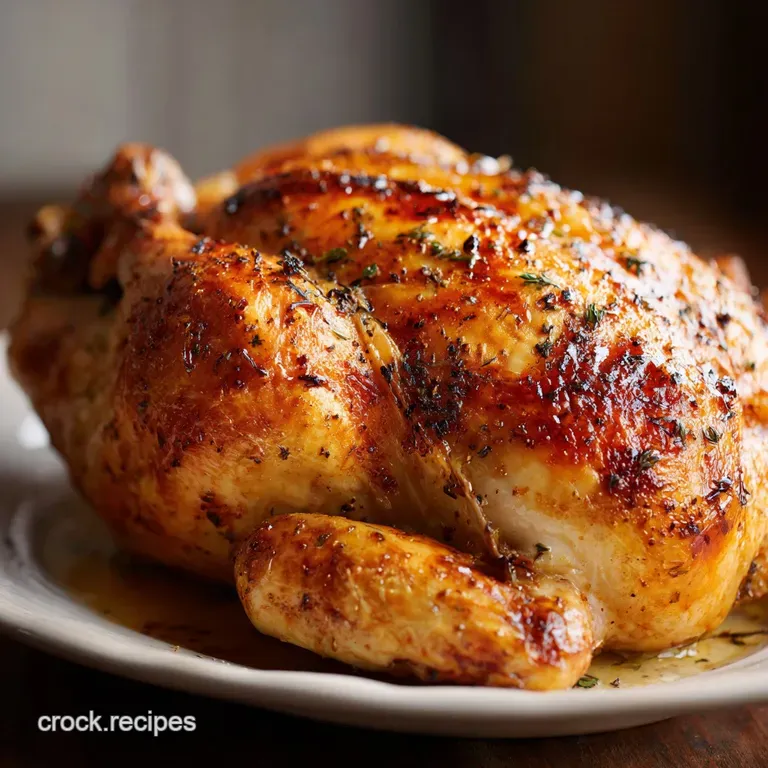
- Time: Active 20 minutes, Passive 1 hours 15 mins, Total 1 hours 35 mins
- Flavor/Texture Hook: Hearty, herb infused meat with crackling skin
- Perfect for: Satisfying Sunday dinners or meal prep
- Mastering a Hearty Roast Chicken Recipe
- Building Deep Flavor Layers
- Essential Precision Metrics
- Selecting Your Flavor Elements
- Reliable Tools for Success
- Step-by-Step Golden Roasting
- Solving Common Cooking Mistakes
- Easy Swaps and Variations
- Storing Your Leftovers Safely
- Hearty Sides and Pairings
- Critical Level of Sodium
- Recipe FAQs
- 📝 Recipe Card
Mastering a Hearty Roast Chicken Recipe
Can you hear that? It is the sound of a knife blade scraping across a golden, taut surface, producing a dry, sandpaper like rasp. That is the sound of success. I remember my first attempt at a roast chicken recipe years ago, I didn't dry the skin properly and the result was a pale, rubbery mess that made me want to order pizza.
It was a total disaster, but it taught me that moisture is the enemy of the crunch we all crave.
Now, whenever I slide a bird into the oven, the house fills with that specific, buttery aroma that practically begs you to pour a glass of wine and wait. There is something deeply satisfying about watching the fat render out, bubbling and popping as it bastes the potatoes below. This is not just a meal, it is a ritual.
We are going for those rich, browned flavors that feel like a warm hug on a cold evening.
We are going to walk through every step, from the salt rub to the final rest. You will see how the lemon and garlic work from the inside out, while the high heat transforms the exterior. Trust me, once you nail this technique, you will never settle for a limp supermarket rotisserie bird again.
It is all about those layers of flavor, starting with the very first grain of salt.
Building Deep Flavor Layers
The Physics of the Crunch: Intense heat causes moisture to evaporate from the skin, while the Maillard reaction browns the proteins. This creates a thin, brittle layer that shatters when sliced.
- Surface Dehydration: Rubbing salt on the skin draws out moisture through osmosis, allowing the skin to crisp rather than steam.
- Aromatic Infusion: Placing lemon and garlic in the cavity creates a scented steam that seasons the meat from within.
- Fat Rendering: The olive oil and natural chicken fat melt down, essentially frying the skin as it roasts.
- Thermal Carryover: Pulling the bird just before it hits the final temperature allows the internal heat to finish the job without drying it out.
| Thickness | Internal Temp | Rest Time | Visual Cue |
|---|---|---|---|
| 1.8 kg Bird | 74°C (165°F) | 15 minutes | Juices run clear |
| 2.2 kg Bird | 74°C (165°F) | 20 minutes | Leg moves easily |
| 1.4 kg Bird | 74°C (165°F) | 10 minutes | Skin is mahogany |
Using a thermometer is the only way to be certain you aren't serving sawdust. If you want a meal that feels just as cozy as this one, you might want to try this How to Make recipe which uses similar herb profiles. The resting period is just as vital as the cooking time because it allows the muscle fibers to relax and soak back up all those precious juices.
Essential Precision Metrics
When we talk about a satisfying meal, we need to look at how different approaches change the final plate. Some people prefer the shortcut of a pre marinated bird, but the texture is never quite right. A fresh bird gives you total control over the seasoning and the moisture levels.
| Feature | Fresh Poultry | Shortcut/Pre Brined |
|---|---|---|
| Skin Texture | Extremely crispy | Often soft or tacky |
| Salt Control | You decide | Often overly salty |
| Aroma | Fresh herbs and fat | Artificial smoke or spice |
Getting the timing right is the difference between a hearty feast and a stressful evening. For another take on this classic, I often look at this How to Make recipe when I have a slightly tighter schedule. It is amazing how much of a difference an extra 15 minutes of prep can make to the final bite.
Selecting Your Flavor Elements
Every ingredient here has a job to do. We aren't just throwing things in a pan; we are building a foundation of flavor. The potatoes aren't just a side, they are sponges for the chicken fat and lemon juice that drips down during the roasting process.
| Ingredient | Science Role | Pro Secret |
|---|---|---|
| Kosher Salt | Protein Denaturation | Use more than you think |
| Lemon | Acid Tenderization | Pierce it to release oils |
| Garlic | Flavor Compound | Leave the skin on for jammy bits |
| Avocado Oil | High Smoke Point | Helps sear the vegetables |
For the Bird
The star is a 1.8 kg whole chicken. I always look for one with intact skin and no bruising. You will also need 2 tbsp extra virgin olive oil, 1 tbsp kosher salt, and 1 tsp cracked black pepper.
Why this? Kosher salt has larger grains that stick better to the skin. For the herbs, 1 tbsp fresh minced thyme is non negotiable for that earthy, satisfying scent.
For the Aromatics
Inside the cavity, we tuck 1 halved lemon, 1 head of garlic sliced crosswise, 1 quartered small yellow onion, and 2 sprigs of rosemary. Why this? These create a flavor rich steam bath for the breast meat. Don't bother peeling the garlic; the skins actually protect the cloves from burning and keep them soft and sweet.
Roasted Chicken with Potatoes
The base consists of 450g (1 lb) Yukon Gold potatoes and 3 large carrots. You will need 1 tbsp avocado oil to toss them in. Why this? Yukon Golds hold their shape but get incredibly creamy inside. The carrots add a natural sweetness that balances the savory fat.
Reliable Tools for Success
You don't need a professional kitchen, but a few specific items make this much easier. A heavy roasting pan or a large cast iron skillet is my go to. Cast iron retains heat beautifully, which helps get those potatoes crispy on the bottom. If you have a roasting rack, use it to lift the bird and allow air to circulate.
A digital meat thermometer is your best friend here. I used to guess by wiggling the leg, but that is how you end up with dry meat. You also want a sharp chef's knife for carving. Slicing through that crispy skin with a dull blade is a tragedy because it just tears the skin away from the meat.
Finally,, kitchen twine is helpful for tying the legs together, which keeps the bird compact and ensures it cooks at an even rate.
step-by-step Golden Roasting
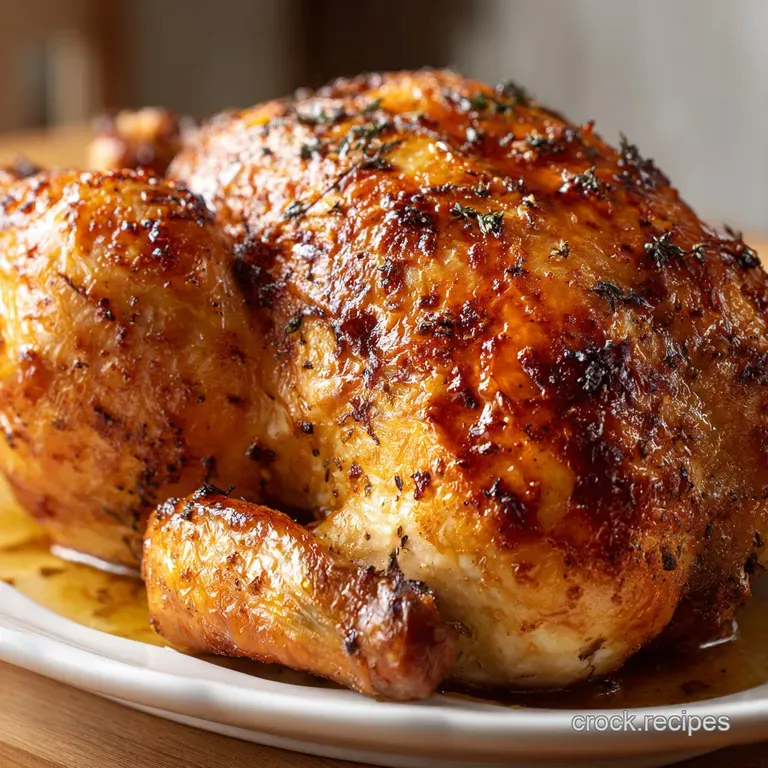
1. Preparing for Crispness
Remove the chicken from the fridge 30 minutes before cooking. Pat the skin completely dry with paper towels. Note: Surface moisture creates steam, which prevents browning. If the skin feels damp, the salt won't stick and the skin will stay soft.
2. Seasoning and Trussing
Rub the 2 tbsp olive oil all over the bird, then coat generously with the salt, pepper, and minced thyme. Stuff the cavity with the lemon halves, garlic, onion, and rosemary sprigs. Tie the legs together with kitchen twine and tuck the wing tips under the body.
3. Roasting in the Oven
Preheat your oven to 200°C (400°F). Toss the halved potatoes and carrots with 1 tbsp avocado oil and a pinch of salt in the bottom of the roasting pan. Place the chicken on top of the vegetables or on a rack.
4. Monitoring the Finish
Roast for 1 hours 15 mins until the skin is deep golden and the juices run clear. Check the internal temperature in the thickest part of the thigh, making sure not to hit the bone. It should read 74°C (165°F).
5. Mastering the Rest
Transfer the chicken to a cutting board and let it sit for at least 15 minutes. Note: This allows the juices to redistribute throughout the meat. If you cut it too soon, all that flavor will just run out onto the board, leaving you with dry chicken.
Solving Common Cooking Mistakes
One of the biggest heartbreaks is pulling a beautiful bird out of the oven only to find the breast meat is as dry as a desert. This usually happens because the breast cooks faster than the dark meat. Another issue is the "soggy bottom" where the underside of the chicken sits in juices and never gets crispy.
Why Your Skin is Soft
If you didn't preheat the oven properly or if you crowded the pan too much, the chicken will steam in its own moisture. This is especially true if you use a pan that is too small. The air needs to move around the bird to dry out the skin and create that shatter like texture.
| Problem | Root Cause | Solution |
|---|---|---|
| Pale Skin | Not enough salt or heat | Increase temp to 200°C |
| Dry Breast | Overcooked meat | Use a thermometer; pull at 72°C |
| Burnt Garlic | Exposed to direct heat | Keep aromatics inside the cavity |
Common Mistakes Checklist
- ✓ Never skip the pat dry step with paper towels.
- ✓ Avoid using cold chicken straight from the fridge; let it sit out for 30 minutes.
- ✓ Don't peek! Opening the oven door drops the temperature significantly.
- ✓ Ensure the roasting pan is large enough that the vegetables aren't piled on top of each other.
- ✓ Always let the bird rest before carving to keep it satisfyingly juicy.
Easy Swaps and Variations
I love the classic rosemary and thyme, but sometimes you want something different. If you don't have Yukon Gold potatoes, red potatoes work well, though they won't be as fluffy. You can also swap the lemon for an orange if you want a deeper, sweeter citrus note that pairs beautifully with the rosemary.
Mediterranean Flavor Infusion
Switch the thyme for dried oregano and add some kalamata olives to the pan during the last 20 minutes of roasting. Use a bit of lemon zest in the rub for an extra punch. This variation is incredibly hearty and smells like a Greek hillside.
Adapting for dairy-free
This recipe is naturally dairy-free since we use olive oil and avocado oil. Honestly, don't even bother with butter under the skin unless you want a very specific flavor. Olive oil actually helps the skin get a more even, golden brown finish without the risk of the milk solids burning.
| Original Ingredient | Substitute | Why It Works |
|---|---|---|
| Yukon Gold Potatoes | Sweet Potatoes | Adds a rich sweetness. Note: They cook faster, so cut them into larger chunks. |
| Fresh Thyme | Dried Thyme | Use 1 tsp instead of 1 tbsp. Note: Flavor is more concentrated but less bright. |
| Avocado Oil | Grapeseed Oil | High smoke point and neutral flavor. |
Storing Your Leftovers Safely
If you have leftovers, you are in for a treat. I love using the cold meat for sandwiches the next day. Store the chicken and vegetables in an airtight container in the fridge for up to 4 days. If you want to keep it longer, you can freeze the shredded meat for up to 3 months, though the skin will lose its crunch.
For zero waste, do not throw away that carcass! Put the bones in a large pot with some celery scraps, carrot tops, and water. Simmer it for a few hours to make a rich, satisfying chicken stock. It is the perfect base for a soup later in the week.
Even the leftover roasted carrots can be blended into a sauce or a mash for a quick side dish.
Hearty Sides and Pairings
While the potatoes and carrots are built into this dish, a bright green side can really round things out. I usually go for some sautéed garlicky kale or a simple salad with a sharp vinaigrette to cut through the richness of the chicken fat.
The acidity of a salad balances the hearty nature of the roasted meat perfectly.
If you want to go all out, a crusty loaf of bread is essential for mopping up the juices left in the pan. Those "pan drippings" are liquid gold. You can even whisk a little flour and chicken stock into the pan while it is still hot to make a quick, savory gravy.
It is a simple addition that makes the whole meal feel even more special and complete.
- For a deeper color
- Rub a tiny bit of smoked paprika into the skin.
- For softer vegetables
- Add a splash of chicken stock to the pan halfway through.
- For more citrus
- Squeeze the roasted lemon halves over the carved meat right before serving.
Critical Level of Sodium
1720 mg 1720 mg of sodium per serving (75% 75% of daily value)
The American Heart Association recommends limiting sodium intake to about 2,300mg per day for better health.
Tips to Reduce Sodium in Your Roasted Chicken Recipe
-
Reduce Kosher Salt-25%
Decrease the kosher salt by half. Start with 1/2 tbsp instead of 1 tbsp and taste after roasting to see if more is needed. You can always add, but not remove.
-
Lemon & Herb Boost-15%
Enhance flavor with more lemon zest and a greater variety of fresh herbs. Experiment with rosemary, sage, and parsley to create depth without needing as much salt.
-
Aromatic Vegetables-10%
Increase the amount of onion, garlic, and carrots to boost the savory flavor. Caramelizing these vegetables through roasting naturally enhances their sweetness, reducing the need for added salt.
-
No-Salt Seasoning-10%
Instead of salt, try using a salt free seasoning blend on the potatoes and carrots before roasting. There are many flavorful options available to boost the taste.
-
Spice It Up!
Experiment with sodium free spices like garlic powder, onion powder, smoked paprika, or cayenne pepper to enhance the overall flavor profile.
Recipe FAQs
Is it better to roast chicken at 350 or 400?
400°F (200°C) is generally better for crispy skin. Higher heat rapidly evaporates surface moisture, initiating the Maillard reaction for a superior crisp, while the interior still cooks evenly if you watch the temperature.
How to make the best roast chicken?
Pat the skin bone dry and apply a generous layer of salt an hour before cooking. Proper surface dehydration is the single most critical step for achieving shatteringly crisp skin.
How long do I need to cook a roast chicken in the oven?
Cook for approximately 70 to 90 minutes for a standard 1.8 kg bird at 200°C (400°F). You must verify doneness with a thermometer; pull the bird when the thickest thigh reads 74°C (165°F) internally.
How to roast chicken so it's moist?
Remove the chicken from the oven just before it reaches the target temperature, around 72°C (162°F), and allow it to rest for at least 15 minutes. This carryover cooking finishes the process while the muscle fibers relax and reabsorb the juices, ensuring moisture.
Is it true you must baste the chicken every 15 minutes to keep it moist?
No, basting is generally unnecessary and can actually cool the oven, inhibiting crispness. Basting only moistens the skin surface temporarily; true moisture comes from internal seasoning and proper resting. If you want to explore different flavor profiles, try this How to Make recipe which incorporates a citrus sauce.
What is the best internal temperature for a perfectly cooked roast chicken?
The safe target temperature is 74°C (165°F) in the thickest part of the thigh. If you master the sensory cues of knowing when the bird is done, like the leg moving freely, you gain a deeper understanding of thermal carryover, a key principle in our How to Make recipe.
Should I put aromatics like lemon and garlic directly onto the skin for flavor?
No, place aromatics like lemon and whole garlic heads inside the chicken cavity. This creates an internal steam bath that seasons the meat from within as the bird roasts, preventing the exterior aromatics from burning before the meat is finished.
Perfect Roast Chicken Recipe
Ingredients:
Instructions:
Nutrition Facts:
| Calories | 794 kcal |
|---|---|
| Protein | 51.8 g |
| Fat | 42.8 g |
| Carbs | 26.2 g |
| Fiber | 3.8 g |
| Sugar | 4.1 g |
| Sodium | 1720 mg |
