Turkey Stock: Liquid Gold Foundation of Flavour
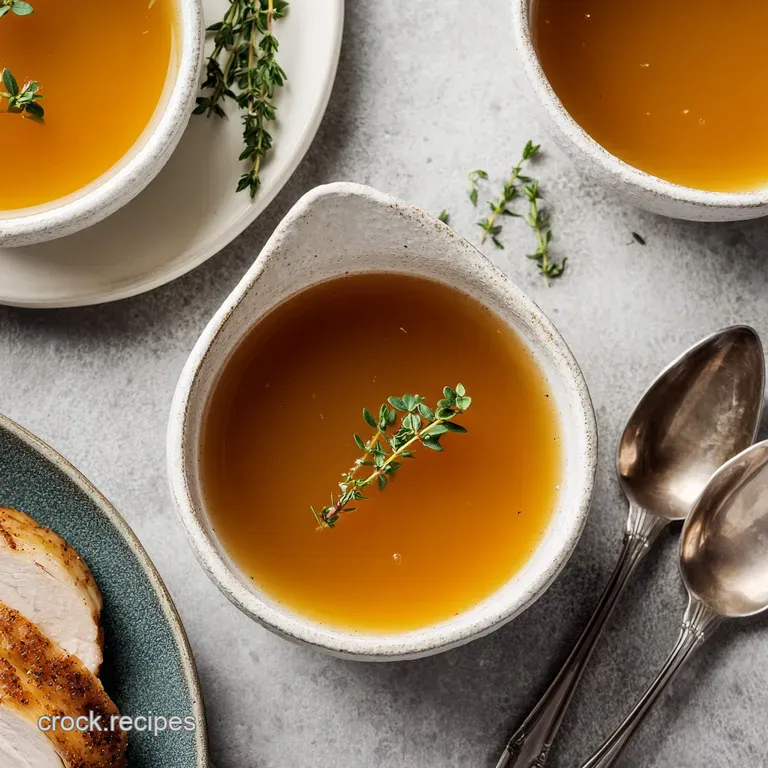
- Unlocking Umami: Why Homemade Turkey Stock is Essential
- The Science of Stock: Achieving Depth and Clarity
- Components of Flavor: What You Need for Your Stockpot
- The Method: Transforming Carcasses into Liquid Gold
- Expert Insights: Mastering Your Turkey Stock Technique
- Preservation Power: Storing and Utilizing Your Batch
- Application Inspiration: Dishes That Demand Premium Stock
- Recipe FAQs
- 📝 Recipe Card
Unlocking Umami: Why Homemade Turkey Stock is Essential
I want you to close your eyes and imagine the deeply savory, warm scent that fills a kitchen when a truly amazing gravy is simmering, or perhaps the backbone of a Thanksgiving stuffing that just sings with flavour. That richness? That depth? It’s not from a powdered packet, darling.
It comes directly from phenomenal Turkey Stock . It’s the essential starting point for almost everything delicious we cook, and honestly, the store-bought versions are just a watery tragedy waiting to happen.
Making great stock feels like a magic trick, but it's really just savvy kitchen economics. You take the bones and bits the stuff you were going to throw out anyway and transform them into a liquid gold that lasts for months in the freezer. It is ridiculously fast (the hands-on work, anyway) and so cheap! This homemade Turkey Stock is absolutely a lifesaver when you need a fast weeknight soup or the perfect base for your Crockpot Turkey Stuffing Casserole Easy Slow Cooker Sunday Roast Hack .
Forget everything you think you know about stock being complicated. We’re going to spend five hours doing very little, but the return on investment is monumental. By the time we’re done, you’ll have a pantry full of concentrated, glistening, deep amber Turkey Stock ready to revolutionize your cold weather cooking.
Let’s crack on and elevate those leftovers!
The Science of Stock: Achieving Depth and Clarity
Ditching the Boxed Broth: The Flavor Differential
If you compare the label on a carton of store-bought broth versus real, homemade Turkey Stock , the difference is immense. Boxed stuff is loaded with salt, natural flavors (which are almost never natural, FYI), and usually has the texture of mildly flavoured water.
When you make your own, you control the purity, the intensity, and the clarity. We are creating flavour concentration here, not just coloured water.
From Carcass to Culinary Cornerstone
The core philosophy behind this recipe is simple: we maximize flavor extraction while minimizing impurities. We achieve this by starting cold and simmering gently. This slow heating process allows the proteins and impurities to rise to the surface, making it easy to skim them away.
This ensures your resulting homemade Turkey Stock is clear, beautiful, and tastes infinitely better than anything from the shelf.
The Cost Effective Way to Elevate Weeknight Meals
Why bother spending half a day making Turkey Stock ? Because it pays for itself tenfold. You are utilizing every bit of the bird, turning trash into treasure.
Every serious cook knows that the backbone of flawless weeknight dishes from easy stovetop gravies to sophisticated reductions is having high-quality stock ready to go. You’ll never look at a turkey carcass as waste again.
The Maillard Reaction: Why Roasting Bones Matters
We are roasting the bones first, which is non-negotiable for a dark, rich, deeply flavored stock. Roasting involves the Maillard reaction that magical browning process that creates hundreds of complex flavour compounds.
This crucial step gives our resulting Turkey Stock its beautiful colour and its unmistakable depth of savory, caramelized flavor. If you skip the roasting, you get a "white stock," which is fine, but it lacks that powerful umami punch we are after for robust dishes.
Controlling Impurities: The Importance of a Low Simmer
A vigorous boil is the enemy of clear, delicious stock. Boiling agitates the liquid violently, shattering the impurities and fat molecules and emulsifying them back into the water. This results in cloudy, sometimes greasy, stock. We want a gentle, lazy simmer, where bubbles break the surface every few seconds.
This low heat is essential for developing a truly clear and clean Turkey Stock .
Gelatin Extraction: Ensuring Body and Mouthfeel
The best sign of exceptional Turkey Stock is that it turns to jelly when refrigerated. That jiggle is pure gelatin, extracted slowly from the collagen in the turkey bones and connective tissue.
This gelatin provides incredible body and mouthfeel, which is what gives sauces and gravies that luxurious, clingy texture. Adding a splash of acid, like apple cider vinegar, helps break down the connective tissue and maximizes the extraction of that glorious collagen.
Components of Flavor: What You Need for Your Stockpot
Turkey Carcasses: Best Cuts for Maximum Gelatin
You need bones! Don't just rely on the breastbone from a holiday meal; you want the joints. Wings, necks, and feet are actually fantastic because they are loaded with collagen and connective tissue.
Using bones from roasted turkey is ideal because they already have Maillard flavour, but you can always buy extra inexpensive turkey parts like wings or thighs to make this homemade Turkey Stock .
| Component | Why it matters | Substitution |
|---|---|---|
| Turkey Carcass/Bones | Collagen and foundational flavor | Use duck or goose carcass (if roasted), or an equal weight of turkey wings. |
| Yellow Onions (unpeeled) | Deepens color and sweetness | Shallots or Leek whites. Don't peel the onion! The skin adds incredible colour. |
| Carrots | Natural sweetness and earthy notes | Parsnips or a small knob of celeriac, chopped. |
| Celery | Essential green/bitter complexity | Fennel bulb (use sparingly) or additional carrot. |
The Essential Mirepoix (and When to Add It)
Mirepoix is the foundational flavour triumvirate: onion, carrot, and celery. For stock, you don't need to chop them finely rough chunks are totally fine. I add my mirepoix to the roasting pan for the last 20 minutes with the bones.
This caramelizes the edges of the vegetables slightly, preventing raw, vegetal flavors from dominating the Turkey Stock during the simmer.
Aromatic Boosters: Herbs and Spices That Enhance the Profile
We keep the aromatics simple and classic for this Turkey Stock recipe because we want a neutral base that can work in any dish. I use parsley stems (don't waste the leaves, save them for garnish!), thyme, and whole peppercorns.
Crucial Tip: Avoid woody herbs like rosemary, as they can sometimes turn bitter after hours of simmering.
Water Quality and Volume Considerations
Always start with cold, filtered water if you can. If your tap water is highly chlorinated, the chlorine can interfere with the extraction process and sometimes impart a slightly metallic taste. You need enough cold water to fully cover your bones by at least two inches.
As the stock simmers, the volume will reduce, concentrating all that beautiful flavour into a powerful, deep amber liquid. That’s the magic of true Turkey Stock .
The Method: Transforming Carcasses into Liquid Gold
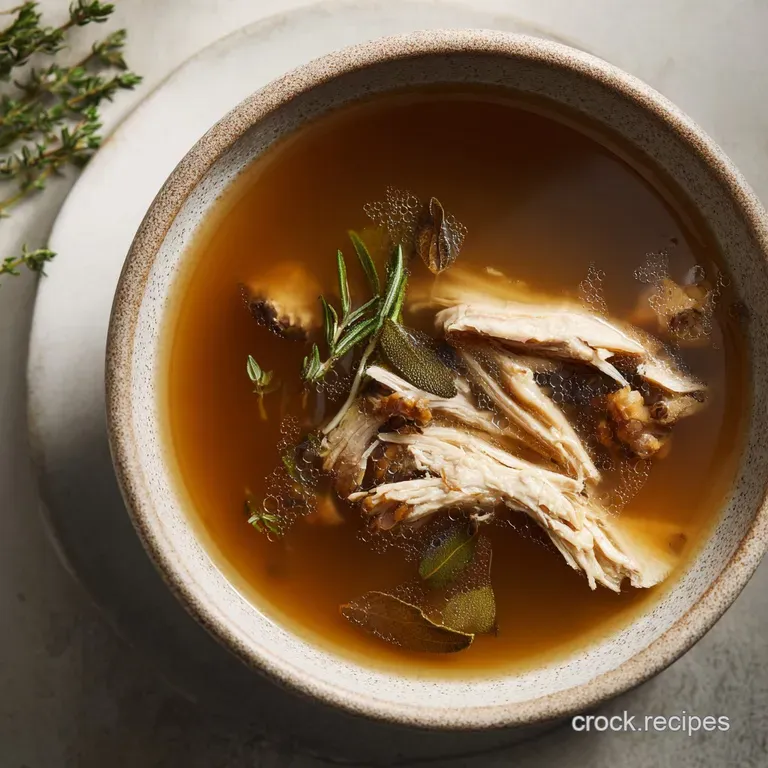
Prepping the Turkey Bones for Roasting
Grab your bones and roughly chop them if they are too big (use a cleaver or ask your butcher). Toss them gently with a tablespoon of neutral oil, spread them in a single layer on a sturdy baking tray, and get them into that 400°F oven.
You are roasting these until they look truly gorgeous deeply golden, almost mahogany. This is where we lay the cornerstone of our intense Turkey Stock flavour profile.
The Long Simmer: Monitoring Temperature and Time
The minute you get the bones and the deglazing liquid into the pot, you add the cold water. Bring it to a simmer S-L-O-W-L-Y. Once the heat is set, you barely need to touch it. Set a timer for 3.5 to 4 hours. If you start seeing large, rolling bubbles, immediately turn the heat down.
We want a gentle, loving simmer, not a vigorous boil. This ensures your Turkey Stock remains incredibly clear.
Skimming, Straining, and Clarifying the Turkey Stock
This is the most crucial hands-on part. As the stock heats up, use a large, flat ladle or a spoon to skim away the greyish foam (the scum) that rises to the top. Do this religiously for the first hour. When you finally strain, I always recommend lining a fine mesh sieve with cheesecloth.
It catches those tiny bits of sediment and leads to a sparkling, clear homemade Turkey Stock .
Reducing the Stock for Concentrated Flavor
After straining, you might have four or five quarts of liquid. While this is great, it’s bulky to store. For real flavor punch, ladle the strained stock back into a clean pot and simmer it uncovered for another 30– 60 minutes.
This reduces the liquid volume by about 25 35% and concentrates the flavor, turning it into something approaching demi glace. This highly concentrated Turkey Stock is phenomenal for sauces.
Chef’s Note: Never add salt before reducing your stock. If you salt the initial volume, the intense concentration during reduction will make the final product inedibly salty. Wait until the very end, or better yet, wait until you are using the finished stock in a final recipe.
Expert Insights: Mastering Your Turkey Stock Technique
Common Pitfall 1: Avoiding a Cloudy or Greasy End Result
The two main culprits for cloudy Turkey Stock are boiling too hard or stirring the pot after the initial impurities have been skimmed. If you stir, you reintroduce the sediment floating at the bottom back into the liquid.
Fix the grease problem by chilling the stock completely overnight; the fat cap will solidify, and you can simply lift it off with a spoon. That gorgeous gelatinous layer below? That’s what we want!
When to Salt (Hint: Wait Until the End)
As mentioned, do not salt the pot! Stock is a building block. If you salt this batch of Turkey Stock to a palatable level now, and then reduce it by half for a gravy, that gravy will be far too salty. Keep your stock unseasoned until you are actually using it to cook something specific, whether it's soup, risotto, or that incredible Turkey Patties: Chefs Juicy Golden Herb Recipe .
The Difference Between Stock and Broth
We often use these terms interchangeably, but they aren't the same! Broth is liquid simmered quickly with meat and aromatics, often seasoned, and is meant to be drunk straight away.
Turkey Stock , however, is simmered for hours, focusing specifically on bones and connective tissue to extract gelatin and flavour, providing body and texture. We make stock to build dishes; we drink broth for comfort.
Preservation Power: Storing and Utilizing Your Batch
Refrigerator Shelf Life and Safety
Once strained and chilled, your defatted Turkey Stock is safe in the refrigerator for up to 5 days. You MUST chill it rapidly after cooking. I like to use an ice bath in the sink for the initial cool down before putting it in the fridge.
This keeps bacteria from having a chance to grow in the danger zone temperatures.
Freezing Stock Cubes vs. Bulk Storage
I love freezing homemade Turkey Stock . If you need small amounts for deglazing a pan or moistening a braise, pour some into silicone muffin tins or extra large ice cube trays. Once frozen, pop them out and transfer them to a freezer bag. This is great for concentrated batches!
For larger quantities, use sturdy freezer safe containers (leaving headspace for expansion) and label them clearly. Properly frozen, high-quality Turkey Stock will last up to 6 months.
The Ultimate Turkey Gravy Foundation
The main event for your rich, homemade stock is gravy. A gravy made with a premium, gelatin rich base like this truly needs nothing else to be spectacular. You can use it as a base for a classic roux, or simply reduce it with pan drippings for the most flavourful gravy you’ve ever served.
Trust me, the sheer volume of flavour that this Turkey Stock provides will make your holiday meals unforgettable.
Application Inspiration: Dishes That Demand Premium Stock
Once you have a few quarts of this liquid gold, your cooking world opens up. Aside from the obvious soups and stews, try using your Turkey Stock to poach lean cuts of meat or to hydrate dried beans. This elevates simple side dishes effortlessly.
For something truly fun and different, try using the stock instead of water when making the filling for a batch of Turkey Stuffing Air Fryer Eggrolls The Ultimate Crispy Leftover Appetizer . It will pump up the savory flavour inside those crispy shells. If you’re planning your main course, always use this homemade base when braising things like Roasted Turkey Thighs with Garlic Herb Butter UltraTender Crispy . It prevents any dryness and infuses every bite with incredible flavour. This concentrated Turkey Stock is the flavor secret I swear by, and I hope you love it as much as I do!

Recipe FAQs
Why is my turkey stock pale instead of a rich, mahogany colour?
The deep mahogany colour comes primarily from the Maillard reaction achieved during the initial roasting of the bones and aromatics. Ensure your turkey carcass is deeply browned before you add the water; you must also properly deglaze the roasting pan with water to scrape up and incorporate the flavorful brown 'fond' bits.
My finished stock tastes bland and watery. How can I concentrate the flavour?
Blandness indicates insufficient reduction or an imbalance between the water and the bones/vegetables used. To fix this, strain the finished stock and return it to a clean pot; simmer it uncovered at a gentle pace until the volume has reduced by 25 to 50%, which will intensely concentrate the natural savory compounds.
How do I ensure my turkey stock is perfectly clear and not cloudy?
Cloudiness is almost always caused by vigorous boiling or disturbing the stock while it is simmering. The key to clarity is maintaining a very gentle, barely perceptible simmer often described as just a "shiver" on the surface and resisting the urge to stir or agitate the liquid once it starts cooking.
Can I use raw turkey bones instead of roasting them first?
While you certainly can use raw bones, the resulting stock will be significantly lighter in colour and lack the deep, complex umami notes of a roasted stock. Roasting is the essential step that caramelizes the proteins, providing the "Liquid Gold" depth necessary for superior gravies and sauces.
Should I skim the fat and impurities during or after the simmering process?
It is best practice to skim the initial grey brown scum (impurities) that rises in the first hour to ensure clarity, but leave the majority of the surface fat until the stock is done. Once the stock is cooled in the refrigerator, the fat will solidify into a thick cap, which is much easier to lift and remove cleanly.
What is the recommended storage time and the best method for freezing?
Cooled and properly stored stock can be kept safely in the refrigerator for up to 5 days. For long term preservation, freeze the stock in clearly labelled, airtight containers or heavy duty freezer bags, leaving a small amount of headspace for liquid expansion; it maintains excellent quality for 6 to 9 months.
Is it safe to simmer the stock for the full 8 to 10 hours required for maximum reduction?
Yes, as long as the stock remains at a consistent, very low simmer (above 140°F/60°C) for the entire duration, it is safe. However, simmering past 8 hours risks developing slightly bitter or "cooked out" notes, so the 6 to 8-hour range is often considered the perfect balance of flavour extraction and intensity.
Roasted Turkey Stock Recipe
Ingredients:
Instructions:
Nutrition Facts:
| Calories | 20 calories |
|---|---|
| Fat | 0.5 grams |
| Fiber | 1.5 grams |
