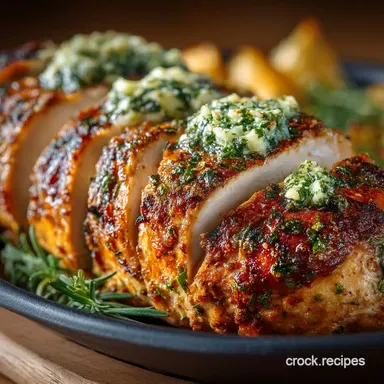
Succulent Roasted Turkey Breast with Garlic Herb Butter
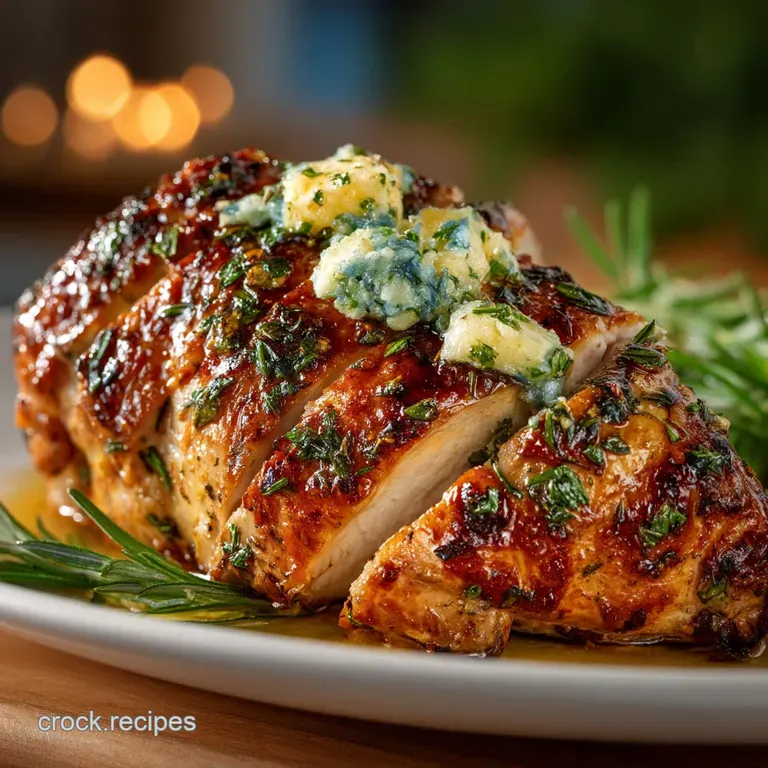
- Ditching the Drama: Why the Turkey Breast is the Ultimate Small Roast
- Unlocking Juiciness: The Magic of Garlic Herb Butter
- The Essential Components for Your Aromatic Roast
- Tools of the Trade for a Guaranteed Succulent Result
- Step-by-Step Preparation: Getting Your Turkey Ready for the Oven
- Roasting Timings and Techniques for the Perfect Internal Temperature
- Expert Tips and Troubleshooting for Your Best Roast Yet
- Beyond the Basic Recipe: Storage, Freezing, and Flavor Variations
- Recipe FAQs
- 📝 Recipe Card
Ditching the Drama: Why the Turkey Breast is the Ultimate Small Roast
While the colossal presentation of a whole bird has its merits, tackling a full turkey can be intimidating, often resulting in uneven cooking and unnecessary kitchen stress. The Roast Turkey Breast , by contrast, is the epitome of efficiency and elegance.
It offers all the delicious, desirable white meat without the lengthy cooking time or the inherent risk of dry results. This approach is absolutely perfect for a celebratory Sunday lunch, a small dinner party, or as a completely manageable alternative for a Holiday Turkey Breast Recipe when hosting fewer guests.
It reduces the total cooking time significantly we're talking about a two-hour commitment instead of half a day and guarantees that every slice is tender, yielding six generous, restaurant quality servings from an average 3 lb (1.4 kg) cut.
If you are looking for a straightforward, foolproof Turkey Breast Recipe that delivers maximum flavor with minimum fuss, the boneless breast is your champion.
Unlocking Juiciness: The Magic of Garlic Herb Butter
The common pitfall with any large poultry cut is dryness, particularly in the lean breast meat. Our solution, the core secret to this successful dish, is leveraging the power of compound butter.
This rich, aromatic mixture, which forms the basis of the Roasted Turkey Breast with Garlic Herb Butter , is meticulously designed to infuse moisture and flavor directly into the meat fibers as they cook.
The butter, loaded with fresh garlic, rosemary, thyme, and sage, is applied directly beneath the skin. As the oven heats, the butter melts and essentially self bastes the meat from the inside out, protecting the fragile proteins and preventing them from drying out before the internal temperature is reached.
Achieving Flawless Skin (The Butter Strategy)
The process of tucking the butter beneath the skin serves a dual purpose. Not only does it moisturize the meat, but the residual fat that coats the skin’s surface, combined with a quick external rub of olive oil, ensures a spectacularly crispy finish.
This Garlic Herb Butter Turkey method demands that the skin remains intact and dry before the initial high heat sear. The fat from the melting butter helps render the skin perfectly while the high temperature (425°F or 220°C) initiates deep browning, setting the stage for that sought after golden brown crust.
Maximum Flavor, Minimum Fuss: A Stress Free Holiday Option
This preparation takes the complication out of special occasion cooking. With active prep time clocking in at just 20 minutes and a total time estimate of only two hours and ten minutes (not including the optional chill time), this truly qualifies as an Easy Roasted Turkey Breast Recipe .
The focused method means less time worrying about rotating a massive bird and more time enjoying the anticipation of a succulent, perfectly seasoned centerpiece, making it an ideal choice among various Roast Turkey Recipes .
Sourcing the Best Turkey Breast Cuts
For this specific method to succeed, we require a skin-on cut. The skin is essential for holding the compound butter against the meat and contributing the necessary fat for a crisp exterior. We recommend sourcing a boneless, skin-on turkey breast weighing approximately 3 lbs (1.4 kg).
While a bone-in breast will also work, the boneless cut is much easier to carve cleanly and provides a more consistent, flat surface for even cooking and butter application.
A Quick Overview of the Cooking Method
Our technique for this oven roasted Turkey utilizes a simple two-stage cooking process. We begin with a brief, intense burst of high heat (425°F/220°C) for the first 20 minutes to rapidly brown the skin.
We then immediately drop the oven temperature to a moderate 350°F (175°C) for the remainder of the roasting time. This dual approach ensures the skin crisps up quickly while allowing the meat to cook gently and evenly inside, minimizing moisture loss.
Crucially, we introduce one cup of chicken or turkey stock into the roasting pan upon reducing the temperature to prevent drippings from burning, thus creating a wonderful foundation for pan gravy.
The Essential Components for Your Aromatic Roast
The exceptional flavor of this dish relies on a simple yet high impact set of ingredients. For our potent compound butter, we require six tablespoons of unsalted butter, softened to room temperature for smooth mixing.
This butter is elevated by four cloves of finely minced fresh garlic, complemented by a generous blend of fresh herbs: one tablespoon each of finely chopped rosemary and thyme leaves, and a teaspoon of fresh sage. A half teaspoon of bright lemon zest cuts through the richness, providing an essential aromatic lift.
For the external seasoning of the 3 lb turkey breast, a simple coating of olive oil, kosher salt, and freshly ground black pepper is all that is needed to prepare the skin for roasting.
Tools of the Trade for a Guaranteed Succulent Result
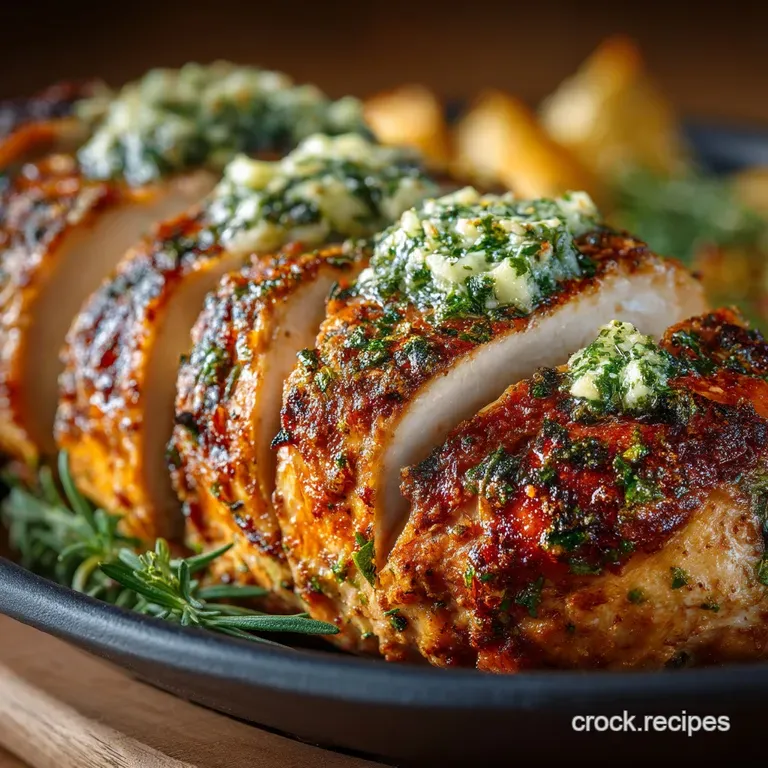
While this recipe is beautifully straightforward, success hinges on using the right equipment. The preparation requires simple kitchen tools, primarily a small mixing bowl and a rubber spatula for crafting the compound butter.
However, when it comes to the roasting stage, certain items become non-negotiable for achieving perfect results, especially the combination of the roasting pan and a rack.
Crafting the Perfect Herb Butter Mixture
The process for creating the compound butter is simple but precise. Start with butter that is genuinely soft not melted, but easily yielding to pressure. In your small mixing bowl, combine the softened butter with the minced garlic, the prepared fresh rosemary, thyme, and sage, along with the half teaspoon of lemon zest.
Ensure you mix vigorously until all ingredients are fully incorporated, distributing the flavor elements evenly throughout the fat. This concentrated preparation guarantees that the flavor is delivered consistently across the entire surface of the Roast Turkey Breast .
Scaling the Recipe: Adjusting Servings (1x, 2x, 3x)
Our base recipe is calibrated for approximately six generous servings, using a 3 lb breast. If you choose to roast a larger piece (say, 5 lbs) or are cooking two breasts simultaneously, you should scale the compound butter ingredients proportionally.
For example, doubling the turkey mass requires doubling the butter, oil, and seasoning. It is also vital to use a larger pan and ensure adequate spacing around the breasts if cooking multiple pieces to promote even cooking and crisping.
Selecting the Right Roasting Pan and Rack
A crucial element for this oven roasted Turkey is the roasting setup. You need a medium sized roasting pan with sides high enough to hold the one cup of stock we add later. More importantly, you must utilize a V-rack or a standard wire rack inside the pan.
This elevates the turkey breast, lifting it clear of the liquid and drippings. This elevation is key for ensuring that air circulates completely around the turkey, preventing the bottom surface of the skin from steaming and becoming soggy.
Why a Meat Thermometer is Non-Negotiable
If there is one piece of equipment essential for mastering any Roast Turkey Recipes , it is the digital meat thermometer. Roasting times are always estimates; only the internal temperature can tell you if the bird is done.
Overcooking by even five degrees will result in a dry texture, regardless of the glorious compound butter we’ve used. We rely on the thermometer to pull the turkey at the precise moment it hits 160°F (71°C), guaranteeing that subsequent carryover cooking achieves the safe final temperature while retaining maximum moisture.
Related Recipes Worth Trying
- Silky Broccoli Cauliflower Cheese Soup with Bacon Recipe — Our Broccoli Cauliflower Cheese Soup with Bacon is the ultimate winter comfort food Learn the secret to a silky base and rich cheddar sauceno grainy texture
- Foolproof Honey Garlic Chicken Bites Sticky Crispy Ready in 30 Minutes — Forget the takeaway These legendary Honey Garlic Chicken Bites are dead easy super sticky and beautifully crispy Done in 30 minutes theyre perfect served...
- 35Minute Sticky Teriyaki Ground Turkey Bowl Better Than Takeaway — Knockout healthy Teriyaki Ground Turkey Bowl recipe Our homemade sticky sauce coats lean ground turkey for a delicious Ground Turkey Teriyaki Rice Bowl...
Step-by-step Preparation: Getting Your Turkey Ready for the Oven
Preparation begins roughly an hour before you plan to cook. This process is highly active for a few minutes but includes a short, necessary rest period that contributes significantly to the final outcome.
The main goals here are to ensure a bone dry surface, introduce the crucial herb butter layer, and provide time for the salt to work its magic.
Roasting Timings and Techniques for the Perfect Internal Temperature
After the preparation and chilling phase are complete, the actual cooking process for the Roasted Turkey Breast with Garlic Herb Butter takes approximately 75 to 90 minutes.
We start hot to establish the crust and then settle into a moderate heat to ensure the cooking progresses steadily and evenly without drying out the edges. This careful technique separates a good roast from an exemplary one.
Preparation Phase 1: Drying and Seasoning the Skin
Remove the 3 lb turkey breast from its packaging and use paper towels to pat the entire surface skin, sides, and underside until it is completely dry. Moisture is the biggest inhibitor of crispy skin, so take your time on this step.
Next, lightly rub the exterior skin with a tablespoon of olive oil, and season generously with kosher salt and black pepper. Place the seasoned turkey onto the rack in the roasting pan.
Optionally, chilling the turkey, uncovered, for 30 minutes up to four hours, helps the skin dry out even further, making it exceptionally crisp.
The Crucial Step of Butter Placement (Under and Over the Skin)
This step is the true secret to this Easy Roasted Turkey Breast Recipe . Using your fingers, gently separate the skin from the breast meat, starting from the thickest edge, being careful not to puncture or tear the skin.
Take the entirety of the prepared garlic herb butter and carefully push it underneath the skin, spreading the mixture evenly over the meat's surface. The skin should now be lying smoothly over the butter. There is no need for external butter; the olive oil rub provides sufficient fat for browning the surface.
Determining Optimal Cooking Times for Your Roasted Turkey Breast with Garlic Herb Butter
As noted earlier, we roast at 425°F (220°C) for 20 minutes to sear the skin. Then, reduce the temperature to 350°F (175°C) and add the cup of stock to the pan. Continue roasting for another 55 to 70 minutes.
The total time for this Roast Turkey Breast will vary slightly based on your oven’s accuracy and the exact thickness of the meat, hence the reliance on the thermometer. You must begin monitoring the temperature during the last 20 minutes of cooking.
Ensuring Proper Resting Time for Maximum Juiciness
Once the turkey breast hits 160°F (71°C) in the thickest part of the meat, remove it immediately from the oven. Transfer the turkey, still on the rack, to a clean cutting board and tent it loosely with aluminum foil. Let it rest undisturbed for 15 minutes.
This resting period is not optional; it allows the muscle fibers to relax and reabsorb the flavorful juices driven out during cooking, guaranteeing maximum tenderness and moisture. This brief pause completes the cooking process, allowing the internal temperature to coast to the safe 165°F (74°C).
Expert Tips and Troubleshooting for Your Best Roast Yet
Achieving the perfect Roasted Turkey Breast with Garlic Herb Butter involves anticipating potential problems. The most common issues are either skin browning too quickly or the meat drying out. To prevent the latter, never roast past the critical 160°F mark.
If your skin is darkening too fast during the 350°F stage, simply tent the turkey loosely with foil do not seal it tightly, as that would steam the skin. Plus,, ensure your oven is accurately calibrated; frequent opening of the door to check on the roast will significantly increase your overall cook time.
Beyond the Basic Recipe: Storage, Freezing, and Flavor Variations
Once sliced, the Roasted Turkey Breast with Garlic Herb Butter remains incredibly versatile. Leftovers should be stored in an airtight container in the refrigerator and consumed within 3 to 4 days. If you anticipate having a large amount left over, the cooked meat freezes beautifully.
Simply slice or dice the turkey, place it in freezer bags, remove excess air, and freeze for up to three months.
How to Achieve Deep Golden Brown Skin (The Basting Debate)
Basting can be a contentious topic, but in this preparation, it can be useful, provided you are quick. Baste the turkey every 20 to 30 minutes using the accumulated pan juices and stock. The liquid helps moisten the top layer of the skin and adds flavor.
However, avoid overdoing it, as repeatedly opening the oven door and covering the skin in liquid will cool the surface and inhibit the final crisping. If the skin is already a rich golden color, skip the basting entirely.
Safe Internal Temperatures and Carryover Cooking
We must reiterate the crucial temperature rule for all Roast Turkey Recipes : the official safe temperature for poultry is 165°F (74°C). Because of the phenomenon known as carryover cooking, where the internal temperature continues to rise after the meat is removed from the heat source, we must pull the breast at 160°F (71°C).
The subsequent 15-minute rest allows the meat to safely reach 165°F and achieves peak juiciness simultaneously.
Creative Ways to Use Leftovers from Roasted Turkey Breast with Garlic Herb Butter
The highly seasoned nature of this Garlic Herb Butter Turkey makes leftovers incredibly flavorful. Skip the boring cold cuts and transform them into something spectacular.
Try a rich, savory turkey pot pie, dice the turkey into a creamy salad using the pan drippings for depth, or simply enjoy thinly sliced portions layered on sourdough bread with a sharp, tangy cranberry aioli.
Nutritional Breakdown and Healthy Serving Suggestions
Turkey breast is an excellent source of lean protein, contributing approximately 45 grams per serving in this recipe. While the butter adds rich flavor and moisture, the overall dish remains relatively low in carbohydrates and contains healthy fats.
To keep your meal balanced and aligned with the high quality of this centerpiece, serve the sliced turkey alongside light sides such as steamed green beans or roasted asparagus, accompanied by a quick, low-sodium pan gravy made from the stock in the roasting pan.
This ensures a delicious and nutritionally sound festive plate.
Recipe FAQs
How do I stop my turkey breast from becoming bone dry? It's always a lottery!
The secret weapon here is the probe thermometer; roasting by time is pure guesswork and often leads to disappointment. Always pull your turkey out of the oven when the internal temperature, checked in the thickest part of the breast, hits 160°F (71°C).
The meat will continue to cook as it rests, easily reaching the food safe 165°F (74°C) mark. Resting for 15 minutes is absolutely non-negotiable, allowing those precious juices to redistribute for a beautifully succulent result.
Can I prepare the Roasted Turkey Breast with Garlic Herb Butter ahead of time for a less stressful Sunday dinner?
Absolutely, prepping ahead is a brilliant move to cut down on the faff on the day. You can prepare the turkey, apply the compound butter beneath the skin, season the exterior, and leave it uncovered in the fridge for up to 4 hours.
This not only sets the butter firmly in place but also helps dry out the skin, which is crucial for achieving that gloriously crisp finish we all aim for.
My skin ripped slightly when I tucked the herb butter in is the whole roast ruined?
Don't panic! A small tear isn't the end of the world, though it might affect the uniform crispness of that small area. If the tear is tiny, simply press the skin back into place and use a small dab of the remaining butter (or a toothpick, if desperate) to seal it.
The goal of the butter is to melt and baste the meat below; even if a bit escapes, the majority of the flavour infusion will still happen, so carry on!
I'm making a quick gravy should I use the liquid from the roasting pan?
Definitely! Those pan juices are pure gold and form the foundation of a sublime pan gravy. The stock added to the pan during roasting ensures the meaty drippings don't burn, creating a flavourful base.
Just scrape up the browned bits, strain the liquid, thicken it with a little roux or cornflour slurry, and you'll have a rich, spot-on accompaniment for the turkey.
What’s the best way to store the leftovers and how long will they keep for?
Cool the leftover turkey quickly and store it sliced in an airtight container in the fridge; they are perfect for sandwiches or a quick curry the next day. The turkey should be consumed within 3 to 4 days of cooking.
For longer storage, freeze the sliced meat in a freezer bag or container for up to 3 months, ensuring you label the date clearly.
Perfect Garlic Herb Butter Turkey Roast